
Last updated: May 16, 2026
In this article
- The Short Answer on Rabbit Foot Fern and Pets
- What Rabbit Foot Fern Actually Is
- Why Rabbit Foot Fern Earns Its Non-Toxic Listing
- The Rhizome Curiosity Issue
- What Can Still Go Wrong
- What to Do If Your Pet Ate Rabbit Foot Fern
- Why Rabbit Foot Fern Is a Good Choice for Pet Households
- Hanging Basket Strategy
- Other Pet-Safe Fern Options
- Buying and Bringing Home a New Rabbit Foot Fern
- Day-to-Day With Rabbit Foot Fern and Pets
- When a Vet Call Is Still Warranted
- The Bigger Picture for Pet Households
- Frequently Asked Questions
The Short Answer on Rabbit Foot Fern and Pets
Rabbit foot fern is safe for pets. Davallia fejeensis (Fijian rabbit’s foot fern), Davallia tyermanii (white rabbit’s foot fern), Davallia trichomanoides (Squirrel’s foot fern), and the other commonly cultivated Davallia species are listed by the ASPCA as non-toxic to both cats and dogs. The fronds, the wiry rhizome, and the famously fuzzy aerial rhizomes that creep over the edge of the pot all share a clean toxicity profile with no documented systemic toxin. If your cat or dog grabs a piece and chews it, the worst you should expect is mild stomach upset from the volume of plant material rather than any specific toxic chemistry.
That said, “non-toxic” is not the same as “no risk.” The fuzzy, foot-like rhizomes that give the plant its name are essentially designed to attract attention, and they often do. Pets that eat large quantities of any plant material can vomit or develop diarrhea, and pesticide residues on shop-bought plants are a separate concern. Read on for the full picture, the rhizome strategy that keeps both the plant and the pet happy, and the reassurance you came here for.
What Rabbit Foot Fern Actually Is
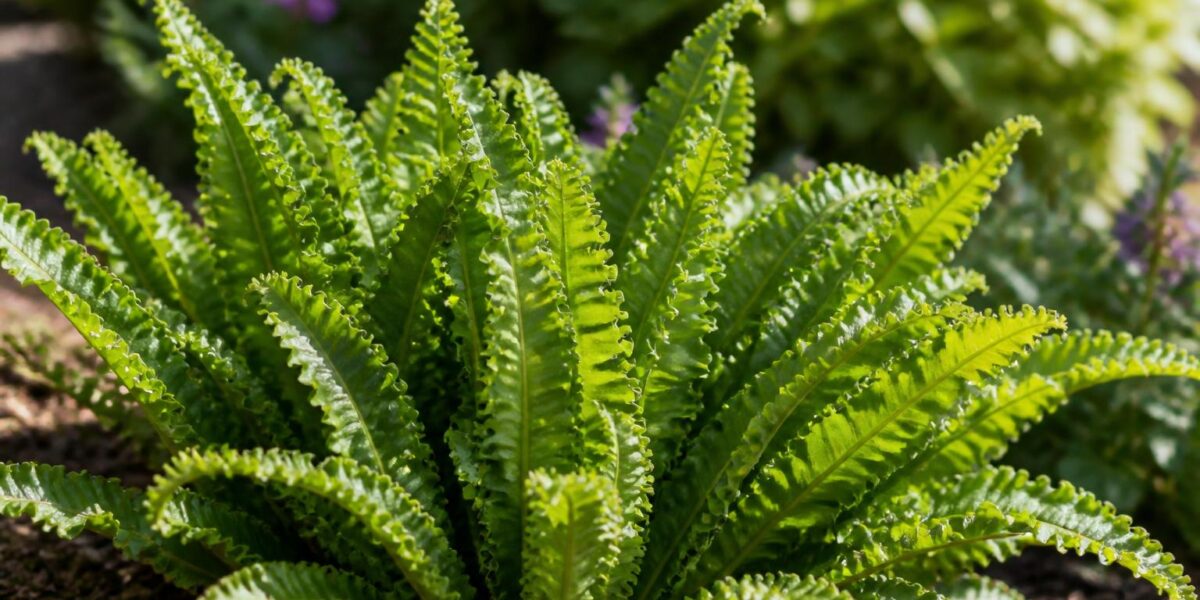
Davallia is a small genus of epiphytic ferns native to the tropics of Asia, the Pacific, and Africa. The plant is characterized by its rhizomes — thick, fuzzy, surface-creeping roots that look uncannily like the back paw of a rabbit or squirrel. The rhizomes are densely covered in fine hair-like scales, usually pale brown or silvery, that protect the rhizome from drying out as it crawls across tree bark in the wild. In a pot, the rhizomes climb over the edge and dangle down the sides, which is half the visual appeal.
You will most often meet Davallia fejeensis (Fijian rabbit’s foot fern), which has fluffy tan rhizomes and lacy fronds, or Davallia tyermanii (white rabbit’s foot fern), which has white-furred rhizomes that look almost otherworldly. Both are sold under names like rabbit’s foot fern, hare’s foot fern, deer’s foot fern, and squirrel’s foot fern depending on the specific species and the regional preference. All are non-toxic.
Why Rabbit Foot Fern Earns Its Non-Toxic Listing
The ASPCA lists Davallia as non-toxic to dogs and cats. Veterinary toxicology references do not document any systemic toxin in the fronds, stems, or rhizome. Rabbit foot fern contains no calcium oxalate raphides (unlike syngonium or pothos), no cyanogenic glycosides (unlike cherry-laurel or chokecherry), no cardiac glycosides (unlike yew or oleander), and no alkaloids of veterinary concern.
That places rabbit foot fern alongside other cleanly non-toxic ferns such as Boston ferns, bird’s nest ferns, and staghorn fern (Platycerium). The whole fern category is unusually pet-friendly, with most popular indoor fern genera listed as non-toxic to cats and dogs. Rabbit foot fern is among the most reliably safe in the group.
The Rhizome Curiosity Issue
The interesting wrinkle with rabbit foot fern is behavioral, not chemical. The fuzzy, dangling rhizomes look exactly like small animals to many cats. They wiggle slightly in air currents. They are at swatting height when the pot sits on a typical side table. And they are texturally novel — most houseplants do not present pets with fuzzy, brown, dangling shapes that look animate.
The result is that cats often bat at, chew on, or even try to “kill” the rhizomes the way they would attack a toy mouse. A persistent batter can damage or detach the rhizomes, which slows the plant’s growth (the rhizomes are where new fronds emerge from). The rhizomes themselves are non-toxic and a chewed-off piece does not harm the cat, but the plant looks shabbier afterward.
Dogs are less likely to engage with the rhizomes in this predatory way, though some terrier-type dogs and puppies in the teething phase do take interest. The fuzzy texture seems to read as “small animal” to them too, which is part of the appeal.
What Can Still Go Wrong
Three categories of issue can occur even with a non-toxic plant. Volume: a pet who eats a large quantity of any plant material can vomit or have diarrhea simply from the mass of fiber. Pesticide residue: shop-bought ferns are often treated with systemic insecticides like imidacloprid, and the residue can persist for weeks. Soil amendments: systemic insecticide granules mixed into nursery soil can poison a soil-eating pet even when the leaves themselves are clean.
You can manage all three. Quarantine new plants for one to two weeks. Wipe the fronds with a damp cloth on day one. Repot into your own soil mix if your pet is a known dirt-eater (rabbit foot ferns prefer a chunky, well-draining mix with bark and perlite). Discard plastic tags and decorative pebbles. The combination of patience and a few simple practices handles most of the residue and amendment risk.
What to Do If Your Pet Ate Rabbit Foot Fern
If your cat or dog ate a few mouthfuls of rabbit foot fern fronds or rhizome and is otherwise acting normally, observation is the right response. Watch for vomiting, diarrhea, or unusual lethargy over the next twelve to twenty-four hours. Most pets show no reaction at all. Some have one or two episodes of vomiting and return to normal.
Call your veterinarian or the ASPCA Animal Poison Control Center at 888-426-4435 (consultation fee applies) if you see persistent vomiting, diarrhea past twenty-four hours, weakness, refusal to drink, or any other concerning change. Pet Poison Helpline at 855-764-7661 is the second hotline. Even non-toxic ingestions warrant professional input when symptoms cross into anything more than minor.
Do not induce vomiting at home. Hydrogen peroxide and other home decontamination methods are not appropriate for non-toxic exposures because the risk of the decontamination outweighs the risk of the plant itself.
Why Rabbit Foot Fern Is a Good Choice for Pet Households
Rabbit foot fern has practical advantages for households with pets beyond the clean toxicity profile. It tolerates lower light than maidenhair fern, lower humidity than most other tropical ferns, and short periods of soil dryness without sulking. It produces dramatic visual interest from the dangling rhizomes that no other common houseplant offers. It is sometimes available at very large sizes (12-inch hanging baskets are common), which makes it a striking centerpiece in a living room.
The plant also handles the occasional pet investigation well. Chewed fronds regrow from the rhizome within weeks. Detached rhizomes are non-toxic and can sometimes be re-rooted as new plants if you press them onto fresh soil. The plant is among the more forgiving ferns in the home environment.
Hanging Basket Strategy
The single most effective placement for a rabbit foot fern in a pet household is a hanging basket. The plant naturally cascades, the rhizomes dangle attractively, and the whole thing sits several feet above any cat’s launch range. A hanging basket also dries faster than a floor pot, which is fine for rabbit foot fern (it tolerates short dryness) but might require slightly more frequent watering.
Hang the basket from a ceiling hook rated for at least the wet weight of the fern. Check the wet weight by lifting the basket immediately after watering — most 8-inch baskets weigh four to six pounds wet. Use a plant hanger that swings freely so the fern does not bang into walls during normal household movement. Place the hook in a spot that does not give cats a launching surface (a tall shelf or refrigerator nearby invites trouble).
Other Pet-Safe Fern Options
If you love rabbit foot fern’s unusual fuzzy form and are building a non-toxic fern collection, several other ASPCA-non-toxic species pair well with it. Boston ferns bring fluffy volume in hanging baskets and are forgiving of moderate dry air. Bird’s nest ferns add a sculptural rosette form for a low pot or shelf. Staghorn fern (Platycerium) is wall-mounted and out of pet reach. Maidenhair fern (Adiantum) brings delicate texture for humid bathrooms.
The full cat-safe houseplants guide covers light, humidity, and pet-friendliness for each fern option. The pet-safe garden plants roundup extends the list to outdoor patios and yards.
Buying and Bringing Home a New Rabbit Foot Fern
When you buy a new rabbit foot fern, do a few small things on day one. Quarantine the plant for one to two weeks in a room the pets do not enter. Rinse the fronds gently under cool water and wipe them dry. Inspect the rhizomes for any pests or damaged sections. Repot only if the existing soil is clearly compacted or saturated; rabbit foot ferns prefer chunky bark-based mixes and do not enjoy dense potting soil.
Many rabbit foot ferns sold at garden centers are actually mounted on cork bark or coconut fiber rather than potted in soil. These mounts mimic the plant’s natural epiphytic habit and work beautifully indoors. The mounts can be hung directly from a wall hook the same way as a staghorn fern. The advice in this article applies whether the plant is mounted or potted.
Day-to-Day With Rabbit Foot Fern and Pets
Once placed, rabbit foot fern needs water about once every five to seven days in summer and every ten to fourteen days in winter. The rhizomes prefer to be soaked and then allowed to dry to nearly bone-dry between waterings. Mist the fronds occasionally if your air is dry. Do not bury the rhizomes in soil — they want to creep across the surface and dangle over the edge.
For pets, the plant is essentially set-and-forget once it is hung high. Cats may try to bat at the rhizomes if they are dangling within reach. If you see persistent batting, raise the plant another foot or two. Dogs almost always ignore hanging plants entirely. The hanging-basket strategy resolves nearly every pet-related concern with this species.
When a Vet Call Is Still Warranted
Even with a non-toxic plant, certain situations warrant a vet call. Persistent vomiting, diarrhea past twenty-four hours, lethargy, refusal to drink, blood in vomit or stool, or any sign that your pet is in pain warrant a phone call. So does any unusual symptom in a pet with a chronic condition, since dehydration from even mild GI upset can stress underlying disease.
If you have a brand-new puppy or kitten and they have eaten any plant material, including rabbit foot fern, a quick phone call to the vet is a reasonable precaution. Smaller body masses respond more strongly to even minor irritants. Most calls take less than ten minutes and end with reassurance.
The Bigger Picture for Pet Households
Building a houseplant collection that fits a pet household is partly about choosing safe species and partly about choosing forms and placements that work with your pets’ habits. Hanging baskets work for ferns. Wall mounts work for staghorn ferns. Tall plant stands keep potted plants above tail-strike range. The choices add up to an environment where you can enjoy your collection without daily anxiety.
If you are bringing home a new pet soon, our cat adoption hub and dog adoption hub include household-prep guides covering plants, foods, cords, and chemicals to address before the pet arrives. The afternoon you spend on prep buys years of plant-filled evenings without anxiety.
Frequently Asked Questions
Are the fuzzy rhizomes really safe for my cat to chew?
Yes. The rhizomes share the same non-toxic listing as the fronds. The fuzzy scales on the rhizome surface are made of plant fiber, not animal hair, and they pose no chemical or systemic risk if a cat chews them. The plant looks shabbier afterward, but the cat is fine.
What if my dog ate a rhizome that fell off the plant?
A small chewed rhizome typically passes through the gut without incident. Watch for vomiting or diarrhea over the next twelve hours and offer plenty of fresh water. If the dog seems uncomfortable, refuses to eat, or has persistent symptoms, call your vet.
Is white rabbit’s foot fern (Davallia tyermanii) also safe?
Yes. The white-rhizomed variety shares the same non-toxic listing as Fijian rabbit’s foot fern. The whole genus Davallia is treated as non-toxic in current veterinary references.
Can I propagate a rabbit foot fern from a chewed-off rhizome piece?
Often yes, if the piece has at least one growing tip and a few fine roots. Press the rhizome firmly onto moist sphagnum moss or a chunky soil mix and keep it humid for several weeks. New fronds typically emerge from a healthy rhizome cutting within a month.
My rabbit foot fern is shedding fronds after my cat chewed it. Will it recover?
Almost always. Rabbit foot ferns regrow from the rhizome reliably as long as the rhizome is intact and healthy. Trim the chewed fronds, water normally, and place the plant out of further reach. New fronds typically appear within a few weeks.


