
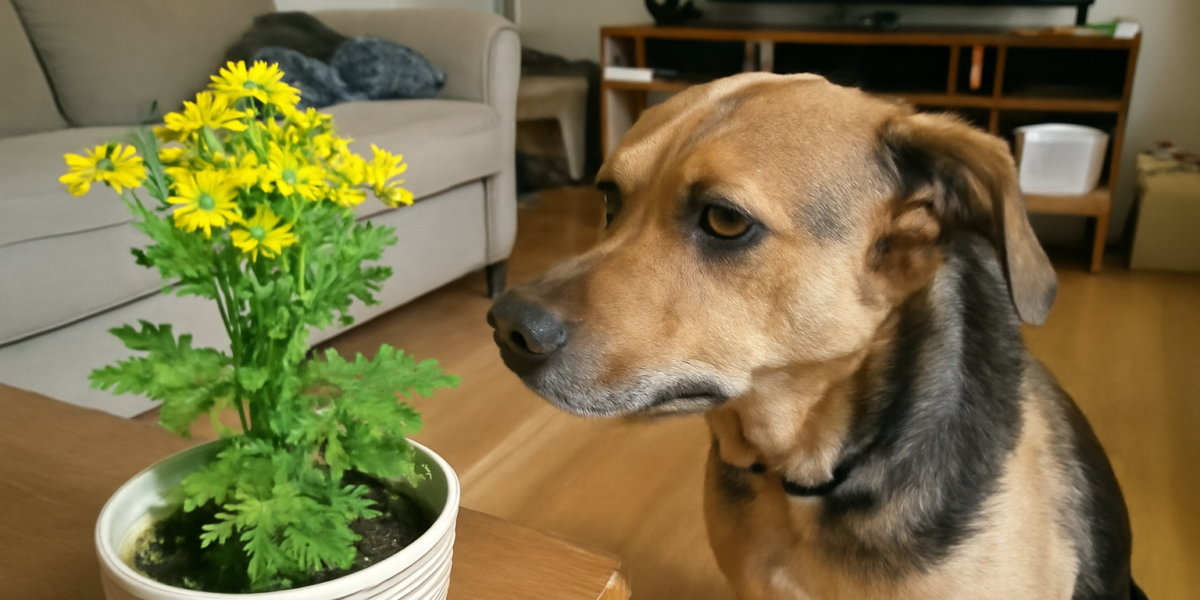
The Short Answer on Ragwort and Dogs
Yes, ragwort is toxic to dogs. The species most pet owners encounter — common ragwort (Senecio jacobaea, recently reclassified as Jacobaea vulgaris) and groundsel (Senecio vulgaris) — contain pyrrolizidine alkaloids (PAs) that damage the liver. The honest framing of the ragwort toxic dogs question is that severity depends on dose pattern, not single-bite drama. A dog that grabs one ragwort flower on a country walk is not facing acute poisoning. A pasture-dwelling dog that grazes regularly on ragwort over weeks or months is at risk for cumulative, sometimes irreversible liver damage that may not show clinical signs until significant injury has occurred.
In this article
- The Short Answer on Ragwort and Dogs
- What Ragwort Actually Is
- Pyrrolizidine Alkaloids: The Toxic Mechanism
- Why Severity Depends on Dose Pattern
- Symptoms of Chronic Ragwort Toxicity in Dogs
- Diagnosis: What the Vet Actually Looks For
- Treatment and Prognosis
- Prevention: The Most Important Tool
- Comparing Ragwort to Other Severe-Tier Plants
- What to Do If Your Dog Has Eaten Ragwort
- When to Call the Vet
- Frequently Asked Questions
This is a different kind of toxic plant warning than the lily, sago palm, or oleander conversation. With ragwort, the danger is patient and quiet. The alkaloids damage liver cells gradually. By the time a dog shows clear signs — weight loss, jaundice, neurological changes — liver injury may already be advanced. That makes prevention, not first aid, the most important tool. UK pet owners walking dogs through farmland and Australian and New Zealand owners with semi-rural properties carry the most realistic risk.
What Ragwort Actually Is
Ragwort refers to several species in the Senecio (and now Jacobaea) genus, large daisies in the Asteraceae family. Common ragwort (Senecio jacobaea / Jacobaea vulgaris) is the species famous in UK and European agricultural literature — a tall, branched plant with bright yellow daisy flowers in dense clusters and deeply divided ragged leaves. Groundsel (Senecio vulgaris) is a smaller annual cousin that pops up in disturbed soil and gardens. Tansy ragwort, narrow-leaved ragwort, and Oxford ragwort are other species with overlapping concerns.
The plants are biennial or short-lived perennials. They form a flat rosette of leaves the first year and bolt to flower in the second. They thrive in pastures, roadside verges, neglected paddocks, waste ground, and roadway cuttings. In the UK, ragwort is one of the most familiar wild plants of summer grazing land. In Australia and New Zealand, it has been a major pastoral weed since European settlement. In North America, several Senecio species are present, including the introduced tansy ragwort that has caused significant horse and cattle losses in the Pacific Northwest.
Ornamental Senecio species (Senecio rowleyanus, the string of pearls; Senecio mandraliscae, the blue chalksticks succulent; cineraria) sit in the same broad genus and contain related compounds, but the chemistry and exposure risk differ. Most pet poisoning concern in the genus focuses on the pasture-weed species, and that is what this article addresses.
Pyrrolizidine Alkaloids: The Toxic Mechanism
Ragwort produces a group of compounds called pyrrolizidine alkaloids (PAs). The two most studied in Senecio jacobaea are jacobine and senecionine, but related alkaloids exist across the genus. PAs are not acutely toxic in the way that cyanide or cardiac glycosides are. Instead, they undergo metabolic conversion in the liver to reactive intermediates (pyrroles) that bind irreversibly to proteins and DNA in liver cells.
The result is a slow, cumulative form of hepatic damage called pyrrolizidine alkaloidosis or “seneciosis” in livestock literature. Liver cells die, are replaced by fibrous tissue, and over time the liver loses functional capacity. The disease is famously known in horses, cattle, and sheep that graze ragwort-infested pastures. Dogs and cats are less commonly reported in the literature because they typically choose not to graze pasture, but cases occur, especially in working farm dogs and pets with constant outdoor pasture access.
The alkaloids retain potency in dried hay, silage, and contaminated compost, which is why agricultural advice emphasizes thorough mechanical removal rather than simply mowing. A single dog incident with fresh ragwort is unlikely to be a poisoning emergency, but the same dog returning daily to graze the same paddock is at real risk for chronic liver disease.
Why Severity Depends on Dose Pattern
Single-bite acute ragwort poisoning in dogs is rare. The plant tastes bitter, dogs typically avoid it given alternatives, and a one-time low-volume ingestion is usually metabolised without clinical consequence. This is why poison helplines and vet emergency rooms do not see a flood of acute ragwort cases despite the plant being widespread in many regions.
The cases that do present clinically are dogs with chronic, repeated, often unsupervised access. Working farm dogs, dogs allowed to roam paddocks, and dogs in households where the lawn has not been mowed for the season may quietly graze ragwort over weeks. By the time owners notice weight loss, reduced appetite, or jaundice, liver injury is established.
The cumulative-toxicity model has implications for first aid. Inducing vomiting after a one-time ragwort encounter is generally not warranted; the acute risk is low and decontamination is mostly cosmetic. The right response to a one-time ingestion is observation, communication with the vet about whether liver enzyme bloodwork is warranted, and prevention of further access. The right response to suspected long-term grazing is bloodwork and a vet exam, regardless of whether the dog appears symptomatic.
Symptoms of Chronic Ragwort Toxicity in Dogs
Pyrrolizidine alkaloidosis produces a gradual, often subtle picture. Owners frequently describe “the dog just hasn’t been right for weeks.” Look for:
- Progressive weight loss without appetite loss being dramatic
- Reduced appetite or pickier eating over time
- Yellowing of the gums, sclera (whites of eyes), or skin (jaundice)
- Dark urine or pale, clay-coloured stools
- Increased thirst and urination
- Lethargy, reduced exercise tolerance, sleeping more than normal
- Vomiting (intermittent rather than dramatic)
- Abdominal swelling (suggests fluid accumulation from advanced liver disease)
- In late-stage disease, behavioural changes, head pressing, or seizures from hepatic encephalopathy
Acute, high-dose ragwort ingestion (extremely uncommon in dogs) can produce more dramatic GI signs — vomiting, diarrhea, colic-like abdominal pain — but the systemic liver injury still develops over the following days to weeks. A dog that ate a large amount of fresh ragwort needs vet evaluation even if the immediate signs are mild.
Diagnosis: What the Vet Actually Looks For
Suspected ragwort exposure prompts a methodical workup focused on liver function:
- Full clinical exam, including assessment of mucous membrane colour and abdominal palpation
- Blood biochemistry — liver enzymes (ALT, AST, ALP, GGT), bilirubin, albumin, glucose, BUN
- Bile acids assay — a sensitive measure of liver function that can be abnormal before enzymes rise dramatically
- Coagulation profile — the liver produces clotting factors and impaired coagulation suggests advanced disease
- Abdominal imaging (ultrasound) to assess liver size, architecture, and possible secondary changes
- In some cases, liver biopsy, which is the definitive way to demonstrate the characteristic lesions of PA toxicity
The honest reality of diagnosis is that pyrrolizidine alkaloidosis can mimic other chronic liver diseases, and definitive proof is often clinical (history of pasture access plus consistent labs and imaging) rather than histopathological. A dog with known ragwort access plus rising liver enzymes and abnormal bile acids is treated as PA-affected even without biopsy in many cases.
Treatment and Prognosis
There is no specific antidote for pyrrolizidine alkaloid liver damage. The reactive metabolites bind irreversibly, so what is done is done by the time clinical disease appears. Treatment is supportive and aimed at protecting remaining liver function, managing complications, and preventing further alkaloid exposure.
Common interventions include intravenous fluids for dehydration, anti-nausea medication, hepatoprotective agents (S-adenosylmethionine / SAMe, silybin, vitamin E in some protocols), nutritional support with appropriate diet, and, in severe cases, plasma transfusion for coagulopathy. The dog must be kept entirely away from ragwort going forward.
Prognosis depends on how much functional liver tissue remains. Dogs caught early with mild changes and prompt removal from exposure can recover substantially. Dogs with established cirrhosis-like changes have a much harder course. We deliberately avoid percentage-survival figures because the literature is mostly equine and varies widely. Your vet, with bloodwork and imaging in hand, can give you a realistic prognosis for your specific dog.
Prevention: The Most Important Tool
Prevention is dramatically more useful than treatment for ragwort. Practical steps:
- Identify ragwort in your area. Common ragwort has bright yellow daisy flowers in dense clusters, ragged toothed leaves, and tall flowering stems up to 1 metre. Photograph and confirm with a local plant ID service if uncertain.
- Mechanically remove plants. Wear gloves and a long-sleeved shirt. Pull at the base, including the root rosette where possible. Do not just cut off the flowers — that does not address regrowth.
- Bag and bin removed plants, or hot-compost them in a managed pile. Do not leave wilted ragwort accessible to grazing animals; PA potency is preserved in dry plant material.
- Repeat through the growing season. Ragwort is biennial and seedlings keep emerging from the soil seedbank.
- Monitor pasture and paddock areas where dogs spend time. Working farm dogs, kennel dogs with paddock runs, and pets at semi-rural homes need active prevention.
- Do not include ragwort in compost intended for vegetable gardens; PAs persist and can transfer to root crops at low levels.
The UK has had specific legislation on ragwort control (the Ragwort Control Act 2003 and the related Code of Practice) reflecting the seriousness of the problem in equine pastures. We mention this as context; landowner obligations vary by region and over time, and we will not invent specific clauses or fine amounts.
Comparing Ragwort to Other Severe-Tier Plants
Ragwort sits in a different severity category from acute-emergency toxic plants. Foxglove, with its cardiac glycoside chemistry, can cause life-threatening arrhythmias from a small ingestion. Yew is famously dangerous from minimal volumes. Rhododendron and its grayanotoxin chemistry can produce severe symptoms within hours of ingestion. These are acute emergencies.
Ragwort is a chronic-toxicity plant. The decision-tree differs. After acute high-dose ingestion of any of those plants, decontamination matters; after a one-time ragwort ingestion, decontamination is unlikely to change outcome and prevention of future grazing matters more. Both still warrant a vet call.
If you live in an area where multiple of these plants might be encountered — UK farmland with both ragwort and foxglove in hedgerows, for example — the prudent approach is identification of all of them and active prevention of dog access. Our roundup of pet-safe garden plants covers safer alternatives for residential planting.
What to Do If Your Dog Has Eaten Ragwort
For a one-time, observed ragwort ingestion:
- Stop further access. Remove the dog from the paddock or hedgerow. Block return access if possible.
- Do not induce vomiting at home. The acute risk is modest and the chronic risk is not affected by gastric emptying.
- Call your veterinarian and describe the species, the amount, and when it happened. The vet may recommend nothing more than monitoring, baseline liver enzymes, or supportive measures depending on the volume.
- Phone consult with the ASPCA APCC at 888-426-4435 (consultation fee) or the Pet Poison Helpline at 855-764-7661 (consultation fee) for a second opinion if you cannot reach your usual vet.
- Plan immediate prevention: identify the ragwort source and remove it.
For suspected chronic grazing (you discover a dog has had unsupervised access to ragwort-infested pasture for weeks): book a vet visit even if the dog appears well. Bloodwork including liver enzymes and bile acids is the right baseline. Catching subclinical liver injury early gives the best chance of recovery.
When to Call the Vet
Call the clinic if you see any of the following in a dog with possible ragwort exposure history:
- Yellowing of gums, eye whites, or skin (jaundice)
- Persistent weight loss without obvious cause
- Reduced appetite over weeks
- Dark urine or pale stools
- Lethargy, reduced exercise tolerance, sleeping more than normal
- Behavioural changes, confusion, head pressing, or seizures
- Abdominal swelling
- Any large acute ingestion of fresh ragwort, even if symptoms are absent
For after-hours questions, the ASPCA APCC at 888-426-4435 and the Pet Poison Helpline at 855-764-7661 are 24-hour services. For working dogs with regular paddock access, a baseline annual liver-function bloodwork is reasonable preventive medicine. Talk to your vet about local risk if you are unsure. Our dog adoption guide includes home and yard preparation tips that can help new owners spot pasture-weed risks before they become a problem.
Frequently Asked Questions
Will my dog die if it eats one ragwort flower?
Almost certainly not. Single, observed, low-volume ragwort ingestion rarely produces acute clinical poisoning. The realistic risk is cumulative liver damage from repeated grazing over weeks or months. Stop further access, call your vet, and consider baseline bloodwork if you are concerned.
How quickly do ragwort toxicity symptoms appear?
The disease is chronic. Symptoms typically appear weeks to months after sustained grazing, not within hours of a single bite. By the time clinical signs (weight loss, jaundice, lethargy) appear, significant liver injury may already be present, which is why prevention matters more than first-aid response.
Is dried ragwort in hay still dangerous?
Yes. Pyrrolizidine alkaloids retain potency in dried plant material, hay, silage, and even contaminated compost. This is why agricultural advice focuses on physical removal rather than mowing or letting plants wilt in place.
Are ornamental Senecio plants like string of pearls dangerous?
Ornamental Senecio species sit in the same genus and contain related compounds, but the toxicity profile and exposure risk are different. Many are listed by the ASPCA as toxic for mild-to-moderate GI signs. Pasture ragwort (S. jacobaea and relatives) is the species with documented chronic hepatic disease in livestock and at-risk dogs.
How can I check whether my dog has been grazing ragwort?
Watch the dog’s behaviour in pasture areas, walk the property to identify yellow-flowered Asteraceae weeds, and ask your vet about a liver-enzyme blood panel if you have any concern. Subclinical liver injury can be picked up on routine bloodwork before clinical signs appear.


