
Last updated: May 6, 2026
In this article
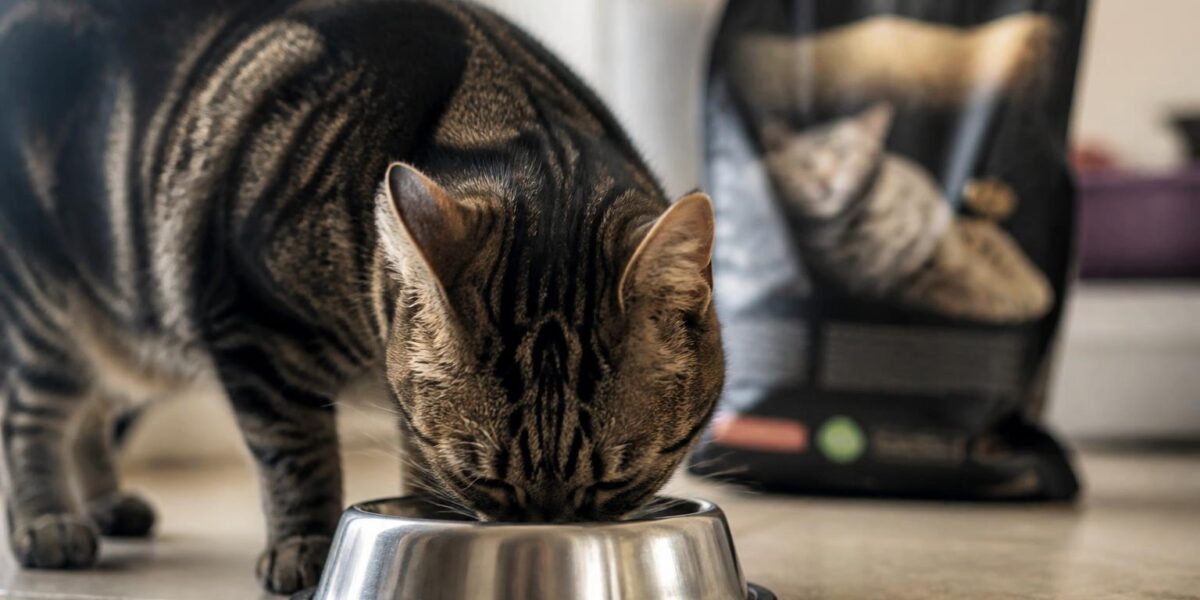
Kittens grow at a remarkable pace. In their first year of life, they go from tiny, helpless newborns to agile, curious young cats — and every ounce of that growth depends on the nutrition you provide. Choosing the best cat food for kittens is not just about picking the most expensive brand or the one with the most appealing packaging. It is about understanding what a developing feline body actually needs and making sure every meal supports healthy bones, strong muscles, a robust immune system, and sharp cognitive function.
Why Kittens Need Specialized Food
Kittens have nutritional requirements that are fundamentally different from adult cats. Their caloric needs per pound of body weight are roughly two to three times higher than those of a fully grown cat. They need more protein to build lean muscle, more fat for energy and brain development, and specific vitamins and minerals in higher concentrations to support rapid skeletal growth.
Adult cat food simply does not provide enough of these critical nutrients in the right proportions. Feeding an adult formula to a kitten can result in stunted growth, weakened immunity, and developmental delays that may not be immediately visible but can affect the cat’s health for years. Kitten food is specifically formulated to deliver the concentrated nutrition that growing bodies demand, and it is typically available in smaller kibble sizes or softer pate textures that tiny mouths can handle easily.
The kitten growth phase is intense. Most cats reach their adult size between ten and twelve months of age, though some larger breeds like Maine Coons may continue growing until they are three or four years old. During this window, every calorie and nutrient counts.
Essential Nutrients for Growing Kittens
Understanding the nutritional building blocks that kittens need allows you to make informed choices rather than guessing in the pet food aisle.
Protein. Cats are obligate carnivores, which means they require animal-based protein as the foundation of their diet. Kittens need a minimum of 30 percent protein on a dry matter basis, though many premium kitten formulas provide 35 to 45 percent. Named animal proteins like chicken, turkey, salmon, and duck should appear as the first ingredients. Unlike dogs, cats cannot efficiently convert plant proteins into the amino acids they need, so meat-based sources are essential.
Taurine. This amino acid is arguably the most important nutrient in a cat’s diet. Cats cannot synthesize taurine on their own and must get it from food. Taurine deficiency can cause serious heart problems, vision loss, and reproductive failure. All quality kitten foods include adequate taurine, but it is worth checking the guaranteed analysis or ingredient list to confirm its presence.
Fat and DHA. Kittens need dietary fat for energy, hormone production, and the absorption of fat-soluble vitamins. DHA, an omega-3 fatty acid commonly derived from fish oil, supports brain development and visual acuity. Look for kitten foods that list DHA or fish oil as a specific ingredient rather than relying on generic “animal fat.”
Calcium and phosphorus. These minerals are essential for bone and tooth development. They must be present in a balanced ratio — typically around 1.2:1 calcium to phosphorus — to ensure proper absorption and prevent skeletal abnormalities.
Vitamins A, D, and E. Vitamin A supports vision and immune function but must come from animal sources since cats cannot convert beta-carotene from plants into usable vitamin A. Vitamin D is necessary for calcium absorption, and vitamin E acts as an antioxidant that protects cells from damage.
Moisture. Cats have a naturally low thirst drive, a trait inherited from their desert-dwelling ancestors. Kittens that eat primarily dry food may not drink enough water to stay properly hydrated. Incorporating wet food into a kitten’s diet helps address this. For more on this topic, our comparison of wet versus dry cat food breaks down the pros and cons of each format.
How to Choose the Right Kitten Food
With hundreds of kitten food options available, a clear selection process saves time and prevents costly mistakes.
Check the AAFCO statement. Every kitten food should carry a statement confirming it is “complete and balanced for growth” or “for all life stages.” This ensures the formula meets minimum nutritional standards established by the Association of American Feed Control Officials. Without this statement, the food may be nutritionally incomplete.
Prioritize animal protein. The first one or two ingredients should be named animal proteins — chicken, turkey, fish, or beef — not grains, by-products, or plant-based fillers. Meal forms like “chicken meal” are acceptable and actually contain more protein by weight than whole chicken because the water has been removed.
Avoid artificial additives. Artificial colors, flavors, and chemical preservatives like BHA, BHT, and ethoxyquin have no nutritional value and may pose health risks over time. Natural preservatives such as mixed tocopherols and rosemary extract are safer alternatives.
Consider your kitten’s preferences. Some kittens prefer pate-style wet food, others like shredded textures, and some take readily to dry kibble. Offering a variety of textures during kittenhood can prevent pickiness later in life and ensures your cat will accept different food formats if dietary changes become necessary.
Ask your veterinarian. Your vet knows your kitten’s specific health status and can recommend brands or formulas that address any individual needs, such as sensitive digestion or food sensitivities. If your kitten shows signs of digestive issues, probiotics for cats may also be worth discussing.
Feeding Schedules for Kittens
Kittens need to eat more frequently than adult cats because their small stomachs cannot hold large meals, but their energy requirements are very high relative to their body size.
Four to eight weeks. Kittens are typically weaning from their mother’s milk during this period. Introduce a high-quality kitten food softened with warm water or kitten milk replacer. Offer food four to six times per day in small portions. The transition from milk to solid food should be gradual over two to three weeks.
Eight weeks to four months. By eight weeks, most kittens are fully weaned and eating solid food. Feed four meals per day, spacing them evenly throughout the day. At this stage, kittens are growing fastest and have the highest caloric needs relative to their size.
Four to six months. You can reduce to three meals per day as your kitten’s stomach capacity increases and growth rate begins to slow slightly. Continue monitoring weight and adjusting portions at each veterinary visit.
Six to twelve months. Most kittens can transition to two meals per day by six months. This feeding schedule works well for most cats throughout adulthood. Some owners prefer measured meals while others use timed feeders — either approach works as long as total daily intake is controlled.
Portion guidelines. Follow the feeding recommendations on your kitten food packaging as a starting point, then adjust based on your kitten’s body condition. A healthy kitten should have a slight tuck at the waist, and you should be able to feel the ribs without excessive padding. Kittens that are gaining too much weight too quickly should have portions reduced, while underweight kittens may need more frequent meals or a higher-calorie formula.
Wet Food Versus Dry Food for Kittens
Both wet and dry kitten food can be part of a healthy diet, and many veterinarians recommend a combination of both.
Wet food advantages. Higher moisture content supports hydration and urinary health — a significant consideration for cats, which are prone to urinary tract issues later in life. Wet food is also more palatable for most kittens, making it easier to ensure adequate caloric intake during critical growth phases. The softer texture is gentler on developing teeth and gums.
Dry food advantages. Kibble is more convenient to store and serve, costs less per calorie, and can be left out longer without spoiling. Some studies suggest the crunchy texture may help reduce tartar buildup, though this benefit is debated. Dry food also makes portion control simpler since it is easy to measure precise amounts.
Mixed feeding. Offering dry kibble as a base with wet food toppers or alternating between wet and dry meals gives kittens the benefits of both formats. This approach also exposes kittens to different textures early in life, which can prevent the kind of extreme food pickiness that some adult cats develop.
Common Kitten Feeding Mistakes
Avoiding these frequent errors will keep your kitten on a healthy growth trajectory.
Feeding dog food. Dog food lacks the taurine, arachidonic acid, and protein levels that cats require. Even occasional feeding of dog food can cause nutritional deficiencies in kittens. Always keep cat and dog food separate if you have both species in your home.
Offering cow’s milk. Despite the popular image of kittens lapping up a saucer of milk, most cats are lactose intolerant. Cow’s milk frequently causes diarrhea, stomach cramps, and dehydration in kittens. If a milk supplement is needed for orphaned kittens, use a commercially prepared kitten milk replacer.
Free-feeding without monitoring. While kittens under four months old can generally self-regulate their intake, older kittens may overeat if food is constantly available. Measured meals prevent excessive weight gain and allow you to notice appetite changes that might signal illness.
Ignoring dental health. Starting good oral care habits during kittenhood — including offering some crunchy food and scheduling veterinary dental checks — helps prevent the dental disease that affects a majority of cats by age three.
Abrupt food transitions. Switching foods suddenly almost always causes digestive upset. When changing brands or formulas, transition gradually over seven to ten days by mixing increasing amounts of the new food with decreasing amounts of the old food.
Frequently Asked Questions
When should I switch my kitten to adult cat food?
Most kittens can transition to adult cat food between ten and twelve months of age. Larger breeds like Maine Coons and Ragdolls may benefit from staying on kitten food until eighteen months or longer. Your veterinarian can advise the best timing based on your cat’s breed, weight, and growth pattern.
How many calories does a kitten need per day?
Kittens generally need between 200 and 300 calories per day, though exact requirements vary by age, weight, and activity level. Very young kittens under four months may need closer to 60 to 65 calories per pound of body weight per day, while older kittens approaching adulthood need less. Your kitten food packaging and your veterinarian can provide specific guidance.
Can kittens eat raw food?
Raw diets for kittens carry significant risks, including bacterial contamination with salmonella and E. coli, parasitic infections, and nutritional imbalances. Kittens have developing immune systems that are more vulnerable to foodborne pathogens. Most veterinary organizations advise against raw feeding for kittens, and if you are interested in a raw diet for an adult cat, consult your vet first.
What should I do if my kitten refuses to eat?
A kitten that refuses food for more than twelve to twenty-four hours needs veterinary attention. Kittens can develop hepatic lipidosis, a serious liver condition, very quickly when they stop eating. Try warming the food slightly to enhance its aroma, offering a different flavor or texture, or hand-feeding small amounts. If none of these strategies work, contact your vet promptly.
Is it okay to give kittens treats?
Yes, but treats should make up no more than ten percent of a kitten’s daily caloric intake. Choose treats specifically formulated for kittens or cats, and avoid human foods that may be toxic to cats, such as onions, garlic, chocolate, grapes, and anything containing xylitol. Use treats primarily as training rewards rather than everyday snacks.
Do kittens need supplements?
If you are feeding a complete and balanced kitten food that meets AAFCO standards, supplementation is generally unnecessary. Adding vitamins or minerals to an already balanced diet can cause harmful excesses. The exception is if your veterinarian identifies a specific deficiency or health condition requiring supplementation.


