Last updated: May 4, 2026
In this article
Bullmastiff Overview
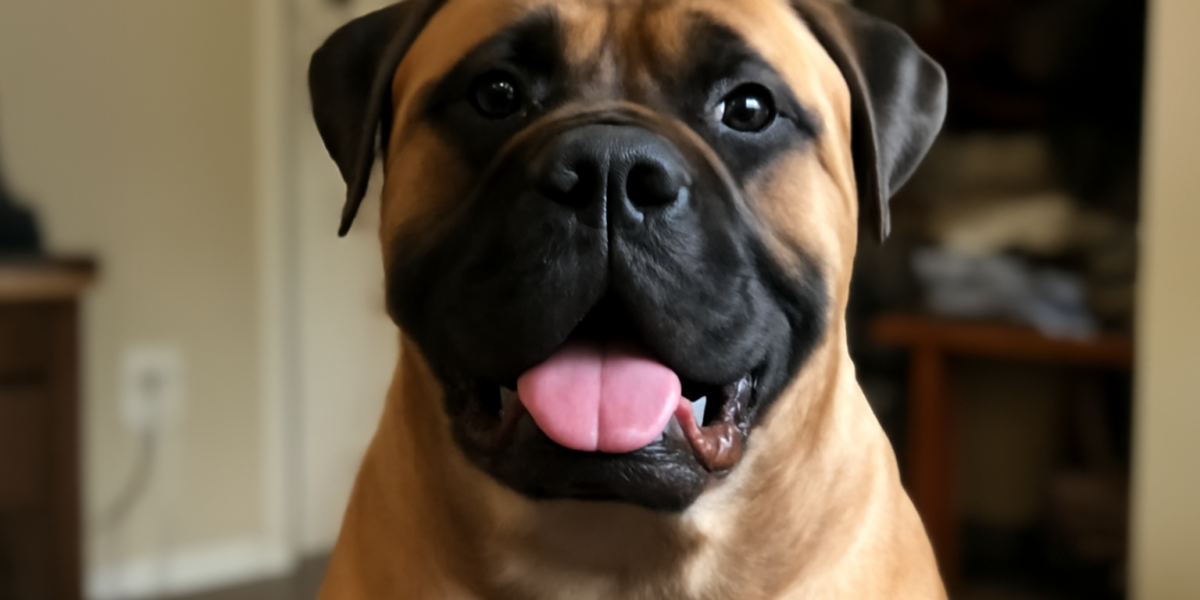
This Bullmastiff breed profile covers a powerful but characteristically calm English Mastiff-type developed in the nineteenth century to help gamekeepers track and apprehend poachers on large country estates. Unlike many Mastiff cousins, the Bullmastiff was not bred to maul; the working standard was “find, knock down, and hold” without serious harm. That selection pressure produced the steady, controlled temperament that defines the modern breed.
The Bullmastiff was created by crossing the larger English Mastiff with the now-extinct Old English Bulldog, aiming for a dog with the size to overpower a man and the courage to face a poacher with a gun, but the temperament to release on command. By the 1920s the breed was stabilized and recognized by the Kennel Club. Today it is a steady family companion with serious guardian instincts and a manageable energy level.
Quick facts: large to giant size, working group, short coat, lifespan generally in the seven-to-nine-year range, moderate exercise needs, low grooming, drool present but less than Neapolitan or Saint Bernard, capable-owner-only breed. Heat sensitivity due to brachycephalic muzzle.
Temperament and Personality
Bullmastiffs are confident, affectionate with family, and naturally protective without being reactive. They are typically quiet in the home, content to lie near their people, and reluctant to bark without genuine reason. When they do alert, owners pay attention; the bark is deep and the silence after it is loaded.
With strangers they are reserved but not hostile. A well-socialized Bullmastiff accepts visitors the family welcomes, watches new arrivals carefully, and settles when the situation is calm. Without socialization they can become suspicious or territorial in ways that create real problems.
With family they are devoted, often forming a particularly strong bond with one person. They are typically gentle with children they grow up with, though the size and weight mean supervision matters with toddlers. Same-sex dog tolerance varies by individual; opposite-sex pairings are usually easier in multi-dog households.
Size and Appearance
Adult males stand twenty-five to twenty-seven inches at the shoulder and weigh one hundred ten to one hundred thirty pounds. Females are slightly smaller. The build is heavily muscled but more compact than a Neapolitan, with a broad head, dark mask, and powerful jaws.
The coat is short, dense, and weather-resistant. Acceptable colors are fawn, red, and brindle, all with a black mask. The body is square in proportion, the chest deep, and the tail is set high and tapered. The wrinkles are present but far less extreme than in the Neapolitan.
Bullmastiffs are physically powerful in a way that pet owners sometimes underestimate. A casual lean against a person’s leg can knock over a small adult. Leash training and impulse control from puppyhood are essential because adult body weight cannot be muscled around once the dog has decided where it is going.
Exercise and Activity Needs
Bullmastiffs are calm but not couch potatoes. Plan on two moderate walks per day, plus access to a securely fenced yard. Total daily exercise is around forty-five to sixty minutes for a healthy adult. They enjoy strolling more than running and tend to set a deliberate pace rather than charging.
Puppy exercise needs careful management because the long growth phase makes joints vulnerable. Forced running, repetitive jumping, and stair work should be limited until the dog is past eighteen months. Free-form play on soft surfaces is the safest activity.
Heat tolerance is poor due to the brachycephalic muzzle. Walks should be scheduled for cool morning or evening hours in summer, with shade and water access guaranteed. Air-conditioning is not optional in hot climates. Heat stroke kills mastiff-type dogs every year, and the warning signs can develop quickly.
Grooming and Care
The short coat is among the easiest grooming jobs in the giant-breed world. Weekly brushing with a rubber curry or soft slicker handles loose hair, with slightly more attention during seasonal sheds. Bathing is occasional, every six to eight weeks or as needed.
The face wrinkles and dewlap need wiping a few times per week to prevent moisture buildup and skin infections. The drool is real but more manageable than the Neapolitan’s; expect drips after drinking and during anticipation of food rather than constant flinging.
Nail trims every two to three weeks, ear checks weekly, and dental care from puppyhood are baseline maintenance. The dropped ears can trap moisture, so checking for odor or redness catches infections early. Talk to a veterinarian about a dental routine that works for the dog’s temperament.
Health and Lifespan
Bullmastiff health is typical of giant breeds. Lifespan is generally seven to nine years, sometimes a bit longer with excellent care. Owners should go in expecting a shorter time than with smaller breeds and treasuring the years they have.
Major concerns include hip and elbow dysplasia, gastric dilatation-volvulus, and several cancers including osteosarcoma and lymphoma. Cardiac issues including subaortic stenosis and dilated cardiomyopathy appear in the breed. Bloat is the most acute emergency; our bloat guide covers what to watch for and prophylactic gastropexy considerations.
Eye conditions including entropion and ectropion appear, and skin fold dermatitis can develop without consistent wrinkle care. Reputable breeders screen with OFA or CHIC and share results. Rescue Bullmastiffs benefit from a baseline veterinary workup early in their new home.
Gamekeeper Origins and Modern Development
The Bullmastiff was a working tool before it was a show breed. Nineteenth-century English country estates faced a serious poaching problem, with organized gangs targeting deer and game birds at night. Estate gamekeepers needed a dog large enough to physically stop a poacher, brave enough to face armed intruders, and controlled enough to release a captive without seriously injuring him. The crossbreeding program that produced the Bullmastiff aimed for a sixty-percent Mastiff, forty-percent Bulldog ratio, balancing size against agility and bite control against fearlessness.
The breed name “gamekeeper’s night dog” survives in older texts. Dogs were trained to track a poacher silently, knock him to the ground, and hold him until the gamekeeper arrived. The job required restraint as much as power, and it shaped a temperament that is unusually thoughtful for a guardian breed. By the time the Kennel Club recognized the Bullmastiff in 1924, the country-estate poaching problem was fading, and the breed transitioned into a family guardian role that still defines it today. Modern Bullmastiffs in working homes are rare, but the original temperament traits remain visible in well-bred dogs.
Daily Life with a Bullmastiff
A typical Bullmastiff day starts with a calm morning walk, includes long stretches of indoor relaxation near the family, and ends with a slightly longer evening walk and quiet time on a comfortable bed. They are not constantly active, not pacing or restless, and their default state is watchful rest. Owners often describe them as the most relaxed giant breed they have lived with.
The size still shapes everything. Cars need cargo space, vet tables need to accommodate the dog, and gates and crates need to be giant-breed-rated. Stairs become harder as the dog ages and joint issues develop, so many owners plan early for ground-floor sleeping arrangements and ramps for vehicle access. Beds need to be supportive enough to prevent pressure sores on the elbows and hocks, and orthopedic dog beds are worth the cost.
The protective instinct is real but managed. A Bullmastiff who lives in a thoughtful household with clear visitor protocols rarely escalates beyond a deep alert bark and a calm assessment. Households that want a dog who eagerly greets every visitor at the door, who happily plays with stranger children at the park, or who tolerates constant unpredictable household traffic should look at different breeds. Reading our guide on why rescues require fenced yards covers practical containment expectations for guardian breeds.
Adopting a Bullmastiff from Rescue
Bullmastiffs reach rescue through several paths: owner medical or financial crisis, family changes, breeder retirement of older dogs, and behavioral surrenders from owners who underestimated the protective instincts. Surrender ages cluster at two to four (when the guardian behavior matures and overwhelms an unprepared family) and at seven to nine (when health issues stress the family budget).
Mastiff-specific rescues exist in most regions and have far better insight into the breed than general-population shelters. They will typically have the dog evaluated for protectiveness, dog tolerance, kid friendliness, and any known medical issues. Ask for veterinary records, behavioral notes from the foster home, and any history of resource guarding or visitor reactivity. A foster-based placement is usually a better starting point than a kennel-stressed dog, because guardian breeds present very differently in a home than in a shelter run.
Behavioral rehabilitation in a Bullmastiff rescue typically focuses on building trust, establishing routine, and slowly introducing the new family to the dog’s protective instincts. Force-free training works well; harsh handling damages the bond and increases reactivity. Most adopted Bullmastiffs settle into a thoughtful family within two to three months and become deeply attached within six. Reading our adopting an adult dog overview sets useful expectations.
Is the Bullmastiff Right for You?
Bullmastiffs suit experienced large-breed owners who want a calm, devoted companion with serious guardian instincts. They thrive in homes with steady routines, moderate activity, and one or two primary humans. They struggle in chaotic households, hot climates without climate control, and sedentary settings where socialization is neglected.
If you are exploring rescue, our guide to adopting a rescue mastiff walks through what to expect from rescue-track giant breeds. The 3-3-3 rule and decompression period guidance apply with extra weight to giant adoptees because their stress responses can be physically larger and more intimidating.
Compare with related mastiff types: Neapolitan Mastiff, Boerboel, and Cane Corso are all in the molosser family with different temperaments. The Saint Bernard profile is also a useful comparison for giant-breed living. Browse current listings at our adopt-a-dog hub.
Frequently Asked Questions
Are Bullmastiffs aggressive?
A well-bred, well-socialized Bullmastiff is confident and protective, not indiscriminately aggressive. They are watchful with strangers and serious if they perceive a real threat. The breed was selected for control, not maul.
How much do Bullmastiffs drool?
Less than Neapolitan Mastiffs or Saint Bernards, but more than a Lab or Shepherd. Expect drips after drinking, food anticipation, and head shakes. A drool rag in the kitchen is realistic.
What is the Bullmastiff lifespan?
Typically seven to nine years. Some reach the early teens with excellent care and good genetics; some are lost earlier to cancer, bloat, or cardiac issues. Plan emotionally and financially for the giant-breed reality.
Can Bullmastiffs live with kids?
With family children they grow up around, yes, they are typically patient and gentle. Their size means supervision with toddlers matters, and very young children should not be left alone with any dog regardless of breed.
Are Bullmastiffs banned by insurance or HOAs?
Sometimes. Mastiff-type breeds appear on some homeowner insurance exclusion lists and HOA restricted-breed lists. Check your specific policy and community rules before adopting.
Looking to adopt a Bullmastiff Breed Profile?
Browse Bullmastiff Breed Profile dogs and mixes available for adoption from shelters and rescues near you.
Find Bullmastiff Breed Profile Dogs for Adoption