
Last updated: March 31, 2026
In this article
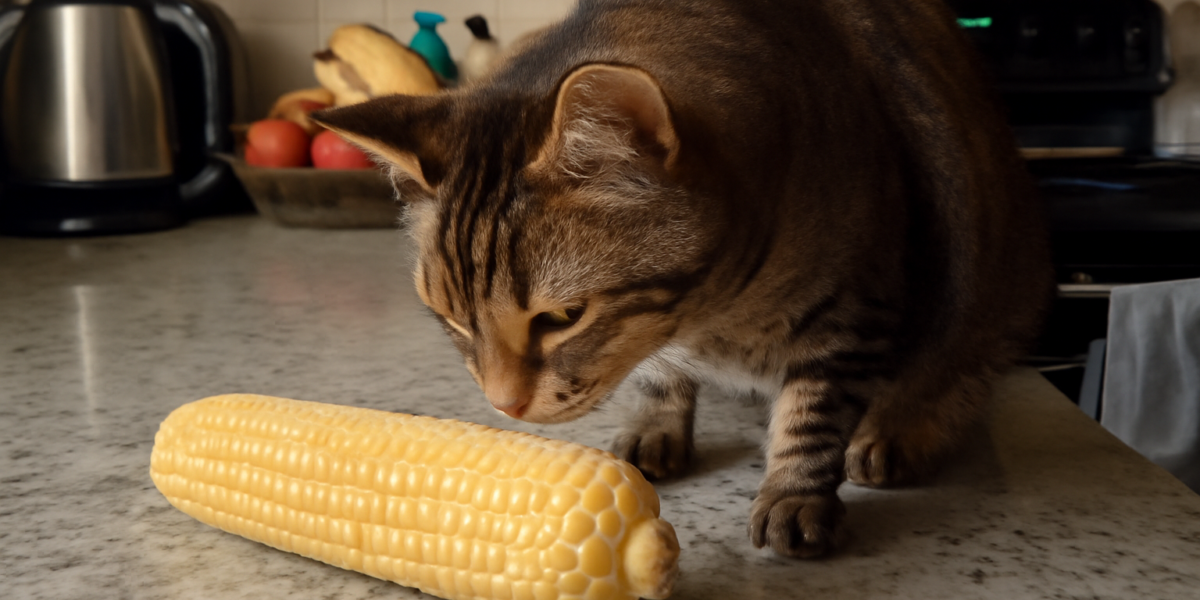
Can Cats Eat Corn on the Cob?
Cats are known for their finicky eating habits, leading pet owners to frequently question the safety of human foods for their feline friends. A common inquiry is whether cats can eat corn on the cob. The short answer is yes, cats can eat corn, but there are important considerations to ensure it is safe for them.
Is Corn On The Cob Safe for Cats?
While corn itself is not toxic to cats, corn on the cob presents potential hazards. The cob can be a choking hazard or cause intestinal blockages if ingested. It’s crucial to only offer the corn kernels to your cat and avoid letting them chew on the cob.
Nutritional Benefits
Corn is a source of carbohydrates and some essential nutrients, such as fiber, which can support a cat’s digestive health. However, cats are obligate carnivores, meaning their primary nutritional needs are met through proteins and fats found in meat. Corn should not be a staple in their diet but can be an occasional treat.
Risks and Side Effects
Feeding corn on the cob to cats involves several risks. Beyond choking hazards from the cob, corn can sometimes cause allergic reactions in cats, including digestive upset or skin issues. Additionally, corn is high in carbohydrates, which are not a necessary component of a cat’s diet and can lead to weight gain if consumed in excess.
How to Serve Corn On The Cob to Your Cat
If you decide to give your cat corn, ensure it is cooked and removed from the cob. Avoid adding butter, salt, or other seasonings that could be harmful to cats. Serve only a small amount to test your cat’s tolerance. You can mix a few kernels with their regular cat food to gauge their reaction.
For more tips on feeding your cat human foods, check out our article on Can Cats Eat Corn?.
How Much Is Safe?
The key to safely feeding corn to cats is moderation. Offer corn as an occasional treat rather than a regular part of their diet. A teaspoon-sized serving once in a while should be sufficient for most cats. Monitor your cat for any adverse reactions when introducing new foods.
Signs of an Adverse Reaction
If your cat shows signs of an allergic reaction, such as vomiting, diarrhea, or swelling, discontinue feeding corn immediately and consult your veterinarian. Other signs to watch for include changes in behavior, appetite, or energy levels.
For more information on what foods are safe for cats, you might find our article on Can Cats Eat Cooked Eggs? helpful.
Frequently Asked Questions
Can kittens eat corn on the cob?
Kittens should not be given corn on the cob due to the risk of choking and digestive issues. Their diets should focus on specially formulated kitten food for proper growth and development.
Is popcorn safe for cats?
Plain, air-popped popcorn is generally safe for cats in small amounts, but avoid giving them popcorn with butter, salt, or other toppings. For more, read our guide on Can Cats Eat Popcorn?.
What should I do if my cat eats corn on the cob?
If your cat eats corn on the cob, monitor them for signs of choking or intestinal blockage, such as vomiting or abdominal discomfort. Seek veterinary assistance if any concerning symptoms occur.
Are there any vegetables that are safe for cats?
Some vegetables, like zucchini and carrots, can be safe for cats in small amounts. Always introduce new foods gradually and observe for any adverse reactions. Consult with your vet for personalized advice.


