
Last updated: March 31, 2026
In this article
Can Cats Eat Corn? What Cat Owners Need to Know
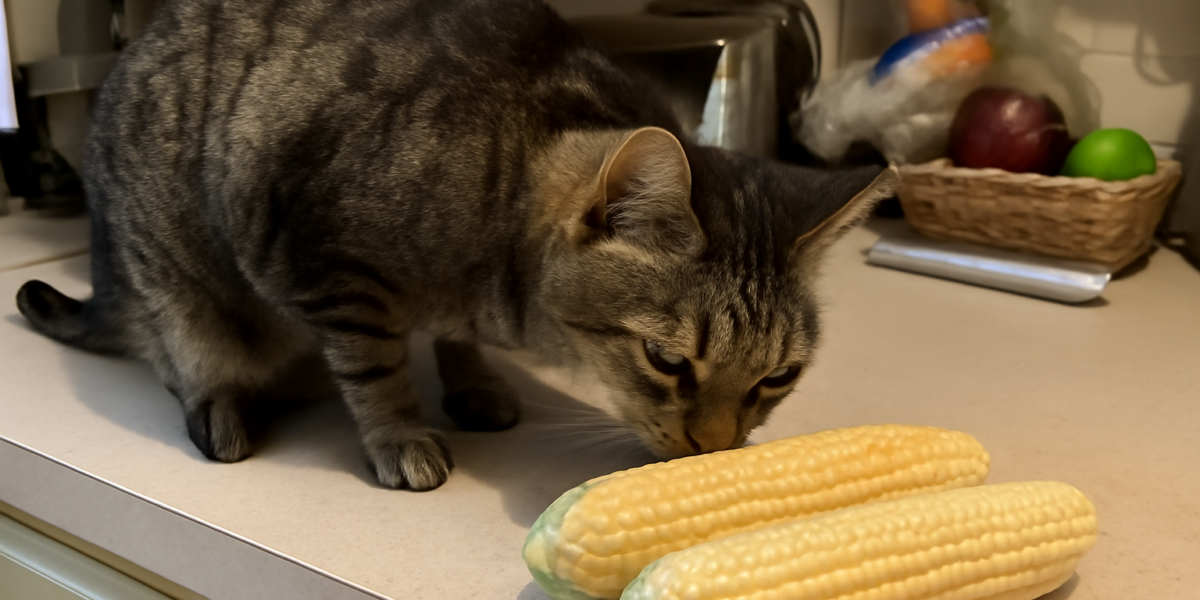
Corn shows up everywhere in our kitchens, from fresh ears of corn on the cob to canned corn, popcorn, and corn-based snacks. With its sweet flavor and widespread availability, it’s natural to wonder whether your cat can safely enjoy a kernel or two. Can cats eat corn? The short answer is that plain, cooked corn is not toxic to cats and is unlikely to cause harm in small amounts. However, it offers minimal nutritional benefit for felines and shouldn’t be a regular part of their diet.
As obligate carnivores, cats have evolved to derive their essential nutrition from animal-based proteins and fats. Their digestive systems are simply not designed to efficiently process plant-based foods like corn. While a few kernels won’t hurt most cats, understanding why corn is less than ideal for feline nutrition can help you make better treat choices for your furry companion. Let’s explore the full picture.
Is Corn Safe for Cats?
Plain, cooked corn kernels are safe for cats in small quantities. Corn is not on any list of foods toxic to cats, and you’ll actually find corn or corn-derived ingredients (like corn gluten meal or cornstarch) listed on the ingredient labels of many commercial cat foods. This demonstrates that corn is generally recognized as safe for feline consumption, though its inclusion in commercial foods is more about providing affordable carbohydrates and binding agents than about meeting cats’ nutritional needs.
The safety of corn for your cat depends largely on the form it takes and how it’s prepared. Here’s a quick breakdown of common corn forms and their safety.
Plain cooked corn kernels: Safe in small amounts. Whether boiled, steamed, or cut from a cooked cob, plain corn kernels without any butter, salt, or seasoning are the safest way to share corn with your cat.
Corn on the cob: The kernels are fine, but the cob itself is dangerous. Corn cobs are a serious choking hazard and can cause intestinal blockages if your cat chews off and swallows pieces. Never let your cat gnaw on a corn cob.
Canned corn: Often contains added salt and sometimes sugar, which are not ideal for cats. If you want to share canned corn, choose a no-salt-added variety and rinse it thoroughly before offering a few kernels.
Popcorn: Plain, air-popped popcorn without butter, salt, or flavoring is technically safe for cats in tiny amounts. However, unpopped kernels are a choking and dental hazard, and the fluffy shape of popcorn can also be difficult for cats to manage. Most flavored popcorn contains butter, oil, salt, or artificial seasonings that aren’t appropriate for cats.
Corn chips, tortillas, and processed corn products: These are not recommended for cats. They typically contain high levels of salt, oil, and other additives that can cause digestive upset and are nutritionally inappropriate for felines.
For information about another grain that cats can eat, see our article on whether cats can eat rice.
Nutritional Value of Corn for Cats
While corn has a respectable nutritional profile for humans, its value for cats is quite limited due to the fundamental differences between human and feline metabolism. Let’s examine what corn contains and how relevant those nutrients are for your cat.
Carbohydrates: Corn is primarily a carbohydrate source, with starch being its main component. Cats have a limited ability to digest and metabolize carbohydrates compared to omnivores like dogs and humans. Their digestive systems produce lower levels of the enzyme amylase, which breaks down starch, and their livers are optimized for gluconeogenesis (producing glucose from protein) rather than processing dietary carbohydrates. While cats can utilize some carbohydrates for energy, they don’t need them, and excessive carbohydrate intake can contribute to weight gain and metabolic stress.
Protein: Corn does contain some protein, but it’s an incomplete protein source for cats. It lacks adequate amounts of several essential amino acids that cats require, most notably taurine and arginine. Plant-based proteins are also less bioavailable to cats than animal-based proteins, meaning cats extract and absorb less usable protein from corn than from meat, poultry, or fish.
Fiber: Corn provides dietary fiber, which can support digestive regularity. A small amount of fiber can be beneficial for cats, particularly those prone to constipation or hairballs. However, there are better fiber sources for cats, such as pumpkin, which provides more soluble fiber and is easier to digest.
Vitamins and minerals: Corn contains B vitamins (particularly thiamine and folate), vitamin C, magnesium, phosphorus, and zinc. While these are all nutrients that cats need, cats typically get them in adequate amounts from their balanced commercial cat food, which provides these nutrients in forms that are more bioavailable for felines.
Linoleic acid: Corn is a source of linoleic acid, an essential omega-6 fatty acid that cats need for skin and coat health. This is actually one of the more relevant nutritional contributions corn can make to a feline diet, though cats generally get sufficient linoleic acid from the fat in their regular food.
How to Serve Corn to Your Cat
If you decide to offer your cat a taste of corn, proper preparation ensures the experience is safe and pleasant.
Cook the corn: Always serve corn cooked rather than raw. Raw corn kernels are tough and difficult for cats to chew and digest. Cooking softens the kernels and makes the nutrients more accessible. Steaming or boiling are the best methods, as they don’t require any added fat.
Keep it plain: Never add butter, oil, salt, pepper, garlic, onion, or any other seasoning to corn intended for your cat. Butter and oil add unnecessary fat and calories. Salt can contribute to sodium overload. Garlic and onion are toxic to cats and can cause hemolytic anemia even in small amounts.
Remove from the cob: Always cut or scrape kernels off the cob before offering corn to your cat. Corn cobs are a serious hazard, as pieces can become lodged in the throat or intestinal tract, potentially requiring surgical removal.
Offer individual kernels: Rather than dumping a pile of corn on a plate, offer your cat individual kernels or a small cluster of a few kernels. This prevents overindulgence and allows you to monitor how your cat handles the food. Some cats may chew kernels thoroughly, while others might try to swallow them whole, which increases the risk of choking.
Mash if necessary: For older cats, cats with dental issues, or particularly enthusiastic eaters that tend to gulp food, consider mashing the cooked corn kernels slightly before serving. This makes them easier to eat and digest and reduces choking risk.
Introduce gradually: If your cat has never eaten corn before, start with just one or two kernels and wait to see how they react over the next 24 hours. Look for signs of digestive upset like vomiting, diarrhea, or excessive gas before offering more.
Portion Sizes and How Often to Offer Corn
Corn should be considered an occasional novelty treat at most, not a dietary staple or regular supplement. Here are appropriate portion guidelines.
Small cats (under 8 pounds): No more than five to eight individual cooked kernels per serving, offered no more than once a week. For very small cats, even less is appropriate.
Average cats (8-12 pounds): A tablespoon or so of cooked corn kernels per serving, no more than once or twice a week. This is roughly 10 to 15 kernels, which is enough for your cat to enjoy the experience without overloading on carbohydrates.
Large cats (over 12 pounds): Up to one and a half to two tablespoons of cooked corn kernels per serving, once or twice a week at most.
Remember the 10% rule: all treats combined should make up no more than 10% of your cat’s total daily caloric intake. A tablespoon of corn kernels contains approximately 15 to 20 calories, which is a modest but not insignificant contribution to a cat’s daily calorie budget of roughly 200 to 300 calories.
It’s also worth mentioning that many cats simply aren’t interested in corn. Cats are driven by protein-rich, meaty flavors and aromas, and a plain corn kernel may not hold much appeal for them. Don’t force the issue if your cat turns their nose up at corn. There are plenty of other treats that are more nutritionally appropriate and more likely to be appreciated.
Potential Risks and Adverse Reactions
While corn isn’t dangerous for cats in small amounts, there are several risks to keep in mind.
Corn allergies and sensitivities: Corn is one of the more common food allergens in cats, though true food allergies are relatively uncommon overall. Cats with a corn allergy may exhibit skin-related symptoms including itching, redness, rashes, excessive grooming or scratching, and recurrent ear infections. Gastrointestinal symptoms like vomiting, diarrhea, and excessive gas may also occur. If you suspect your cat has a corn allergy, talk to your veterinarian about an elimination diet to confirm the diagnosis. For more on this topic, see our article about cat food allergies.
Weight gain and obesity: Corn is a calorie-dense carbohydrate that can contribute to weight gain if fed regularly or in large amounts. Feline obesity is a serious and growing health concern, affecting over half of domestic cats. It increases the risk of diabetes, joint disease, urinary problems, and reduced lifespan. Cats that are already overweight or on calorie-restricted diets should not be given corn or other carbohydrate-heavy treats.
Digestive upset: Some cats may experience gas, bloating, soft stools, or diarrhea after eating corn, even if they don’t have a true allergy. This is often related to the difficulty cats have digesting carbohydrates and plant-based fiber. If your cat consistently shows digestive discomfort after eating corn, it’s best to discontinue it.
Corn cob obstruction: This bears repeating because it’s the most serious physical risk associated with corn and cats. Corn cobs, or pieces of cobs, can cause life-threatening intestinal blockages. Symptoms of intestinal obstruction include repeated vomiting, loss of appetite, abdominal pain, lethargy, inability to defecate, and progressive decline. This is a surgical emergency. Never leave corn cobs within reach of your cat, and dispose of them securely.
Mycotoxins: Corn can be contaminated with mycotoxins, toxic compounds produced by certain molds that grow on grain crops. Aflatoxin and fumonisin are the most concerning mycotoxins found in corn. While the levels in food-grade corn intended for human consumption are regulated and generally very low, it’s something to be aware of, especially if you’re sourcing corn from less regulated sources. Commercial cat foods that contain corn are typically tested for mycotoxin levels.
For a vegetable that provides more nutritional value for cats, explore our guide on whether cats can eat green beans.
When to Call the Veterinarian
Most cats that eat a small amount of plain cooked corn will be perfectly fine. However, seek veterinary attention in these situations.
Contact your veterinarian immediately if your cat has chewed on or swallowed pieces of a corn cob. Even small pieces can cause intestinal blockage, which is a surgical emergency. Don’t wait for symptoms to appear; early intervention is critical.
Call your vet if your cat shows signs of a food allergy after eating corn, such as hives, facial swelling, intense itching, or difficulty breathing. While mild itching might resolve on its own, more severe reactions require medical treatment.
Reach out to your veterinarian if your cat develops persistent digestive symptoms after eating corn, such as vomiting or diarrhea lasting more than 24 hours, bloody stools, or significant lethargy. These could indicate a more serious issue beyond simple dietary upset.
Contact your vet if your cat consumed a large amount of corn that was heavily buttered, salted, or seasoned. Excessive salt can cause sodium ion toxicity, and garlic or onion seasonings are directly toxic to cats.
Frequently Asked Questions
Can cats eat popcorn?
Plain, air-popped popcorn without any butter, salt, oil, or flavoring is not toxic to cats, and a single piece is unlikely to cause harm. However, popcorn is not a recommended treat for cats for several reasons. Unpopped or partially popped kernels are a choking hazard and can damage teeth. The irregular shape of popped kernels can also be difficult for cats to manage, and some cats may try to swallow pieces that are too large. Flavored popcorn, including buttered, salted, caramel, cheese, or kettle corn varieties, contains additives that are not appropriate for cats. If your cat snatches a single plain popped kernel off the floor, there’s no need to worry, but it’s not something you should intentionally offer as a treat.
Is corn in commercial cat food bad for my cat?
The inclusion of corn in commercial cat food is a debated topic among pet nutrition experts and cat owners. Corn and corn-derived ingredients like corn gluten meal, ground corn, and cornstarch are commonly used in many mainstream cat food brands. They serve as affordable sources of energy, protein supplementation, and binding agents that help kibble maintain its shape. When used as part of a complete and balanced formulation that meets AAFCO (Association of American Feed Control Officials) standards, corn-containing cat foods can provide adequate nutrition for most cats. However, some nutritionists argue that cats, as obligate carnivores, benefit most from diets that are higher in animal-based protein and lower in plant-based carbohydrates. If you’re concerned about the corn content in your cat’s food, discuss your options with your veterinarian, who can recommend a diet that best suits your individual cat’s health needs.
My cat loves corn. Can I use it as a regular treat?
If your cat genuinely enjoys corn and tolerates it well without any digestive issues, using it as an occasional treat is fine. However, it shouldn’t become a daily habit or a significant part of their diet. Limit corn treats to once or twice a week in small amounts, no more than a tablespoon of cooked kernels, and make sure it doesn’t displace more nutritious treat options. Cats benefit most from protein-rich treats like small pieces of cooked chicken, fish, or commercial cat treats that are formulated with feline nutrition in mind. If your cat is particularly fond of the texture or crunch of corn kernels, consider offering freeze-dried meat treats, which provide a satisfying crumbly texture along with the animal-based protein cats actually need. Variety is always a good approach to treating, as it ensures your cat gets a range of nutrients and reduces the risk of developing a sensitivity to any single food.


