
Last updated: March 31, 2026
In this article
Can Cats Eat Zucchini? Your Complete Guide to This Summer Squash
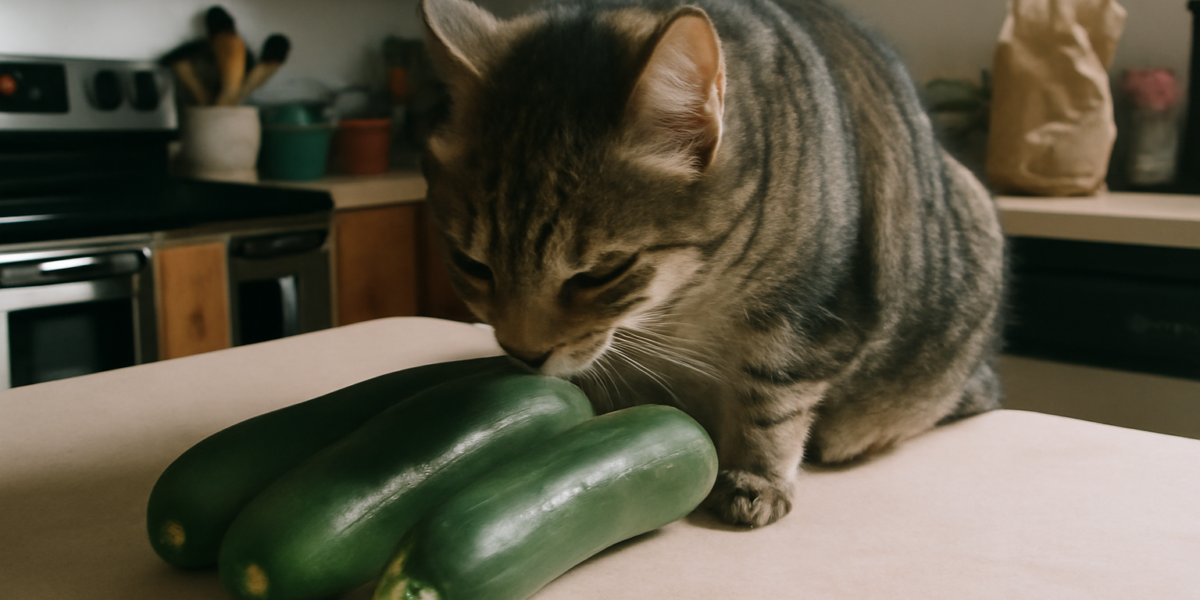
Zucchini is one of those wonderfully versatile vegetables that seems to find its way into everything during summer months, from stir-fries and pasta dishes to baked goods and salads. If your cat has shown interest in this mild-flavored squash while you are preparing dinner, you are probably wondering whether it is safe to share. Can cats eat zucchini, and does it offer any benefits for felines?
The good news is that zucchini is one of the safer vegetables you can offer your cat. It is non-toxic, low in calories, gentle on the digestive system, and does not carry many of the risks associated with other vegetables like onions or garlic. In fact, some commercial cat foods even include zucchini as an ingredient.
That said, cats are obligate carnivores whose nutritional needs are best met through animal-based proteins. Zucchini should only ever serve as an occasional treat, not a dietary staple. In this guide, we will cover everything you need to know about feeding zucchini to your cat, from nutritional benefits and preparation methods to portion guidelines, potential risks, and answers to the most common questions.
Is Zucchini Safe for Cats?
Yes, zucchini is safe for cats to eat in moderation. It is not listed among toxic plants or foods for cats by the ASPCA, and it does not contain any compounds that are known to be harmful to felines. This makes zucchini a relatively low-risk vegetable option if you want to offer your cat an occasional plant-based treat.
Zucchini belongs to the Cucurbitaceae family, which also includes cucumbers, pumpkins, and other squashes. Most members of this plant family are considered safe for cats, which gives zucchini a solid safety profile compared to some other vegetables that carry more specific risks.
One of the things that makes zucchini particularly cat-friendly is its mild flavor and soft texture when cooked. Cats can be quite particular about taste and texture, and zucchini’s gentle, almost neutral taste makes it less likely to cause digestive irritation than stronger-flavored vegetables. The high water content of zucchini is also beneficial, as it can contribute to hydration, which is particularly valuable for cats that do not drink enough water on their own.
The safety of zucchini does come with the standard caveats that apply to any human food given to cats. It must be prepared properly, meaning no seasonings, oils, or other additives. It should be given in appropriate portions that do not displace nutritionally complete cat food. And it should be introduced gradually to monitor for any individual sensitivities or adverse reactions.
If your cat enjoys the mild taste and texture of zucchini, they may also be interested in similar vegetables. You can learn more about other safe options like cucumber and green beans, both of which share some of zucchini’s appealing qualities for felines.
Nutritional Benefits of Zucchini for Cats
While cats do not need vegetables in their diet, zucchini does offer some nutritional elements that can provide modest supplementary benefits when offered as an occasional treat.
Water content is perhaps the most significant benefit of zucchini for cats. Zucchini is composed of approximately 95 percent water, making it one of the most hydrating vegetables available. Many cats, especially those that eat primarily dry food, do not consume enough water throughout the day. Chronic mild dehydration can contribute to urinary tract issues and kidney problems over time. A small serving of zucchini can help boost your cat’s fluid intake in an enjoyable way.
The fiber content of zucchini, while modest, can support digestive health. Fiber helps promote regular bowel movements and can be beneficial for cats that experience occasional constipation. It can also contribute to a feeling of fullness, which may be helpful for cats on weight management programs. However, too much fiber can cause the opposite problem and lead to loose stools, so moderation is important.
Zucchini is very low in calories, with roughly 17 calories per 100 grams of raw zucchini. This makes it an excellent treat option for cats that need to watch their weight. Compared to many commercial cat treats that can be calorie-dense, a small piece of zucchini offers a satisfying snack without significantly impacting daily caloric intake.
Vitamins present in zucchini include vitamin C, vitamin B6, and vitamin A in the form of beta-carotene. As mentioned, cats produce their own vitamin C and cannot efficiently convert beta-carotene to vitamin A, so these vitamins are of limited direct value. Vitamin B6 supports brain function, immune health, and amino acid metabolism, and cats can utilize this vitamin from plant sources.
Minerals in zucchini include potassium, manganese, and magnesium. Potassium supports heart and muscle function, manganese contributes to bone health and metabolism, and magnesium plays a role in nerve and muscle function. While these minerals are present in small amounts, they can contribute to your cat’s overall nutrient intake in a complementary way.
Antioxidants found in zucchini, particularly in the skin, include lutein and zeaxanthin, which are associated with eye health. While the research on these specific antioxidants in cats is limited, they are generally considered beneficial and some premium cat foods include them as added ingredients.
How to Prepare Zucchini for Your Cat
Preparing zucchini for your cat is straightforward, but following proper guidelines ensures the safest and most enjoyable experience for your feline friend.
Both raw and cooked zucchini are safe for cats, but cooked zucchini is generally the better option. Cooking softens the vegetable, making it easier to chew and digest. Steaming is the ideal cooking method because it preserves the most nutrients while achieving the desired soft texture. Boiling works as well, though some water-soluble nutrients will leach into the cooking water. Baking is another acceptable option.
If you choose to offer raw zucchini, cut it into very small, thin pieces that your cat can easily manage. Raw zucchini is firmer than cooked, and larger pieces could pose a choking risk, especially for cats that eat enthusiastically without much chewing. Grating raw zucchini and mixing it into wet cat food is a good way to introduce it in a safe and palatable form.
Always wash the zucchini thoroughly before preparation to remove any pesticide residue, dirt, or wax coating. Organic zucchini is preferable when available, as it reduces concerns about chemical exposure. The skin of the zucchini is safe for cats to eat and contains beneficial nutrients and fiber, so you do not need to peel it unless your cat seems to prefer it that way.
Never add seasonings, salt, oil, butter, garlic, onion, or any other flavoring to zucchini intended for your cat. Plain is the only way to go. This means that zucchini from your own plate is usually not suitable for sharing unless it was set aside before any seasoning or cooking fat was added.
Cut the cooked zucchini into small, bite-sized pieces appropriate for your cat’s size. For most cats, pieces about the size of a pea work well. Some cats prefer their zucchini mashed or pureed and mixed into their regular food, which can be a good strategy for introducing this new food gradually.
Remove any seeds from larger, more mature zucchini. Young, small zucchini have tiny, soft seeds that are perfectly fine for cats, but larger, more mature specimens can have larger, tougher seeds that may be harder to digest. When in doubt, scoop out the seed area and offer only the flesh.
Portion Sizes and How Often to Feed Zucchini
Even though zucchini is one of the safer vegetables for cats, appropriate portioning is still important. Cats have small digestive systems designed primarily for processing meat, and even safe plant foods should be given in limited quantities.
A good starting portion is one to two small pieces of cooked zucchini, roughly one to two teaspoons worth. This is enough for your cat to enjoy as a treat without putting any strain on their digestive system. For the first offering, start with an even smaller amount, just a tiny piece, and wait 24 hours to see how your cat responds before offering more.
Zucchini can be offered two to three times per week without concern for most healthy cats. Its low calorie content and gentle nature make it one of the more forgiving vegetables in terms of feeding frequency. However, it should still be rotated with other treats and should not become the sole treat in your cat’s routine.
Remember that all treats combined, whether commercial cat treats, human foods, or anything else outside of regular meals, should make up no more than ten percent of your cat’s total daily caloric intake. Given zucchini’s very low calorie count, reaching this threshold with zucchini alone would require feeding a large amount, but the principle is worth keeping in mind if your cat enjoys multiple types of treats.
For overweight cats, zucchini can be an excellent treat choice precisely because of its low calorie density. Swapping out higher-calorie treats for small pieces of zucchini can help reduce overall treat calories while still providing your cat with something enjoyable to eat between meals. Some veterinarians even recommend adding a small amount of zucchini to a cat’s food to increase volume without significantly increasing calories.
If your cat is interested in vegetables, carrots are another low-calorie option that some cats enjoy, though they require thorough cooking to be safe and digestible for felines.
Potential Risks and Concerns
While zucchini is one of the safer vegetables for cats, there are still some potential risks and concerns worth discussing to give you a complete picture.
Digestive upset is possible whenever any new food is introduced, and zucchini is no exception. Some cats may experience mild vomiting, diarrhea, or gas after eating zucchini, particularly if they eat too much or if it is their first time trying it. These symptoms are usually temporary and resolve on their own, but they are a sign to reduce the amount or frequency of zucchini offerings.
Bitter zucchini is a rare but important concern. Occasionally, zucchini and other members of the cucurbit family can develop high levels of cucurbitacins, toxic compounds that give the vegetable an intensely bitter taste. This is more common in homegrown zucchini, particularly those grown near wild gourds that can cross-pollinate. Always taste a small piece of zucchini before offering it to your cat. If it tastes bitter, do not feed it to your cat or eat it yourself, as cucurbitacin poisoning can cause severe gastrointestinal symptoms in both humans and animals.
Choking is a potential risk if zucchini pieces are too large or too firm. Always cut zucchini into appropriately sized pieces for your cat, and consider cooking it to soften the texture. Supervise your cat while they eat zucchini, especially the first few times, to make sure they are managing the pieces safely.
Allergic reactions to zucchini in cats are extremely rare but theoretically possible. Signs of a food allergy include itching, skin irritation, gastrointestinal symptoms, and in severe cases, facial swelling or difficulty breathing. If you notice any unusual symptoms after your cat eats zucchini, discontinue it and consult your veterinarian.
Pesticide exposure is a concern with conventionally grown produce. While zucchini is not among the highest-pesticide crops, washing thoroughly or choosing organic can help minimize any risk. Cats are smaller than humans and potentially more sensitive to chemical residues, so taking this extra step is worthwhile.
Nutritional imbalance can occur if too much of any non-essential food displaces your cat’s regular, nutritionally complete diet. Zucchini does not provide the essential amino acids, fatty acids, and other nutrients that cats need from animal-based food sources. Keeping zucchini as a small supplement rather than a significant portion of the diet prevents this issue.
When to Consult Your Veterinarian
Most cats that eat a small amount of plain zucchini will have no problems at all. However, certain situations call for veterinary guidance or intervention.
If your cat has eaten a large quantity of zucchini, more than a few tablespoons, monitor them for digestive upset and contact your vet if symptoms develop. While zucchini is not toxic, a large amount of any food outside of a cat’s regular diet can cause gastrointestinal distress.
Seek veterinary attention if your cat ate bitter-tasting zucchini. Cucurbitacin toxicity can cause severe vomiting, diarrhea, and dehydration. If you suspect your cat consumed bitter zucchini, call your vet or animal poison control even before symptoms appear, as early intervention can help manage the condition more effectively.
Contact your vet if your cat experiences persistent vomiting, diarrhea, or loss of appetite for more than 24 hours after eating zucchini. Prolonged digestive upset can lead to dehydration and may indicate a sensitivity or underlying condition that needs professional evaluation.
Before offering zucchini to cats with diabetes, kidney disease, or other chronic health conditions, check with your veterinarian first. While zucchini is generally safe, any dietary change in a cat with a health condition should be approved by their medical team to avoid unintended interactions or complications.
If your cat shows signs of an allergic reaction, including hives, facial swelling, excessive scratching, or difficulty breathing, seek immediate veterinary care. Allergic reactions to zucchini are very rare in cats, but they can occur with any food and require prompt treatment when they do.
Frequently Asked Questions
Can cats eat zucchini skin and seeds?
Yes, zucchini skin is safe for cats to eat and actually contains beneficial nutrients and fiber. The skin does not need to be removed unless your cat has trouble digesting it or simply prefers peeled zucchini. As for seeds, the small, soft seeds found in young zucchini are safe for cats. However, larger, more developed seeds from mature zucchini can be tougher and harder to digest. If the zucchini is large and has prominent seeds, it is best to scoop them out before serving the flesh to your cat.
Is zucchini good for cats that need to lose weight?
Zucchini can be a helpful addition to a weight management plan for cats because of its very low calorie content and high water volume. Replacing higher-calorie treats with small pieces of zucchini reduces overall treat calories while still giving your cat something to enjoy. Some veterinarians suggest mixing a small amount of cooked, mashed zucchini into a cat’s food to increase the volume of the meal without significantly adding calories, which can help your cat feel more satisfied. However, weight loss in cats should always be supervised by a veterinarian, as rapid weight loss can cause a dangerous condition called hepatic lipidosis.
Can cats eat cooked zucchini from human dishes?
It depends entirely on how the zucchini was prepared. If the zucchini was steamed or boiled without any seasoning, oil, or other additives, it is fine to share with your cat. However, zucchini from stir-fries, casseroles, pasta dishes, or other recipes typically contains seasonings, oils, garlic, onion, or other ingredients that are not safe for cats. When in doubt, set aside a few plain pieces of zucchini before adding any seasonings to your own portion. This way you can share safely without worrying about hidden harmful ingredients.
How does zucchini compare to cucumber for cats?
Zucchini and cucumber are both safe, low-calorie vegetables that are well-tolerated by most cats. They have similar water content, making both good options for hydration. Cucumber tends to be slightly milder in flavor and has a crisper texture when raw, while zucchini has a slightly more substantial texture and a bit more nutritional density. Both are excellent choices for cats that enjoy vegetables, and some cats may prefer one over the other based on personal taste and texture preferences.
My cat ate a lot of raw zucchini from the garden. Should I be worried?
If the zucchini tasted normal and not bitter, your cat will most likely be fine, though they may experience some temporary digestive upset from eating more plant matter than their system is accustomed to. Monitor them for vomiting, diarrhea, or any changes in behavior over the next 24 to 48 hours. If the zucchini was bitter, contact your veterinarian immediately, as bitter taste indicates the presence of cucurbitacins, which can cause toxic reactions. Also consider whether the garden zucchini was treated with any pesticides or fertilizers that could be harmful to your cat.


