
Last updated: April 9, 2026
In this article
Can Cats Eat Squash? A Comprehensive Guide for Cat Owners
Squash is a staple in many kitchens, appearing in everything from soups and side dishes to holiday pies. With so many varieties available year-round, it is only natural to wonder whether your curious cat can safely nibble on a piece. While cats are obligate carnivores and do not need vegetables in their diet, certain plant foods can offer modest benefits when served as an occasional supplement.
The good news is that squash is generally safe for cats and can even provide some nutritional perks. However, not all squash preparations are appropriate for felines, and there are important guidelines to follow when introducing this food. In this article, we will explore which types of squash are safe, how to prepare them, what benefits they offer, and what risks to be aware of.
Is Squash Safe for Cats?
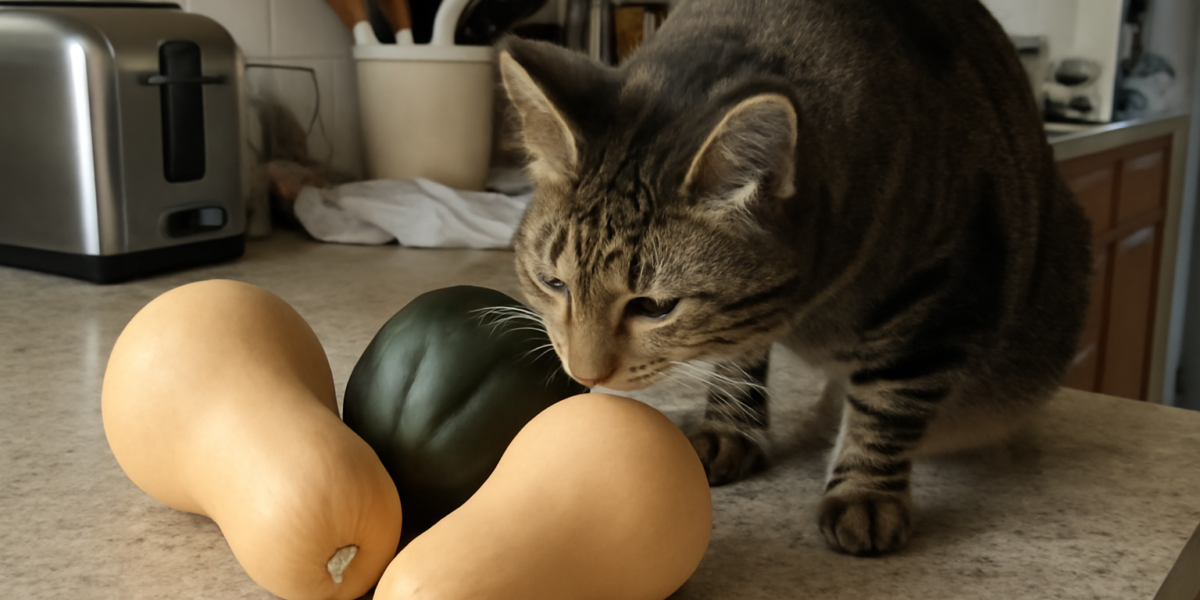
Yes, most varieties of squash are safe for cats to eat in small quantities when cooked properly. This includes both summer squash varieties like zucchini and yellow squash, as well as winter squash varieties like butternut squash, acorn squash, and spaghetti squash. The flesh of these squash types is non-toxic to cats and can be offered as an occasional treat or dietary supplement.
It is important to understand that while squash is safe, it is not a necessary part of a cat’s diet. Cats are obligate carnivores, meaning their digestive systems are optimized for processing animal-based proteins and fats. They lack certain enzymes that herbivores and omnivores use to efficiently break down plant matter, so vegetables like squash should never be a significant portion of their diet.
That said, small amounts of cooked squash can provide supplementary fiber, vitamins, and moisture that some cats may benefit from, particularly those dealing with digestive issues or weight management. The key is to treat squash as a minor addition to an already balanced, meat-based diet rather than a dietary cornerstone.
One variety to be cautious about is decorative or ornamental gourds, which are technically in the squash family but may have bitter compounds called cucurbitacins that can cause gastrointestinal irritation. Stick to culinary squash varieties from the grocery store or farmers market to be safe.
Nutritional Benefits of Squash for Cats
While cats derive most of their essential nutrients from animal sources, squash does offer several compounds that can complement a balanced feline diet.
Dietary fiber: This is perhaps the most valuable benefit squash offers cats. The soluble and insoluble fiber in squash can help regulate digestion, promote healthy bowel movements, and support gut health. For cats that struggle with constipation, a small amount of cooked squash can act as a gentle, natural stool softener. For cats with mild diarrhea, the fiber can help add bulk and firm up loose stools.
Moisture content: Squash has a high water content, particularly when cooked. This can be beneficial for cats that do not drink enough water on their own, which is a common issue among felines. Adequate hydration supports kidney function, urinary tract health, and overall metabolic processes.
Beta-carotene and vitamin A: Orange-fleshed squash varieties like butternut and acorn are rich in beta-carotene, which the body can convert to vitamin A. While cats are not efficient converters of beta-carotene compared to dogs or humans, they can still derive some benefit. Vitamin A is important for vision, immune function, and skin health in cats.
Potassium: Squash contains meaningful amounts of potassium, an electrolyte that supports proper muscle function, nerve signaling, and fluid balance. While cats get most of their potassium from their regular diet, the additional amount from squash is a nice bonus.
Low calorie density: For cats that need to lose weight or maintain a healthy weight, squash is an excellent treat option because it is very low in calories. A tablespoon of cooked butternut squash contains only about 10 to 15 calories, making it a satisfying snack that will not contribute to weight gain.
If your cat enjoys vegetables, you might also want to explore whether can cats eat pumpkin, which is closely related to squash and offers similar benefits, particularly for digestive support.
Best Types of Squash for Cats
Not all squash is created equal when it comes to feline nutrition and palatability. Here is a breakdown of the most common varieties and how well they work for cats.
Butternut squash: This is one of the best squash options for cats. It has a smooth, creamy texture when cooked that most cats find palatable, and it is rich in fiber, beta-carotene, and potassium. Its natural sweetness makes it appealing to many cats, though the sweetness comes from natural sugars that should be consumed in moderation.
Acorn squash: Another excellent choice, acorn squash offers a similar nutritional profile to butternut squash with a slightly firmer texture. It is rich in fiber and vitamins and is easy to prepare by simply roasting and scooping out the flesh.
Spaghetti squash: This variety has a milder flavor and a unique stringy texture that some cats enjoy. It is lower in sugar than butternut or acorn squash and provides good fiber content. The strands can be fun for cats to eat and provide a different textural experience.
Zucchini: As a summer squash, zucchini is very mild in flavor and extremely low in calories. It has a high water content, making it a good hydration supplement. Its soft texture when cooked makes it easy for cats to eat. For more details, check out our article on can cats eat zucchini.
Yellow squash: Similar to zucchini in nutritional profile and preparation, yellow summer squash is another safe and gentle option for cats. It is mild, easy to digest, and low in calories.
Pumpkin: Technically a type of squash, pumpkin is widely recognized as one of the best vegetable supplements for cats, particularly for digestive health. Plain, cooked pumpkin or canned pure pumpkin (not pumpkin pie filling) is a veterinarian-recommended remedy for both constipation and mild diarrhea in cats.
How to Prepare Squash for Your Cat
Proper preparation is essential to ensure that squash is safe, digestible, and appealing to your cat. Raw squash is difficult for cats to chew and digest, so cooking is always recommended.
Wash thoroughly: Begin by washing the exterior of the squash to remove any dirt, pesticide residue, or wax coatings. Even though you will be removing the skin, it is good practice to start with a clean surface.
Remove seeds and skin: Squash seeds are not toxic to cats, but they can pose a choking hazard and are difficult to digest. Remove all seeds and the stringy pulp surrounding them before cooking. The skin of most squash varieties is tough and fibrous, making it hard for cats to chew and digest, so it should also be removed. The exception is very thin-skinned varieties like zucchini, where the cooked skin is soft enough to be safe.
Cook until soft: Steam, boil, bake, or roast the squash until it is completely soft and easily mashable with a fork. Steaming is arguably the best method because it preserves the most nutrients while producing a soft, easy-to-eat texture. Avoid microwaving if possible, as it can create hot spots that might burn your cat’s mouth.
No seasonings or additives: Serve the squash completely plain. Do not add butter, oil, salt, sugar, cinnamon, nutmeg, or any other seasonings. Many spices commonly paired with squash, particularly nutmeg, can be toxic to cats. Plain cooked squash is all your cat needs.
Mash or puree: For most cats, mashing the cooked squash into a smooth consistency makes it easiest to eat and digest. You can also puree it with a small amount of water if needed. Some cats prefer small, soft chunks, so experiment to see what your cat likes best.
Serve at room temperature: Let the squash cool to room temperature before offering it to your cat. Hot food can burn a cat’s mouth and tongue, and most cats prefer food that is closer to body temperature anyway.
Portion Sizes and Feeding Frequency
Because squash is not a nutritional necessity for cats, portions should be kept small and infrequent. Overfeeding squash or any vegetable can displace the animal-based foods that provide the essential nutrients your cat truly needs.
A good starting point is one teaspoon of mashed, cooked squash for an average adult cat. You can offer this amount once or twice per week as a treat or dietary supplement. If your cat tolerates it well and enjoys it, you can gradually increase to one tablespoon, but there is rarely a reason to go beyond that amount.
For cats using squash as a digestive aid, your veterinarian may recommend slightly different portions. Cats with constipation might benefit from a teaspoon of squash or pumpkin mixed into their food daily for a short period. Always follow your vet’s specific guidance in these situations.
You can also explore other vegetable options that are safe for cats. Our guides on can cats eat sweet potato and related topics can help you build a varied selection of safe supplemental foods for your feline companion.
Kittens can have tiny amounts of cooked squash, but their diets should focus almost entirely on kitten-formulated food that provides the concentrated nutrition they need for growth. Senior cats may benefit from the fiber in squash if they experience age-related constipation, but again, check with your veterinarian first.
Potential Risks and Precautions
While squash is one of the safer vegetables for cats, there are still some risks and considerations to keep in mind.
Digestive upset: Introducing any new food can cause temporary digestive disturbance in cats, including gas, bloating, soft stools, or vomiting. Start with a very small amount and increase gradually to give your cat’s digestive system time to adjust.
Sugar content: Some squash varieties, particularly butternut and other winter squashes, contain natural sugars. While these are not harmful in small amounts, cats that are diabetic or pre-diabetic should avoid squash or have their intake carefully monitored by a veterinarian. The sugar content in squash is not high enough to be a concern for healthy cats at recommended portions.
Nutritional displacement: The biggest risk of feeding too much squash is that it takes the place of meat-based foods in your cat’s diet. Squash cannot provide the animal-based protein, taurine, arachidonic acid, and other nutrients that cats require. It should always be a minor supplement, never a meal replacement.
Raw squash: Never feed raw squash to your cat. It is too hard for them to chew properly, difficult to digest, and could pose a choking risk. Always cook squash until it is soft before offering it.
Seasonings and preparations: Squash dishes prepared for humans almost always contain ingredients that are unsafe for cats. Butter, cream, garlic, onion, nutmeg, and salt are all common additions that should never be fed to felines. Only offer plain, unseasoned cooked squash.
Frequently Asked Questions
Can cats eat butternut squash?
Yes, butternut squash is one of the best squash varieties for cats. It has a smooth texture when cooked, a pleasant mild flavor, and is rich in fiber and beta-carotene. Cook it until soft, remove all seeds and skin, and serve it plain in small amounts. One teaspoon to one tablespoon once or twice a week is an appropriate portion for most adult cats.
Is squash good for cats with constipation?
Squash can be helpful for cats dealing with mild constipation. The fiber and moisture content in cooked squash can help soften stools and promote more regular bowel movements. Pumpkin is the most commonly recommended squash for this purpose, but butternut squash and other varieties can also be effective. Start with a teaspoon mixed into your cat’s food and consult your veterinarian if the constipation persists or recurs frequently.
Can cats eat raw squash?
No, you should not feed raw squash to your cat. Raw squash is too hard for cats to chew safely, poses a choking risk, and is much more difficult for their digestive systems to process. Always cook squash until it is completely soft before offering it to your cat. Steaming, boiling, baking, and roasting are all acceptable cooking methods as long as no seasonings are added.
How much squash can I give my cat?
For an average adult cat, one teaspoon to one tablespoon of cooked, mashed squash once or twice a week is an appropriate amount. Squash should not make up more than a small fraction of your cat’s overall diet, as cats need meat-based nutrition to thrive. Always introduce squash gradually, starting with a small taste, and watch for any signs of digestive upset before increasing the portion.


