
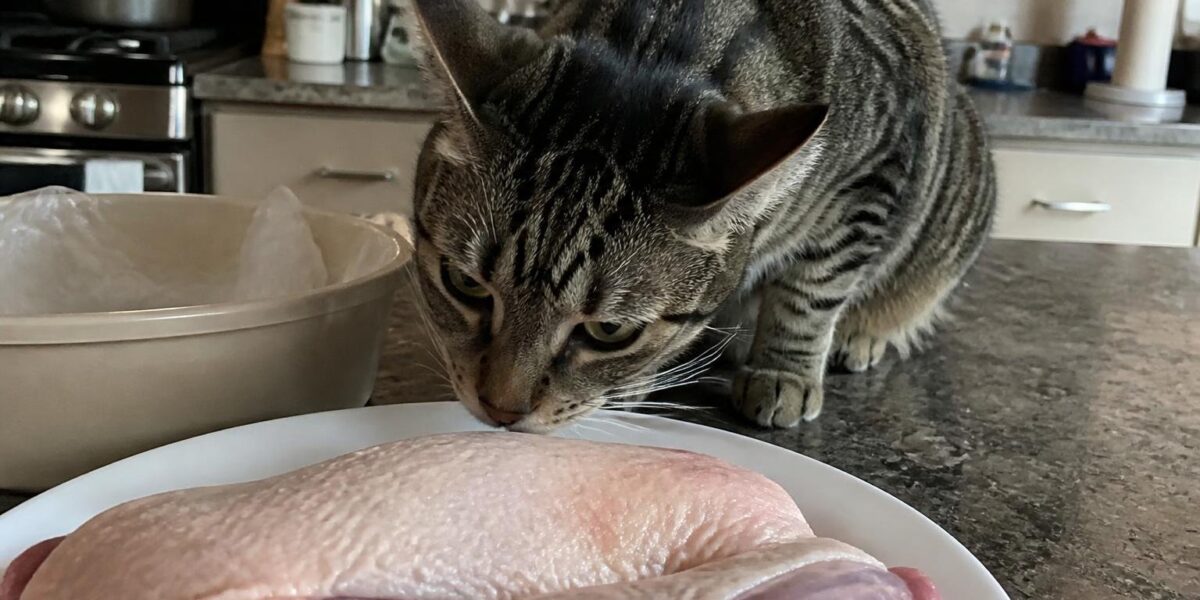
The Short Answer
Can cats eat duck breast? Yes. Plain, cooked, lean duck breast is safe for cats and makes an excellent high-protein treat when offered in moderation. Cats are obligate carnivores, so a well-prepared meat like duck fits naturally into their diet. The key is keeping it plain, fully cooked, and trimmed of excess fat and skin.
In this article
Duck is actually a common ingredient in commercial cat foods, often used in limited-ingredient diets for cats with food sensitivities. That makes it a familiar and well-tolerated protein for most felines. If your cat enjoys the smell of duck cooking, sharing a small unseasoned piece is a perfectly reasonable treat as long as you prepare it the right way.
Is Duck Breast Safe for Cats?
Duck breast is non-toxic and species-appropriate for cats. As a meat, it provides the animal protein and amino acids that cats must get from their diet. Among poultry cuts, the breast is leaner than the leg or thigh, which makes it one of the better choices for a treat.
The main cautions are fat, skin, and seasoning. Duck skin is very fatty, and rich, fatty foods can trigger digestive upset or even pancreatitis in sensitive cats. Seasonings like salt, garlic, and onion are harmful, so only plain duck should ever be shared. Restaurant and home-cooked duck is often glazed with orange sauce, hoisin, or other sweet and salty mixtures, all of which are unsuitable for cats.
Bones are another concern. Cooked poultry bones can splinter and cause choking or internal injury, so always remove every bone before serving. Stick to clean, boneless meat to keep your cat safe.
It is also worth distinguishing wild or game duck from the farmed duck breast sold for cooking. Wild duck can carry lead shot from hunting, as well as a higher parasite load, and is not something to share with a cat. The duck breast you buy at a grocery store or butcher, cooked through at home without seasoning, is the only version that belongs in this safe category. As with all poultry, fully cooking the meat is what neutralizes the bacteria that raw duck can harbor.
Nutritional Benefits of Duck for Cats
Duck breast offers genuine nutritional value for an obligate carnivore:
- High-quality protein: Supports muscle maintenance and overall health.
- Essential amino acids: Including taurine, which cats need for heart and eye function.
- Iron and B vitamins: Help with energy, metabolism, and healthy blood.
- Novel protein option: Useful for cats with chicken or beef sensitivities.
- Zinc and selenium: Trace minerals that support immune health.
While these benefits are real, duck breast should still be a treat, not a meal replacement. A complete, balanced cat food is needed to provide every nutrient in the right proportions, including the precise levels of taurine, vitamins, and minerals your cat requires every day. Think of duck as a flavorful supplement to that foundation rather than a substitute for it.
The reason duck appears so often in limited-ingredient and prescription diets is that it counts as a novel protein for many cats. A cat that has eaten chicken, beef, or fish for years may develop a food sensitivity to those familiar proteins, showing up as itchy skin, ear problems, or chronic digestive upset. Because the cat’s immune system has never been exposed to duck, switching to it can sometimes calm those reactions. This is one of the few situations where duck offers a genuine functional benefit beyond simple variety, though such diets should always be set up with a veterinarian rather than improvised at home.
How to Serve Duck Breast Safely
Preparing duck breast for your cat is simple when you keep it clean and plain:
- Trim the fat and remove the skin. This reduces the chance of stomach upset and pancreatitis.
- Cook it thoroughly. Bake, boil, or pan-cook with no oil until there is no pink remaining. Raw duck can carry bacteria like Salmonella.
- Skip all seasoning. No salt, butter, garlic, onion, or marinades.
- Cool and cut small. Slice into bite-sized pieces to prevent choking.
- Serve a small portion. A tablespoon-sized amount is plenty for most cats.
Treats, including duck, should make up no more than about 10 percent of your cat’s daily calories. Introduce duck slowly the first time, offering just a bite or two, so you can watch for any sign of digestive upset before making it a regular part of your treat rotation.
How Much Duck Breast Can a Cat Have?
Moderation is the watchword. A small amount once or twice a week is reasonable for a healthy adult cat. Because duck is richer than some other poultry, offering too much can lead to loose stools or an upset stomach. A portion roughly the size of a couple of your cat’s regular kibble pieces, or a small spoonful of shredded meat, is a sensible serving.
If your cat has a history of digestive issues, pancreatitis, or is overweight, check with your veterinarian before adding any new treat. Kittens, seniors, and cats with health conditions may have different needs, and your vet can help you tailor treats to your cat’s individual situation. Always provide fresh water alongside any meaty treat.
It also helps to keep treat days consistent rather than offering duck every time you cook it. Cats do well with routine, and a predictable treat schedule makes it easier to track how much extra food they are getting. If you notice your cat gaining weight or losing interest in their regular food, cut back on treats, since a balanced cat food should always remain the centerpiece of their diet.
Signs to Watch For After Feeding Duck
When introduced properly, duck breast rarely causes problems, but it is worth knowing what to look out for:
- Vomiting or diarrhea, which may signal the meat was too rich or fatty
- Lethargy or loss of appetite after a larger portion
- Signs of choking if a piece was too large or contained bone
If your cat shows ongoing vomiting, diarrhea lasting more than a day, or signs of abdominal pain, contact your veterinarian. These symptoms are uncommon with a small, properly prepared serving but should never be ignored if they persist.
Why Duck Skin and Fat Need Extra Caution
Duck is famous among cooks for its thick, flavorful layer of fat under the skin, and that is exactly what makes the skin the part to leave off your cat’s plate. Where lean breast meat is a clean source of protein, the rendered fat and crispy skin are concentrated grease. A cat’s pancreas and intestines are not built to process a sudden hit of that much fat, and an overindulgence can trigger vomiting, diarrhea, or in more serious cases an episode of pancreatitis.
This matters because so much of the duck people actually eat is prepared with the skin on and the fat rendered into the dish, from crispy duck breast to confit. If your cat is begging while you cook, the temptation is to hand over a bit of the most flavorful, fatty piece, but that is precisely the wrong part to share. Carve off a small portion of the lean interior meat before it touches any rendered fat or sauce, and that becomes the safe treat.
Cats who are overweight, older, or have a history of digestive sensitivity are the most vulnerable to fatty foods, and for them duck skin should be off-limits entirely. When you keep duck to plain, lean, skinless meat, you preserve all the protein benefit while sidestepping the single biggest risk the cut carries.
Other Safe Meats to Share With Your Cat
If your cat enjoys duck, there are plenty of other carnivore-friendly proteins to rotate in. You might offer plain cooked chicken or turkey, both lean and easy to digest. The leaner cut of duck itself is also a good reference for portioning and preparation.
For something different, a tiny taste of cooked frog legs can be a novelty treat. Just remember that variety should always come alongside, not instead of, a complete cat food. Rotating a few safe proteins keeps treat time interesting while protecting your cat’s balanced diet.
If you have room in your heart for another cat, our adopt a cat page is full of rescue felines hoping to find a loving home. Knowing how to feed safely is a wonderful way to prepare for a new companion.
Frequently Asked Questions
Can cats eat raw duck breast?
It is safest to avoid raw duck. Raw poultry can carry Salmonella and other bacteria that may make your cat sick. Always cook duck breast fully before serving.
Can cats eat duck skin?
Duck skin is very fatty and best left off the menu. Too much fat can cause digestive upset or pancreatitis, so stick to lean, skinless breast meat.
Is duck better than chicken for cats?
Neither is universally better. Duck is a good novel protein for cats with chicken sensitivities, while chicken is leaner and widely tolerated. Both are fine in moderation when cooked plain.
How often can I give my cat duck breast?
A small amount once or twice a week is reasonable for a healthy cat. Keep treats to about 10 percent of daily calories and consult your vet if your cat has health concerns.
Can I feed my cat duck from my dinner plate?
Only if it was cooked plain with no seasoning, sauce, or skin. Most prepared duck dishes contain salt, garlic, or sweet glazes that are unsafe, so set aside a plain piece before seasoning.
Can kittens eat duck breast?
A tiny amount of plain, fully cooked, boneless duck breast is unlikely to harm a healthy kitten, but kittens have very specific nutritional needs that only a complete kitten food can meet. Treats should be minimal at that age, so it is best to wait until your kitten is older and to check with your vet before introducing any new food.
Is canned or commercial duck cat food the same as fresh duck breast?
Not exactly. Commercial duck cat food is formulated to be complete and balanced, with added taurine, vitamins, and minerals, so it can serve as a full diet. A piece of plain fresh duck breast is only a treat and lacks that balance, so it should never replace a proper meal.


