
Last updated: April 9, 2026
In this article
Can Cats Eat Licorice? Safety Guide and Tips
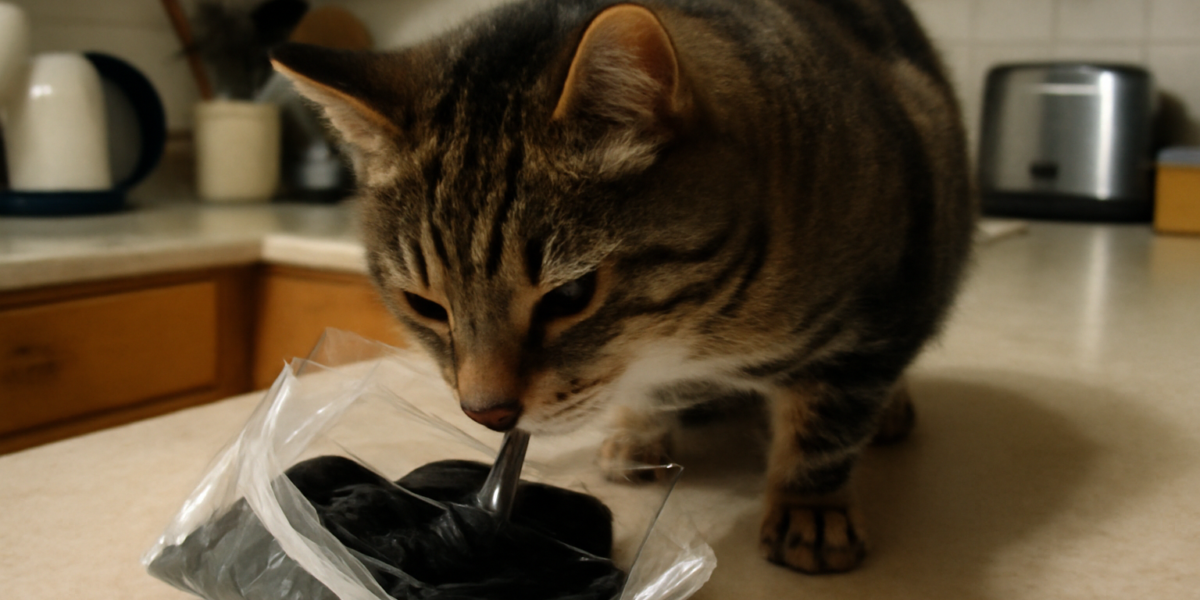
Licorice — whether you love it or hate it — is one of the most distinctive flavors in the candy aisle. From chewy black ropes to herbal tea blends, licorice shows up in many forms. If your cat has shown curiosity about a piece of licorice candy or a licorice root supplement you left on the counter, it is important to understand why this particular treat should stay firmly in the “not for cats” category.
Cats are obligate carnivores whose systems are designed to process meat, not plant-based confections. Licorice presents a unique set of concerns beyond the typical sugar and additive warnings, because the active compound in true licorice root — glycyrrhizin — can have serious physiological effects on cats, even in relatively small amounts.
Quick Answer: Can Cats Eat Licorice?
No, cats should not eat licorice in any form. Real licorice contains glycyrrhizin, a compound that can cause elevated blood pressure, potassium depletion, and fluid retention in cats. Licorice candy adds the additional concerns of high sugar content, artificial colors, and chewy textures that pose choking hazards.
It is worth distinguishing between two types of licorice products. “Real” licorice is made with extract from the Glycyrrhiza glabra plant and contains the active compound glycyrrhizin. Many mass-produced “licorice” candies, especially in North America, are actually flavored with anise oil rather than real licorice root and do not contain glycyrrhizin. However, even anise-flavored licorice candy is inappropriate for cats due to its sugar, artificial ingredients, and physical hazard as a chewy candy.
If your cat has eaten a piece of licorice, note whether it was a product containing real licorice root extract or an anise-flavored candy. In either case, monitor your cat for symptoms and contact your veterinarian for guidance, especially if the product contained real licorice or if your cat consumed more than a tiny nibble.
Nutritional Profile of Licorice
Licorice candy and licorice root have very different nutritional profiles, but both are problematic for cats. A typical serving of licorice candy (about 40 grams, or 4 to 5 pieces) contains:
- Calories: 140 kcal, primarily from sugar and corn syrup
- Sugar: 18 to 24 grams — an enormous amount for a cat
- Fat: 0.5 to 1 gram
- Carbohydrates: 32 grams
- Protein: 1 gram from wheat flour (many licorice candies contain gluten)
- Sodium: 30 to 50 milligrams
- Glycyrrhizin: Variable amounts if real licorice extract is used; this is the primary active compound of concern
Licorice root itself, when consumed as a supplement or in herbal teas, contains concentrated glycyrrhizin along with various flavonoids, coumarins, and essential oils. The glycyrrhizin content in licorice root can range from 2 to 25 percent by weight, making even small amounts of pure licorice root potentially impactful.
Glycyrrhizin works by inhibiting an enzyme called 11-beta-hydroxysteroid dehydrogenase, which normally breaks down cortisol. When this enzyme is blocked, active cortisol levels rise, leading to effects similar to excessive corticosteroid exposure — including sodium and water retention, potassium loss, and increased blood pressure. In a small animal like a cat, these effects can become dangerous quickly.
Benefits and Risks of Licorice for Cats
Benefits
- Anti-inflammatory properties: Glycyrrhizin has documented anti-inflammatory effects in research settings, and some holistic veterinarians have explored licorice root in very controlled, minute doses for specific conditions — but this should only ever be done under direct veterinary supervision
- Antimicrobial compounds: Licorice root contains compounds with antimicrobial properties that have been studied in laboratory settings
- Soothing properties: Licorice root has been used in traditional herbal medicine to soothe digestive irritation, though this does not translate to safe use in cats
- Flavor appeal: Some cats are attracted to the anise-like aroma, though this is a reason for caution rather than a benefit
Risks
- Glycyrrhizin toxicity: This compound can cause hypertension (high blood pressure), hypokalemia (low potassium), and fluid retention — all of which can be life-threatening in cats
- Excessive sugar: Licorice candy contains extreme amounts of sugar that can lead to obesity, diabetes, and dental disease in cats
- Choking hazard: The chewy, sticky texture of licorice candy can adhere to a cat’s teeth and throat, creating a serious choking risk
- Wheat flour and gluten: Many licorice candies contain wheat flour, which some cats may be sensitive to, causing digestive upset
- Artificial colors and additives: Commercial licorice often contains artificial dyes, preservatives, and flavor enhancers that are not safe for feline consumption
- Gastrointestinal distress: Even without the glycyrrhizin concern, the sugar, artificial ingredients, and unfamiliar plant compounds can cause vomiting and diarrhea
How to Serve Licorice Safely to Your Cat
Licorice should not be served to cats in any form or amount. Both real licorice (containing glycyrrhizin) and anise-flavored candy licorice pose distinct but equally compelling reasons for avoidance. There is no safe preparation method that eliminates the risks.
If your cat has a known attraction to the smell of licorice or anise, be especially careful about storage. Keep licorice candy in sealed containers in closed cabinets. If you use licorice root tea or supplements, store them in locations your cat cannot access. Some cats are particularly drawn to anise — it has even been used historically as a cat attractant — so do not underestimate your cat’s motivation to seek out these products.
Some holistic and integrative veterinarians do occasionally use deglycyrrhizinated licorice (DGL) — a processed form of licorice with the glycyrrhizin removed — for specific gastrointestinal conditions in cats. However, this is a veterinary treatment administered under professional guidance at precise doses, not a DIY treat. Never give your cat any licorice supplement without explicit veterinary authorization.
If your cat has consumed licorice, provide fresh water and monitor them closely. For products containing real licorice root extract, contact your veterinarian to discuss the amount consumed and whether observation or treatment is warranted.
Signs of Problems After Eating Licorice
The symptoms your cat may experience depend on whether the licorice product contained real glycyrrhizin and how much was consumed.
Sugar and candy-related symptoms (within hours): Vomiting, diarrhea, increased thirst, restlessness, and loss of appetite. These are the most common effects from eating licorice candy and are caused by the sugar overload and artificial ingredients. They typically resolve within 12 to 24 hours.
Glycyrrhizin-related symptoms (hours to days): Increased thirst and urination, lethargy, muscle weakness, and visible swelling (edema) from fluid retention. If potassium levels drop significantly, you may notice muscle tremors, an irregular heartbeat, or difficulty walking. High blood pressure, while harder to detect at home, can cause headaches (manifesting as head pressing in cats), disorientation, and in severe cases, damage to the eyes, kidneys, or heart.
Choking or obstruction symptoms: Gagging, pawing at the mouth, drooling, difficulty breathing, or inability to swallow. The chewy texture of licorice candy can lodge in a cat’s throat or stick to the roof of their mouth. If your cat is choking, this is an immediate emergency requiring intervention.
If you observe any glycyrrhizin-related symptoms or if your cat has consumed a significant amount of real licorice, seek veterinary care promptly. Blood work can assess potassium levels and kidney function to determine the severity of exposure.
Healthy Alternatives to Licorice
Instead of licorice, offer your cat these genuinely appropriate and enjoyable treats:
- Cooked plain chicken: Small pieces of unseasoned, boneless chicken breast provide high-quality protein and are universally loved by cats
- Commercial dental treats: If you like the idea of a chewy treat for your cat, dental treats are designed to be safe and also benefit oral health
- Catnip: If your cat responds to catnip, this is a safe, plant-based treat that provides mental stimulation without any of the risks associated with licorice
- Freeze-dried meat: Single-ingredient freeze-dried chicken, salmon, or turkey treats satisfy your cat’s carnivorous needs
- Cooked fish: Small portions of plain, cooked salmon or whitefish provide omega-3 fatty acids and protein
- Cat grass: If your cat craves plant material, cat grass (typically wheat grass or oat grass) is a safe option that may also help with hairball management
Looking for a feline companion to share your evenings with? Visit our adoption page to find rescue cats waiting for loving homes.
Frequently Asked Questions
Is black licorice more dangerous than red licorice for cats?
In terms of glycyrrhizin content, yes. Traditional black licorice is more likely to contain actual licorice root extract and therefore glycyrrhizin. Red licorice is typically flavored with strawberry or cherry and rarely contains real licorice. However, red licorice candy still contains high amounts of sugar, artificial colors and flavors, and wheat flour, making it unsuitable for cats as well. Neither color of licorice should be given to cats.
Can the smell of licorice attract my cat?
Yes, many cats are attracted to the scent of anise, which is the primary flavor compound in licorice. Anise has historically been used as a cat attractant, similar to catnip but through a different mechanism. This means cats may actively seek out licorice products if they detect the scent, making proper storage especially important. Do not use this attraction as a reason to offer licorice — the risks remain regardless of your cat’s enthusiasm.
What is deglycyrrhizinated licorice (DGL) and is it safe for cats?
DGL is a processed form of licorice root with the glycyrrhizin compound removed, reducing the risk of blood pressure elevation and potassium depletion. Some veterinarians use DGL in specific cases to help with gastrointestinal issues such as stomach ulcers. However, DGL should only be administered under veterinary direction at precise doses. It is not a supplement to give your cat on your own, and commercial DGL products for humans may contain fillers or additives that are not safe for felines.
How much licorice is toxic to a cat?
There is no precisely established toxic dose of glycyrrhizin for cats, which is part of what makes it risky. In humans, as little as 100 milligrams of glycyrrhizin daily (equivalent to about 50 grams of licorice candy) can cause problems over time. For a cat weighing 4 kilograms, the proportional amount would be far smaller. Because sensitivity varies between individual cats and the glycyrrhizin content of products varies widely, any amount of real licorice should be considered potentially harmful.
My cat ate a small piece of licorice candy — should I be worried?
A very small piece of mass-produced licorice candy (especially red or fruit-flavored varieties that do not contain real licorice extract) is unlikely to cause severe toxicity. However, monitor your cat for digestive upset including vomiting and diarrhea over the next 12 to 24 hours. If the candy contained real licorice root extract, or if your cat shows any unusual symptoms, contact your veterinarian for advice.
Are licorice root teas dangerous if my cat drinks some?
Licorice root tea does contain glycyrrhizin, though in lower concentrations than consuming the root directly. If your cat has taken a few laps of licorice root tea, the exposure is likely small enough that serious toxicity is unlikely, but you should still monitor for symptoms. The greater concern is repeated or habitual exposure, as glycyrrhizin effects can be cumulative. Keep herbal teas secured and never intentionally offer licorice tea to your cat.
Your cat’s safety is always the top priority. If you are looking for a wonderful feline friend to bring joy to your home, please visit our adoption page to discover the amazing rescue cats waiting for families like yours.


