
Last updated: April 9, 2026
In this article
Can Cats Eat Oreos? Safety Guide and Tips
Oreos are one of the world’s most recognizable cookies — that satisfying twist, lick, and dunk routine is practically a cultural ritual. If you are enjoying a glass of milk and a stack of Oreos, your cat might come investigating, drawn by the activity or the smell of the cream filling. But before you think about sharing even a crumb, it is essential to understand why Oreos and cats do not mix.
Cats are obligate carnivores whose bodies are designed to process meat-based nutrients. Processed cookies loaded with sugar, cocoa, and vegetable oils are about as far from a cat’s natural diet as you can get. Oreos specifically present additional concerns beyond being a typical junk food, because they contain cocoa — a source of theobromine and caffeine that are toxic to cats.
Quick Answer: Can Cats Eat Oreos?
No, cats should not eat Oreos. These cookies contain cocoa powder, which means they contain theobromine and caffeine — both toxic to cats. While the amount of cocoa in an Oreo is relatively small compared to dark chocolate, it is still present and poses a risk, especially for small cats or those with underlying health conditions.
Beyond the chocolate concern, Oreos are loaded with sugar, high-fructose corn syrup, and palm oil. A single Oreo cookie contains approximately 4.7 grams of sugar and 7 grams of total carbohydrates. For a cat weighing 4 kilograms, even one cookie represents a disproportionate sugar and calorie load that their metabolism is not designed to handle.
If your cat has eaten an Oreo or part of one, the level of concern depends on the amount consumed and your cat’s size. A single bite or crumb is unlikely to cause theobromine toxicity, though it may cause digestive upset. If your cat has consumed multiple cookies, contact your veterinarian, as the cumulative theobromine and caffeine exposure could be more significant.
Nutritional Profile of Oreos
A single regular Oreo cookie (approximately 11 grams) contains:
- Calories: 53 kcal — roughly 20 percent of a cat’s daily caloric needs in a single cookie
- Fat: 2.3 grams, primarily from palm and canola oil
- Carbohydrates: 8.3 grams, with 4.7 grams from sugar
- Protein: 0.5 grams — negligible and plant-based
- Sodium: 65 milligrams
- Cocoa: Present in the cookie wafer (contains theobromine and caffeine)
- High-fructose corn syrup: A refined sweetener that cats cannot efficiently metabolize
The ingredient list of an Oreo includes sugar, unbleached enriched flour, palm and canola oil, cocoa (processed with alkali), high-fructose corn syrup, leavening, cornstarch, salt, soy lecithin, vanillin, and unsweetened chocolate. The presence of both cocoa processed with alkali and unsweetened chocolate confirms that the cookie wafers contain real chocolate components.
While the alkali processing (dutching) of cocoa does reduce some of the theobromine content, it does not eliminate it entirely. Each Oreo cookie wafer contains a small but measurable amount of theobromine — estimated at approximately 2 to 5 milligrams per cookie. While this is far less than a square of dark chocolate, it is not zero, and cats are more sensitive to theobromine than dogs.
Benefits and Risks of Oreos for Cats
Benefits
- Quick energy: The simple carbohydrates provide rapid energy, though this is not a healthy or appropriate energy source for cats
- Palatability: Some cats may find the cream filling interesting due to its fat content, though the sugar makes it inappropriate
- Trace iron: The enriched flour contains small amounts of iron, though in a form poorly absorbed by cats
- None that are meaningful: In practical terms, there are no real health benefits to feeding Oreos to cats
Risks
- Theobromine and caffeine: The cocoa in Oreos contains both toxic compounds, which can cause vomiting, diarrhea, rapid breathing, elevated heart rate, tremors, and seizures in cats
- Excessive sugar: High sugar content contributes to obesity, dental disease, and diabetes risk in cats
- High fat from processed oils: Palm and canola oils provide no nutritional benefit for cats and can contribute to pancreatitis and weight gain
- High-fructose corn syrup: This refined sweetener is particularly difficult for cats to metabolize and can contribute to insulin resistance
- Sodium content: At 65 milligrams per cookie, the sodium is excessive relative to a cat’s tiny daily needs
- Artificial vanillin: This synthetic flavoring is an unnecessary chemical additive that has no place in a cat’s diet
How to Serve Oreos Safely to Your Cat
The clear recommendation is to never give Oreos to your cat. The combination of chocolate, sugar, processed oils, and artificial ingredients makes this a food with no redeeming qualities for feline consumption.
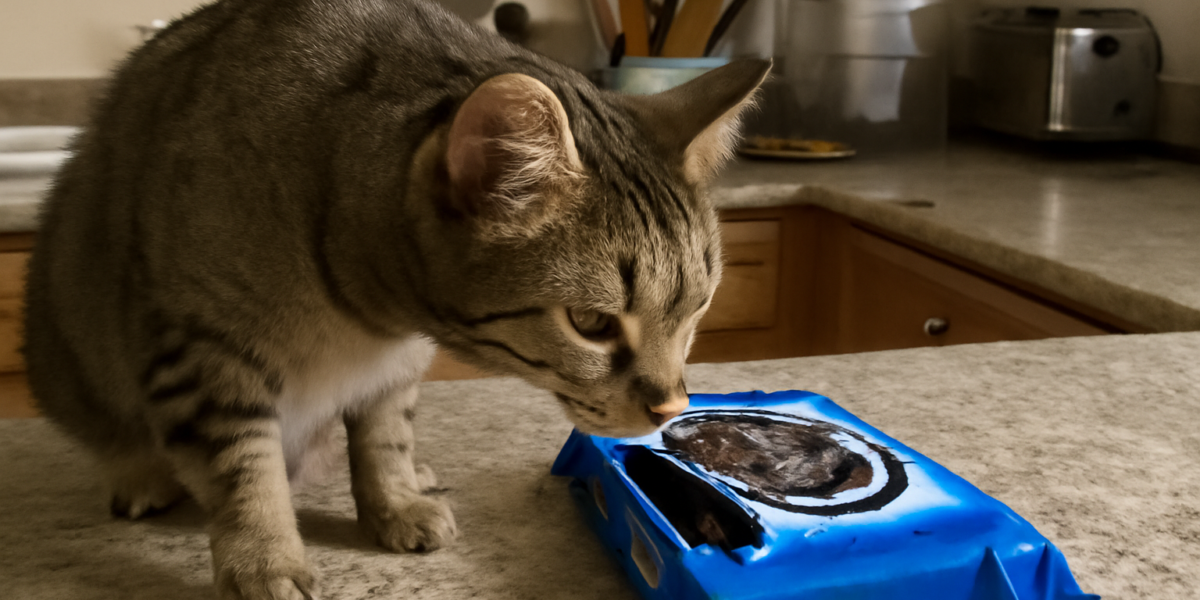
Store Oreos in sealed containers or in cabinets that your cat cannot open. Some cats are remarkably persistent about accessing food they find interesting, and a package of Oreos left on a counter could become a target for a determined feline. If you have children in the house, remind them not to share cookies with the family cat, no matter how persuasive those meowing eyes might be.
If your cat has consumed a small crumb of Oreo, there is likely no need for emergency measures. Provide fresh water and monitor for any signs of digestive upset. If your cat has consumed one or more whole cookies, contact your veterinarian for guidance based on your cat’s size and the number of cookies eaten. For very small cats or kittens, even a single cookie warrants a veterinary call due to the theobromine content.
Be particularly cautious with specialty Oreo varieties, such as dark chocolate Oreos or Oreos with chocolate cream filling, which contain higher levels of cocoa and therefore more theobromine. Double Stuf and Mega Stuf varieties have more cream filling and therefore more sugar and fat, though potentially slightly less cocoa per cookie.
Signs of Problems After Eating Oreos
The symptoms to watch for depend on the amount consumed and whether theobromine toxicity is a concern.
Digestive symptoms (within hours): Vomiting, diarrhea, and loss of appetite are the most common reactions to eating processed foods high in sugar and fat. These symptoms are caused by gastrointestinal irritation and typically resolve within 12 to 24 hours.
Theobromine-related symptoms (2 to 12 hours): If your cat consumed multiple cookies, watch for restlessness, increased heart rate, rapid breathing, excessive urination, muscle tremors, and hyperactivity. Theobromine stimulates the cardiovascular and nervous systems, and cats metabolize it much more slowly than humans — the half-life in cats is estimated to be longer than in dogs, who already process it slowly.
Severe theobromine toxicity: Seizures, cardiac arrhythmias, and collapse. While unlikely from a single Oreo due to the relatively low cocoa content, these symptoms are possible if a cat consumed multiple cookies or if the cat is very small. This is a veterinary emergency.
Pancreatitis symptoms (24 to 72 hours): The high fat and sugar content of Oreos can trigger pancreatitis, especially in cats predisposed to the condition. Watch for severe vomiting, abdominal pain, hunched posture, and refusal to eat. Seek veterinary care if these symptoms develop.
Healthy Alternatives to Oreos
Satisfy your cat’s curiosity at snack time with these safe, nutritious options:
- Commercial cat treats: Crunchy cat treats can provide a similar snacking experience in a formula that is safe for felines
- Cooked chicken pieces: Small bits of plain, unseasoned chicken breast are the ultimate healthy cat treat
- Freeze-dried fish: These crunchy treats appeal to cats’ love of seafood while providing pure protein
- Dental cat treats: If your cat enjoys crunchy cookies, dental treats offer a similar crunch while supporting oral health
- Cooked egg: A small amount of plain scrambled or boiled egg provides protein-rich snacking
- Cat-specific biscuits: Many pet food brands make cookie-shaped treats for cats that are nutritionally appropriate and free from harmful ingredients
Ready to find a cookie-loving companion who will keep you company during snack time? Visit our adoption page to meet rescue cats looking for their forever homes.
Frequently Asked Questions
Is the cream filling in Oreos safer than the cookie part for cats?
The cream filling does not contain cocoa, so it lacks the theobromine concern of the cookie wafers. However, the cream is primarily sugar and vegetable shortening — two things that are terrible for cats. The cream filling is still not safe; it is just problematic for different reasons (excessive sugar and fat rather than chocolate toxicity). Neither the cookie nor the cream should be given to cats.
How many Oreos would be dangerous for a cat?
The theobromine content per Oreo cookie is estimated at 2 to 5 milligrams. The toxic dose of theobromine for cats is approximately 80 to 150 milligrams per kilogram of body weight. For a 4-kilogram cat, this means roughly 320 milligrams or more could be dangerous — equivalent to approximately 60 or more standard Oreos. However, lower doses can still cause symptoms, and the sugar and fat in even a few cookies can cause significant digestive upset and pancreatitis. It is best to treat any Oreo consumption by your cat as a reason to call the vet.
My cat loves the taste of Oreos — why?
Since cats cannot taste sweetness, your cat is likely attracted to the fat content in both the cream filling and the cookie wafer. Cats have a strong affinity for fat, which in nature signals calorie-dense food. The texture may also be appealing. Unfortunately, just because your cat enjoys something does not mean it is safe for them — they are responding to fat, not making a nutritional assessment.
Are Golden Oreos (vanilla flavor) safer for cats?
Golden Oreos do not contain cocoa in the cookie wafer, which eliminates the theobromine concern. However, they still contain high levels of sugar, corn syrup, palm oil, sodium, and artificial flavoring. While the acute toxicity risk is lower than regular Oreos, Golden Oreos are still completely inappropriate for cats due to their sugar, fat, and additive content.
What about Oreo-flavored foods like ice cream or milkshakes?
Oreo-flavored dairy products add lactose intolerance concerns on top of the sugar, fat, and cocoa issues. Most adult cats cannot properly digest dairy, so combining Oreo flavoring with ice cream or milk creates a multi-layered problem. These products should be kept entirely away from your cat.
Should I induce vomiting if my cat ate an Oreo?
Never attempt to induce vomiting in your cat at home without explicit veterinary instruction. Improper vomiting induction can cause aspiration pneumonia, esophageal damage, and other serious complications. If you believe your cat has consumed a concerning amount of Oreos, call your veterinarian or an emergency animal poison control hotline for professional guidance on the appropriate next steps.
Every cat deserves treats that are made with their health in mind. If you are looking to add a feline family member, please visit our adoption page to find wonderful rescue cats waiting for loving homes.


