
Last updated: March 31, 2026
In this article
Can Cats Eat Peas? Your Complete Guide to Peas and Feline Nutrition
Peas are one of those vegetables that seem to find their way into everything, from side dishes and salads to soups and even commercial pet foods. If you have ever noticed peas listed on the ingredient label of your cat’s food, or if your cat has shown interest in the peas on your dinner plate, you have probably wondered whether these little green orbs are actually good for cats.
The answer is reassuring. Peas are generally safe for cats and are commonly included in many commercial cat food formulas. However, as with any food that falls outside a cat’s natural carnivorous diet, there are nuances to understand regarding types, preparation, portions, and potential concerns. This guide covers everything you need to know about feeding peas to your feline companion.
Are Peas Safe for Cats?
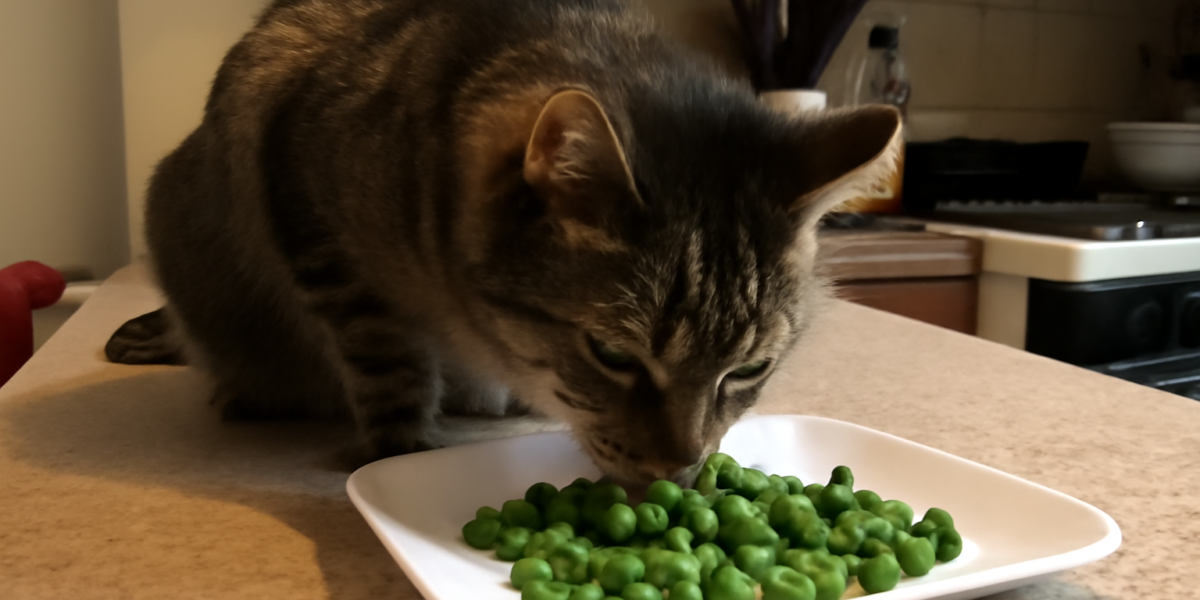
Yes, peas are considered safe for cats to eat in moderation. This includes green peas, sugar snap peas, and snow peas. They are non-toxic, relatively easy for cats to digest when cooked, and provide some beneficial nutrients. In fact, peas are one of the most commonly used vegetable ingredients in commercial cat foods, where they serve as a source of plant-based protein, fiber, and carbohydrates.
The safety of peas for cats comes with an important caveat. Cats are obligate carnivores, which means their bodies are designed to derive nutrition primarily from animal tissues. They have limited ability to process and extract nutrients from plant matter compared to omnivores like dogs or humans. While peas are not harmful, they should never be a significant portion of a cat’s diet or replace animal-based protein sources.
Most cats can eat a few cooked peas without any issues at all. Some cats genuinely seem to enjoy the taste and texture, while others will sniff them and walk away. Both responses are perfectly normal. The important thing is that if your cat does eat peas, they will not be harmed, as long as the peas are prepared appropriately and served in reasonable quantities.
There has been some discussion in the veterinary community about peas and other legumes in relation to heart health in dogs, particularly regarding a potential link to dilated cardiomyopathy (DCM). However, this concern has primarily been studied in dogs rather than cats, and the research is ongoing. If you have concerns about legumes in your cat’s diet, speaking with your veterinarian is always a wise choice.
Nutritional Benefits of Peas for Cats
While peas are not nutritionally essential for cats, they do bring some useful nutrients to the table that can complement a balanced feline diet.
Protein: Peas contain a notable amount of plant-based protein for a vegetable. A half cup of cooked green peas provides roughly 4 grams of protein. While plant protein is less bioavailable to cats than animal protein and lacks certain essential amino acids like taurine, it can still contribute to overall protein intake when combined with proper animal-based nutrition.
Fiber: Peas are an excellent source of both soluble and insoluble dietary fiber. Fiber supports healthy digestion by promoting regular bowel movements, feeding beneficial gut bacteria, and helping to regulate blood sugar levels. For cats that experience occasional constipation or digestive irregularity, a small amount of pea fiber can be helpful.
Vitamins: Peas contain vitamins A, C, K, and several B vitamins. Vitamin A supports vision and immune function, vitamin K is important for blood clotting, and B vitamins contribute to energy metabolism and nervous system health. While cats obtain most of their vitamin requirements from their primary diet, the additional vitamins in peas provide supplementary support.
Minerals: Iron, magnesium, potassium, and zinc are all present in peas in meaningful amounts. These minerals support a range of bodily functions, from oxygen transport and muscle contraction to immune defense and enzyme activity.
Antioxidants: Peas contain various antioxidant compounds, including flavonoids, carotenoids, and polyphenols. These substances help protect cells from oxidative damage caused by free radicals, potentially supporting long-term health and reducing inflammation.
Low calorie count: For cats that need to watch their weight, peas offer a low-calorie treat option. A tablespoon of cooked peas contains only about 15 to 20 calories, making them a guilt-free snack that provides some nutritional value without contributing significantly to caloric intake.
Types of Peas and How to Prepare Them
Different types of peas require different preparation approaches, and some forms are better suited for cats than others.
Green peas (garden peas): These are the most common type and the best option for cats. Fresh or frozen green peas should be cooked until soft by steaming, boiling, or microwaving. Once cooked, let them cool to room temperature. You can serve them whole for cats that chew well, or mash them slightly for cats that tend to swallow food without chewing. Avoid canned peas, as they typically contain added sodium that is not appropriate for cats.
Sugar snap peas: The entire pod of sugar snap peas is edible and safe for cats. However, the pod can be a bit tough and stringy, which may make it harder for cats to chew and digest. If you offer sugar snap peas, cook them until they are completely soft and cut them into small pieces. Removing the pod and offering only the peas inside is the easiest approach.
Snow peas: Similar to sugar snap peas, snow peas are safe but the pod should be cooked until tender. The flat pods of snow peas can be cut into small, manageable pieces for your cat. Again, simply offering the peas inside the pod is the simplest option.
Dried split peas: Dried peas must be thoroughly cooked before being offered to cats. They should be boiled until completely soft and then mashed or pureed. Never give dried, uncooked peas to your cat, as they are extremely hard and could pose a choking hazard or cause digestive blockage.
Frozen peas: Frozen peas are perfectly fine to use, but they should be thawed and cooked before serving. Some cat owners offer frozen peas as a cool treat during warm weather, and while this is not dangerous, cooked peas are easier for cats to digest and the nutrients are more accessible after cooking.
Canned peas: These should generally be avoided because of their high sodium content. If canned peas are your only option, drain and rinse them thoroughly under running water to remove as much salt as possible before cooking them further. Low-sodium or no-salt-added varieties are acceptable if rinsed.
No matter which type of pea you choose, always serve them plain without butter, salt, garlic, onion, or any other seasonings. These additives can be harmful or toxic to cats.
Portion Sizes and Feeding Guidelines
Moderation is the key word when it comes to feeding peas to cats. While they are safe, they should remain a small part of your cat’s overall dietary intake.
For an average adult cat, three to five individual cooked peas make an appropriate treat or meal topper. This can be offered a few times per week without concern. If you are mashing peas and mixing them into your cat’s food, about one teaspoon is a reasonable amount. The total contribution of peas and other treats should not exceed ten percent of your cat’s daily caloric intake.
When introducing peas for the first time, start with just one or two peas and observe your cat for 24 to 48 hours. Watch for any signs of digestive upset, including vomiting, diarrhea, gas, or bloating. If your cat handles them well, you can gradually increase to the recommended amount over the next week.
Some cats love peas and will eat them enthusiastically, while others will show no interest whatsoever. Do not force the issue. If your cat is not interested in peas, there are plenty of other safe foods and treats you can offer instead. Our articles on can cats eat green beans and can cats eat carrots explore other vegetable options that your cat might prefer.
For cats with specific health conditions, such as diabetes, kidney disease, or food allergies, consult your veterinarian before adding peas to the diet. While peas are generally benign, individual health circumstances can change the equation. Our guide on cat food allergies provides additional context on managing dietary sensitivities.
Potential Risks and Concerns
Despite their general safety, there are several considerations cat owners should be aware of before regularly offering peas.
Digestive issues: Because cats are not designed to process large amounts of plant matter, eating too many peas can cause gastrointestinal discomfort, including gas, bloating, and loose stools. The fiber in peas, while beneficial in small amounts, can be problematic in larger quantities for cats with sensitive stomachs. Keeping portions small prevents most digestive issues.
Choking hazard: Whole, round peas can potentially pose a choking risk, particularly for kittens or cats that eat too quickly without chewing. Slightly mashing the peas or cutting them in half reduces this risk. For very small cats or kittens, mashing is the safest approach.
Carbohydrate content: Peas contain a moderate amount of carbohydrates, including natural sugars. Cats have limited ability to metabolize carbohydrates efficiently, and excessive carbohydrate intake has been associated with obesity and diabetes in felines. At the recommended portion sizes, the carbohydrate content of a few peas is insignificant, but this is another reason not to overfeed them.
Anti-nutritional factors: Like many legumes, peas contain lectins and phytates, compounds that can interfere with nutrient absorption. Cooking significantly reduces the levels of these anti-nutritional factors, which is one more reason to always cook peas before serving them to your cat.
DCM concerns: As mentioned earlier, there has been ongoing research into a potential link between legume-heavy diets and dilated cardiomyopathy in dogs. While this research has not established a definitive causal relationship and has focused primarily on dogs rather than cats, it is worth being aware of. Feeding a few peas as treats is very different from a diet heavily based on legumes, and the former is not a cause for concern based on current evidence.
Allergic reactions: While rare, food allergies to peas are possible in cats. Signs of an allergic reaction include itchy skin, excessive scratching, ear infections, vomiting, or diarrhea. If you notice any of these symptoms after introducing peas, discontinue them and consult your veterinarian.
Peas in Commercial Cat Food
If you read the ingredient labels on your cat’s food, there is a good chance you will find peas or pea-derived ingredients listed. Peas, pea protein, pea fiber, and pea starch are all commonly used in commercial cat food formulations. They serve multiple purposes, including providing plant-based protein, adding fiber for digestive health, and acting as a binding agent for kibble texture.
In grain-free cat foods, peas are frequently used as a carbohydrate replacement for grains like corn, wheat, and rice. While grain-free diets have become popular among pet owners, it is worth noting that the FDA has been investigating a potential link between grain-free diets high in legumes and heart disease in dogs. As of now, this concern has not been extended to cats in any significant way, but it is something to discuss with your veterinarian if you feed a grain-free formula.
The peas used in commercial cat food are processed and balanced within a complete nutritional formula, which is quite different from simply adding raw peas to your cat’s bowl. Commercial foods are formulated to meet specific nutritional standards, and the pea content is calculated as part of that overall balance. If you choose to offer additional peas as a treat on top of your cat’s regular food, just be mindful of the total intake.
Frequently Asked Questions
Can cats eat frozen peas straight from the freezer?
While frozen peas are not toxic to cats, they are not the best option to serve straight from the freezer. Frozen peas are hard and difficult for cats to chew properly, which increases the choking risk. They are also harder to digest in their raw, frozen state. The best approach is to thaw and cook peas until soft before offering them to your cat. If you want to use frozen peas, simply steam or boil them for a few minutes until they are tender, then let them cool to room temperature before serving.
How many peas can a cat eat per day?
For an average adult cat, three to five cooked peas per serving, offered a few times per week, is an appropriate amount. This translates to roughly one teaspoon of mashed peas if you prefer to mix them into your cat’s food. Peas and other treats combined should not exceed ten percent of your cat’s total daily caloric intake. Remember that peas are a supplement, not a staple, and your cat’s primary nutrition should come from a balanced, meat-based diet.
Are peas better for cats than other vegetables?
Peas are among the safer and more nutritious vegetable options for cats, but no single vegetable is dramatically better than others that are confirmed safe. Peas offer a good balance of protein, fiber, and vitamins in a format that most cats tolerate well. Other safe vegetables like green beans, carrots, and squash each have their own nutritional strengths. The best approach is to offer a variety of safe vegetables in small amounts rather than relying on any single one, and always prioritize your cat’s animal-based diet above all supplementary foods.


