
Last updated: April 1, 2026
In this article
Applesauce is a pantry staple that many dog owners find themselves considering as a potential treat or meal additive for their pets. Its smooth texture makes it easy to mix into food, and its mild sweetness tends to appeal to even picky eaters. But not all applesauce is created equal, and the version you pick matters significantly for your dog’s health. From sugar content to hidden ingredients, there is more to consider than you might expect when sharing this common snack with your canine companion.
Quick Answer: Yes, dogs can eat plain, unsweetened applesauce in small amounts. It provides fiber, vitamins, and antioxidants from apples in an easy-to-digest form. However, avoid applesauce with added sugar, artificial sweeteners (especially xylitol, which is toxic to dogs), cinnamon in large amounts, or other additives.
Is Applesauce Safe for Dogs?
Plain, unsweetened applesauce is safe for dogs and can be a healthy occasional treat when served in appropriate portions. Apples themselves are one of the most commonly recommended fruits for dogs, and applesauce simply presents them in a pre-processed, easy-to-consume form.
The critical safety factor is the type of applesauce you choose. The applesauce aisle at most grocery stores contains a wide range of products, and many of them include ingredients that are problematic for dogs.
Safe options: Look for applesauce that lists only apples (and possibly water and ascorbic acid, which is vitamin C used as a preservative) on the ingredient label. Organic, unsweetened varieties are typically the best choice. Some brands market “no sugar added” options that are made from just cooked apples.
Unsafe options: Avoid applesauce containing added sugar or high-fructose corn syrup, which contribute unnecessary calories and can worsen dental health. More importantly, never feed your dog applesauce containing artificial sweeteners, particularly xylitol (also labeled as birch sugar or E967). Xylitol is extremely toxic to dogs and can cause life-threatening hypoglycemia and liver failure even in small amounts.
Flavored applesauce varieties, such as those with mixed berries, mango, or cinnamon, may contain additional ingredients, artificial flavors, or preservatives that are not ideal for dogs. Stick with plain apple-only versions.
Nutritional Profile of Applesauce
Unsweetened applesauce retains many of the nutritional benefits found in whole apples, though some nutrients are reduced during processing. A half-cup serving of unsweetened applesauce typically provides:
- Fiber: About 1.5 grams of soluble and insoluble fiber, which supports digestive health and can help firm up loose stools.
- Vitamin C: A moderate amount that supports immune function and acts as an antioxidant, though dogs produce their own vitamin C.
- Potassium: Supports muscle function, nerve signaling, and fluid balance.
- Antioxidants: Including quercetin and catechin, which help protect cells from oxidative damage.
- Natural sugars: Approximately 11 grams per half cup even in unsweetened versions, coming from the natural fructose in apples. This is worth noting for portion control.
- Calories: About 50 calories per half cup, making it a relatively low-calorie treat.
One difference between applesauce and whole apples is that applesauce lacks the skin, where much of the apple’s fiber and certain antioxidants are concentrated. However, the smooth texture of applesauce can be advantageous for dogs with dental issues, senior dogs, or dogs recovering from illness who may struggle with crunchy textures.
Health Benefits of Applesauce for Dogs
When served appropriately, unsweetened applesauce offers several potential benefits for your dog.
Digestive support: The pectin (soluble fiber) in applesauce acts as a prebiotic, feeding beneficial gut bacteria and supporting a healthy microbiome. Applesauce is sometimes recommended by veterinarians as part of a bland diet for dogs recovering from mild gastrointestinal upset, similar to the role it plays in the BRAT diet (bananas, rice, applesauce, toast) for humans.
Hydration boost: Applesauce has a high water content, which can help with hydration. This is particularly useful for dogs who do not drink enough water on their own or those recovering from vomiting or diarrhea.
Medication delivery: The smooth, slightly sweet consistency of applesauce makes it an excellent vehicle for hiding pills or mixing in powdered medications. Many dogs who refuse pills wrapped in cheese or meat will happily lick applesauce off a spoon, medication and all.
Gentle nutrition during recovery: For dogs recuperating from surgery, illness, or dental procedures, applesauce provides easy-to-digest calories and nutrients without requiring any chewing. It can serve as a transitional food when a dog is moving from fasting back to their regular diet.
Appetite stimulant: A small spoonful of applesauce mixed into regular kibble can make the meal more appealing for dogs who have lost interest in their food. The natural sweetness and smooth texture provide a flavor and texture contrast that many dogs find enticing.
Antioxidant support: The polyphenols and flavonoids retained in applesauce contribute to cellular health and may support the immune system, though the concentrations are modest.
Risks and Side Effects
Even plain, unsweetened applesauce carries some risks when not served thoughtfully.
Sugar content: Even without added sugar, applesauce contains significant natural fructose. Dogs metabolize sugar differently than humans, and excessive sugar intake can contribute to weight gain, dental decay, and in some cases, can worsen symptoms in diabetic dogs. This is why portion control is essential.
Xylitol toxicity: This deserves repeated emphasis. Some “sugar-free” or “no sugar added” applesauce products use xylitol as a sweetener. Xylitol causes a rapid, dangerous drop in blood sugar (hypoglycemia) in dogs and can lead to liver failure and death. Symptoms of xylitol poisoning include vomiting, weakness, incoordination, seizures, and collapse. Always read the ingredient label carefully before sharing any applesauce with your dog.
Gastrointestinal upset from excess: Too much applesauce can cause diarrhea, gas, and stomach discomfort due to the sugar and fiber content. Dogs with sensitive stomachs may react to smaller amounts than healthier dogs.
Caloric addition: While applesauce is not excessively caloric, the calories do add up, especially for small dogs. A half cup of applesauce represents a meaningful portion of a small dog’s daily caloric allowance. Treats and food additions should not exceed 10% of a dog’s total daily calories.
Acidic pH: Applesauce has a mildly acidic pH (around 3.3–3.6). Dogs with acid reflux, gastritis, or other conditions worsened by acidity may not tolerate applesauce well.
How to Feed Applesauce to Your Dog Safely
Following these guidelines ensures your dog can enjoy applesauce without any issues.
Choose the right product: Select unsweetened applesauce with no added sugar, artificial sweeteners, preservatives, or flavorings. The ingredient list should be as short as possible: apples, water, and possibly ascorbic acid.
As a food topper: Stir a small spoonful of applesauce into your dog’s regular food to add flavor and moisture. This works particularly well for encouraging dogs to eat kibble they have been ignoring.
As a treat: Offer a spoonful of applesauce on a lick mat or spread it inside a puzzle toy for a stimulating, low-calorie treat. You can also freeze small portions in ice cube trays for a refreshing summer treat.
For medication: Mix crushed pills or powdered supplements into a tablespoon of applesauce. The flavor and texture effectively mask most medications.
Homemade applesauce: Making your own is the safest option because you control every ingredient. Peel and core apples (removing all seeds, which contain cyanide-producing compounds), cut them into small pieces, and cook in a small amount of water until soft. Mash or blend to your desired consistency. No sugar or spices are needed.
Recommended Serving Sizes
- Small dogs (under 20 lbs): 1–2 teaspoons per serving, no more than 3–4 times per week.
- Medium dogs (20–50 lbs): 1–2 tablespoons per serving, no more than 3–4 times per week.
- Large dogs (50 lbs and over): 2–3 tablespoons per serving, no more than 3–4 times per week.
Start with the smaller amount and increase gradually to make sure your dog tolerates it well. Remember that applesauce should be a treat or supplement, not a significant portion of the diet.
Signs of a Problem After Eating Applesauce
Watch for these signs if your dog has eaten applesauce, particularly if it was a new addition or a larger-than-recommended portion.
Mild symptoms that usually resolve on their own include loose stools, mild gas or bloating, and a temporary decrease in appetite. These typically indicate the portion was too large or your dog’s system needs time to adjust.
Symptoms requiring immediate veterinary attention (especially if xylitol-containing applesauce was consumed) include vomiting, sudden weakness or collapse, loss of coordination or staggering, seizures, and jaundice (yellowing of the gums or whites of the eyes). If you suspect your dog consumed applesauce containing xylitol, this is a veterinary emergency. Do not wait for symptoms to develop, as early treatment significantly improves outcomes.
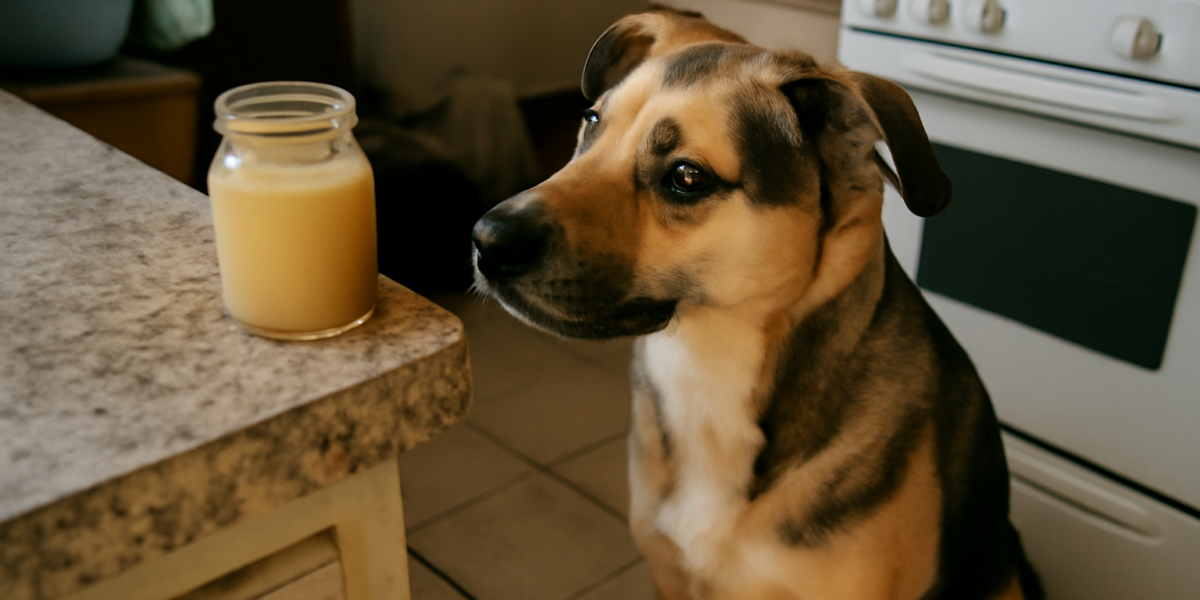
For standard unsweetened applesauce, significant problems are unlikely unless a very large quantity was consumed. If your dog gets into a jar and eats a large amount, the main concerns are diarrhea from the fiber and sugar content and potential stomach upset. Monitor and contact your vet if symptoms are severe or prolonged.
Alternatives to Applesauce for Dogs
If you are looking for other soft, nutritious treats or food toppers, consider these options.
- Pumpkin puree: Plain, canned pumpkin (not pumpkin pie filling) is excellent for digestive health and lower in sugar than applesauce. It is one of the most commonly recommended foods for dogs with digestive issues.
- Mashed banana: Sweet, potassium-rich, and easy to digest. Higher in calories and sugar than applesauce, so serve in small amounts.
- Plain yogurt: Provides probiotics along with protein and calcium. Use plain, unsweetened yogurt without xylitol or artificial flavors. Some dogs are lactose intolerant, so introduce carefully.
- Mashed sweet potato: Cooked and mashed sweet potato is nutrient-dense and dogs typically love its natural sweetness.
- Bone broth: Unsalted, onion-free bone broth is excellent for hydration and appetite stimulation. It can be poured over kibble or frozen into cubes.
For dogs who enjoy crunchy treats more than soft ones, raw apple slices (with seeds and core removed) offer more fiber and dental-cleaning benefits than applesauce. You can also explore our articles about healthy additions like basil and turmeric for other ways to enhance your dog’s meals.
Frequently Asked Questions
Can I use applesauce to hide my dog’s medicine?
Yes, applesauce is one of the best foods for hiding medications. Its smooth texture and mild sweetness mask the taste and smell of most pills and powders effectively. Use just enough applesauce to coat or contain the medication, typically a teaspoon to a tablespoon. Make sure the applesauce does not contain xylitol or other harmful ingredients, and check with your veterinarian that applesauce will not interact with the specific medication being administered.
Is homemade applesauce better than store-bought for dogs?
Homemade applesauce gives you complete control over the ingredients, which eliminates any risk of hidden sugars, sweeteners, or additives. It is the safest choice. However, high-quality store-bought unsweetened applesauce with minimal ingredients (just apples and water) is a perfectly acceptable and more convenient alternative. The key is always reading the label carefully regardless of brand.
Can diabetic dogs eat applesauce?
Applesauce should be given with extreme caution to diabetic dogs due to its natural sugar content. Even unsweetened applesauce contains fructose that will affect blood sugar levels. If your dog has diabetes, consult your veterinarian before introducing applesauce or any other sugary food into their diet. Your vet can advise whether the amount you want to give would have a meaningful impact on blood glucose management.
Can puppies eat applesauce?
Puppies over eight weeks old who are eating solid food can have small amounts of plain, unsweetened applesauce. Start with just a teaspoon and observe their response. Puppies have sensitive digestive systems, and the sugar content in applesauce can cause loose stools more readily than in adult dogs. Use it sparingly and prioritize a nutritionally complete puppy food as the foundation of their diet.
Will applesauce help my dog’s upset stomach?
Applesauce may help with mild digestive upset due to its pectin content, which can help firm stools and soothe the digestive tract. Some veterinarians recommend including a small amount of applesauce in a bland diet alongside boiled chicken and white rice during recovery from gastrointestinal illness. However, for persistent or severe stomach problems, always consult your veterinarian rather than relying on home remedies.
How can I tell if applesauce contains xylitol?
Check the ingredient list carefully. Xylitol may be listed under several names including xylitol, birch sugar, wood sugar, or E967. It is most commonly found in products marketed as “sugar-free,” “reduced sugar,” or “diabetic-friendly.” If you are unsure about any ingredient on the label, choose a different product or make your own applesauce at home. When in doubt, plain apples cooked in water is the safest route.
Thinking about welcoming a new dog into your life? Browse our adoption page to find dogs near you who would love a home where they are treated to safe, healthy snacks and all the love they deserve.


