
Last updated: April 1, 2026
In this article
Can Dogs Eat Chestnuts? A Complete Safety Guide for Dog Owners
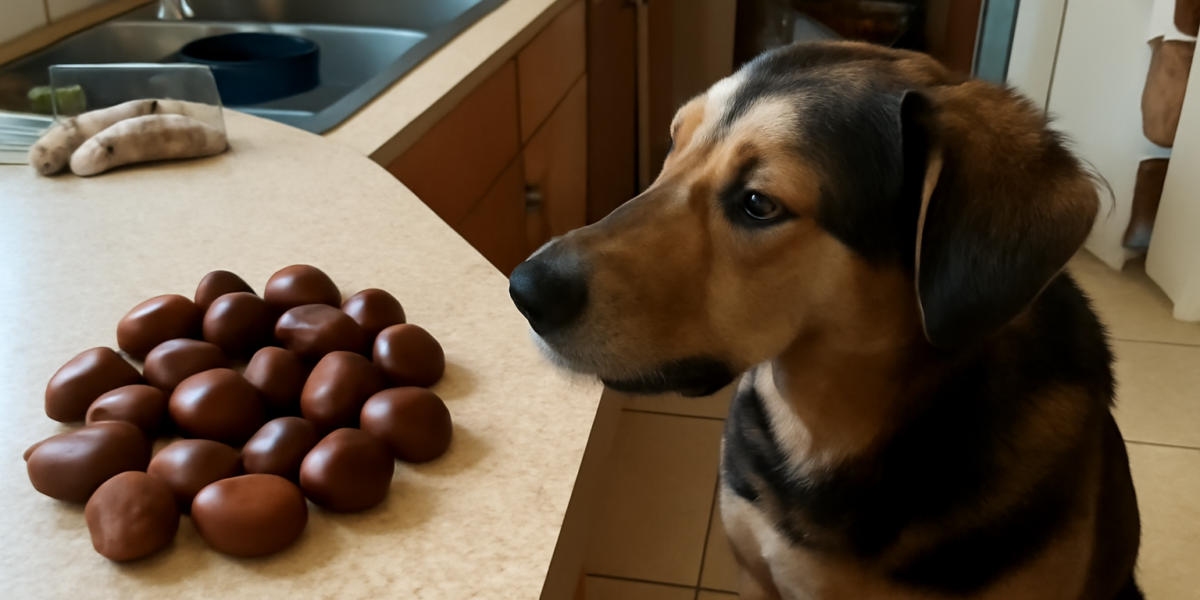
As autumn rolls around and the aroma of roasted chestnuts fills the air, many dog owners find themselves wondering whether this seasonal treat is safe to share with their canine companions. The good news is that sweet chestnuts, the variety commonly eaten by humans, are not toxic to dogs. However, there are important caveats about preparation, portion size, and which types of chestnuts to avoid.
This guide covers everything you need to know about feeding chestnuts to dogs safely, including their nutritional benefits, potential risks, proper serving methods, and what to do if your dog eats a chestnut shell or a potentially harmful variety.
Quick Answer: Can Dogs Eat Chestnuts?
Yes, dogs can eat sweet chestnuts (also known as European chestnuts or American chestnuts) in moderation. These chestnuts are non-toxic and offer some nutritional benefits when served cooked, peeled, and plain. They are notably lower in fat than most other nuts, which makes them a somewhat safer nut option for dogs.
However, there are critical distinctions to make. Horse chestnuts, also known as conkers, are toxic to dogs and should never be consumed. Water chestnuts, while technically not true nuts, are also safe for dogs in small amounts. The chestnuts you buy at the grocery store or from a street vendor are almost always sweet chestnuts, but it is important to confirm the variety, especially if you are foraging or picking them up from the ground in a park or woodland area.
As with all treats, chestnuts should be fed in moderation and should not replace a balanced, complete dog food. One to three chestnuts per serving, depending on your dog’s size, is a reasonable amount for an occasional snack.
Nutritional Profile of Chestnuts
Sweet chestnuts have a unique nutritional profile that sets them apart from most other nuts. While almonds, walnuts, and pecans are high in fat and calories, chestnuts are primarily composed of complex carbohydrates with relatively low fat content. This makes them gentler on a dog’s digestive system compared to fattier nut varieties.
Key nutrients found in a one-ounce serving (about three chestnuts) include:
- Calories: Approximately 60 calories per ounce, making them a moderate-calorie treat.
- Carbohydrates: About 13 grams per ounce, primarily in the form of starch. Chestnuts provide slow-release energy.
- Fat: Only about 0.5 grams per ounce — significantly less than almonds (14 grams per ounce) or walnuts (18 grams per ounce).
- Fiber: Roughly 1.5 grams per ounce, which supports digestive health.
- Vitamin C: Chestnuts are one of the few nuts that contain meaningful vitamin C, an antioxidant that supports immune function.
- Potassium: Important for heart health, muscle function, and maintaining proper fluid balance.
- B vitamins: Including folate and B6, which support energy metabolism and brain function.
- Manganese: A trace mineral involved in bone health, metabolism, and antioxidant defense.
- Copper: Supports red blood cell formation and immune function.
While chestnuts are nutritious, dogs derive most of their essential nutrients from their regular diet. Chestnuts should be viewed as a supplemental treat, not a nutritional necessity.
Benefits and Risks of Feeding Chestnuts to Dogs
Potential Benefits
The low fat content of chestnuts is their primary advantage over other nuts when it comes to dog treats. Many nuts are off-limits for dogs specifically because their high fat content can trigger pancreatitis, a painful and potentially life-threatening inflammation of the pancreas. Chestnuts sidestep this concern almost entirely, making them a safer occasional nut treat.
The fiber content in chestnuts can support digestive regularity and promote healthy bowel movements. For dogs that occasionally experience mild constipation, a small amount of chestnut added to their diet may help. The vitamin C content, while not essential for dogs (since they produce their own vitamin C), can provide an antioxidant boost that supports immune function and helps combat oxidative stress, particularly in older dogs or those under physical stress.
The complex carbohydrates in chestnuts provide a sustained energy source, which can benefit active dogs that need additional fuel for exercise, hiking, or training sessions. Unlike simple sugars, the starch in chestnuts is released gradually, avoiding the rapid blood sugar spikes associated with sugary treats.
Potential Risks
Despite being one of the safer nut options, chestnuts do carry some risks for dogs:
- Choking hazard: Whole chestnuts are firm and round, making them a choking risk, especially for small dogs or dogs that tend to swallow food without chewing. Always cut chestnuts into smaller pieces before offering them to your dog.
- Intestinal obstruction: If a dog swallows a whole chestnut or a large piece without adequate chewing, it could potentially cause a blockage in the digestive tract, particularly in smaller breeds. Symptoms of obstruction include vomiting, loss of appetite, lethargy, and straining to defecate.
- Digestive upset: The high starch content in chestnuts can cause gas, bloating, and loose stools in some dogs, particularly if they eat several at once. Introduce chestnuts gradually and in small quantities.
- Shell hazards: Chestnut shells are hard and spiny. If a dog chews on or swallows a chestnut shell, it can cause injury to the mouth, throat, and digestive tract. Always remove shells completely before serving.
- Horse chestnut toxicity: Horse chestnuts (conkers) contain aesculin, a toxic compound that causes vomiting, diarrhea, dilated pupils, muscle tremors, loss of coordination, and in severe cases, paralysis and death. Never allow your dog to eat horse chestnuts, and be vigilant during autumn walks in areas where horse chestnut trees grow.
- Seasoned or roasted chestnuts: Many commercially prepared chestnuts are roasted with salt, sugar, or other seasonings that are inappropriate for dogs. Always choose plain chestnuts or roast them yourself without any additives.
- Calorie contribution: While lower in calories than most nuts, chestnuts still add to your dog’s daily caloric intake. For dogs on a weight management plan, even the occasional chestnut should be accounted for.
How to Serve Chestnuts Safely to Your Dog
Preparing chestnuts for your dog requires a few simple but important steps to ensure safety and digestibility.
Choose the right type. Only feed your dog sweet chestnuts, which are the kind commonly sold for eating. They have a smooth, dark brown shell with a pointed tip. Do not confuse them with horse chestnuts (conkers), which have a rounder shape and are encased in a green, spiny husk.
Always cook chestnuts before serving. Raw chestnuts are harder to digest and pose a greater choking risk due to their firm texture. Cooking softens the flesh and makes it easier for dogs to chew and process. You can prepare chestnuts by roasting them in the oven at 400 degrees Fahrenheit for 20 to 25 minutes, or by boiling them in water for 15 to 20 minutes until tender.
Remove the shell and skin completely. The outer shell and the inner papery skin should both be removed before serving. These parts are indigestible and can cause irritation or blockages in the digestive tract.
Cut into small pieces. Even cooked chestnuts should be cut into bite-sized pieces appropriate for your dog’s size. For small dogs, quarter each chestnut. For medium and large dogs, halves are usually sufficient.
Serve plain. Do not add salt, sugar, butter, cinnamon, or any other seasoning. Plain, cooked chestnuts have a naturally sweet, mild flavor that most dogs enjoy without any enhancements.
Portion guidelines:
- Small dogs (under 20 pounds): 1 chestnut, cut into pieces
- Medium dogs (20 to 50 pounds): 1 to 2 chestnuts, cut into pieces
- Large dogs (50 to 90 pounds): 2 to 3 chestnuts, cut into pieces
- Giant breeds (over 90 pounds): 3 to 4 chestnuts, cut into pieces
Frequency: Chestnuts should be an occasional treat, offered once or twice a week at most. They should not make up more than 10 percent of your dog’s daily caloric intake.
If you are planning to welcome a new dog into your home, visit our adoption page to find a loving companion waiting for their forever family.
Signs of Problems After Eating Chestnuts
While most dogs handle chestnuts well, there are several situations that warrant monitoring or veterinary attention.
- Vomiting or diarrhea: Mild digestive upset can occur when dogs eat chestnuts for the first time or consume too many at once. If symptoms are mild and resolve within 24 hours, they are usually not cause for alarm. Persistent or severe symptoms require veterinary consultation.
- Gagging, drooling, or pawing at the mouth: These signs may indicate that a piece of chestnut is lodged in the mouth or throat. Check your dog’s mouth carefully and seek emergency care if the obstruction cannot be removed or if your dog is struggling to breathe.
- Bloating or abdominal discomfort: The starch content in chestnuts can cause gas and bloating in some dogs. If your dog’s abdomen appears distended, they are pacing restlessly, or they are attempting to vomit without producing anything, seek immediate veterinary attention, as these can be signs of gastric dilatation-volvulus (bloat), which is a life-threatening emergency.
- Loss of appetite or lethargy: If your dog seems unwell and refuses food after eating chestnuts, the starchy food may not be sitting well. Withhold treats and offer bland food until appetite returns. Contact your veterinarian if symptoms persist beyond 24 hours.
- Signs of horse chestnut poisoning: If you suspect your dog has eaten a horse chestnut, watch for vomiting, diarrhea, drooling, dilated pupils, wobbling or loss of coordination, muscle tremors, and collapse. This is a veterinary emergency requiring immediate treatment.
During autumn walks, be especially vigilant about what your dog picks up from the ground. Both sweet chestnuts and horse chestnuts fall during the same season, and dogs may not distinguish between them.
Healthy Alternatives to Chestnuts
If you are looking for other safe, nutrient-rich snacks to offer your dog, these alternatives provide variety and nutritional value without significant risk.
- Blueberries: Low in calories and high in antioxidants, blueberries are one of the most widely recommended fruit treats for dogs.
- Cooked sweet potatoes: Rich in fiber, beta-carotene, and vitamins, sweet potatoes are a nutritious, easily digestible treat. Serve plain, without seasoning or butter.
- Carrots: Raw or cooked carrots are crunchy, low-calorie, and excellent for dental health. They are a go-to treat for dogs on weight management diets.
- Pumpkin puree: Plain, canned pumpkin (not pie filling) is rich in fiber and supports healthy digestion. It is frequently recommended by veterinarians for dogs with mild digestive issues.
- Watermelon: Seedless watermelon chunks are a hydrating, low-calorie summer treat. Remove all seeds and rind before serving.
- Plain cooked peas: Green peas provide protein, fiber, and vitamins A, B, and K. They make a great small training treat.
For more information on safe and unsafe foods for your dog, check out our other guides, including can dogs eat nori and can dogs eat yogurt drops.
Frequently Asked Questions
What is the difference between sweet chestnuts and horse chestnuts?
Sweet chestnuts (Castanea species) are the edible variety commonly roasted and eaten by humans. They have a tapered shape with a small point at the top and a flat bottom. Their outer husk has fine, hair-like spines. Horse chestnuts (Aesculus hippocastanum), also known as conkers, are toxic to both dogs and humans. They are rounder, have a shinier shell, and are enclosed in a green husk with short, thick spikes. The easiest way to tell them apart is that sweet chestnuts have a tuft of hair at the tip, while horse chestnuts are smooth and shiny.
Can dogs eat water chestnuts?
Yes, dogs can eat water chestnuts in small amounts. Water chestnuts are not actually nuts — they are aquatic tubers. They are low in calories, fat-free, and provide some potassium and fiber. Serve them plain, peeled, and cut into small pieces. Canned water chestnuts are also safe as long as they are packed in water without added salt or seasoning.
Can dogs eat roasted chestnuts from a street vendor?
It depends on how they are prepared. Many street vendors roast chestnuts with salt, sugar, or butter, all of which should be avoided for dogs. If the chestnuts are roasted plain without any additives, they are safe to share in small amounts. If you are unsure about the preparation, it is safer to buy raw chestnuts and roast them at home without any seasonings.
My dog ate a chestnut shell. What should I do?
Chestnut shells are hard and indigestible. If your dog ate a small piece of shell, it may pass through without issue, but you should monitor for signs of discomfort, vomiting, straining to defecate, or loss of appetite. If your dog swallowed a large piece of shell or shows any concerning symptoms, contact your veterinarian. Sharp shell fragments can potentially cause internal injury or blockages.
Are chestnut-based dog treats safe?
Commercial dog treats that contain chestnut as an ingredient are generally safe, as they are formulated specifically for dogs and use appropriate amounts. Always check the full ingredient list for any additives or allergens. Look for treats made by reputable pet food companies and ensure they do not contain artificial preservatives, excessive salt, or sugar.
Can dogs with nut allergies eat chestnuts?
Chestnuts are tree nuts, so dogs with known tree nut allergies should avoid them. However, true nut allergies in dogs are relatively uncommon. If your dog has reacted negatively to other tree nuts in the past, consult your veterinarian before introducing chestnuts. Signs of an allergic reaction include itching, hives, swelling of the face or muzzle, vomiting, and difficulty breathing.


