
Last updated: April 8, 2026
In this article
Can Dogs Eat Cottage Pie? A Complete Safety Guide for Dog Owners
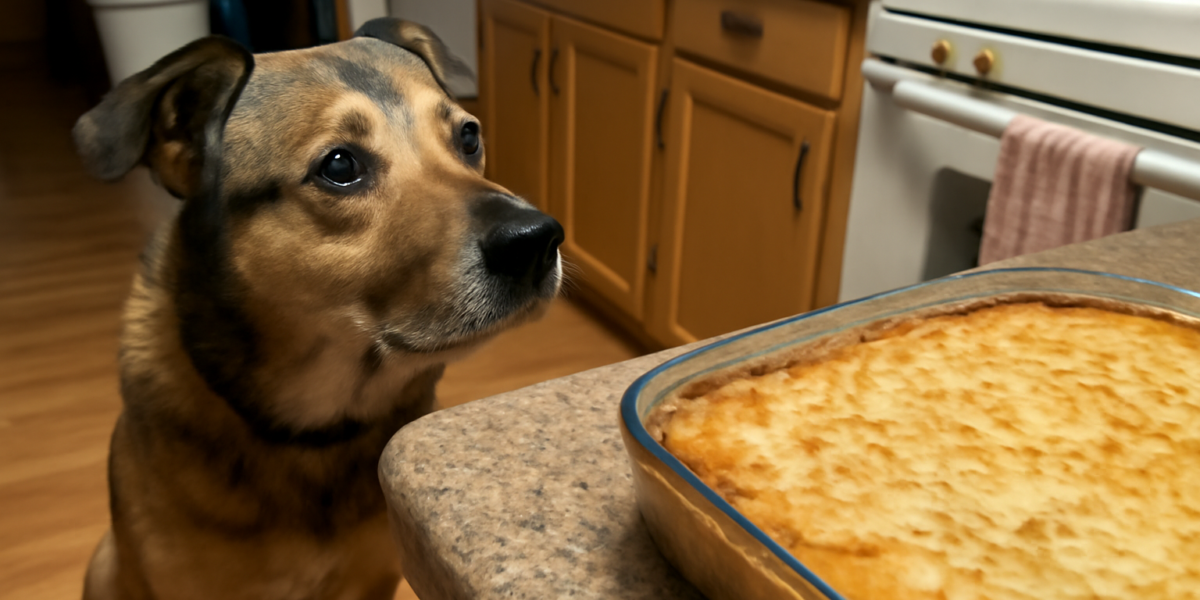
Cottage pie — a comforting dish of ground beef topped with creamy mashed potatoes — is a household staple in many families. When those pleading eyes stare up at you from under the dinner table, it is tempting to slide a spoonful of this hearty dish into your dog’s bowl. But is cottage pie safe for dogs? The answer depends entirely on the ingredients used in the recipe.
Traditional cottage pie recipes contain several ingredients that are harmful to dogs, including onion, garlic, butter, and high levels of salt. However, the core components — ground beef and potatoes — are perfectly safe for dogs when prepared simply. This guide explains which cottage pie ingredients are safe, which are dangerous, and how to make a dog-friendly version your pet can enjoy.
Quick Answer: Can Dogs Eat Cottage Pie?
No, dogs should not eat traditional cottage pie made for humans. Standard recipes include onion and garlic, both of which are toxic to dogs and can cause oxidative damage to red blood cells, leading to hemolytic anemia. Additionally, the butter, cream, salt, and seasonings commonly used in cottage pie can cause digestive upset, pancreatitis, and sodium toxicity in dogs.
However, the individual base ingredients of cottage pie can be safe for dogs when prepared without harmful additives. Plain cooked ground beef (lean, drained of fat) and plain boiled or mashed potatoes (without butter, milk, salt, or garlic) are both acceptable foods for dogs in moderation. If you want to share the cottage pie experience with your dog, consider making a simplified, dog-safe version using these plain ingredients.
If your dog has already eaten a small amount of traditional cottage pie, do not panic, but monitor for symptoms and contact your veterinarian if the dish contained significant amounts of onion or garlic.
Nutritional Profile of Cottage Pie Ingredients
To understand why traditional cottage pie is problematic for dogs, it helps to look at the nutritional profile and safety of each major ingredient individually.
Ground beef: Lean ground beef is an excellent source of protein, iron, zinc, and B vitamins for dogs. It provides essential amino acids that support muscle development and overall health. However, fatty ground beef can be too rich for dogs and may trigger pancreatitis. When preparing beef for dogs, choose lean cuts (90 percent lean or higher) and drain excess fat after cooking.
Potatoes: Cooked potatoes are safe for dogs and provide carbohydrates for energy, vitamin C, vitamin B6, and potassium. Raw potatoes contain solanine, a compound that is toxic to dogs, so potatoes must always be cooked before serving. Plain boiled or baked potatoes are the safest preparation method.
Onion: All parts of the onion — flesh, leaves, juice, and powder — are toxic to dogs. Onions contain N-propyl disulfide, which damages red blood cells and can lead to hemolytic anemia. Even small amounts consumed regularly can accumulate and cause toxicity over time.
Garlic: Like onions, garlic belongs to the Allium family and is toxic to dogs. Garlic is actually more concentrated in its toxicity than onion, with some sources suggesting it is three to five times more potent. While a tiny amount may not cause immediate illness, it is best avoided entirely.
Butter and cream: While not toxic, dairy fats can cause digestive upset in dogs, particularly those with lactose intolerance. High-fat dairy products also increase the risk of pancreatitis, a serious and painful condition.
Salt: Excessive sodium is dangerous for dogs and can cause increased thirst, vomiting, diarrhea, tremors, and in severe cases, sodium ion poisoning. Dogs require only a small amount of sodium in their diet, which is typically met by their regular dog food.
Worcestershire sauce and stock cubes: Many cottage pie recipes include Worcestershire sauce or beef stock cubes, both of which contain high sodium levels and may include onion or garlic derivatives.
Benefits and Risks of Feeding Cottage Pie to Dogs
Potential Benefits (Dog-Friendly Version Only)
A dog-friendly cottage pie made with plain, unseasoned ingredients can offer several nutritional benefits. Lean ground beef provides high-quality animal protein that supports strong muscles, healthy skin, and a robust immune system. The B vitamins in beef, particularly B12, support energy metabolism and red blood cell production.
Cooked potatoes contribute easily digestible carbohydrates that provide sustained energy, along with potassium for heart and muscle function. The combination of protein and carbohydrates in a simplified cottage pie can be especially appealing to dogs recovering from illness or those with reduced appetites, as the warm, savory mixture is often more enticing than regular kibble.
For senior dogs or dogs with dental issues, the soft texture of a mashed potato and ground beef mixture is easy to chew and swallow, making mealtime more comfortable.
Potential Risks
The risks of feeding traditional cottage pie to dogs are significant:
- Onion and garlic toxicity: These are the most dangerous components of cottage pie for dogs. Symptoms of Allium toxicity include lethargy, weakness, decreased appetite, pale gums, reddish or brown urine, vomiting, diarrhea, and elevated heart rate. Symptoms may not appear for several days after ingestion, making it critical to note when and how much your dog consumed.
- Pancreatitis: The combination of butter, cream, and fatty ground beef in traditional cottage pie creates a high-fat meal that can trigger acute pancreatitis. Symptoms include severe abdominal pain, vomiting, diarrhea, loss of appetite, and a hunched posture. Pancreatitis requires immediate veterinary treatment.
- Sodium overload: Between the added salt, stock cubes, and Worcestershire sauce, a serving of cottage pie can contain far more sodium than is safe for a dog. Small dogs are particularly vulnerable to sodium toxicity.
- Digestive upset: Rich, heavily seasoned foods commonly cause vomiting and diarrhea in dogs, even without toxic ingredients being present.
- Weight gain: Cottage pie is calorie-dense, and regular servings can contribute to obesity, which is linked to joint problems, heart disease, and a shortened lifespan in dogs.
How to Serve Cottage Pie Safely to Your Dog
The safest way to let your dog enjoy cottage pie is to prepare a dog-friendly version from scratch. Here is a simple recipe that eliminates all harmful ingredients while preserving the essence of the dish.
Dog-friendly cottage pie recipe:
- Brown one pound of lean ground beef (90 percent lean or higher) in a pan over medium heat. Drain all excess fat thoroughly.
- Boil two medium potatoes until tender. Drain the water and mash the potatoes with a small splash of low-sodium beef broth or plain water. Do not add butter, milk, cream, salt, or any seasoning.
- Optionally, mix in dog-safe vegetables such as diced carrots, green beans, or peas for added fiber and vitamins.
- Place the ground beef in a dog-safe bowl, top with the plain mashed potatoes, and allow the mixture to cool to room temperature before serving.
Serving sizes:
- Small dogs (under 20 pounds): 2 to 3 tablespoons as a meal topper or occasional treat
- Medium dogs (20 to 50 pounds): One-quarter to one-half cup
- Large dogs (50 to 90 pounds): One-half to three-quarters cup
- Giant breeds (over 90 pounds): Up to one cup
Frequency: Dog-friendly cottage pie should be an occasional treat, offered no more than once or twice a week. It should not replace your dog’s complete and balanced regular diet.
Never share your own plate. Even if you think you used only a small amount of onion or garlic, it is not worth the risk. Prepare your dog’s portion separately using only safe ingredients.
If you are thinking about bringing a new dog into your family, visit our adoption page to find a companion who would love to enjoy homemade meals with you.
Signs of Problems After Eating Cottage Pie
If your dog has eaten traditional cottage pie containing onion, garlic, or excessive salt and fat, watch carefully for the following symptoms:
- Vomiting and diarrhea: These are often the first signs of digestive upset and may appear within a few hours of eating cottage pie. Mild cases may resolve on their own, but persistent or severe symptoms require veterinary attention.
- Lethargy and weakness: If your dog seems unusually tired, weak, or reluctant to move after eating cottage pie, this could indicate onion or garlic toxicity affecting red blood cells.
- Pale or yellowish gums: This is a hallmark sign of anemia caused by Allium toxicity. Check your dog’s gums regularly in the days following exposure, as symptoms may be delayed by two to five days.
- Dark or reddish-brown urine: Discolored urine can indicate the breakdown of red blood cells, a serious consequence of onion or garlic poisoning that requires urgent veterinary care.
- Abdominal pain: A dog showing a hunched posture, whining when picked up, or guarding their belly may be experiencing pancreatitis or severe gastrointestinal distress.
- Excessive thirst and urination: These symptoms may indicate sodium toxicity from the salt and seasonings in cottage pie.
- Rapid breathing or elevated heart rate: These can be signs of anemia or distress and warrant immediate veterinary evaluation.
If you know your dog ate cottage pie containing onion or garlic, contact your veterinarian even if symptoms have not yet appeared. Early treatment can prevent serious complications.
Healthy Alternatives to Cottage Pie
If you enjoy cooking for your dog, there are many simple meals you can prepare using safe, wholesome ingredients. Here are some alternatives that capture the spirit of cottage pie without the risks:
- Plain ground turkey and sweet potato: Lean ground turkey with mashed sweet potato (no seasonings) provides a nutritious and easily digestible meal. Sweet potatoes are rich in beta-carotene, fiber, and vitamins A and C.
- Boiled chicken and rice: This classic bland diet is gentle on the stomach and provides complete protein and easy-to-digest carbohydrates. It is often recommended by veterinarians for dogs recovering from illness.
- Salmon and mashed pumpkin: Cooked salmon offers omega-3 fatty acids for skin and coat health, while plain pumpkin puree supports digestive function.
- Beef and vegetable stew (dog-safe): Simmer lean beef cubes with carrots, green beans, and potatoes in water — no salt, onion, or garlic. Cool and serve in appropriate portions.
- Scrambled eggs: Plain scrambled eggs cooked without oil or butter are a quick, protein-rich treat that most dogs love.
For more guides on what human foods are safe for dogs, read our articles on can dogs eat tripe and can dogs eat chestnuts.
Frequently Asked Questions
What is the difference between cottage pie and shepherd’s pie for dogs?
Cottage pie is made with ground beef, while shepherd’s pie is made with ground lamb. From a dog safety perspective, the same rules apply to both. The primary concern is the onion, garlic, salt, butter, and other seasonings in the recipe, not the choice of meat. Both lean ground beef and lean ground lamb are safe for dogs when cooked plainly without harmful additives.
My dog ate a small amount of cottage pie with onion. Should I be worried?
The toxicity of onion to dogs depends on the amount consumed relative to the dog’s body weight. As a general guideline, consumption of more than 0.5 percent of a dog’s body weight in onion can cause toxic effects. For a 20-pound dog, that is roughly 1.5 ounces of onion. Even if the amount is small, monitor your dog for symptoms including lethargy, pale gums, vomiting, and dark urine over the next three to five days. Contact your veterinarian for personalized guidance.
Can I give my dog leftover mashed potatoes from cottage pie?
Only if the mashed potatoes were prepared completely plain — boiled and mashed with nothing added. Most mashed potatoes prepared for cottage pie contain butter, cream, milk, salt, and sometimes garlic, all of which should be avoided for dogs. If you are unsure what was added to the potatoes, it is safer not to share them with your dog.
Is it safe to use store-bought cottage pie filling for my dog?
No. Pre-made cottage pie fillings, whether canned or frozen, almost always contain onion, garlic, salt, and preservatives that are unsafe for dogs. Some may also contain wine or other ingredients that are inappropriate for canine consumption. Always prepare your dog’s food from scratch using individual, known-safe ingredients.
Can dogs eat the potato topping if I scrape off the meat filling?
This is not recommended. The potato topping in a traditional cottage pie absorbs flavors and juices from the meat filling during cooking, including any onion, garlic, and salt that was used. Even if you remove the topping and serve it separately, it likely contains traces of these harmful ingredients. Making a fresh, plain portion is always the safest approach.


