
Can Dogs Eat Pork Bones? A Critical Safety Warning
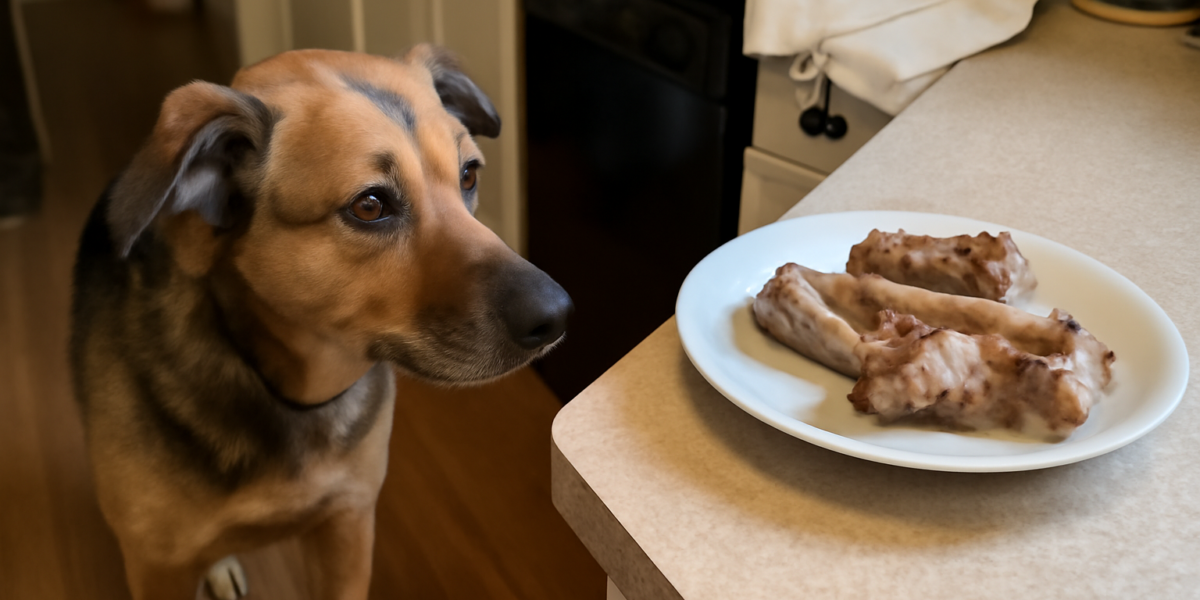
This is one question where the answer is clear and firm: no, dogs should not eat pork bones. Whether cooked or raw, pork bones present serious risks including splintering, choking, intestinal obstruction, broken teeth, and internal punctures. Veterinary emergency rooms see bone-related injuries regularly, and pork bones are among the most common culprits.
In this article
Many dog owners assume that because dogs are natural chewers and wild canids eat bones, it must be safe to give their pet a leftover pork chop bone or rib bone. This reasoning overlooks a critical difference: the bone structure of pork makes it particularly prone to splintering into sharp fragments, especially when cooked. These fragments can cause life-threatening injuries anywhere along the digestive tract.
If your dog has already eaten a pork bone, do not panic — but do monitor them closely and know the warning signs that require immediate veterinary attention. We will cover exactly what to watch for and what safer alternatives exist for satisfying your dog’s natural urge to chew.
Why Pork Bones Are Dangerous for Dogs
Pork bones pose multiple distinct dangers that make them one of the riskier bone types for dogs. Understanding each risk helps explain why veterinarians are virtually unanimous in advising against them.
Splintering
Pork bones, particularly cooked pork bones, are brittle and prone to splintering into sharp, jagged pieces. When a dog crunches down on a pork bone, it can shatter into fragments with edges sharp enough to lacerate the mouth, esophagus, stomach, or intestinal lining. Cooked bones are significantly more dangerous than raw ones because the cooking process dries out the bone structure, making it more brittle. However, even raw pork bones can splinter under the force of a determined chewer.
Choking
Pork bone pieces — whether bitten off or splintered — are a choking hazard. Dogs often do not chew bones thoroughly before swallowing, and a chunk of bone can become lodged in the throat. Choking is a life-threatening emergency that requires immediate intervention. Small and medium dogs are at the highest risk, but large breed dogs can choke on bone fragments as well.
Intestinal Obstruction
Bone fragments that make it past the throat can become lodged in the stomach or intestines, creating a blockage. Intestinal obstruction prevents food and fluid from passing through the digestive tract normally and can cut off blood supply to sections of the intestine. Without surgical intervention, a complete obstruction can be fatal. Symptoms may not appear for 24 to 72 hours after ingestion, making this an insidious danger.
Internal Punctures and Peritonitis
Sharp bone splinters can puncture the stomach or intestinal wall, leading to peritonitis — a severe infection of the abdominal cavity caused by bacteria and digestive contents leaking from the perforated gut. Peritonitis is a life-threatening emergency requiring immediate surgery and intensive care. The mortality rate for peritonitis in dogs is significant even with prompt treatment.
Broken Teeth
Pork bones are hard enough to crack a dog’s teeth, particularly the large premolars and carnassial teeth that dogs use for chewing. Broken teeth are painful, can lead to infection, and typically require veterinary dental procedures including extraction. The cost of treating a fractured tooth often runs several hundred to over a thousand dollars.
Cooked vs Raw Pork Bones: Neither Is Safe
A common misconception is that raw pork bones are safe for dogs while only cooked ones are dangerous. This is not accurate. While raw bones are somewhat less likely to splinter than cooked bones, raw pork bones carry their own serious risks.
Raw pork can harbor dangerous pathogens including Salmonella, E. coli, Trichinella spiralis (the parasite that causes trichinosis), and other bacteria. These pathogens pose risks to both your dog and your family, as dogs can shed bacteria in their saliva and feces after consuming contaminated raw meat and bones.
Raw pork bones are also still hard enough to fracture teeth. And while they may be slightly more flexible than cooked bones, they can still splinter, particularly the smaller rib bones and chop bones that dogs can break apart with sustained chewing.
Smoked pork bones, which are commonly sold in pet stores and butcher shops, fall into the same risk category. The smoking process dries out the bone similarly to other cooking methods, increasing brittleness and splintering potential. The FDA has issued warnings about commercially sold bone treats, including smoked bones, following reports of serious injuries and deaths in dogs.
The bottom line: no form of pork bone is safe for dogs. This applies to pork rib bones, pork chop bones, ham bones, and any other pork bone regardless of preparation method.
What to Do If Your Dog Eats a Pork Bone
If your dog has already gotten hold of a pork bone, stay calm and take these steps immediately:
- Do not try to pull a bone out of your dog’s throat unless you can clearly see it and safely grasp it. Reaching into a choking dog’s mouth risks pushing the bone deeper or getting bitten.
- Check your dog’s mouth carefully for bone fragments, bleeding gums, or signs of distress.
- Do not induce vomiting unless specifically instructed to do so by your veterinarian. Vomiting bone fragments back up can cause as much damage as them going down.
- Call your veterinarian and describe what your dog ate, including the type and approximate size of bone and how much was consumed.
- Monitor closely for at least 72 hours for signs of complications.
Watch for these emergency warning signs that require immediate veterinary care:
- Choking, gagging, or difficulty breathing
- Drooling excessively or pawing at the mouth
- Vomiting, especially with blood
- Bloody stool or very dark, tarry stool
- Abdominal pain (whining, restlessness, hunched posture)
- Bloated or distended abdomen
- Lethargy, refusal to eat, or depression
- Straining to defecate or inability to pass stool
Many dogs who eat a small pork bone will pass the fragments without incident, but the potential consequences are severe enough that monitoring is essential. Some veterinarians may recommend feeding your dog bread or canned pumpkin to cushion bone fragments as they pass through the digestive tract, but always confirm with your own vet first.
Safe Chew Alternatives for Dogs
Dogs have a natural and healthy need to chew, and providing appropriate outlets for this behavior is important for dental health, mental stimulation, and stress relief. Fortunately, many safe alternatives to pork bones exist across every price point.
By dog size:
Small dogs (under 20 pounds): Small-sized rubber chew toys like Kong, appropriately sized bully sticks, small dental chews, and frozen carrot sticks make excellent options. Avoid anything hard enough that you cannot dent it with your thumbnail, as small dogs’ teeth are particularly vulnerable to fractures.
Medium dogs (20 to 50 pounds): Medium Kongs stuffed with peanut butter or wet food, medium-sized bully sticks, Nylabones rated for their size, and raw beef marrow bones (cut into appropriate lengths by your butcher) are good choices. Supervise all chewing sessions.
Large dogs (over 50 pounds): Large Kongs, thick bully sticks, large Nylabones, and raw beef knuckle bones are appropriate for strong chewers. Even with appropriate chew items, always supervise large dogs, as their powerful jaws can break apart items that smaller dogs cannot.
Regardless of your dog’s size, always supervise chewing sessions and discard any chew item once it becomes small enough to swallow whole. Rotate chew toys regularly to maintain your dog’s interest, and check items for wear and sharp edges before each use.
If you are looking for safe food options to supplement your dog’s diet, our articles on feeding dogs chicken hearts and pumpkin seeds for dogs cover some nutritious alternatives. For broader guidance on feeding your pup, explore our dog care resources.
Preventing Access to Pork Bones
Prevention is far easier and cheaper than treating a bone-related emergency. A few simple habits can keep your dog safe from pork bone dangers.
Always dispose of pork bones in a secure trash can with a lid that your dog cannot open. Many dogs are remarkably resourceful when it comes to getting into garbage for food scraps. Consider a trash can with a locking lid or keep the trash in a closed pantry or under-sink cabinet.
When serving pork meals, keep plates and serving dishes out of your dog’s reach. Clear the table promptly after eating and do not leave pork bones unattended on counters or in the sink. Dogs who are not normally counter-surfers may make an exception for the irresistible smell of pork bones.
Communicate with family members, guests, and children that pork bones are never to be given to the dog. Well-meaning dinner guests who slip a bone under the table may not realize the danger. A brief, friendly explanation at mealtime can prevent a trip to the emergency vet.
If you are adopting a dog, bone safety is one of the first topics to discuss with your household. Establishing clear rules about food scraps and bones from the beginning protects your new family member from avoidable injury.
Frequently Asked Questions
Can dogs eat pork rib bones?
No. Pork rib bones are among the most dangerous bones for dogs. They are small, brittle, and splinter easily — especially when cooked. The small size also increases choking risk, as dogs may try to swallow large pieces whole. Keep all pork rib bones away from your dog.
What about smoked pork bones sold in pet stores?
Despite being marketed for dogs, smoked pork bones carry similar risks to other cooked bones. The FDA has received numerous reports of injuries and deaths associated with commercial bone treats, including smoked bones. These products can splinter, cause choking, create blockages, and fracture teeth. Many veterinarians advise against them entirely.
My dog swallowed a pork bone piece. How long until I know they are okay?
Monitor your dog closely for at least 72 hours after bone ingestion. Most complications appear within 24 to 48 hours, but intestinal obstruction can take longer to become apparent. Watch for vomiting, bloody stool, abdominal pain, lethargy, or refusal to eat. If any concerning symptoms develop, contact your veterinarian immediately.
Are any bones safe for dogs?
Raw beef bones, particularly large knuckle bones and marrow bones, are generally considered the safest bone option for dogs when appropriately sized and supervised. They are denser and less prone to splintering than pork or poultry bones. However, no bone is completely without risk. Always supervise your dog with any bone and remove it if it starts to break apart or becomes small enough to swallow.
Can dogs eat pork meat without the bone?
Plain, cooked pork meat without bones, excess fat, or seasoning is safe for most dogs in moderation. Avoid pork that has been cooked with garlic, onion, or heavy seasoning. Pork should be well-cooked to eliminate parasites like Trichinella. Offer small portions appropriate to your dog’s size and watch for any digestive sensitivity.


