
Last updated: April 27, 2026
In this article
- Raw vs Cooked Bones: The Critical Difference
- Never Give Your Dog Cooked Bones
- Safe Raw Bone Types for Dogs
- Size Matching: Choosing the Right Bone for Your Dog
- Supervision Rules for Bone Chewing
- Dental Benefits of Raw Bones
- Risks of Giving Dogs Bones: Choking, Fractures, and Obstruction
- How Often Should You Give Your Dog a Bone?
- Alternatives to Real Bones
- When to Take a Bone Away
- Final Thoughts
- Frequently Asked Questions
Can Dogs Have Bones? Raw vs Cooked Bone Safety Guide
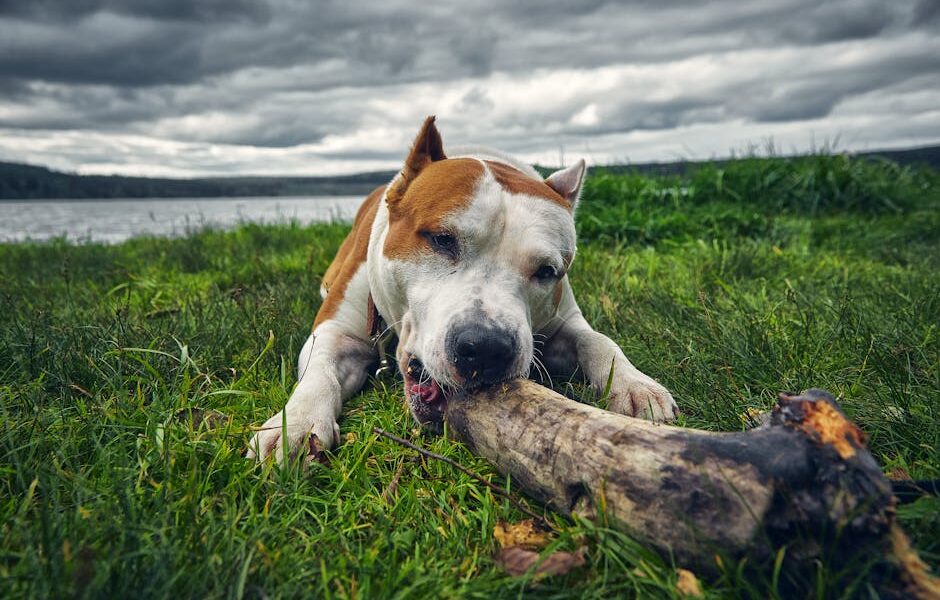
Few images are more iconic than a dog happily gnawing on a bone. It seems like the most natural thing in the world, and in some ways it is — wild canids have been consuming bones as part of their diet for thousands of years. But domesticated dogs face a very different set of risks, and not all bones are created equal.
The question “can dogs have bones?” does not have a simple yes-or-no answer. The type of bone, how it was prepared, your dog’s size, and how aggressively your dog chews all play a role in whether a bone is a healthy enrichment activity or a trip to the emergency vet. Understanding these factors is essential for every dog owner.
Raw vs Cooked Bones: The Critical Difference
The single most important distinction when it comes to bones and dogs is whether the bone is raw or cooked. This is not a minor detail — it is the difference between a relatively safe chewing experience and a genuine medical emergency.
Raw bones retain their natural moisture and flexibility. They are softer, more pliable, and tend to crush or crumble when chewed rather than breaking into jagged shards. This makes them significantly safer for dogs to gnaw on, provided you choose the right type and size.
Cooked bones — whether baked, boiled, grilled, smoked, or dehydrated — undergo structural changes that make them brittle. When a dog applies pressure to a cooked bone, it does not bend. Instead, it snaps into sharp, pointed fragments that can cause catastrophic internal injuries. This applies to every cooking method, every type of bone, and every size of dog.
Never Give Your Dog Cooked Bones
This rule has no exceptions. Cooked bones are the number one cause of bone-related veterinary emergencies in dogs, and the injuries they cause can be life-threatening.
When a cooked bone splinters, the fragments can puncture or lacerate the mouth, throat, esophagus, stomach, or intestines. Even if the bone does not splinter, large cooked bone pieces can become lodged in the digestive tract, creating blockages that require emergency surgery to remove.
Common sources of dangerous cooked bones include:
- Chicken and turkey bones — especially hazardous because poultry bones are thin and splinter easily
- Rib bones — pork ribs and beef ribs from cooked meals are extremely brittle once cooked
- Steak and chop bones — T-bones and other leftover dinner bones are a frequent cause of choking
- Smoked or dehydrated bones — often marketed as dog treats, but the drying process makes them just as prone to splintering as oven-baked bones
If your dog accidentally eats a cooked bone, monitor closely for signs of distress — drooling, vomiting, bloody stool, abdominal pain, lethargy, or straining to defecate. Contact your veterinarian immediately if you notice any of these symptoms.
Safe Raw Bone Types for Dogs
Not all raw bones are equally suitable. Veterinarians and canine nutrition experts generally divide raw bones into two categories: recreational bones and edible bones.
Recreational bones are large, dense bones meant for chewing and gnawing — not consuming entirely. These include:
- Raw beef knuckle bones — large, rounded joints that are excellent for extended chewing sessions
- Raw beef marrow bones — thick, cylindrical leg bones filled with nutrient-rich marrow
- Raw bison or buffalo bones — similar to beef bones, dense and long-lasting
- Raw lamb leg bones — suitable for medium to large dogs, softer than beef bones
Edible bones are softer bones that dogs can actually consume and digest. These include:
- Raw chicken necks and wings — appropriate for small to medium dogs under supervision
- Raw turkey necks — suitable for medium to large dogs
- Raw duck necks and frames — softer bones that many dogs handle well
Avoid giving your dog raw pork bones, which can carry parasites, and any bone that is small enough for your dog to swallow whole. Weight-bearing leg bones from very large animals (like beef femurs that have been cut into rounds) can be extremely hard and may crack teeth — opt for knuckle ends instead.
Size Matching: Choosing the Right Bone for Your Dog
Selecting the correct bone size is one of the most important safety measures you can take. A bone that is too small presents a serious choking hazard, while a bone that is excessively hard can fracture teeth.
The general rule is that a recreational bone should be larger than the length of your dog’s muzzle. This prevents your dog from fitting the entire bone in their mouth and attempting to swallow it whole. Here are size guidelines by dog weight:
- Small dogs (under 20 lbs) — raw chicken necks, small lamb ribs, or appropriately sized knuckle bones. Avoid anything they can swallow in one piece.
- Medium dogs (20 to 50 lbs) — raw beef knuckle bones, lamb leg bones, turkey necks, or duck frames. Choose bones at least the size of their head.
- Large dogs (50 to 90 lbs) — large beef knuckle bones, beef marrow bones (at least 4 to 5 inches long), or bison bones. Ensure the bone cannot be swallowed whole.
- Giant breeds (over 90 lbs) — extra-large beef or bison knuckle bones. These powerful chewers need the densest, largest bones available, and even then, supervision is essential.
Different dog breeds have vastly different jaw strengths and chewing styles. A Labrador Retriever and a Greyhound may weigh the same, but the Lab’s powerful jaws require a much sturdier bone. Consider your dog’s individual chewing behavior, not just their weight, when selecting a bone.
Supervision Rules for Bone Chewing
No matter how carefully you select a bone, you should never leave your dog unattended while chewing. Supervision is the single most effective way to prevent bone-related injuries.
Follow these supervision guidelines every time you give your dog a bone:
- Stay in the room. Watch your dog actively. Do not leave to run errands, take a phone call in another room, or assume the bone will keep your dog safely occupied.
- Limit chewing sessions to 10 to 15 minutes. Extended chewing increases the risk of tooth damage and allows the bone to soften and break into smaller, more dangerous pieces.
- Separate dogs in multi-dog households. Resource guarding over bones can cause fights, and dogs may swallow bone pieces too quickly when competing for resources.
- Check the bone regularly. Look for sharp edges, cracks, or pieces that have broken off. If the bone has become small enough to swallow, take it away immediately.
- Refrigerate between sessions. Raw bones should be stored in the refrigerator and discarded after three to four days to prevent bacterial growth.
Dental Benefits of Raw Bones
One of the primary reasons veterinarians and pet owners support raw bone chewing is the significant dental benefit it provides. Chewing on raw bones acts as a natural toothbrush, scraping away plaque and tartar buildup that contributes to periodontal disease.
Periodontal disease affects an estimated 80 percent of dogs by age three and can lead to painful infections, tooth loss, and even systemic health problems affecting the heart, liver, and kidneys. Regular chewing on appropriate raw bones can help reduce plaque accumulation and stimulate healthy gum tissue.
Raw bones also provide mental stimulation. Chewing is a natural stress-relieving behavior for dogs, and a good bone can keep an anxious or bored dog engaged and calm. This enrichment benefit should not be underestimated, especially for high-energy breeds or dogs that are prone to destructive behavior when under-stimulated.
That said, bones are not a substitute for regular veterinary dental care. Annual dental checkups, professional cleanings when recommended, and daily tooth brushing remain the gold standard for canine oral health. Bones are a helpful supplement to these practices, not a replacement.
Risks of Giving Dogs Bones: Choking, Fractures, and Obstruction
Even with proper selection and supervision, bones carry inherent risks that every dog owner must understand and accept before offering one. The three most serious risks are choking, tooth fractures, and gastrointestinal obstruction.
Choking. Choking occurs when a dog breaks off a piece of bone that is too large to swallow safely but too small to chew further. It can also happen when a dog tries to swallow a bone whole. Aggressive chewers and fast eaters are at the highest risk. Signs of choking include pawing at the mouth, gagging, difficulty breathing, and panic. Choking on a bone is a life-threatening emergency that requires immediate veterinary intervention.
Tooth fractures. Weight-bearing bones from large animals — particularly beef femurs and marrow bones that have been cut into rounds — are extremely dense. Dogs that bite down hard on these bones can crack or fracture their teeth, particularly the large upper premolars (called carnassial teeth). A fractured tooth is painful and usually requires extraction under general anesthesia, making it both an animal welfare concern and an expensive veterinary bill.
Gastrointestinal obstruction. Bone fragments that are swallowed can accumulate in the stomach or intestines, forming a compacted mass that cannot pass naturally. This condition is known as a gastrointestinal obstruction and is a surgical emergency. Symptoms include vomiting, loss of appetite, constipation or inability to defecate, abdominal pain, and lethargy. Obstruction from bone fragments is more common than many owners realize and can be fatal without prompt treatment.
Additional risks include mouth injuries from sharp bone edges, bacterial contamination from raw meat on the bone, and pancreatitis from consuming excessive marrow fat. Dogs with pre-existing digestive issues, weakened teeth, or a history of pancreatitis should generally avoid bones entirely.
How Often Should You Give Your Dog a Bone?
Moderation is key. Most veterinarians recommend offering a raw recreational bone no more than one to two times per week, with each session lasting 10 to 15 minutes. This provides the dental and enrichment benefits without overexposing your dog to the associated risks.
Giving bones too frequently can lead to excessive wear on your dog’s teeth, digestive upset from consuming too much marrow fat, and constipation from swallowing too many bone fragments. Some dogs produce very hard, white, chalky stools after eating bones — a sign that they are consuming too much bone material and the frequency or duration should be reduced.
Pay attention to how your dog handles bones. Some dogs are gentle, methodical chewers who can safely enjoy longer sessions. Others are aggressive power chewers who break through bones rapidly and are at higher risk for tooth damage and swallowing large pieces. Adjust frequency and bone type based on your individual dog’s behavior.
Alternatives to Real Bones
If the risks of real bones concern you, or if your dog has dental problems, digestive issues, or an aggressive chewing style that makes bones unsafe, there are several effective alternatives that provide similar benefits.
- Rubber chew toys (Kong, West Paw) — durable, non-toxic rubber toys that can be stuffed with treats or frozen peanut butter for extended enrichment. They satisfy the chewing urge without the risk of splintering.
- Dental chews (Greenies, Whimzees) — designed specifically to clean teeth while being fully digestible. Look for products that carry the VOHC (Veterinary Oral Health Council) seal of approval.
- Bully sticks — single-ingredient, fully digestible chews made from beef. They do not splinter like bones and are available in sizes appropriate for all breeds.
- Frozen stuffed toys — fill a rubber Kong with plain yogurt, mashed banana, or wet dog food and freeze it. This provides extended mental stimulation and a satisfying chewing experience.
- Nylon chew bones (Nylabone) — designed for aggressive chewers, these synthetic bones last a long time and do not splinter. Replace them when they show significant wear.
- Raw carrots and sweet potatoes — frozen raw carrots make surprisingly effective chew treats for smaller dogs, providing dental scrubbing action with zero risk of splintering.
The best chew option for your dog depends on their size, chewing intensity, and health profile. If you are unsure, ask your veterinarian for a personalized recommendation.
When to Take a Bone Away
Knowing when to remove a bone from your dog is just as important as choosing the right one. You should take the bone away immediately in any of the following situations:
- The bone has become small enough to swallow. Once a bone can fit entirely inside your dog’s mouth, it is a choking hazard. Remove it and replace it with a fresh, appropriately sized bone.
- You see cracks or sharp edges. A bone that has developed sharp points or splintered edges can cut your dog’s mouth, throat, or digestive tract.
- Your dog is biting off large chunks. If your dog is breaking the bone into pieces rather than gnawing on the surface, the bone is too soft for their jaw strength or their chewing style is too aggressive for that type of bone.
- Bleeding from the mouth or gums. Any sign of blood means the bone has caused an injury. Remove it, inspect your dog’s mouth, and contact your vet if the bleeding does not stop quickly.
- The 15-minute mark. Even if everything looks fine, ending the session after 10 to 15 minutes reduces the cumulative risk of tooth wear, excessive marrow consumption, and bone fragment ingestion.
- The bone is more than three to four days old. Raw bones harbor bacteria. After a few days in the refrigerator, discard the bone to prevent food-borne illness.
- Your dog is guarding the bone aggressively. Resource guarding is a behavioral issue that can escalate into biting. If your dog growls, snaps, or tenses when you approach the bone, remove it and consult a professional trainer.
Practice trading the bone for a high-value treat from the time your dog is a puppy. This builds a positive association with giving up the bone and makes it much easier — and safer — to remove bones when necessary.
Final Thoughts
Can dogs have bones? Yes — but only the right kind, in the right size, under the right conditions. Raw recreational bones from beef, bison, or lamb can be a healthy source of dental care and mental enrichment when offered responsibly. Cooked bones of any type should never be given to dogs under any circumstances.
Every dog is different. Factors like breed, jaw strength, chewing style, age, and dental health all influence whether bones are a good fit. When in doubt, choose a safer alternative like a rubber chew toy or veterinary-approved dental chew. And always supervise — no bone is worth more than your dog’s safety.
Thinking about adding a new dog to your family? Browse adoptable dogs near you and explore our complete dog breeds directory to find a breed that matches your lifestyle.
Frequently Asked Questions
Can puppies have raw bones?
Puppies can have appropriately sized raw bones once they have their adult teeth, which typically happens around six months of age. Before that, their teeth are too soft and fragile for bone chewing. Start with softer edible bones like raw chicken necks under close supervision, and choose sizes that prevent swallowing whole.
Are raw bones safe for senior dogs?
Senior dogs with healthy teeth can still enjoy raw bones, but proceed with caution. Older dogs are more likely to have weakened or worn teeth that are prone to fracturing. Choose softer raw bones and limit chewing time. If your senior dog has dental disease or missing teeth, stick to rubber chew toys or dental chews instead.
Can dogs eat bone marrow?
Yes, bone marrow is safe for most dogs and is highly nutritious, containing healthy fats, vitamins, and minerals. However, marrow is very rich, and too much can cause digestive upset or trigger pancreatitis in dogs that are prone to the condition. Limit marrow consumption and scoop out some of the marrow before giving the bone if your dog has a sensitive stomach.
What should I do if my dog swallows a bone fragment?
If your dog swallows a small bone fragment, monitor them closely for the next 24 to 72 hours. Watch for vomiting, diarrhea, bloody stool, abdominal pain, lethargy, or difficulty defecating. If you observe any of these symptoms, contact your veterinarian immediately. If the fragment was large or sharp, do not wait for symptoms — call your vet right away.
Are store-bought smoked bones safe for dogs?
No. Smoked, dried, and preserved bones sold in pet stores undergo processing that makes them brittle and prone to splintering — similar to cooked bones. Many also contain added flavorings, preservatives, and salt that are not ideal for dogs. Despite being marketed as dog treats, smoked bones carry the same risks as any other cooked bone and should be avoided.
Can dogs have beef rib bones?
Raw beef rib bones can be given to medium and large dogs under supervision, but they are not the safest choice. Ribs are thinner and more likely to break into pieces than knuckle bones. If you do offer a raw beef rib, choose a thick, meaty rib and supervise closely. Never give cooked rib bones from barbecue or dinner leftovers.


