Last updated: May 4, 2026
In this article
Fila Brasileiro Overview
This fila brasileiro breed profile covers one of the most uniquely temperament-distinctive dogs in the world, a large Brazilian tracking and guarding Mastiff with a defining trait the breed standard names openly: ojeriza, an inherent suspicion of strangers. The Fila is not a dog whose wariness is a flaw to be socialized away; it is the trait the breed was selected for and the trait owners must understand before adopting.
The Fila descends from European mastiffs brought to Brazil during the colonial era, crossed with Bloodhound-type tracking dogs and bulldogs, refined over centuries for plantation work. Their job included tracking escaped slaves and livestock, guarding estates, and hunting big game such as jaguar. The breed standard codified ojeriza as essential, and Brazilian breed clubs historically tested adult Filas in temperament evaluations that included controlled threat scenarios.
Quick facts: giant size, working group, short coat with loose skin, lifespan generally in the nine-to-eleven-year range, moderate exercise needs, low grooming, banned in many countries, capable-experienced-owner-only breed, significant drool. Heat sensitivity in heavily-skinned individuals.
Temperament and Personality
With family, the Fila is famously devoted, calm, and gentle. The breed motto in Brazilian dog circles is “faithful as a Fila,” and owners describe deep bonds, close family contact, and tolerance with children they grow up around. Filas are typically quiet in the home and content to lie near their primary humans.
With strangers, the Fila is openly suspicious. This is ojeriza, the inherent wariness encoded into the breed standard. Even well-socialized Filas typically do not warm to visiting humans the way most breeds do; they tolerate visitors the family welcomes and remain watchful. They will not be tail-wagging greeters at the door, ever.
This trait is the reason Filas are banned in many countries including the United Kingdom, Norway, Israel, and several others. The breed is genuinely not for casual ownership. With other dogs, Filas can be selective, and same-sex aggression in intact adults is common. Multi-dog Fila households require experienced handling.
Size and Appearance
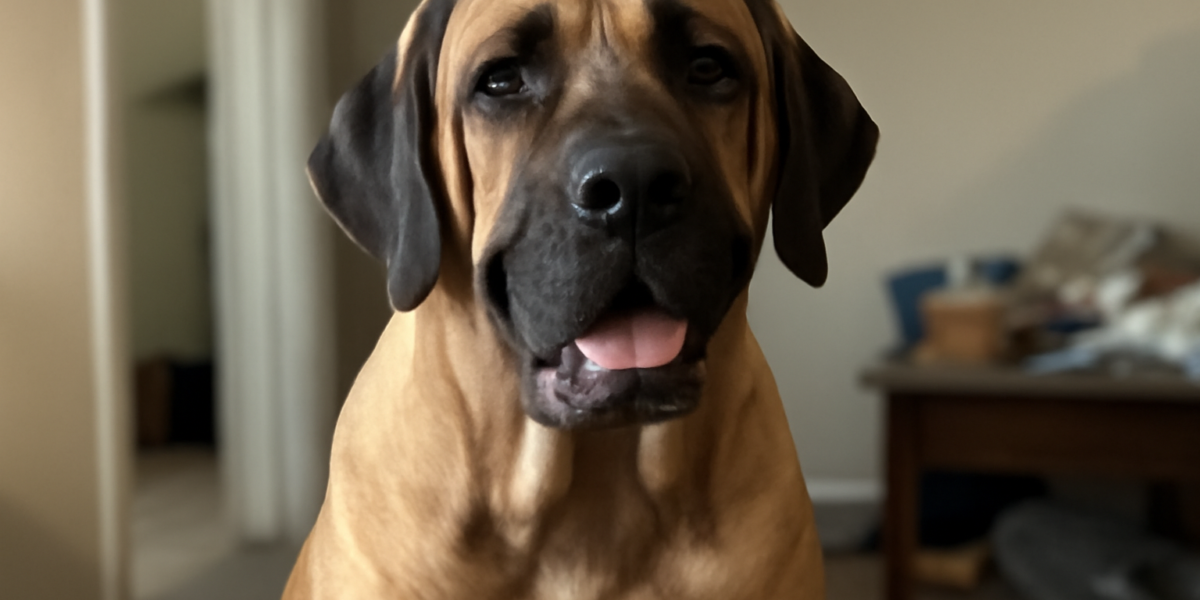
Adult males stand twenty-five to thirty inches at the shoulder and commonly weigh one hundred ten to one hundred fifty pounds, with females slightly smaller. The build is heavily muscled with notable loose skin, particularly around the neck (forming a substantial dewlap), throat, and shoulders.
The coat is short, dense, and smooth, in fawn, black, or brindle, sometimes with a black mask. The Hound-influence shows in the long, drooped ears and the deeply pendulous lower lips and dewlap. The walk is described as “camel-like,” a unique pacing gait where same-side legs move together at slow speeds.
The loose skin and pendulous lips contribute to the breed’s drool factor, which is significant. Owners keep drool rags in every room. The skin folds also require attention to prevent moisture-related dermatitis, particularly in humid climates.
Exercise and Activity Needs
Filas are calm but not sedentary. Plan on two moderate walks per day plus access to a securely fenced yard for patrolling. Total daily structured exercise of forty-five to sixty minutes works for most healthy adults. They are not athletic in the Argentine Dogo sense; they are deliberate, watchful, and energy-conservative.
Puppy exercise needs careful management because the long growth phase makes joints vulnerable. Forced running and repetitive jumping should be limited until past eighteen months, with free-form play on soft surfaces preferred.
A tall, secure fence is non-negotiable. The Fila’s territorial instinct extends to the entire fenced perimeter, and unsecured visitors who walk into a Fila’s yard are at real risk. Owners should plan visitor protocols carefully, often confining the dog to a separate area when guests arrive and managing introductions on the dog’s terms.
Grooming and Care
The short coat is among the easiest brushing jobs in the working-mastiff world. Weekly brushing handles loose hair. Bathing is occasional, every six to eight weeks.
The skin folds, ears, and lips need ongoing attention. Wipe the dewlap and facial folds several times a week to prevent moisture-related dermatitis. The long drooped ears can trap moisture and debris; weekly checks for odor or redness catch infections early. Dental care matters because the loose lips collect food and debris.
The drool is constant and substantial. Expect drips after drinking, during food anticipation, and after head shakes. This is a feature of the breed structure, not a fixable trait. If significant drool bothers you, this is not your breed.
Health and Lifespan
Fila health is typical of giant working mastiffs. Lifespan is generally nine to eleven years, sometimes a bit longer with excellent care. Major concerns include hip and elbow dysplasia, gastric dilatation-volvulus, and several cardiac conditions including dilated cardiomyopathy.
Bloat is the most acute emergency for any deep-chested giant. Owners should learn the warning signs and discuss prophylactic gastropexy with their veterinarian. Eye conditions including cherry eye, ectropion, and entropion appear in the breed because of the loose lower lid structure, and surgical correction is sometimes needed.
Other concerns include skin fold dermatitis, hypothyroidism, and orthopedic injuries from the heavy frame. Reputable breeders screen with OFA or CHIC and disclose results. Rescue Filas benefit from a baseline veterinary workup early in their new home, including cardiac and orthopedic exams.
Brazilian Plantation Heritage
The Fila’s history is shaped by the Brazilian colonial economy and is uncomfortable in ways modern owners should understand. European mastiffs imported by Portuguese colonists in the sixteenth and seventeenth centuries were crossed with bloodhound-type tracking dogs and Bulldog stock, then refined for plantation work. That work included tracking escaped people enslaved on coffee and sugar plantations, guarding estate property, and hunting big game such as jaguar in the surrounding wilderness. The breed’s tracking ability and stranger-suspicion were both selected hard.
By the twentieth century, the working role had shifted to large rural property guarding and big-game hunting. Brazilian breed clubs codified the standard with ojeriza as essential, and the temperament test (with controlled threat scenarios) became a recognized feature of breed evaluation. International recognition was complicated. The FCI accepted the Fila but several countries banned the breed by name due to its codified stranger-aggression. The United Kingdom’s ban under the Dangerous Dogs Act, Israel’s legal restrictions, and similar measures across Scandinavia and parts of Europe shape where the breed can legally live today.
Daily Life with a Fila
A Fila in a settled home is calm and watchful, lying near family members on cool surfaces, following primary humans between rooms, and reserving alertness for genuine changes in the household. Indoor demeanor is gentle and physical, with leans, head-rests on laps, and quiet companionable presence. Most owners describe their Filas as deeply emotionally connected and relatively quiet at home.
The size and the loose-skin structure affect daily logistics. The dewlap collects water during drinking, food during meals, and outdoor debris during walks. Wiping the lower jaw and front of the chest after meals and water becomes part of routine care. The drool requires drool rags in every room and a tolerance for dried drool on walls, ceilings, and visitors. Heat sensitivity in heavily-skinned individuals means summer activity should be limited to cool hours, with shade and water always available.
Visitor management is not optional. A Fila’s territory extends to the property line, and unfamiliar humans entering that territory without the owner’s clear introduction may be at real risk. Most experienced Fila owners follow a strict protocol: dog confined behind a closed door or in a separate room, visitor enters and is settled in the household routine, dog is released only on the owner’s terms after the visitor’s status has been established. This protocol does not relax with time. Reading our why rescues require fenced yards guide covers the practical containment piece.
Adopting a Fila from Rescue
Filas are uncommon in general-population rescue, but they appear in working-mastiff and breed-specific rescues, particularly during the eighteen-month-to-three-year window when ojeriza matures and unprepared households surrender. Some Filas in rescue come from breeders retiring older dogs or from owners relocating to jurisdictions where the breed is banned.
Mastiff and Fila-specific rescues screen carefully for handler experience, secure fencing, household composition, and visitor traffic. Ask whether the dog has been observed in a home (not just a kennel run), evaluated with other dogs and children, and assessed for resource guarding. A foster placement is far more informative than a kennel evaluation because the breed’s true behavior emerges only in a settled household.
Behavioral rehabilitation in a Fila rescue focuses on building handler trust, teaching the dog the new household’s routines and boundaries, and slowly establishing a clear visitor protocol. Force-free training methods are essential because corrections from a strong handler escalate quickly with this breed and damage the bond that holds the dog’s protective drives in check. Reading our 3-3-3 rule, decompression period guide, and first week with a rescue dog overview sets useful baseline expectations, but Fila adopters should expect a longer-than-average bonding and settling period of three to six months.
Is the Fila Brasileiro Right for You?
Filas suit highly experienced large-breed owners with the rural or suburban-acreage setting, secure fencing, financial resources, and emotional commitment for a deeply devoted but stranger-suspicious giant. They thrive in homes with steady routines, predictable visitors, and one or two primary humans. They are wrong for first-time owners, urban settings with frequent foot traffic, multi-dog homes with same-sex dogs, and any owner not prepared to manage ojeriza honestly.
Check local law before considering a Fila. The breed is banned in the United Kingdom, Norway, Israel, Cyprus, Malta, and several other countries, and restricted in others. Some U.S. jurisdictions also restrict the breed. Read our guide to adopting a rescue mastiff for rescue-track considerations.
Compare with related powerful breeds: Neapolitan Mastiff, Presa Canario, and Cane Corso show different temperaments within the working-mastiff family. The why rescues require fenced yards guide covers a non-negotiable for this breed. Browse current listings at our adopt-a-dog hub.
Frequently Asked Questions
What is ojeriza?
Ojeriza is the Portuguese word for inherent suspicion of strangers, codified in the Fila Brasileiro breed standard as a defining temperament trait. It is not a flaw to socialize away; it is what the breed was selected for over centuries.
Are Filas banned in the United States?
Not at the federal level, but the breed is restricted in some U.S. cities and counties and may not be insurable through standard homeowner policies. Check local law before adopting.
Are Filas dangerous?
Capable, yes. Indiscriminately dangerous, no. A well-bred, well-managed Fila is steady with family and watchful with strangers. The breed becomes a serious problem when owners do not understand or manage the ojeriza trait.
Can Filas live with kids?
With family children they grow up around, yes, they are typically devoted and tolerant. Visiting children are a different situation and should be managed carefully because the breed’s stranger-suspicion can apply to unfamiliar kids.
How much do Filas drool?
A lot. Constantly, with serious flinging during head shakes. The pendulous lips and dewlap are the source. If drool bothers you, this is not your breed.
Looking to adopt a Fila Brasileiro Breed Profile?
Browse Fila Brasileiro Breed Profile dogs and mixes available for adoption from shelters and rescues near you.
Find Fila Brasileiro Breed Profile Dogs for Adoption