
Last updated: May 16, 2026
In this article
Is Hibiscus Safe for Pets in Singapore?
Hibiscus is one of the most common garden and potted plants in Singapore, from the national flower Hibiscus rosa-sinensis adorning HDB corridors to the showy yellow hibiscus in Botanic Gardens displays. The good news is that most hibiscus species are only mildly toxic to pets, and many are listed by the ASPCA as non-toxic to dogs and cats. The practical answer to “is hibiscus toxic pets” is: usually not seriously, but some species and some pet individuals do react, so it pays to know which plant you have and what to watch for.
The main exception is Hibiscus syriacus, known as rose of Sharon, which is documented to cause more pronounced vomiting, diarrhoea and decreased appetite in dogs and cats. Other hibiscus species generally cause only mild oral irritation and transient stomach upset when eaten, with full recovery expected within a day. Nevertheless, any pet that ingests a large quantity of plant material can become unwell, so supervision and reasonable placement are still sensible.
Because hibiscus flowers and buds are attractive, fall readily in windy weather, and accumulate on paths and balconies, your dog or cat does not need an intact shrub to get a mouthful. Fallen blooms are the most common exposure point, especially for curious puppies and cats on corridor access.
Identifying Hibiscus in HDB and Garden Settings
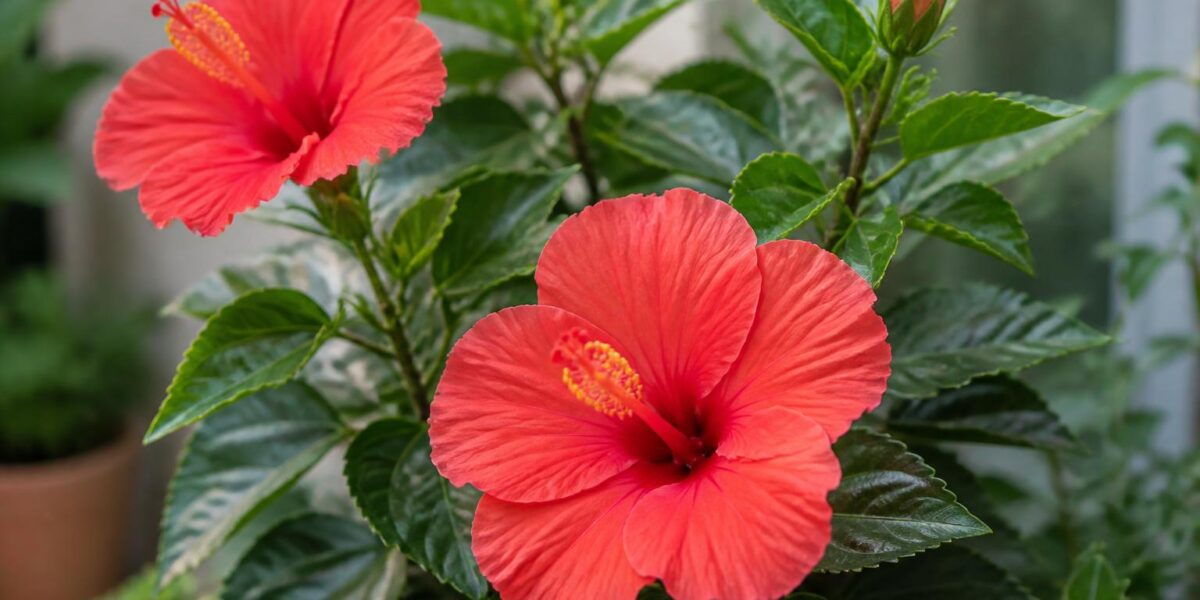
Hibiscus rosa-sinensis, sometimes called bunga raya in Malay, is a woody shrub growing one to three metres tall with glossy dark green toothed leaves. Its five-petalled trumpet flowers are 8 to 15 centimetres across and come in every shade from red through pink, orange, yellow, white, and multicoloured. A prominent central column of stamens projects from the middle of each bloom. Flowers last only a day or two and drop freely, so fallen blooms along corridors are a giveaway.
Hibiscus tiliaceus, sea hibiscus or baru baru, is a coastal tree with large heart-shaped leaves and yellow flowers that age to dusty orange. You will see it lining beaches and along East Coast Park. Hibiscus syriacus (rose of Sharon) is a cooler-climate shrub less common in Singapore but occasionally grown in landscaped condos. Other tropical relatives include the roselle (Hibiscus sabdariffa), whose red fleshy calyces are used in cooking and drinks.
All parts of hibiscus are typically mildly astringent rather than overtly toxic, and roselle is in fact commonly used in culinary preparations in Singapore and Malaysia. The key is species identification. If you are not sure which hibiscus you have, treat it cautiously until you know.
What Is Actually in Hibiscus That Might Upset Pets?
Unlike oleander or angel’s trumpet, hibiscus does not contain a single notorious toxin. Its mild effects on pets are thought to arise from a mix of plant acids, tannins, anthocyanin pigments and mucilaginous sap. These compounds can irritate the lining of the mouth and stomach when chewed or swallowed in quantity, producing the transient oral discomfort and GI upset that veterinarians sometimes see in pets that over-indulge on hibiscus clippings.
Hibiscus syriacus appears to contain additional compounds that make it more reliably unpleasant to eat, though the specific toxin has not been precisely identified in veterinary literature. Reports consistently describe vomiting, diarrhoea and nausea in dogs that ingested this species, sometimes severe enough to warrant supportive care.
Some individual pets are simply more sensitive to plant compounds in general, and may react to a plant that most animals tolerate without issue. Cats also tend to vomit more readily than dogs after eating any plant material, regardless of toxicity, because of their sensitive gag reflex and grooming habits.
Dose and Species Differences
The severity of a hibiscus encounter depends on how much was eaten, which species, and which pet. A dog that grabs one fallen flower on a walk and chews it briefly is extremely unlikely to have any lasting reaction. A puppy left alone with a bushel of hibiscus clippings may vomit several times and feel unwell for a day. A cat that methodically chews its way through a potted hibiscus on the balcony may present with drooling, vomiting and loss of appetite.
Small breeds and young puppies are more at risk of dehydration if they vomit repeatedly, simply because their reserves are smaller. Pets with pre-existing gastrointestinal disease, inflammatory bowel problems, or kidney disease may also react more strongly to any plant exposure. If your pet falls into any of these categories, treat even mild hibiscus exposure more cautiously.
If you have a pet that deliberately and repeatedly eats plants, the cumulative effect of chewing on hibiscus day after day is greater than any single episode. Habit-chewers need a behavioural and environmental fix rather than just symptomatic management.
Symptoms of Hibiscus Ingestion
Mild symptoms are the rule for common hibiscus varieties. You may see drooling, lip smacking, pawing at the mouth, or a single bout of vomiting within an hour or two of ingestion. Some dogs and cats become quietly off-food for a meal or two before bouncing back to normal. Stools may be softer than usual for a day.
More pronounced symptoms can occur with Hibiscus syriacus or after large ingestions of other species. These include persistent vomiting, watery diarrhoea (occasionally bloody), dehydration, lethargy, abdominal discomfort and reluctance to eat or drink. The pet may appear hunched, restless, or withdrawn.
Severe symptoms are rare with hibiscus but can occur when a very small or vulnerable pet ingests a large amount. Signs to take seriously include repeated vomiting that does not respond to rest, bloody stool, weakness, pale gums, collapse or any suggestion of dehydration. These are reasons to call or visit a vet rather than manage at home.
First Aid and When to Call the Vet
If your pet has a mild hibiscus encounter, home care is usually enough. Remove any remaining plant material from the mouth, offer fresh water, and rest the stomach by withholding food for two to four hours in adult pets (do not fast puppies or small dogs under 2 kg). Offer a small, bland meal of plain boiled chicken and rice or a gentle diet if your pet is willing, and continue normal feeding once vomiting has settled.
Monitor for 12 to 24 hours. Most pets are back to normal by the next day. Watch for any warning signs that escalate the situation: repeat vomiting beyond a few episodes, bloody diarrhoea, lethargy, dehydration (tacky gums, skin tent, sunken eyes), unwillingness to drink, or any suggestion of pain. Puppies, kittens, senior pets and those with chronic illness should see a vet sooner rather than later, even for mild symptoms.
When in doubt, call your regular clinic or a 24-hour emergency vet in Singapore for triage advice. Bring a photo of the plant and an estimate of how much was eaten. The vet may advise monitoring at home, or may want to see the pet for anti-nausea medication and fluids if symptoms are more pronounced. Serious intervention is rarely needed for typical hibiscus exposure.
Prevention and Pet-Friendly Garden Planning
Hibiscus is such a common part of Singapore horticulture that most pet owners will encounter it sooner or later. The practical approach is not to panic, but to manage access. Sweep up fallen flowers from balconies and corridors regularly, especially in windy weather. Keep potted hibiscus out of reach of cats and small dogs by placing plants on shelves, plant stands or hanging brackets.
Train puppies early on not to chew garden plants, and redirect them to toys or chews when they show interest. Supervise walks past hibiscus hedges and pick up any blooms that land on the pavement before your dog investigates. If you have a habitual plant-chewer, consider fencing off the plant area or switching to silk replicas for interior decor.
If you want to build a pet-safe balcony garden, check our list of pet-safe tropical houseplants for Singapore homes for species that pose no meaningful risk. Our broader reference on common tropical plants toxic to pets can help you identify neighbours in the hedge line that deserve more caution than hibiscus, and our frangipani toxic pets guide covers another common flowering species with a stronger irritant profile.
Frequently Asked Questions
Can dogs eat hibiscus flowers?
Most common hibiscus flowers cause only mild upset if a dog eats one or two, and some varieties including roselle are used in food and drinks. However, Hibiscus syriacus (rose of Sharon) is reported to cause more pronounced GI symptoms, so identification matters. Do not deliberately feed hibiscus to your dog as part of the diet.
Is hibiscus tea safe for pets?
Hibiscus tea made from dried roselle calyces is generally considered low risk for pets in small amounts, but it is acidic and can upset sensitive stomachs. There is no reason to deliberately offer hibiscus tea to a pet. If your dog laps up a dropped mouthful, no emergency action is needed unless symptoms develop.
My cat vomited after chewing a hibiscus leaf. Should I worry?
A single episode of vomiting after plant chewing is common in cats and usually resolves without treatment. Monitor for further vomiting, appetite changes or lethargy over the next 12 to 24 hours. If symptoms persist or your cat seems unwell, contact your vet. Persistent vomiting in cats is never something to ignore.
How is rose of Sharon different from regular hibiscus?
Rose of Sharon is Hibiscus syriacus, a cooler-climate species with smaller, more papery flowers and often lobed leaves. It is less common in Singapore but occasionally present in landscaped gardens. It has a worse safety profile for pets than the tropical hibiscus species that most people think of as bunga raya, causing more reliable GI upset.
Are all parts of the hibiscus plant equally problematic?
Flowers are most often ingested because they fall to the ground, but leaves and stems contain similar compounds. Roots are less of a concern because they are rarely accessible. Treat any part of the plant as potentially irritant if eaten in quantity.
Can I plant hibiscus in a dog-friendly garden?
Yes, with sensible management. Hibiscus is a reasonable choice compared to more dangerous tropical plants like oleander or angel’s trumpet. Place plants where your dog does not lounge, clean up fallen blooms, and train away any chewing behaviour. It is a low-risk rather than no-risk option.
What should I do if my pet eats roselle fruit from my kitchen garden?
Roselle fruit (the fleshy red calyx used in drinks and jams) is not considered toxic and is food-safe for humans. A pet that eats a few probably will not react, but as with any novel food, monitor for digestive upset. If your pet has a history of sensitive stomach or eats a large amount, contact your vet for guidance.


