
Last updated: May 16, 2026
In this article
Is English Ivy Toxic to Dogs? Everything You Need to Know
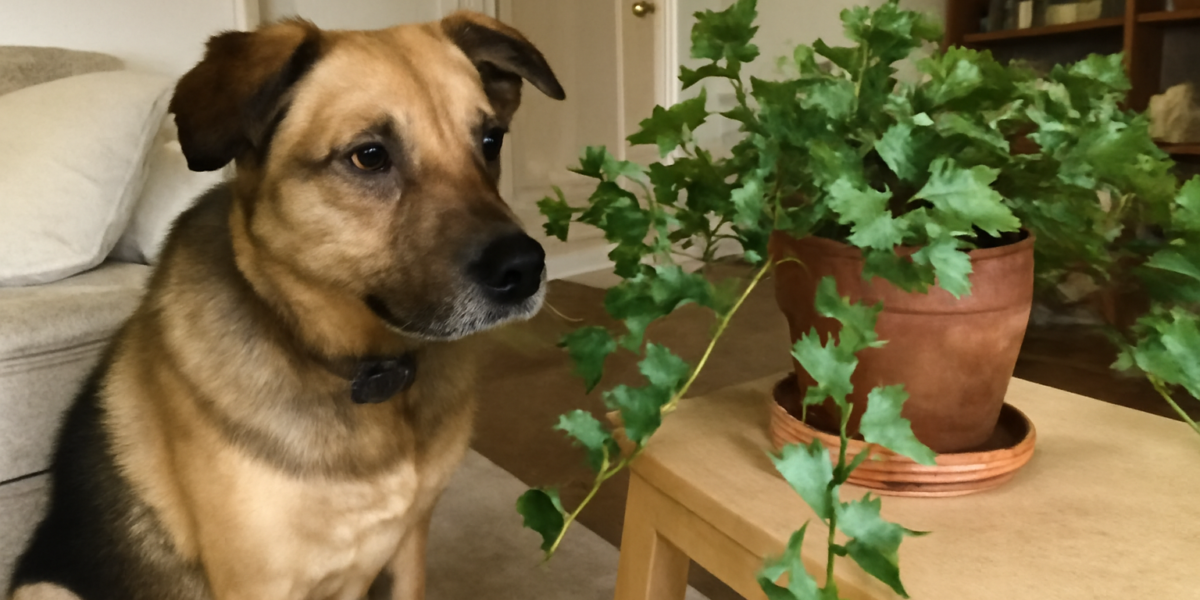
English ivy is one of the most recognizable climbing plants in the world. With its classic lobed leaves and ability to cover walls, fences, and ground in lush green foliage, it has been a garden favorite for centuries. But for dog owners, this popular plant comes with a serious warning: English ivy is toxic to dogs, and it can cause everything from skin irritation to significant gastrointestinal distress.
Whether English ivy is growing on your garden walls, trailing from a hanging basket indoors, or creeping along a fence line, your dog could be at risk. This guide covers the science behind the toxicity, the symptoms you need to watch for, what to do in an emergency, how vets handle ivy poisoning, and the best non-toxic alternatives to keep your home and garden beautiful and safe.
Why Is English Ivy Toxic to Dogs?
English ivy (Hedera helix) contains two main categories of toxic compounds: triterpenoid saponins and polyacetylene compounds. The saponins, particularly hederagenin and hederin, are the primary troublemakers. These are naturally occurring chemical compounds that the plant uses as a defense mechanism against herbivores and insects.
Triterpenoid saponins work by irritating the mucous membranes of the mouth, throat, stomach, and intestines when ingested. They can also break down red blood cells in large enough quantities, though this level of toxicity from ivy ingestion alone is rare in dogs. The saponins are present throughout the entire plant — in the leaves, stems, berries, and sap. However, the leaves and berries tend to contain the highest concentrations.
The sap of English ivy deserves special attention because it is a potent contact irritant. Dogs that brush against ivy, dig through it, or lie in it can develop dermatitis — red, itchy, and inflamed skin — even without eating any of the plant. The polyacetylene compounds, particularly falcarinol, are the primary cause of these skin reactions. Dogs with shorter coats or sensitive skin are more susceptible to contact irritation.
English ivy berries, which are small and dark blue to black in color, are especially dangerous. They contain a higher concentration of saponins than the leaves, and their small round shape can make them attractive to dogs who like to pick up and chew on small objects. Berries are typically produced on mature ivy plants in late autumn and winter, so seasonal awareness is important.
It is worth noting that the toxicity level of English ivy is generally classified as mild to moderate. It is not usually life-threatening for dogs, but it can cause genuine discomfort and illness that requires veterinary intervention. The risk is higher for small dogs, puppies, and dogs that consume large quantities of plant material.
Symptoms of English Ivy Poisoning in Dogs
English ivy poisoning can manifest through two distinct pathways: ingestion of the plant material and skin contact with the sap. Many dogs experience both simultaneously, since chewing on ivy naturally involves skin contact with the mouth and face.
When a dog eats English ivy leaves, stems, or berries, gastrointestinal symptoms typically develop within a few hours. Vomiting is the most common first sign, and it may be repeated or severe depending on how much was consumed. Diarrhea follows in many cases, and it can range from mild to quite watery. Excessive drooling and hypersalivation are very common because the saponins irritate the mouth and throat as the plant is chewed and swallowed.
Abdominal pain is another frequent symptom. Your dog may whine, adopt a prayer position (front legs down, back end up), pace restlessly, or show reluctance to have their belly touched. Loss of appetite is typical, and your dog may refuse food for twelve to twenty-four hours or longer. Lethargy and depression usually accompany the GI symptoms — your dog will likely want to lie quietly and may seem unusually subdued.
Skin contact symptoms include redness, swelling, and itching at the contact site. You may notice your dog scratching, licking, or rubbing their face, paws, or belly excessively. In more pronounced reactions, you might see raised welts or blisters on the skin. The muzzle, lips, and tongue are particularly vulnerable to irritation from chewing on ivy.
In rarer and more severe cases — typically involving large amounts of ingested berries — additional symptoms could include difficulty breathing, excessive thirst, and signs of more systemic illness. If your dog shows any signs of respiratory distress, seek emergency veterinary care immediately.
Puppies and small breed dogs are at higher risk for more severe reactions because the ratio of toxin to body weight is greater. Senior dogs and those with pre-existing digestive conditions may also experience more pronounced symptoms.
What to Do If Your Dog Eats English Ivy
If you catch your dog chewing on English ivy or suspect they have eaten some, take these steps promptly and calmly.
Remove your dog from the ivy immediately. Check their mouth for any remaining plant material and gently remove what you can. If your dog has been rolling in or lying on ivy and you suspect skin contact, note any areas of redness or irritation on their skin.
Contact your veterinarian right away. Describe what happened, including an estimate of how much plant material was consumed, whether leaves or berries were involved, and when the exposure occurred. Your vet may recommend bringing your dog in for examination or may provide home monitoring instructions depending on the severity of the situation.
If your dog has sap or plant residue on their skin, gently wash the affected area with mild dish soap and lukewarm water. Rinse thoroughly to remove all traces of the irritating sap. Be careful around the face and eyes — use a damp cloth rather than running water near the eye area.
Do not induce vomiting at home unless your veterinarian specifically instructs you to do so. The saponins in ivy can be quite irritating to the esophagus, and vomiting may increase the irritation if the timing or method is not appropriate.
Keep your dog comfortable and ensure they have access to fresh water. Monitor them for developing symptoms over the next several hours, and make notes of any changes you observe. Timing information — when vomiting started, how many episodes, when lethargy set in — is very helpful for your veterinarian.
If you are preparing to adopt a new dog, consider doing a thorough walkthrough of your yard and home to identify and address any toxic plants like English ivy before your new companion arrives.
Veterinary Treatment for English Ivy Poisoning
Treatment for English ivy poisoning is primarily supportive, meaning the goal is to manage symptoms, prevent complications, and let the dog’s body clear the toxins naturally.
If the ingestion was very recent — within the last one to two hours — your vet may induce vomiting to remove as much plant material as possible from the stomach. Activated charcoal may be administered afterward to bind any remaining toxins in the gastrointestinal tract and reduce further absorption.
For dogs experiencing active vomiting and diarrhea, intravenous or subcutaneous fluid therapy is the foundation of treatment. Fluids help prevent dehydration, maintain electrolyte balance, and support the kidneys and other organs as they process the toxins. Anti-nausea medications like maropitant (Cerenia) are commonly used to control vomiting, and gastroprotective medications help soothe the irritated stomach and intestinal lining.
Skin reactions are treated by thoroughly washing the affected areas and applying topical anti-inflammatory or soothing medications. In cases of significant dermatitis, antihistamines or short courses of corticosteroids may be prescribed to reduce inflammation and itching. An Elizabethan collar may be recommended to prevent your dog from licking or scratching irritated skin.
Blood work may be run to check for any systemic effects, particularly if a large amount was consumed or if berries were involved. Your vet will monitor kidney and liver values to ensure these organs are functioning normally.
The prognosis for English ivy poisoning in dogs is generally very good with appropriate care. Most dogs recover within twenty-four to forty-eight hours with supportive treatment. Skin reactions may take a few days longer to fully resolve. Serious complications are uncommon, particularly when treatment is sought promptly.
Preventing English Ivy Exposure in Dogs
English ivy is incredibly common — it grows wild in many areas and is a popular landscaping choice — so preventing exposure requires some deliberate effort.
If you have English ivy growing in your yard, the most effective approach is to remove it from any areas where your dog has access. English ivy is a vigorous grower, so removal may require some persistence. Cut it back regularly, remove the roots where possible, and consider replacing it with a dog-safe ground cover or climbing plant. Keep in mind that ivy berries can fall on the ground and remain attractive to dogs even after the main plant has been cut back.
For indoor spaces, do not keep English ivy as a houseplant if you have dogs. It is a popular trailing plant for hanging baskets and shelves, but even hanging plants can drop leaves or trailing stems within a dog’s reach. It is simply not worth the risk when there are so many beautiful non-toxic alternatives available.
When walking your dog in parks, trails, or neighborhoods, be aware that English ivy grows wild in many areas, particularly in temperate climates. Keep your dog on a leash in areas where ivy is present, and redirect them if they show interest in any plants along your walking route. A solid “leave it” command is invaluable here.
Different dog breeds have different tendencies when it comes to plant chewing. Breeds known for mouthing and chewing — like Labrador Retrievers, Beagles, and many terrier breeds — may need extra supervision around ivy and other potentially harmful plants. Understanding your specific dog’s behavioral tendencies helps you plan prevention accordingly.
Provide your dog with plenty of appropriate chew toys and mental enrichment to reduce the appeal of chewing on plants. A bored dog is far more likely to start munching on garden foliage than one that has regular access to puzzle toys, chews, and interactive play.
Safe Climbing and Trailing Plant Alternatives
If you love the look of climbing and trailing plants but need to keep your dog safe, there are several attractive alternatives to English ivy that pose no toxicity risk.
Boston ivy (Parthenocissus tricuspidata) is sometimes confused with English ivy due to its name and climbing habit, but it is actually a member of the grape family and is generally considered non-toxic to dogs. It produces gorgeous red and orange fall foliage and clings to walls and fences just like English ivy.
Virginia creeper is another vigorous climbing plant that is non-toxic to dogs and provides excellent fall color. It grows quickly and can cover large areas, making it a functional and beautiful replacement for English ivy in landscape applications.
For ground cover, creeping thyme is an excellent dog-safe option. It stays low, spreads well, produces tiny purple flowers, and even releases a pleasant fragrance when walked on. Clover is another safe ground cover choice that is also beneficial for the soil.
Indoors, consider replacing trailing English ivy with a spider plant, Swedish ivy (Plectranthus verticillatus, which despite its name is not a true ivy and is non-toxic to dogs), or a string of hearts (Ceropegia woodii). These plants provide similar trailing aesthetics without any toxicity concerns.
Climbing roses are a beautiful alternative for fences and trellises. They are non-toxic to dogs, produce stunning blooms, and many varieties are wonderfully fragrant. Just watch for thorns, particularly at nose height for your dog. Jasmine (Jasminum species — specifically true jasmine, not star jasmine which is a different genus) is another climbing option worth exploring, though you should verify the specific species you are considering.
Frequently Asked Questions
Is English ivy the same as poison ivy?
No, English ivy (Hedera helix) and poison ivy (Toxicodendron radicans) are completely different plants from different families. They have different leaves, different growth patterns, and different toxic compounds. Poison ivy contains urushiol, which causes the well-known allergic contact dermatitis in humans. English ivy contains triterpenoid saponins and polyacetylene compounds. Both plants can cause skin irritation and illness in dogs, but they are distinct species with different toxicity profiles. Learning to tell them apart is useful for any dog owner who spends time outdoors.
Are English ivy berries more dangerous than the leaves?
Yes, English ivy berries generally contain a higher concentration of triterpenoid saponins compared to the leaves. They also pose an additional choking risk for small dogs due to their size and shape. Berries appear on mature ivy plants in late autumn and winter, so the risk is somewhat seasonal. If your dog has eaten ivy berries, it is especially important to contact your veterinarian promptly, as the higher toxin concentration may lead to more pronounced symptoms than leaf ingestion alone.
Can my dog get sick just from touching English ivy?
Yes, skin contact alone — without any ingestion — can cause dermatitis in dogs. The sap of English ivy contains falcarinol and other irritating compounds that can cause redness, itching, swelling, and discomfort on contact. Dogs that walk through, lie in, or brush against ivy can develop skin reactions, particularly in areas with less fur coverage. Short-coated dogs and those with sensitive skin are more susceptible. If you notice your dog scratching excessively after being near ivy, wash the affected areas with mild soap and water and contact your vet if the irritation persists.
How long does it take for English ivy poisoning symptoms to appear?
Gastrointestinal symptoms from English ivy ingestion typically appear within two to four hours, though some dogs may show signs sooner. Skin irritation from sap contact can develop within minutes to several hours depending on the individual dog’s sensitivity. Drooling and oral irritation from chewing on ivy may begin almost immediately as the saponins make contact with the mouth and tongue. If your dog has had any exposure to English ivy, watch them closely for at least twelve to twenty-four hours for developing symptoms.
Is English ivy toxic to cats too?
Yes, English ivy is toxic to cats as well as dogs. The same triterpenoid saponins that affect dogs can cause vomiting, diarrhea, drooling, and abdominal pain in cats. Cats that come into contact with ivy sap may also develop skin irritation. Because cats are generally smaller than dogs, they may be at risk from smaller amounts of plant material. If you have a multi-pet household, removing English ivy entirely is the safest option. Check out our cat breeds directory for more on keeping feline family members safe.
Will my dog be okay if they only chewed on an ivy leaf but did not swallow it?
If your dog chewed on an ivy leaf without swallowing much material, the risk of significant poisoning is lower, but oral irritation is still possible. The saponins in the sap can irritate the mouth, tongue, and gums on contact, leading to drooling and discomfort. Watch your dog for excessive drooling, pawing at the mouth, refusal to eat, or any GI symptoms over the next several hours. A quick call to your veterinarian for guidance is still a smart move, even if you believe very little was actually swallowed.
Can English ivy grow back after I remove it from my yard?
English ivy is notoriously tenacious and can absolutely regrow from roots, stem fragments, and even small pieces left behind during removal. Complete removal requires digging out the root system and removing all stem material from the ground and any surfaces it has attached to. For large areas, this may need to be done in stages over several weeks or months. Regular monitoring for regrowth is important — check the area every few weeks and pull any new shoots immediately. Until the ivy is fully removed, keep your dog away from the area where it is growing.


