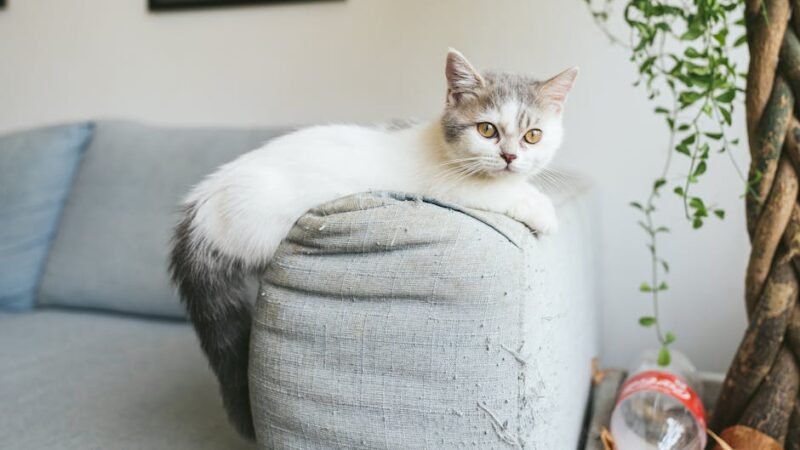
Overview of the Karelian Bobtail Cat
The Karelian Bobtail is a naturally occurring landrace cat from the Karelia region of northwestern Russia and surrounding areas near the Finnish border. Like several other Russian native breeds, it developed without deliberate human breeding programs — shaped instead by climate, geography, and the practical needs of farm and household life.
In this article
The defining trait is the naturally short, pom-pom-like tail, which is the result of a long-established genetic mutation in the local population. The breed was formally documented and standardized in the 1980s by Russian breed clubs, and recognition has gradually expanded within Russia and parts of Europe.
This profile covers history, the distinctive tail and build, calm temperament, daily care, honest health expectations, and what adoption looks like for a landrace this geographically concentrated.
Quick Facts
- Origin: Karelia region, northwestern Russia
- Type: Naturally occurring landrace
- Size: Medium; most adults weigh 6 to 12 pounds
- Coat: Both shorthair and semi-longhair varieties
- Tail: Naturally short pom-pom shape
- Energy level: Moderate
- Grooming: Low to moderate, depending on coat length
- Registry status: Recognized within Russian and some European registries
History and Origins
Cats with naturally short tails have lived in the Karelia region for centuries. The Karelian Bobtail was formally identified and documented as a distinct breed by Russian breed clubs in the 1980s. The bobbed tail trait is genetically distinct from the bobbed-tail mutations seen in Japanese Bobtails and Kurilian Bobtails, though the visual result is similar.
Recognition began with Russian registries and gradually expanded to a handful of European clubs. Outside Russia and neighboring countries, the breed remains rare. Population numbers are small, and the breed has not reached the visibility of other Russian natives like the Russian Blue or Siberian.
For background on related Russian native breeds, see our roundup of cat breeds from Russia. The closely related Kurilian Bobtail profile is also useful context — both share the bobtail trait and Russian origin but come from different regions and gene pools.
Appearance
The Karelian Bobtail is a medium-sized, well-balanced cat. The body is moderately muscular with a slightly elongated build, the legs are medium length, and the chest is broad without being heavy.
The defining feature is the tail. Karelian Bobtails carry a naturally short tail that ranges from a near-stub to roughly a third of normal length. The shape is often described as pom-pom-like, with a distinctive fluff of fur covering the shortened bone. Each tail is unique, with no two cats showing identical curves or kinks.
Coats come in both shorthair and semi-longhair varieties, both accepted in breed standards. The semi-longhair version has a moderate ruff and plumed pom-pom tail; the shorthair sibling has the same body type with a closer-lying coat. Coat colors and patterns vary widely — solid, bicolor, tabby, and tortoiseshell all appear.
The head is moderately wedge-shaped with medium ears and rounded eyes, typically green, gold, or copper.
Size and Weight
Adult Karelian Bobtails typically weigh 6 to 12 pounds, with males larger than females. They are not as substantial as Maine Coons or Siberians but sit comfortably in the medium-large range.
Temperament and Personality
Karelian Bobtails are typically calm, affectionate, and adaptable. Like other naturally occurring landraces, they were shaped by generations of practical coexistence with people and tend to settle easily into household life.
They are moderately playful into adulthood, friendly with respectful children, and generally tolerant of other pets. Many owners describe them as “steady” — neither demanding constant attention nor aloof. They form attachments to their families and prefer steady company over long stretches alone.
Vocally they are quiet. Expect soft mews and trills rather than persistent vocalizing. The breed appears in our calmest cat breeds roundup for these reasons.
Daily Care and Enrichment
Karelian Bobtails do not need extreme enrichment, but they benefit from structure. Plan on one or two interactive play sessions per day with wand toys, plus access to puzzle feeders or food-dispensing toys for slow daily mental work.
Vertical territory matters. Tall cat trees, sturdy shelves, and window perches let a healthy adult cat move through the home. Indoor living is the safer default — modern hazards make outdoor freedom risky for any pedigreed cat. Our best indoor cats roundup explores enrichment strategies that suit landrace temperaments well.
Food puzzles add valuable mental work. Our puzzle feeders for cats guide covers good options for moderate-energy breeds.
Grooming
Shorthair Karelian Bobtails need only a weekly brush. Semi-longhair cats benefit from two or three brushings per week, especially during seasonal shedding. Pay attention to the area behind the ears and around the tail base, where mats can form first. Trim claws every two to three weeks and check ears monthly.
Health Considerations
As a naturally occurring landrace with a long history of natural selection, the Karelian Bobtail has not been narrowly bottlenecked through small founder populations the way some pedigreed breeds have. That generally means broader genetic diversity and fewer concentrated hereditary problems.
The bobbed tail itself is benign — the underlying mutation is genetically distinct from the spinal mutations associated with conditions like Manx syndrome. Watch for any signs of hindquarter weakness or incontinence, which are rare but worth raising with your vet.
Beyond the tail, watch for the standard cat conditions through annual exams. Hypertrophic cardiomyopathy is reported across many breeds and is worth screening for as the cat ages. Dental disease is common in many breeds. The annual vet exam for cats guide and annual bloodwork for cats guide explain what each visit should cover.
Lifespan
Reliable breed-specific lifespan data is limited because the population is small. Other Russian landrace cats commonly live well into their teens with attentive preventive care, and there is no specific reason to expect Karelian Bobtails to fall outside that range.
Karelian Bobtail vs Other Bobtail Breeds
The Karelian Bobtail joins a category of cats with naturally short tails. The Japanese Bobtail is leaner with a different tail-mutation gene; the Kurilian Bobtail is larger and from the Russian Far East; the American Bobtail is heavier-built and often longhaired; the Manx is tailless or nearly so. Each represents a separate, independently arising mutation.
Our cat breeds with bobbed tails roundup compares the category, and the Japanese Bobtail profile and American Bobtail profile are useful side-by-side reading.
Is the Karelian Bobtail Right for You?
This breed suits adopters who want a calm, friendly, moderate-energy cat with a distinctive look. Apartment living works well. Households with children, other pets, or quieter daily rhythms tend to suit the breed.
It is a poorer match if you require pedigree paperwork tied to major Western registries, want easy local adoption access, or prefer a high-energy hybrid look. The breed is genuinely hard to find outside Russia and neighboring countries.
Adoption and Finding a Karelian Bobtail
Karelian Bobtails are very rare outside their region of origin. Realistic adoption paths include direct contact with Russian or European breed clubs, breed-specific rescues that occasionally take in mixed-lineage cats, and importation — which requires research into the receiving country’s quarantine and health certificate rules.
Many cats described as “Russian bobtail” in informal listings are mixed-lineage rather than recognized Karelian Bobtails. That is fine if you want a sturdy cat with a bobbed tail, but be honest with yourself about what you are adopting. Our finding a reputable rescue in your state guide and reputable rescue red flags guide both help you vet the source.
If a true Karelian Bobtail is unavailable, the related Kurilian Bobtail, Japanese Bobtail, or American Bobtail may be more accessible. The cat-only rescues overview and adopt cats hub are useful starting points.
Frequently Asked Questions
Is the Karelian Bobtail the same as the Kurilian Bobtail?
No. Both are Russian and both have naturally short tails, but they come from different regions, different gene pools, and different mutations. The Kurilian is generally larger and from the Far East; the Karelian is from the northwest, near Finland.
Are Karelian Bobtails healthy?
Generally yes. The naturally occurring landrace origin and broad gene pool support overall health. The bobbed tail is benign and not associated with the spinal concerns sometimes seen in tailless breeds.
Where can I adopt one?
Most adoption paths run through Russian and European breed clubs, regional rescues, or careful importation. In the US, you are more likely to find a similar-build mixed-lineage cat through a general rescue.
Are Karelian Bobtails good apartment cats?
Yes. The moderate energy level, calm temperament, and quiet voice all suit apartment life. Provide vertical climbing space and daily interactive play.
Do they get along with other pets?
Generally yes. The landrace temperament is adaptable, and most Karelian Bobtails accept other cats and cat-friendly dogs when introductions are made carefully.
Looking to adopt a Karelian Bobtail Cat Breed Profile?
Browse Karelian Bobtail Cat Breed Profile cats and mixes available for adoption from shelters and rescues near you.
Find Karelian Bobtail Cat Breed Profile Cats for Adoption