Last updated: May 6, 2026
In this article
10 Lowest Maintenance Cat Breeds
Not everyone has hours each day to dedicate to brushing fur, managing high energy levels, or entertaining a cat that demands constant attention. Some people want the warmth and companionship a cat provides without the grooming marathons, the furniture destruction, or the midnight zoomies that send picture frames crashing to the floor. The good news is that plenty of breeds are naturally low-maintenance, requiring minimal grooming, adapting easily to different living situations, and generally content to spend a quiet afternoon napping in a sunbeam while you get on with your life.
Low maintenance does not mean no maintenance. Every cat needs proper nutrition, veterinary care, clean litter, and affection. What it does mean is that certain breeds are less demanding in terms of coat care, exercise requirements, and social neediness than others. If you are considering adopting a cat, knowing which breeds tend to be easier keepers can help you find a match that fits your schedule and lifestyle without compromising on the quality of care you provide.
What Makes a Cat Low Maintenance
Several factors determine how much work a cat requires on a daily basis. Coat type is the most obvious one. Short-haired cats with single-layer coats shed less, mat less, and rarely need brushing beyond a quick weekly once-over. Long-haired breeds like Persians and Himalayans, by contrast, can require daily grooming to prevent painful tangles and skin problems.
Temperament plays an equally important role. Some breeds are intensely social and will vocalize, follow you from room to room, and become destructive if left alone for extended periods. Others are independent and content to entertain themselves, making them far easier to manage for people who work full-time or travel occasionally. Health predispositions also factor in. Breeds with fewer genetic health issues tend to require fewer veterinary visits and less specialized care over their lifetimes. Finally, energy level matters. A high-energy breed needs more interactive play, more vertical space, and more mental stimulation to stay happy, while a calm, moderate-energy cat is generally easier to keep satisfied.
Short-Haired Breeds That Practically Groom Themselves
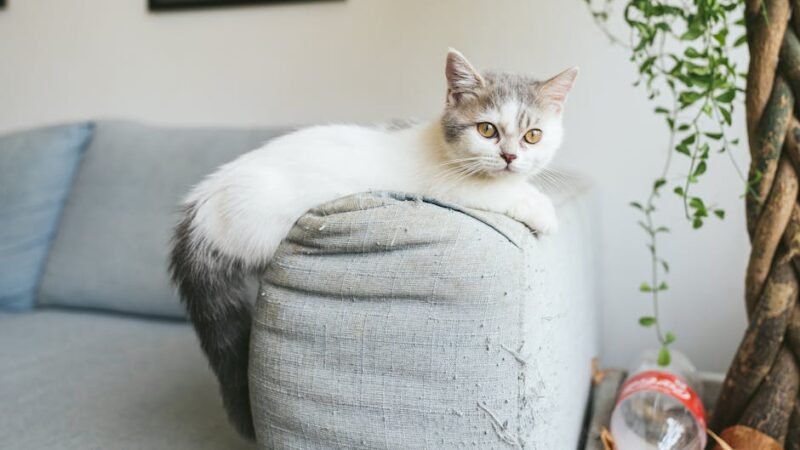
1. British Shorthair. The British Shorthair is the gold standard of low-maintenance cats. Their dense, plush coat is short enough to resist matting and requires nothing more than a weekly brush to stay in excellent condition. British Shorthairs are calm, independent, and not prone to demanding attention. They enjoy being near their people but are rarely clingy, making them ideal for owners who appreciate companionship without constant neediness. Their stocky build and easygoing nature mean they are not particularly athletic or destructive, and they adapt well to apartment living. Health-wise, they are a robust breed with relatively few genetic issues when sourced from responsible breeders. Browse our cat breeds directory to learn more about this breed and others.
2. American Shorthair. The American Shorthair is a classic, no-fuss cat that has been a staple of households for centuries. Originally kept as working mousers on farms and ships, these cats are hardy, adaptable, and remarkably self-sufficient. Their short, dense coat requires minimal grooming, and they are not prone to the skin issues that plague some purebred lines. American Shorthairs have moderate energy levels — playful enough to engage with toys but calm enough to lounge for hours without becoming restless. They get along well with children, other cats, and dogs, making them one of the most versatile family cats available.
3. Russian Blue. The Russian Blue combines elegance with ease of care. Their short, dense double coat has a distinctive silvery-blue sheen that looks high-maintenance but is actually remarkably self-cleaning. Russian Blues shed less than many other breeds, and their coat rarely tangles or mats. Temperamentally, they are gentle, quiet, and somewhat reserved with strangers but deeply bonded to their primary owner. They are not overly demanding of attention and are content to spend time alone during the workday, though they do appreciate a warm greeting when you return. Their calm demeanor makes them excellent apartment cats.
4. Bombay. The Bombay looks like a miniature panther with its sleek, jet-black coat and copper eyes. That striking appearance comes with surprisingly little upkeep. Their short, satin-like coat barely sheds and requires only occasional brushing to maintain its glossy finish. Bombays are affectionate and social but not excessively clingy. They enjoy interactive play but are also happy to relax on the couch beside you. They adapt well to indoor living and are generally healthy cats with few breed-specific issues.
Laid-Back Breeds That Keep Things Simple
5. Exotic Shorthair. If you love the flat-faced look of a Persian but cannot commit to daily grooming, the Exotic Shorthair is your answer. This breed was specifically developed by crossing Persians with American Shorthairs to create a cat with the Persian’s calm, sweet temperament and round face but with a short, manageable coat. Exotics are gentle, quiet, and perfectly content to be lap cats. They require significantly less grooming than their long-haired Persian cousins, though their flat faces do need occasional cleaning to prevent tear staining. Their low energy level and placid personality make them one of the easiest breeds to live with.
6. Scottish Fold. The Scottish Fold, recognizable by its distinctive folded ears, is a wonderfully mellow companion. These cats are adaptable, quiet, and not prone to destructive behavior. They form strong bonds with their families but are not typically the type to howl at the door when left alone. Their coat, whether short or long-haired (opt for the shorthair variety for easier care), is straightforward to maintain. Scottish Folds are also known for their amusing habit of sitting in unusual positions, including the so-called “Buddha sit,” which provides endless entertainment without requiring any effort on your part.
7. Burmese. The Burmese is a compact, muscular cat with a short, satiny coat that feels like silk and requires almost no grooming. A quick wipe with a chamois cloth or your hand is often all it takes to keep a Burmese looking polished. These cats are affectionate and people-oriented but in a relaxed, undemanding way. They enjoy being in the same room as their humans and will happily curl up beside you, but they are not the type to yowl for attention or knock items off shelves out of boredom. Their robust health and moderate energy level make them excellent low-maintenance companions.
Independent Breeds for Busy Owners
8. Chartreux. The Chartreux is a rare French breed with a blue-gray woolly coat and a famously quiet disposition. These cats are sometimes called the “smiling cats” because of their rounded faces and slightly upturned mouths. Chartreux cats are observant, intelligent, and remarkably self-sufficient. They bond with their families but do not demand constant interaction, making them ideal for people who work long hours. Their medium-length coat is dense but not prone to matting, and a weekly brush is all they need. They are also one of the healthiest purebred cats, with few genetic conditions to worry about.
9. Singapura. The Singapura is the smallest recognized cat breed, typically weighing between four and eight pounds. Despite their tiny size, they are sturdy, healthy, and remarkably easy to care for. Their short, fine coat requires virtually no grooming, and they shed minimally. Singapuras are curious and playful but not destructive, and they get along well with other pets. Their small size makes them particularly well-suited to apartment living, and their quiet, gentle nature means they will not disturb neighbors or wake you up at night.
10. Havana Brown. The Havana Brown is a rare and distinctive breed with a rich, chocolate-brown coat and striking green eyes. Their short, smooth coat is one of the easiest to maintain in the cat world — it rarely sheds, never mats, and looks glossy with minimal effort. Havana Browns are intelligent and playful but not hyperactive. They enjoy interactive play sessions but are equally content to entertain themselves with a toy or simply observe household activity from a comfortable perch. They are moderate in every sense: moderate energy, moderate vocalization, moderate social needs, which adds up to a very manageable pet.
Tips for Making Any Cat Lower Maintenance
Even if you end up with a breed that is not on this list, there are strategies that reduce the daily workload of cat ownership. Investing in a self-cleaning litter box can save ten to fifteen minutes of scooping per day. Automatic feeders ensure consistent meal times without requiring you to be home. Water fountains encourage hydration, reducing the risk of urinary issues that lead to expensive vet visits. Regular preventive care, including vaccinations, dental cleanings, and parasite control, prevents small issues from becoming costly, time-consuming problems. Environmental enrichment such as window perches, scratching posts, and puzzle feeders keeps cats mentally stimulated and reduces behavioral issues that create more work for owners.
If you are ready to welcome an easy-care feline into your home, consider checking our adoption page for cats that need loving homes. Many shelter cats, especially domestic shorthairs, are naturally low-maintenance and make wonderful companions.
Frequently Asked Questions
What is the most low-maintenance cat breed overall?
The British Shorthair is widely regarded as the most low-maintenance purebred cat. Their short, dense coat requires minimal grooming, their calm temperament means they are not destructive or overly demanding, and they have relatively few genetic health issues. The American Shorthair and Russian Blue are close runners-up for overall ease of care.
Are low-maintenance cats still affectionate?
Absolutely. Low maintenance refers primarily to grooming needs, energy levels, and independence — not to a cat’s capacity for affection. Many of the breeds on this list, including the Burmese, Bombay, and Exotic Shorthair, are deeply affectionate and enjoy close contact with their owners. They simply express that affection in a calm, undemanding way rather than through constant vocalization or attention-seeking behavior.
Do low-maintenance cats still need regular veterinary care?
Yes. Every cat, regardless of breed, needs annual veterinary checkups, vaccinations, parasite prevention, and dental care. Low-maintenance breeds may have fewer breed-specific health issues, but they are still susceptible to common feline conditions such as kidney disease, dental problems, and obesity. Preventive care is essential for all cats.
Are mixed-breed cats lower maintenance than purebreds?
In many cases, yes. Mixed-breed cats, particularly domestic shorthairs, benefit from genetic diversity that often makes them hardier and less prone to inherited health conditions. They also tend to have moderate temperaments and short, easy-care coats. If minimal maintenance is your top priority, adopting a Domestic Shorthair from a shelter is often the simplest and most rewarding option. Visit our adoption page to meet cats available now.
Can I leave a low-maintenance cat alone while I work?
Most low-maintenance breeds handle alone time well, especially breeds like the Russian Blue, Chartreux, and British Shorthair that are naturally independent. However, no cat should be left alone for more than 24 hours without someone checking on food, water, and litter. For regular workday absences of eight to ten hours, these breeds typically do fine, especially if they have access to environmental enrichment like window perches, scratching posts, and toys. If you travel frequently, consider adopting a pair so they can keep each other company.
Do low-maintenance cats get along with dogs?
Many of the breeds on this list, including the American Shorthair, Burmese, and Bombay, are known for getting along well with dogs. Their calm, adaptable temperaments help them adjust to multi-pet households. As with any introduction, success depends on the individual animals and on a slow, supervised introduction process. Check our dog breeds directory to find dog breeds that tend to coexist well with cats.
Looking to adopt a 10 Lowest Maintenance Cat Breeds?
Browse 10 Lowest Maintenance Cat Breeds cats and mixes available for adoption from shelters and rescues near you.
Find 10 Lowest Maintenance Cat Breeds Cats for Adoption