Last updated: May 4, 2026
In this article
- Overview of the Minuet Cat
- Origin and History
- Appearance and Distinct Features
- Temperament and Personality
- Living Environment
- Grooming and Coat Care
- Health Considerations and Honest Risks
- Feeding and Nutrition
- Daily Routine and Enrichment
- Multi-Pet Households
- Cost of Ownership Considerations
- Adopting a Minuet
- Is the Minuet Right for You?
- Kitten Care and Early Months
- Frequently Asked Questions
Overview of the Minuet Cat
The Minuet — formerly known as the Napoleon — is a short-legged cat with a sweet, rounded Persian-type face. Beagle breeder Joe Smith developed the breed in 1996, crossing Munchkin cats with Persian and Exotic Shorthair stock to combine the dwarf-leg trait with the Persian’s pillowy, doll-face appearance. The name was changed from Napoleon to Minuet after fanciers wanted distance from the negative associations of the original name and the brand of a major dog-food company.
You should know going in that this breed sits at the crossroads of two parent lines that each carry well-documented health considerations. The cats themselves are charming, social, and family-friendly. The honest care plan, however, includes a fuller list of screenings and grooming routines than a non-hybrid breed would need.
Origin and History
Joe Smith began the Minuet program in 1996 after seeing a televised feature about Munchkin cats. He crossed Munchkins with Persians and later Exotic Shorthairs to produce a small, short-legged cat with the soft Persian look. The International Cat Association (TICA) eventually granted championship status to the breed under the Minuet name, while other registries still hold preliminary or developmental status.
Minuets remain uncommon. Most breeders are in North America, with a handful in Europe and Asia. The breed comes in standard (short-legged) and non-standard (regular-legged) variants because the dwarfism gene is heterozygous and not all kittens in a litter inherit short legs.
Appearance and Distinct Features
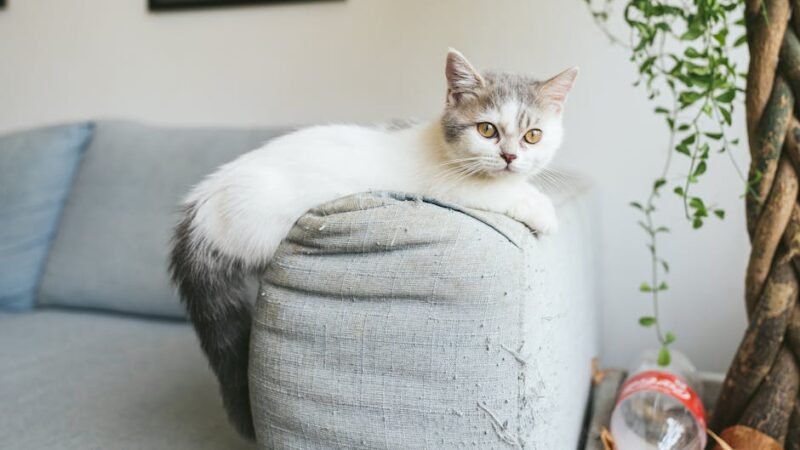
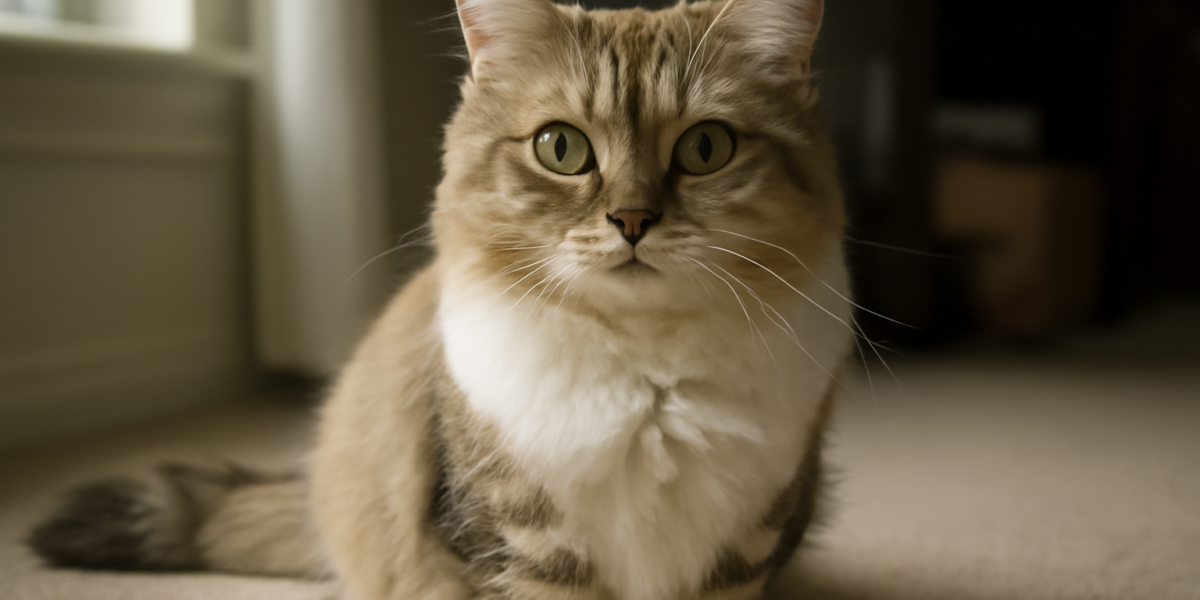
The Minuet has a rounded head, large round eyes, small to medium ears set wide, and a stocky, short-legged body. The coat comes in two lengths — shorthair (Exotic-influenced) and longhair (Persian-influenced) — and in essentially every color and pattern Persians come in, including pointed, tabby, solid, tortie, and bicolor. Importantly, the modern Minuet is bred toward a doll-face structure rather than the extreme flat-faced ultra-Persian look. The muzzle is shorter than a moggy’s, but the nose break sits below the eye line rather than between the eyes.
Compared to the related Munchkin parent breed, the Minuet is rounder, fluffier, and softer-featured. Compared to the Exotic Shorthair, it is shorter-legged and smaller. The breed was deliberately positioned in that visual niche.
Temperament and Personality
Minuets are gentle, sociable, playful, and family-oriented. They hold the Persian’s calmer temperament while inheriting the Munchkin’s curiosity and willingness to play. Most Minuets get along well with children, dogs, and other cats when introductions are handled patiently. They are not especially vocal, and they tend to seek lap time without demanding it.
If you want a more talkative or active cat, this breed is probably too low-key for you. If you want a high-engagement breed, see the most playful cat breeds roundup instead. The Minuet sits closer to the calmest cat breeds list.
Living Environment
Minuets are indoor cats. Their short legs and Persian-derived coat make outdoor life impractical and unsafe. Inside, provide low to mid-height climbing furniture, soft beds in quiet corners, and at least two daily play sessions. They tolerate apartment living well and do fine with respectful children and confident, gentle dogs.
If you live in a Singapore HDB flat or another apartment, the HDB-friendly cat breeds roundup includes breeds with similar profiles. Pair the Minuet with a puzzle feeder rotation to keep mealtime engaging in small spaces.
Grooming and Coat Care
Longhair Minuets need daily combing through the chest, armpits, and pantaloons to prevent mats. Shorthair Minuets need a weekly comb-through. Both variants benefit from weekly eye-corner wipes — even a doll-face Minuet has shorter tear ducts than a moggy and may show tear staining without daily cleaning. Use a soft cloth and warm water; saline wipes are fine if your vet recommends them.
Bathe a longhair Minuet every six to eight weeks if you can; bathe a shorthair only as needed. Trim nails every two to three weeks, and check ears weekly for wax buildup. Dental hygiene matters more for this breed than for many others — see the next section.
Health Considerations and Honest Risks
The Minuet inherits considerations from both parent breeds. An honest care plan addresses each:
From the Persian / Exotic side: tear duct drainage issues, dental crowding (the shorter muzzle leaves less jaw real estate for full adult dentition), and a higher rate of hypertrophic cardiomyopathy in some lines. Cardiac screening with a board-certified feline cardiologist before breeding (and ideally for pet cats annually from middle age) is the responsible standard. Persian-derived lines also occasionally carry kidney concerns; ask your breeder about renal screening history.
From the Munchkin side: the achondroplastic short-leg trait. Lordosis (excessive inward spinal curvature) and pectus excavatum (sunken chest wall) appear at low but non-zero rates in dwarf-cat lineages. Reputable breeders screen kittens for both and disclose family history.
Beyond the breed-specific work, follow the adult cat wellness checklist for routine exams, dental care, and bloodwork.
Feeding and Nutrition
Feed a complete and balanced diet appropriate to life stage. Doll-face Minuets eat without much difficulty, but flatter-faced individuals may prefer pâté-style wet food or kibble shapes designed for short-muzzled cats. Watch portion sizes — the breed gains weight quickly because of the lower activity baseline. Fresh water in multiple locations and a fountain are good defaults.
Daily Routine and Enrichment
Minuets are calmer than many active pedigree breeds, but they still need daily engagement. A typical day includes a morning play session, breakfast, a long nap, an afternoon snack with light play, dinner, and evening lap time. They tend to settle into household routines quickly and prefer predictability over surprises.
Plan for two play sessions of about ten minutes each. Wand toys, soft kicker toys, and puzzle feeders all work well. They are not high jumpers — keep enrichment at low to medium height — and they often prefer ground-level games to vertical pursuit. A bored Minuet usually expresses it through gentle persistence (head bumps, soft meows) rather than destructive behavior, which is one reason the breed suits quieter households.
Multi-Pet Households
Minuets typically integrate well with other cats and with calm, cat-savvy dogs. Their gentle temperament makes them a good choice for households expanding to a second pet, and they often welcome a feline companion when introductions are handled patiently. The introducing a new kitten to a resident cat guide covers the standard protocol; the introducing a new cat to a resident dog guide covers cross-species introductions.
For households considering a second cat alongside a Minuet, the adding a third cat decision guide walks through capacity considerations. Minuets generally make smooth additions to existing pet households because of their adaptable, peaceable nature.
Cost of Ownership Considerations
Pedigree Minuet kittens command premium prices through registered breeders, and the longhair variant adds grooming costs over the cat’s lifetime. Annual veterinary costs may run higher than for non-pedigree breeds because of the recommended cardiac and Persian-line health screenings.
The first-year cost of owning a cat guide is a useful baseline; budget toward the higher end for a Minuet. The pet emergency fund savings target page covers building a buffer for unexpected veterinary bills, which matters for any breed combining two parent lines with their own health considerations.
Travel and Boarding Considerations
Minuets generally travel well when introduced to carriers in kittenhood. The smaller body and short legs make crate setup easier than with larger breeds — most Minuets fit comfortably in standard medium carriers. Cover the carrier with a light cloth in the car to reduce visual stress, and keep the cabin temperature stable. For longer trips, plan for water breaks and litter access every few hours.
For boarding, prefer in-home pet sitters over commercial boarding facilities when possible. The breed’s calm nature suits a quiet home environment better than a noisy boarding kennel. The pet boarding cost breakdown covers what to budget for short-term care, and a sitter who can come to your home twice daily often produces better outcomes for the cat than overnight boarding.
Adopting a Minuet
Pedigreed Minuets are not commonly found in shelters. Your realistic paths are a reputable breeder, a breed-specific rescue contact, or a Munchkin-mix rescue who happens to share traits with the breed. Before contacting any breeder, walk through the finding a reputable rescue in your state guide and the reputable rescue red flags checklist.
For broader adoption options across cat-only organizations, the cat-only rescues overview is a good starting point. Be prepared for a wait — well-bred Minuets often have waiting lists.
Is the Minuet Right for You?
The Minuet suits households who want a sweet-natured, family-friendly cat with the Persian’s softer temperament in a smaller package. They fit gentle children, calm dogs, and adopters who can handle daily grooming for the longhair variant. They are a strong fit for retirees, work-from-home households, and quieter homes overall.
They are a poor fit for adopters who want a low-maintenance grooming profile, who plan to leave the cat alone for long stretches, or who have homes with frequent loud activity. If the doll-face look appeals more than the short legs, look at the Persian or Himalayan for a similar face on full-length legs.
Kitten Care and Early Months
Minuet kittens benefit from gentle daily handling, slow introductions to new environments, and consistent routines from the start. Maintain the kitten’s existing food brand for at least the first two weeks before transitioning. Plan for four small meals daily until about four months, then taper to three. The kitten feeding schedule by age guide covers the standard transitions, and the kitten vaccination schedule covers the early veterinary visits.
Eye and dental care start in kittenhood. Daily eye-corner wipes habituate the kitten to handling and prevent tear-stain buildup. Begin gentle tooth-brushing in kittenhood as well — the breed’s shorter muzzle means dental crowding can develop, and a kitten who tolerates brushing becomes an adult who tolerates dental care. The kitten dental development guide and kitten parasite prevention guide cover the early-life routines.
Senior Care for Minuets
Senior Minuets (from about ten years onward) need closer monitoring of cardiac, dental, and renal function. The Persian-derived parentage means HCM screening becomes more pressing in middle age, and the shorter muzzle means dental disease tends to advance more quickly than in long-muzzled breeds. Twice-yearly veterinary exams, regular bloodwork, and cardiac follow-up keep small problems from becoming large ones. The senior cat care checklist covers the standard adjustments, and the annual bloodwork for cats guide covers screening priorities.
Watch for changes in litter box habits, water intake, breathing patterns at rest, and reluctance to play. The breed’s calmer baseline means some senior changes may be subtle — keep records of what is normal for your individual cat so you can spot deviations early.
Frequently Asked Questions
Are Minuets the same as Napoleon cats?
Yes — Napoleon was the original name. The breed was renamed Minuet in the 2010s; the cats themselves are unchanged.
Do all Minuet kittens have short legs?
No. Because the dwarfism gene is heterozygous, litters typically contain both standard (short-legged) and non-standard (regular-legged) kittens. Both are wonderful pets; only the short-legged ones meet the show standard.
Do Minuets have breathing problems?
Modern Minuets are bred to a doll-face standard with a less extreme nose break than ultra-flat Persians. Most do not have significant breathing issues, but you should ask any breeder for video of the kitten breathing at rest before committing.
How long do Minuets live?
Lifespan varies by individual line. Ask your breeder about the longest-lived cats in their pedigree and any common causes of death.
Are they good with dogs?
Generally yes, especially with calm, cat-savvy dogs. Slow introductions and managed first meetings make a long-term friendship more likely.
Looking to adopt a Minuet (Napoleon) Cat Breed Profile?
Browse Minuet (Napoleon) Cat Breed Profile cats and mixes available for adoption from shelters and rescues near you.
Find Minuet (Napoleon) Cat Breed Profile Cats for Adoption