Last updated: April 6, 2026
In this article
Quietest Cat Breeds: Serene Felines for Peaceful Homes
While some cat breeds are known for their vocal personalities, carrying on full conversations with their owners and announcing their every need with enthusiastic meows, others take a quieter approach to life. For people who live in apartments, work from home, have noise-sensitive households, or simply prefer a more serene companion, choosing a naturally quiet cat breed can make a significant difference in daily quality of life.
It is important to note that quiet does not mean unaffectionate or distant. Many of the quietest cat breeds are also among the most loving and devoted. They simply express their feelings through soft purrs, gentle head bumps, and silent snuggles rather than persistent vocalizations. A quiet cat can be just as engaging, playful, and bonded to their owner as a talkative one, they just communicate in different ways.
In this roundup, we will introduce you to some of the quietest cat breeds, covering their temperaments, care needs, and what makes them such pleasant companions for people who value tranquility. Whether you are a first-time cat owner looking for an easygoing breed or an experienced cat person seeking a more peaceful addition to your household, you will find excellent options here.
What Makes a Cat Breed Quiet?
Before exploring specific breeds, it is helpful to understand what contributes to a cat’s vocalization level and why some breeds are naturally quieter than others.
Genetics play the primary role in determining how vocal a cat breed tends to be. Breeds that originated in specific regions or were developed for particular purposes have varying tendencies toward vocalization. Some breeds, like the Siamese, were selectively bred in environments where vocal communication was valued, resulting in highly talkative cats. Others developed in settings where quiet behavior was more advantageous, leading to naturally reserved vocal habits.
Temperament and energy level also influence vocalization. High-energy, attention-seeking breeds tend to be more vocal because they use their voice as a tool to engage their owners and express their needs urgently. Calmer, more independent breeds are often content to communicate through body language and subtle cues, saving their voice for situations that truly warrant it.
Individual personality always plays a role as well. Within any breed, some individuals will be more vocal than others. Breed tendencies are generalizations based on the majority of cats within that breed, but there will always be exceptions. A naturally quiet breed gives you better odds of getting a quiet cat, but it is not a guarantee.
Environment and upbringing can also affect vocalization. Cats that learn that meowing gets them attention, food, or access to desired areas may become more vocal over time regardless of breed. Conversely, cats in calm, consistent environments with predictable routines tend to vocalize less because their needs are being met without the need to ask loudly.
If you are looking for a quiet cat specifically for apartment living, our guide to the best cats for apartments covers additional considerations like activity level, space needs, and neighbor-friendliness that go beyond vocalization alone.
Top Quiet Cat Breeds
The following breeds are consistently recognized as being among the quietest in the feline world. Each offers its own unique blend of personality, appearance, and care needs, but they all share the trait of being naturally reserved in their vocalizations.
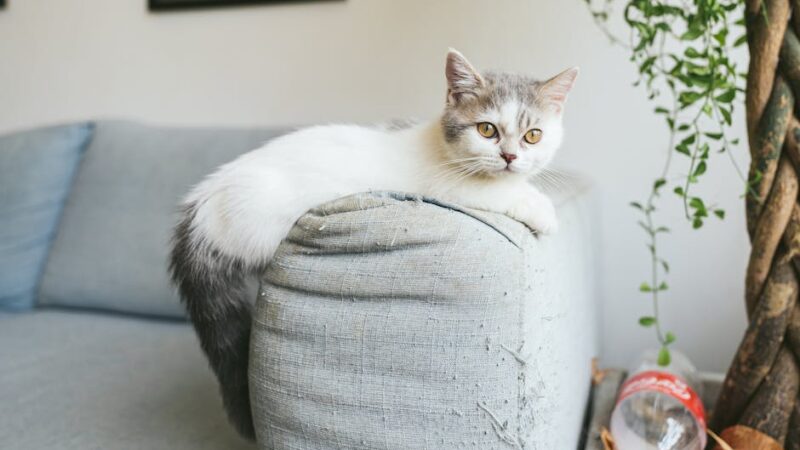
The British Shorthair is often described as the quiet gentleman of the cat world. These stocky, plush-coated cats have calm, even-tempered personalities and rarely raise their voices. When they do vocalize, it tends to be a soft, almost whispered meow that is more endearing than disruptive. British Shorthairs are independent enough to entertain themselves but affectionate enough to enjoy lap time and companionship. They adapt well to apartment living and are known for being patient and gentle with children and other pets.
The Chartreux is a French breed known for its stunning blue-gray coat and quiet, observant nature. These cats are sometimes called the smiling cats of France because of the shape of their mouths, which gives them a perpetually pleasant expression. Chartreux cats are intelligent and attentive but rarely vocal, preferring to communicate through chirps, trills, and meaningful glances rather than loud meows. They bond closely with their families and are known for following their favorite person from room to room in companionable silence.
The Russian Blue is a naturally reserved breed that tends to be quiet in both voice and demeanor. These elegant, silver-blue cats are gentle, sensitive, and somewhat shy, especially around strangers. With their own family, they are loyal, affectionate, and playful, but they express themselves softly and subtly. Russian Blues thrive on routine and can become stressed in chaotic or noisy environments, making them particularly well-suited to calm, quiet households.
The Ragdoll lives up to its name by going limp with relaxation when picked up, and their vocal tendencies match this laid-back personality. Ragdolls are famously gentle, patient, and quiet cats that rarely meow loudly. When they do vocalize, it is typically a soft, sweet sound that barely registers as a disturbance. Despite their size, Ragdolls are among the most peaceful cats you can own, and they are excellent with children, other cats, and even dogs.
The Persian is one of the most iconic cat breeds and also one of the quietest. These luxuriously coated cats have calm, docile temperaments and prefer a serene environment. Their vocalizations are infrequent and characteristically soft, often described as musical or melodic. Persians are content to lounge in comfortable spots, enjoy gentle petting, and observe household activity from a dignified distance. They do require significant grooming attention, but their peaceful nature makes them wonderful companions for quiet homes.
The Scottish Fold, recognizable by their distinctive folded ears, is known for being quiet, adaptable, and sweet-natured. These cats tend to be vocal only when they have something specific to communicate, and even then, their voices are soft and unobtrusive. Scottish Folds are sociable without being demanding, and they get along well with other pets and children. They are also known for sitting in unusual positions, including the famous Buddha sit, which adds to their charm.
The Birman is a striking breed with point coloring, white paws, and bright blue eyes that manages to be both beautiful and remarkably quiet. Birmans are social, gentle cats that enjoy being around people but do not demand attention through constant vocalization. They have soft, sweet voices that they use sparingly, and they are known for being particularly gentle and patient with children. Birmans adapt well to various living situations and make excellent indoor cats.
The Exotic Shorthair is essentially a short-haired version of the Persian, sharing the same calm, quiet temperament with a much more manageable coat. These round-faced cats are affectionate, gentle, and rarely vocal. They enjoy companionship and will happily sit beside their owner for hours, content with proximity rather than active engagement. Their low energy level and quiet nature make them ideal for apartment living and for owners who want a low-maintenance, peaceful companion.
The Norwegian Forest Cat, despite being a large and impressive breed, is surprisingly quiet. These majestic cats have soft, gentle voices that they rarely use, preferring to communicate through subtle body language and purring. Norwegian Forest Cats are independent yet affectionate, comfortable spending time alone but equally happy to be near their family. They are patient and tolerant, making them good with children and other animals.
The Abyssinian might seem like a surprising inclusion on a quiet cat list, as they are known for being active and playful. However, Abyssinians are actually quite quiet in terms of vocalization. They are busy, curious cats that prefer to explore, climb, and investigate rather than sit and meow. Their communication style is typically through chirps and trills rather than full-throated meows, and these sounds are soft and infrequent. If you want a quiet cat that is also active and entertaining, the Abyssinian offers an excellent balance.
Living With a Quiet Cat: What to Expect
Choosing a quiet cat breed shapes your daily experience in subtle but meaningful ways. Understanding what life with a quiet cat is like helps you appreciate the unique qualities these breeds bring to your home.
Quiet cats communicate differently, not less. You will learn to read your cat’s body language, tail position, ear orientation, and eye contact instead of relying on vocal cues. A slow blink means affection, a swishing tail might indicate irritation, and ears flattened back signal fear or aggression. Developing this body language literacy deepens your bond with your cat and makes you a more attentive pet owner overall.
The peacefulness of a quiet cat is especially appreciated in apartment settings. You will not receive noise complaints from neighbors, you can take phone calls and video meetings without a cat yowling in the background, and the overall atmosphere of your home will feel calmer. For people who work from home, a quiet cat breed is practically a necessity to maintain productivity and professionalism.
One potential challenge with very quiet cats is that they may not alert you as obviously when something is wrong. A vocal cat will yowl when they are in pain, hungry, or trapped somewhere. A quiet cat may suffer in silence, making it more important for you to observe them closely and maintain regular veterinary checkups. Any sudden change in a quiet cat’s behavior, even subtle changes like reduced appetite, hiding, or changes in litter box habits, should prompt attention.
Quiet cats can be just as playful and engaging as vocal ones. Many quiet breeds, like the Abyssinian and Chartreux, are highly intelligent and enjoy interactive play, puzzle toys, and exploration. The difference is that they go about their activities without a running commentary. You may find that the sounds your quiet cat does make, a rare soft meow, a contented purr, a brief chirp, feel more special and meaningful precisely because they are uncommon.
Quiet cats are often wonderful for households with babies, young children who need naps, shift workers who sleep during the day, or anyone who is sensitive to noise. The lack of loud vocalizations creates a more restful home environment that benefits everyone in the household, human and animal alike.
Breeds to Avoid If You Want a Quiet Cat
To help you steer your search effectively, it is equally useful to know which breeds are known for being particularly vocal so you can make an informed decision about what is right for your situation.
The Siamese is consistently ranked as the most vocal cat breed. These intelligent, social cats have loud, low-pitched voices and are not shy about using them. Siamese cats will meow to greet you, demand food, express displeasure, request attention, and sometimes seemingly just to hear themselves talk. If you live in an apartment or value quiet, the Siamese is not a compatible choice.
Oriental breeds, including the Oriental Shorthair and Oriental Longhair, share the Siamese tendency toward vocalization. These breeds are closely related to the Siamese and have inherited the same expressive, talkative nature. They are wonderful cats for people who enjoy a conversational companion but not ideal for those seeking tranquility.
The Bengal is a high-energy, highly vocal breed that can produce an impressive range of sounds including chirps, yowls, and surprisingly loud meows. Their wild ancestry contributes to their vocal expressiveness, and they will readily let you know when they want attention, food, or playtime. Bengals are fantastic cats but not for noise-sensitive households.
Burmese cats are known for their persistent, raspy voices and their willingness to use them frequently. They are affectionate, social cats that crave interaction, and vocalization is one of their primary tools for engaging with their owners. While their voices are generally softer than a Siamese, they make up for it with frequency.
The Tonkinese, a cross between Siamese and Burmese, predictably falls into the vocal category as well. They have moderately loud voices and enjoy conversing with their owners throughout the day. Like their parent breeds, they are wonderful companions who happen to have a lot to say.
If you are dealing with a cat that has become excessively vocal regardless of breed, whether due to medical issues, behavioral changes, or environmental stress, our article on cat excessive vocalization can help you identify the cause and find solutions.
Choosing the Right Quiet Cat for Your Home
Among the quiet breeds profiled here, there are significant differences in energy level, grooming needs, sociability, and overall care requirements. Matching the right quiet breed to your lifestyle ensures a harmonious relationship for years to come.
For apartment living with minimal space, the Exotic Shorthair, British Shorthair, or Scottish Fold are excellent choices. These breeds have moderate to low energy levels, require relatively little space, and are content in smaller environments. Their quiet nature combined with their adaptability makes them some of the best apartment cats available.
For families with children, the Ragdoll, Birman, and British Shorthair stand out for their patience, gentleness, and tolerance of handling. These breeds can withstand the enthusiastic affection of children without becoming stressed or reactive, and their quiet demeanor helps maintain a peaceful household even with kid-related chaos happening around them.
For people who want a quiet but active cat, the Abyssinian and Chartreux are the best options. Both are intelligent, playful, and entertaining to watch, but they go about their activities without excessive vocalization. They are ideal for owners who want engagement and entertainment without the noise.
For owners who want a truly low-maintenance, peaceful companion, the Persian and Exotic Shorthair are the most laid-back choices on this list. Both have very low energy levels and are content to spend their days lounging in comfortable spots. The main difference is grooming: Persians require daily brushing, while Exotic Shorthairs need significantly less coat maintenance.
If you live alone and work long hours, the British Shorthair, Russian Blue, or Norwegian Forest Cat handle time alone better than more social breeds. They appreciate your company when you are home but do not become excessively anxious or vocal when left to their own devices. Pairing them with enrichment activities like puzzle feeders and window perches helps keep them content during your absence.
Regardless of breed, always consider adopting from a shelter or rescue when possible. Many quiet, gentle cats of various breeds and mixes are waiting for homes in shelters across the country. Shelter staff can help you identify cats with calm, quiet temperaments based on their observations and interactions with the animals. Adult cats are particularly good adoption candidates when seeking specific personality traits because their temperament is already established, unlike kittens whose adult personality is harder to predict.
Frequently Asked Questions
Are male or female cats quieter?
There is no significant, consistent difference in vocalization levels between male and female cats of the same breed. Both sexes can be quiet or vocal depending on their individual personality, breed tendencies, and whether they are spayed or neutered. Intact cats of both sexes tend to be more vocal than altered cats, as hormonal cycles drive vocalizations related to mating behavior. Spaying or neutering typically reduces these specific vocalizations significantly. Beyond that, individual personality and breed characteristics are far more reliable predictors of a cat’s noise level than sex.
Can a vocal cat be trained to be quieter?
While you cannot change a cat’s fundamental personality or breed tendencies, you can reduce excessive vocalization through behavioral strategies. The most important step is to avoid reinforcing vocal behavior by not responding to meowing with food, attention, or access to desired areas. Instead, reward quiet behavior and wait for a pause in meowing before giving your cat what they want. Ensuring that your cat’s needs are met proactively, including regular feeding schedules, daily play sessions, and environmental enrichment, also reduces demand-based vocalization. However, if your cat’s breed is naturally vocal, complete silence is not a realistic expectation.
Do quiet cats still purr?
Yes, quiet cats absolutely still purr. Purring is a different mechanism than meowing and is not correlated with a cat’s overall vocalization level. Many of the quietest cat breeds are actually prolific purrers, using this gentle, soothing vibration as their primary form of communication and contentment expression. A Ragdoll that rarely meows may purr loudly and frequently, while a British Shorthair might offer a soft, steady purr when settled in your lap. Purring is one of the most pleasant sounds a cat makes, and even the quietest breeds tend to purr generously when happy and comfortable.
Is a quiet cat a sign of illness?
A cat that has always been quiet is likely just naturally reserved in their vocalizations, which is normal for many breeds and individual cats. However, a sudden decrease in vocalization in a previously talkative cat can be a sign of illness or distress and should be evaluated by a veterinarian. Conditions that can cause a normally vocal cat to become quiet include respiratory infections, laryngeal problems, pain, depression, and various systemic illnesses. The key indicator is change. A quiet cat that has always been quiet is likely healthy. A talkative cat that suddenly goes silent warrants medical attention.
What is the quietest cat breed overall?
While individual variation exists within every breed, the British Shorthair and Chartreux are often cited as the overall quietest cat breeds. Both have naturally reserved temperaments, soft voices, and a strong tendency to communicate through body language and subtle cues rather than vocalization. The Persian and Exotic Shorthair are close contenders, with their extremely calm, docile personalities contributing to very low vocalization levels. Ultimately, the quietest cat for your home will depend on finding an individual animal with a naturally reserved temperament, regardless of breed label.
Looking to adopt a Quietest Cat Breeds?
Browse Quietest Cat Breeds cats and mixes available for adoption from shelters and rescues near you.
Find Quietest Cat Breeds Cats for Adoption