Last updated: May 4, 2026
In this article
- Overview of the Sam Sawet Cat
- History and Cultural Roots
- Appearance and Coat
- Temperament and Personality
- Care and Daily Living
- Health Considerations
- Diet, Feeding, and Enrichment
- Adoption and How to Find a Sam Sawet
- Living With Other Pets and Children
- Is the Sam Sawet Right for You?
- Costs, Setup, and Senior Care
- Frequently Asked Questions
Overview of the Sam Sawet Cat
The Sam Sawet cat is a traditional three-colored Thai heritage breed whose name translates roughly as “color of the dawn.” It is one of the lesser-known cats from Thailand’s old cat manuscripts, the Tamra Maew, alongside more famous siblings such as the Korat, the Khao Manee, and the Suphalak.
You will sometimes hear the Sam Sawet called a “Thai tortie,” but the name specifically refers to a tri-colored coat blending warm brown, cream, and lighter shades, not the classic black-and-orange tortoiseshell pattern most Western owners picture.
This profile sets out what the Sam Sawet is, where it comes from, and what to expect if you fall for the look. Because verified data on this breed is limited, we will stick to qualitative descriptions and skip invented statistics.
History and Cultural Roots
The Sam Sawet is documented as one of several traditional Thai cat varieties. Thai breed historians recognize a small group of “auspicious” coat colors and patterns, and the Sam Sawet’s blended dawn-colored coat is part of that tradition.
The breed has been promoted by some Thai cat associations as a heritage line worth preserving. International recognition is limited, and you will rarely see Sam Sawet entries in CFA or TICA show halls. They live mostly within Thai breeder networks and the homes of enthusiasts.
Like the Korat and Khao Manee, the Sam Sawet is best understood as a regional natural cat with cultural significance, rather than a heavily engineered modern breed.
Appearance and Coat
Sam Sawet cats are medium-sized and athletic, with a balanced body that is neither cobby nor extreme oriental. They share the moderate Thai outline you see in the Korat and traditional Siamese-type cats.
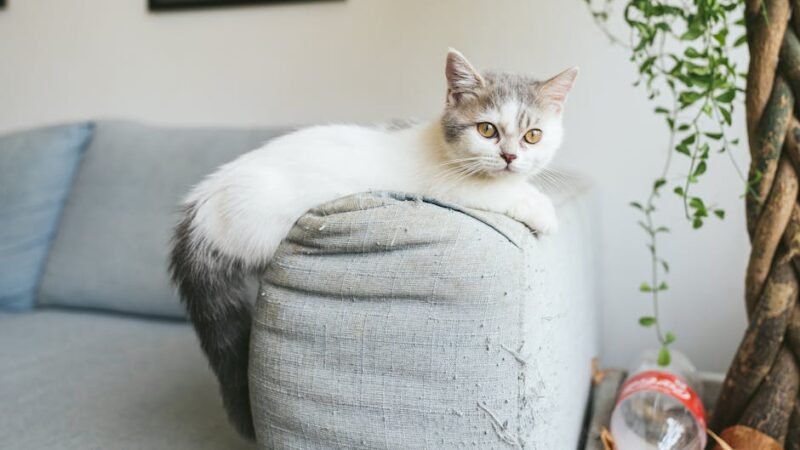
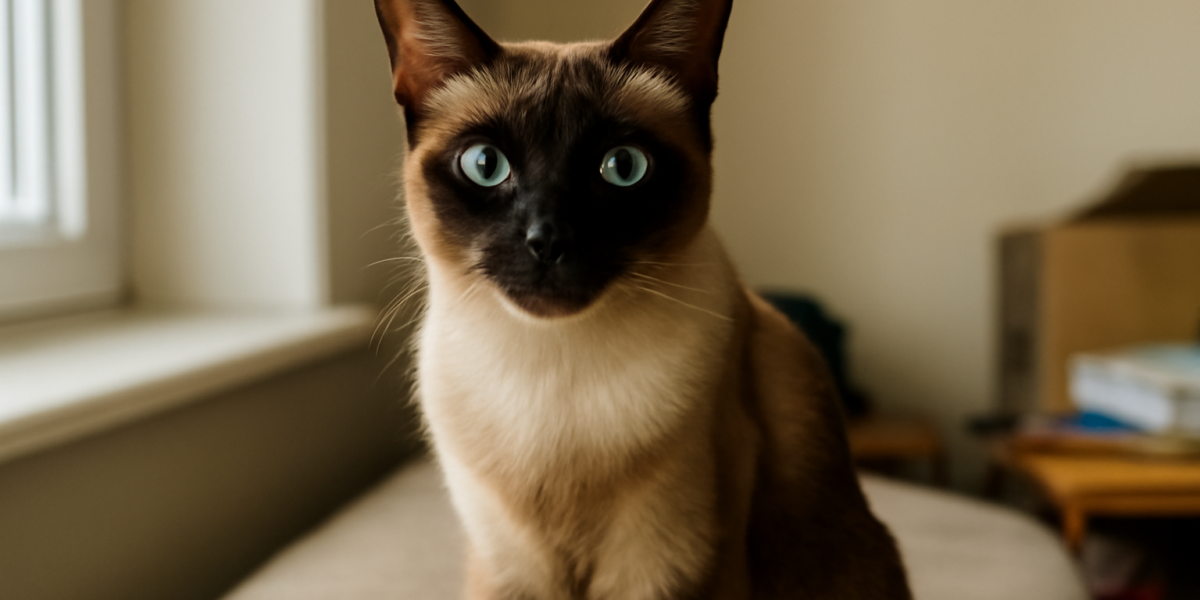
The defining feature is the coat. Look for a soft blending of three warm tones, sometimes described as cream, fawn, and gentle brown, that gives the cat a sunrise glow rather than the bold patches of a tortoiseshell. The coat is short, close-lying, and easy to maintain.
Eyes are usually golden, amber, or a warm green. Ears are alert, the tail tapers neatly, and the overall impression is of an elegant, agile cat with quietly distinctive coloring.
Temperament and Personality
People who live with Sam Sawet cats describe them as affectionate, intelligent, and socially engaged. They generally bond closely with their families, follow people around, and dislike being left out of household activity.
They tend to be moderately vocal, though usually less talkative than a traditional Siamese. Expect chatty greetings rather than constant commentary. Many enjoy interactive play well into adulthood and respond well to clicker training and food puzzles.
They typically do well in multi-cat homes when introductions are gradual and respectful. Use a slow swap-and-feed approach when you first bring one home; the same techniques you would use when introducing a kitten to a resident cat apply.
Care and Daily Living
Coat care is straightforward. A weekly brush keeps the short coat tidy and gives you a chance to check skin, ears, and body condition. Sam Sawet cats are clean groomers and rarely need bathing.
Provide vertical space, scratching surfaces, daily interactive play, and food enrichment. Like other Thai heritage breeds, the Sam Sawet thrives on engagement. Ten to fifteen minutes of wand-toy play twice a day plus a puzzle feeder meal is a good baseline.
Keep them indoors or in a secure catio for safety. They are too rare and too valued to roam freely, and indoor cats live longer on average regardless of breed. Keep vaccinations current and schedule regular check-ups.
Health Considerations
The Sam Sawet does not carry a long published list of breed-specific health problems, partly because population data is limited. As a moderate, naturally bred Thai cat, it tends to share the general profile of healthy domestic shorthairs.
Watch for the usual feline issues: dental disease, weight gain in indoor cats, and senior conditions such as chronic kidney disease, hyperthyroidism, and diabetes mellitus. Hypertrophic cardiomyopathy screening is sensible for any pedigreed cat.
An annual wellness exam with bloodwork as your cat ages helps catch problems early. Senior cats benefit from twice-yearly check-ins, ideally with bloodwork and blood-pressure monitoring.
Diet, Feeding, and Enrichment
Sam Sawet cats do well on a complete and balanced commercial cat food matched to life stage. Kittens need a growth formula until about a year. Adults shift to adult maintenance, and seniors often do best on a wellness-oriented or senior-specific food guided by bloodwork results.
Wet food helps with hydration and is especially useful for cats with a tendency toward urinary issues. Many owners offer a mix of wet and dry, with dry available in puzzle feeders and wet meals served morning and evening. Watch your cat’s body condition rather than the bowl; measure meals and adjust portions if you notice the waist tucking less or the ribs becoming hard to feel.
Sam Sawets respond well to positive reinforcement and clicker training. Many learn their names, come when called, and can master tricks like sit, spin, and high-five with patient short sessions. Set up daily wand-toy play in two short sessions and rotate toys weekly. Food puzzles, foraging mats, and scatter-feeding around safe areas turn meals into mental work; puzzle feeders are a worthwhile investment.
Vertical space matters too. Cat trees, window perches, and wall shelves give the Sam Sawet a way to survey their territory. A bored Sam Sawet finds creative outlets you may not appreciate, so build enrichment in from day one.
Adoption and How to Find a Sam Sawet
You are very unlikely to find a pedigreed Sam Sawet in a Western shelter. Realistic options include working with a Thai-based heritage breeder, joining waitlists at small overseas catteries that import or work with Thai lines, or considering a “Sam Sawet-type” cat from rescue.
If you do shop the breed, vet the source carefully. Ask for health screening, kitten socialization details, and registration records. Watch for red flags such as no contract, no health guarantee, no vet records, and pressure to commit quickly.
If you are open-minded, plenty of dawn-colored, warm-toned domestic cats wait in cat-only rescues. They will not have the heritage paperwork, but they often share the look, the temperament, and the gratitude of a rescued cat.
Living With Other Pets and Children
Sam Sawets typically do well with respectful resident cats when introductions are gradual. Use the swap-and-feed approach over a week or two before allowing supervised meetings. Resident cats benefit from having clear high spaces and separate resources during the transition.
With sensible dogs, a confident Sam Sawet adapts comfortably. Choose a dog who has been around cats and who responds reliably to commands. Children who understand gentle handling tend to bond easily with this affectionate breed; very young children should be supervised.
Sensitive Thai heritage cats can be unsettled by chaotic environments. If your home is loud or constantly busy, build in quiet retreat spaces where your Sam Sawet can decompress.
Is the Sam Sawet Right for You?
The Sam Sawet suits owners who want an interactive, intelligent, affectionate cat and who can provide steady company and daily enrichment. They reward time and attention with strong bonding and entertaining personalities.
If you travel for weeks at a time and rarely have anyone home, this breed will not be at its best. Consider whether you can offer the social steadiness they thrive on before you invest in tracking one down.
If your home is calm, your schedule is consistent, and you appreciate cultural heritage as part of why you choose a breed, the Sam Sawet is a quietly extraordinary companion.
Costs, Setup, and Senior Care
The first year with any new cat involves predictable categories of spending: spay or neuter, core vaccines, microchip, parasite prevention, food, litter, scratching surfaces, a quality cat tree, toys, and routine vet visits. The first-year cost of owning a cat guide breaks the line items down clearly.
For a Sam Sawet, factor in acquisition costs that may include a deposit, waitlist time, and possibly travel or import paperwork if the kitten is coming from a Thai-based heritage program. Plan for months of preparation rather than weeks. Start a pet emergency fund from the start, since emergency care can run into thousands of dollars without warning.
As your Sam Sawet ages, transition gradually to senior cat care. Twice-yearly vet visits, annual or twice-yearly bloodwork, and weight monitoring catch age-related conditions early. Common senior issues include kidney disease, hyperthyroidism, dental problems, and arthritis.
Senior cats may show subtle changes: less jumping, slower mealtimes, or shifts in litter habits. These are worth mentioning to your vet rather than dismissing as “just getting older.” Keep enrichment going into the senior years; mental engagement supports healthy aging and helps prevent feline cognitive dysfunction.
Frequently Asked Questions
Is the Sam Sawet a tortoiseshell cat?
Not in the Western sense. A traditional tortie is patched in black and orange. The Sam Sawet is a warmly blended three-color cat in cream, fawn, and brown, more dawn than autumn.
Is the Sam Sawet recognized by major registries?
It is recognized within Thai cat associations as a heritage breed. Recognition by major Western registries is limited or absent. Verify status with the registry you care about before buying.
How active are Sam Sawet cats?
Moderately to highly active, especially as adolescents and young adults. Plan for daily play and enrichment.
Are Sam Sawet cats vocal?
They are chatty but generally less constantly vocal than traditional Siamese cats. Expect greetings and conversation rather than nonstop talk.
Can I find a Sam Sawet in a US shelter?
Almost never as a verified pedigree. You may find warmly colored mixed-breed cats with a similar look. Reputable local rescues are a good starting point.
Are Sam Sawet cats good for first-time owners?
Yes, with caveats. They are sociable and adaptable, which suits a beginner, but they need consistent enrichment and company. If your schedule is steady and you can offer daily play and engagement, they can be a great first cat.
How does the Sam Sawet compare to other Thai heritage cats?
The Sam Sawet shares the moderate Thai body shape of the Korat, Suphalak, and Khao Manee, but each is defined by a distinct color pattern. The Sam Sawet’s dawn-colored tri-color coat is its signature feature, while the Korat is silver-blue, the Suphalak is solid brown, and the Khao Manee is solid white.
Looking to adopt a Sam Sawet Cat Breed Profile?
Browse Sam Sawet Cat Breed Profile cats and mixes available for adoption from shelters and rescues near you.
Find Sam Sawet Cat Breed Profile Cats for Adoption