Last updated: May 4, 2026
In this article
- Overview of the Suphalak Cat
- Origin and History
- Appearance and Distinct Features
- Temperament and Personality
- Living Environment
- Grooming and Coat Care
- Health Considerations and Honest Risks
- Feeding and Nutrition
- Daily Routine and Enrichment
- Multi-Pet Households
- Cost of Ownership Considerations
- Adopting a Suphalak Cat
- Is the Suphalak Right for You?
- Kitten Care and Early Months
- Frequently Asked Questions
Overview of the Suphalak Cat
The Suphalak is a heritage cat from Thailand, distinguished by its solid, rich coppery-brown coat. The breed appears in the historical Thai cat-poems known as the Tamra Maew, alongside other ancient breeds like the Korat, Khao Manee, and Wichienmaat (the original Siamese). Despite its similar color, the Suphalak is not the same breed as the Burmese — the two have separate origins, separate genetic foundations, and separate breed standards, even if their coats look superficially alike to the untrained eye.
If you are drawn to a deeply colored, solid, golden-eyed cat with a long cultural history, the Suphalak is worth knowing about. Realistically, however, the breed is rare both in Thailand and abroad, and most people will admire it from a distance rather than welcome one into their home.
Origin and History
Suphalak cats appear in Thai manuscripts dating back centuries, where they were considered auspicious and associated with prosperity. The breed nearly disappeared during the upheavals of the twentieth century, and modern Suphalak breeding programs in Thailand have worked to revive the heritage type from a small founding population. Some Western Burmese-breed lineage traces back to Thai imports of solid-brown cats, which has caused historical confusion between the two breeds.
The Suphalak is not the Burmese. The Burmese was developed in the United States from a single foundation cat (Wong Mau) crossed with Siamese stock, while the modern Suphalak is a Thailand-based revival of the heritage type with a different breeding philosophy. Both are gorgeous brown cats; they are simply not the same breed. The Asian cat breeds overview places the Suphalak within the broader regional context.
Appearance and Distinct Features
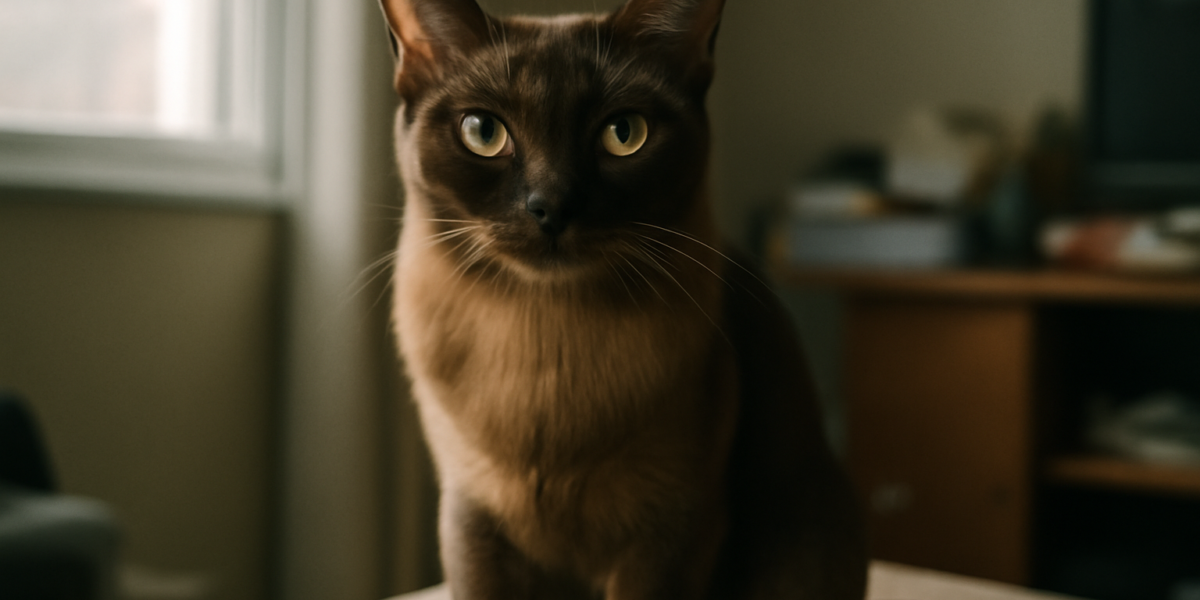
The Suphalak is medium-sized with a moderately muscular, well-balanced body, neither extremely cobby nor extremely lean. The coat is short, close-lying, and silky, in a rich solid brown — described in Thai as “copper” or “ripe rambutan.” There are no markings, points, or shadings; the entire body is one even, deep brown. Eyes are large and golden, contrasting strikingly with the coat.
The head is moderately wedge-shaped, longer than the cobby Burmese head but rounder than the slim Siamese-type head. Ears are medium to large and set wide. Compared to the Burmese, the Suphalak has a less rounded face, longer body, and lighter overall build. Compared to the Havana Brown, the Suphalak has different head proportions and golden rather than green eyes.
Temperament and Personality
Owner reports describe Suphalak cats as gentle, affectionate, and intelligent. They tend to be moderately active, enjoy lap time, and bond closely with their families. They are typically calm rather than vocal, though they will engage in conversation when something interests them. Most Suphalaks get along well with respectful children, calm dogs, and other cats when introductions are handled patiently.
Because the breed population is small, breed-wide temperament generalizations should be taken loosely. Individual variation matters more than group statistics with such a small population. The most affectionate cat breeds roundup covers other options at similar temperament levels.
Living Environment
Suphalaks are best kept indoors. The breed’s rarity makes outdoor risks (theft, predators, traffic) unacceptable, and the calm temperament does not need outdoor stimulation to be satisfied. Inside, the breed thrives with normal cat enrichment — perches, puzzle play, scratching surfaces, and daily interaction.
Apartment life suits the Suphalak well. They are not especially large or active, and they adapt to small-home routines. The best indoor cats roundup includes other breeds with similar profiles. For Singapore HDB compatibility, see the HDB-friendly cat breeds roundup.
Grooming and Coat Care
The short, close coat is low-maintenance. A weekly comb-through with a fine metal comb removes loose hair and brings out the rich color. Bathe only as needed; the natural oils that give the coat its depth do not benefit from frequent washing.
Standard nail trims, weekly ear checks, and a regular dental routine round out the care plan. The breed’s coat does not mat or tangle, and seasonal shedding is modest. Brushing also helps you spot any skin changes early — a useful habit with any breed.
Health Considerations and Honest Risks
The Suphalak is a naturally evolved heritage breed without the structural issues common in flat-faced or short-legged designer breeds. The small modern founding population does raise long-term genetic diversity concerns, and outcrossing programs vary in rigor between breeders.
No breed-specific disease load has been firmly documented in the way it has for some Western pedigrees. Routine wellness follows the adult cat wellness checklist — annual exams, dental care, vaccinations, parasite prevention, and bloodwork from middle age. Cardiac screening for hypertrophic cardiomyopathy is reasonable for any pedigreed cat, particularly given some heritage Asian breeds carry HCM mutations in their broader gene pool.
Lifespan figures specific to the Suphalak are unreliable due to the small population. Indoor-kept, well-fed, vet-supported cats appear to live within typical pedigreed-cat ranges based on owner reports.
Feeding and Nutrition
Feed a complete and balanced diet appropriate to life stage. The Suphalak is moderately active and tolerates standard quality commercial diets well. Fresh water in multiple locations, measured meals over free-feeding, and routine weight checks at the vet keep the cat in good condition.
If you have other cats, the feeding a multi-cat household with different diets guide covers practical separation of feeding stations. The puzzle feeder guide includes options that add enrichment to mealtimes.
Daily Routine and Enrichment
Suphalak cats follow calmer daily rhythms than active pedigree breeds. A typical day includes a morning play session, breakfast, a long midday nap, afternoon engagement, dinner, and lap time in the evening. They settle into household routines quickly and prefer predictability over surprises.
Plan for two play sessions of about ten minutes each, with moderate enrichment from wand toys, soft kicker toys, and puzzle feeders. The puzzle feeder guide covers options that add mealtime engagement. The breed is not particularly demanding about vertical space, but a window perch and a few elevated resting spots are appreciated. The calmest cat breeds roundup covers other options at similar temperament levels.
Multi-Pet Households
Suphalaks generally integrate well with other calm cats and with gentle, cat-savvy dogs. The breed’s gentle temperament makes them a good choice for households expanding to a second pet, and they often welcome a feline companion when introductions are handled patiently. They tend to do best in stable, predictable households rather than busy or chaotic ones.
The introducing a new kitten to a resident cat guide covers the standard slow-burn protocol. With dogs, choose calm, gentle breeds; the introducing a new cat to a resident dog guide covers the integration steps. Suphalaks generally make smooth additions to existing pet households thanks to their adaptable, peaceable nature.
Cost of Ownership Considerations
Pedigree Suphalak cats, when available outside Thailand, command premium prices due to the rarity and the import logistics involved. Within Thailand, prices through heritage breed programs are more moderate. Ongoing costs follow standard cat budgets, with relatively modest veterinary expenses thanks to the breed’s natural structural soundness.
The first-year cost of owning a cat guide is a useful baseline. The pet emergency fund savings target page covers building a buffer for unexpected veterinary bills, and the CareCredit and vet financing options guide covers payment routes for larger bills.
Adopting a Suphalak Cat
Adoption paths are limited. Within Thailand, the realistic options include heritage breed registration programs and Thai cat clubs working to preserve the breed. Outside Thailand, the Suphalak is essentially absent — a small number of breeders in Europe and North America have worked with imported foundation cats, but the global population remains tiny.
If a “Suphalak” appears at a low price on a Western classified site, slow down. Many sellers conflate the Suphalak with the Burmese or with mixed-heritage solid-brown cats. Verify pedigree paperwork carefully and work through the reputable rescue red flags guide and the finding a reputable rescue in your state resource. The cat-only rescues overview can connect you to specialty rescue groups.
For adopters who fall in love with the rich brown look but cannot find a Suphalak, the Burmese, Havana Brown, and Bombay are more accessible alternatives — each with its own personality and care profile.
Is the Suphalak Right for You?
The Suphalak suits adopters who want a gentle, affectionate, deeply-colored cat with a long cultural history and who are patient enough to wait for an ethical breeder source. They fit calm households, single-cat or small multi-cat setups, and apartment living.
They are a poor fit for adopters in a hurry, those expecting widely-available pedigree options, or those who want a high-energy or high-engagement breed. They are also a poor fit for anyone who would settle for “any solid-brown cat” without verifying the heritage — that is a Burmese, Havana Brown, or moggy, not a Suphalak, and the distinction matters for the breed’s preservation.
Kitten Care and Early Months
Suphalak kittens, given the breed’s rarity, often come from breeders or heritage programs that have invested in early socialization. Continue that work at home. Maintain the existing food for at least the first two weeks before transitioning. Plan for four small meals daily until about four months, then taper to three. The kitten feeding schedule by age guide covers the standard transitions, and the kitten vaccination schedule covers early veterinary visits.
Early socialization shapes the adult cat. Expose the kitten to household sounds, gentle handling by multiple people, carrier training, and brief car rides. Suphalaks who experience these early tend to be confident, calm adults — a good baseline for veterinary visits and travel. The kitten parasite prevention guide covers the prophylaxis schedule, and the kitten dental development guide covers tooth eruption.
Senior Care for Suphalak Cats
Senior Suphalaks (from about ten years onward) follow standard senior cat wellness routines. Twice-yearly veterinary exams replace annual visits, bloodwork screening for kidney and thyroid function becomes important, and dental care moves from optional to essential. The senior cat care checklist covers the standard adjustments, and the annual bloodwork for cats guide covers screening priorities for the senior years.
Watch for changes in litter box habits, water intake, vocalization patterns, and willingness to engage in play. The breed’s calm baseline means subtle senior changes may be easy to miss — establishing a clear sense of what is normal for your individual cat helps you spot deviations early. The breed’s natural hardiness often translates to a relatively quiet senior experience, but routine screening remains the right plan.
Frequently Asked Questions
Is the Suphalak the same as the Burmese?
No. They share a deep solid-brown color but have different geographic origins, founding populations, and breed standards. The Burmese was developed in the US from a single foundation cat in the twentieth century; the modern Suphalak is a Thailand-based revival of an ancient heritage type.
Why is the Suphalak so rare?
The breed nearly disappeared during the twentieth century, and modern revival has been slow due to the small founding population in Thailand and limited export of breeding stock.
Does the Suphalak have any specific health issues?
No firm breed-specific disease load has been documented. Routine wellness care, including cardiac screening from middle age, is reasonable for any pedigreed cat including the Suphalak.
How can I tell a Suphalak from a Burmese?
The Suphalak is leaner, with a longer body, a less-rounded face, and golden rather than gold-yellow eyes. Pedigree paperwork is the only reliable confirmation; visual identification alone is not enough.
Are Suphalak cats good for first-time owners?
Yes, in temperament — they are gentle and adaptable. The challenge for first-time owners is sourcing the breed ethically, since the population is so small.
Looking to adopt a Suphalak Cat Breed Profile?
Browse Suphalak Cat Breed Profile cats and mixes available for adoption from shelters and rescues near you.
Find Suphalak Cat Breed Profile Cats for Adoption