Last updated: May 4, 2026
In this article
Shiba Inu vs Akita: A Complete Side-by-Side Comparison
If you’ve ever been drawn to the dignified beauty of Japanese dog breeds, you’ve likely found yourself comparing the Shiba Inu and the Akita. Both breeds share ancient Japanese heritage, fox-like facial features, and a reputation for independence — but that’s where many of the similarities end. One is a compact, cat-like companion that thrives in apartments, while the other is a powerful guardian that commands attention wherever it goes.
Choosing between these two breeds is about far more than size preference. Their temperaments, exercise demands, grooming routines, and health profiles differ significantly, and understanding these differences is the key to a happy match. In this guide, we’ll walk you through every important factor so you can decide which Japanese breed belongs in your life. And if you’re considering adopting either breed, check out our Shiba Inu breed profile and Akita breed profile for even deeper dives.
Breed Origins and History
Both the Shiba Inu and the Akita trace their roots to Japan, but they were developed in very different regions and for very different purposes. Understanding their history helps explain why they behave the way they do today.
The Shiba Inu is the oldest and smallest of Japan’s native spitz breeds. Originally bred in the mountainous regions of central Japan, Shibas were used to flush birds and small game from dense brush. Their compact size, agility, and keen senses made them perfectly suited for navigating rugged terrain. After nearly going extinct during World War II, careful breeding programs revived the breed, and the Shiba Inu has since become Japan’s most popular companion dog — and an internet sensation worldwide.
The Akita, on the other hand, hails from the mountainous northern prefecture of Akita. These dogs were bred for much larger quarry, including wild boar, elk, and even bears. Their imposing size and fearless temperament made them prized hunting companions and, later, estate guardians for Japanese nobility. The breed gained international fame through the story of Hachiko, the Akita who waited faithfully at a Tokyo train station for his deceased owner for nearly ten years. This story perfectly encapsulates the Akita’s legendary loyalty.
While both breeds share the spitz classification — characterized by pointed ears, curled tails, and thick double coats — their divergent working histories have shaped two very distinct personalities.
Size and Physical Appearance
The most immediately obvious difference between a Shiba Inu and an Akita is their size. Standing them side by side, you might wonder how two breeds from the same country could look so different in stature.
The Shiba Inu stands 13.5 to 16.5 inches at the shoulder and typically weighs between 17 and 23 pounds. They’re a small-to-medium breed with a compact, muscular build that belies their strength. Their expression is often described as alert and good-natured, with dark, triangular eyes and small, upright ears.
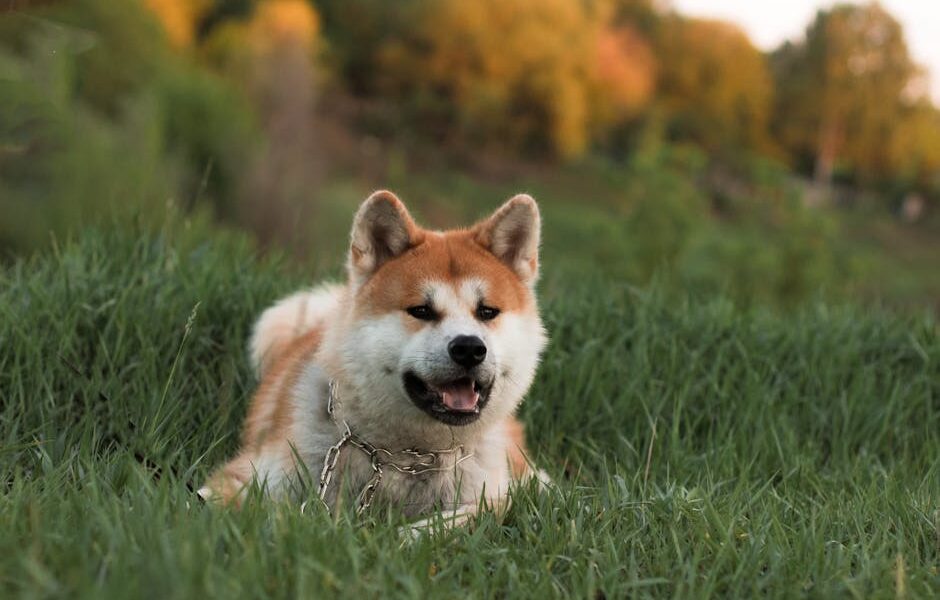
The Akita is a large to giant breed, standing 24 to 28 inches tall and weighing between 70 and 130 pounds. Males are notably larger than females. The Akita has a broad head, small deep-set eyes, and a bear-like appearance that projects power and dignity. Their overall impression is one of substantial mass and quiet authority.
Both breeds sport the characteristic curled tail carried over the back, and both come in a variety of colors including red, sesame, and brindle. The Shiba’s coat tends to be shorter and more manageable, while the Akita’s coat is denser and longer, particularly around the neck and hindquarters.
For apartment dwellers or those with limited space, the Shiba Inu’s compact size is a clear advantage. The Akita needs more physical room to be comfortable and can inadvertently knock over furniture — or small children — simply by turning around in a tight hallway.
Temperament and Personality
This is where the shiba inu vs akita comparison gets truly interesting, because both breeds have strong, distinctive personalities that aren’t for everyone.
The Shiba Inu is often described as cat-like in temperament. They’re independent, fastidious about cleanliness, and can be aloof with strangers. Shibas are known for their dramatic vocalizations — the famous “Shiba scream” — which they deploy when excited, displeased, or simply feeling expressive. They’re intelligent but notoriously stubborn, often choosing to ignore commands they deem unnecessary. Despite their independent streak, Shibas form deep bonds with their families and can be surprisingly affectionate on their own terms.
The Akita shares the independent nature but adds a layer of protectiveness that sets it apart. Akitas are deeply loyal to their family but can be wary of strangers and aggressive toward other dogs, particularly those of the same sex. They’re quiet dogs — they rarely bark without reason — but their imposing presence alone is enough to deter most intruders. Akitas tend to be more serious and dignified than Shibas, though they certainly have a playful side with people they trust. If you’re interested in protective breeds, our guide to the best guard dogs includes the Akita for good reason.
Neither breed is typically recommended for first-time dog owners. Both require an owner who understands canine body language, respects independence without being permissive, and can provide consistent, patient training. That said, the Shiba’s smaller size makes its stubbornness more manageable in practical terms, while an untrained Akita can pose real safety concerns due to sheer strength.
Exercise and Activity Needs
Both breeds need daily exercise, but the type and amount differ considerably based on their size and original working purposes.
Shiba Inus are moderately active dogs that do well with 45 to 60 minutes of exercise per day. This can include brisk walks, off-leash play in securely fenced areas, and interactive games. Shibas have a strong prey drive, so off-leash time should always be in enclosed spaces — they will chase squirrels, rabbits, and anything else that catches their eye, and their recall can be unreliable even with training. They’re adaptable enough to enjoy a quiet day at home occasionally, but regular exercise keeps their mischievous tendencies in check.
Akitas require 60 to 90 minutes of daily exercise, and they benefit from activities that engage both body and mind. Long walks, hiking, and structured play sessions work well for this breed. Despite their size, Akitas are not hyperactive dogs — they’re more likely to patrol the yard with purpose than to zoom around in circles. They handle cold weather exceptionally well thanks to their thick double coat, making them excellent hiking partners in winter months. However, they can overheat quickly in warm weather and should exercise during cooler parts of the day in summer.
One important consideration for both breeds is their attitude toward other dogs. Shiba Inus can be selective about canine companions but generally do well in controlled social settings. Akitas, however, often have strong dog-aggression tendencies, especially toward dogs of the same sex. Dog parks can be risky for Akitas, and on-leash walks in areas with other dogs require a confident handler.
Grooming and Maintenance
If you’re not a fan of dog hair on your furniture, neither of these breeds will be your best friend — at least not during shedding season. Both the Shiba Inu and the Akita have thick double coats that shed heavily twice a year during seasonal “coat blows.”
The Shiba Inu’s coat is relatively short and naturally clean. Shibas are famous for grooming themselves almost like cats, and many owners report that their Shibas avoid puddles and muddy areas. Weekly brushing is sufficient for most of the year, but during shedding season, daily brushing with an undercoat rake is essential. Baths are needed only occasionally, as the Shiba’s coat naturally repels dirt. Their nails, teeth, and ears need the same routine maintenance as any breed.
The Akita’s coat is longer and denser, requiring more frequent brushing — two to three times per week at minimum, and daily during heavy shedding periods. Akitas also tend to drool more than Shibas, which adds another cleaning consideration. Their larger size simply means more hair, more grooming time, and more fur tumbleweeds rolling across your floors. Professional grooming sessions every few months can help manage the Akita’s coat, though they should never be shaved, as the double coat provides insulation in both hot and cold weather.
Neither breed is considered hypoallergenic. If allergies are a concern, both the Shiba and the Akita will likely trigger symptoms, though the Shiba’s smaller size means less overall dander and fur in your living space.
Health and Lifespan
Size plays a significant role in the health profiles and expected lifespans of these two breeds, and this is an area where the Shiba Inu has a notable advantage.
Shiba Inus are generally healthy dogs with a lifespan of 13 to 16 years. Common health concerns include hip dysplasia, patellar luxation, allergies, and eye conditions such as glaucoma and cataracts. They can also be prone to food allergies and may require dietary adjustments. Regular veterinary checkups, maintaining a healthy weight, and genetic testing by breeders all help minimize these risks.
Akitas have a shorter expected lifespan of 10 to 13 years, which is typical for large breeds. They face a higher risk of serious health conditions including hip dysplasia, bloat (gastric dilatation-volvulus), autoimmune disorders, and certain cancers. Akitas are also prone to hypothyroidism and progressive retinal atrophy. Veterinary costs for an Akita tend to be higher simply because medications, surgeries, and treatments scale with body weight.
Both breeds benefit from purchasing or adopting from sources that perform health screenings. If you’re considering adopting a rescue Shiba or Akita, many breed-specific rescues include veterinary evaluations and are upfront about known health issues.
Training and Socialization
Training a Japanese breed requires patience, consistency, and a good sense of humor. Neither the Shiba Inu nor the Akita was bred to be a biddable, eager-to-please working partner — they were bred to think independently and make their own decisions in the field.
Shiba Inus respond best to positive reinforcement training that feels like a game. They’ll quickly lose interest in repetitive drills and may decide that the treat you’re offering isn’t worth the effort of sitting on command. Many Shiba owners find success with short, varied training sessions that keep things interesting. Early socialization is crucial — exposing puppies to diverse people, places, sounds, and other animals helps prevent the breed’s natural wariness from becoming fearfulness or aggression.
Akitas require firm, confident leadership without resorting to harsh methods. They can be sensitive to perceived unfairness and may shut down or become resistant if they feel bullied. Socialization is even more critical for Akitas than for Shibas, given the breed’s guarding instincts and potential for dog aggression. Puppy socialization classes, controlled introductions to new people and environments, and ongoing training throughout adolescence are all essential. An unsocialized Akita can become a serious liability, while a well-socialized one is a calm, confident companion.
Both breeds benefit from mental stimulation through puzzle toys, nose work, and training challenges. A bored Shiba or Akita will find its own entertainment, and you probably won’t appreciate the results.
Which Breed Suits Your Lifestyle?
Choosing between a Shiba Inu and an Akita ultimately comes down to your living situation, experience level, and what you want from a canine companion.
Choose the Shiba Inu if: You live in an apartment or smaller home, want a lower-maintenance (though still independent) companion, prefer a dog you can easily transport and handle physically, enjoy a quirky and entertaining personality, or are looking for a longer-lived breed. Shibas are also generally better suited for multi-pet households, provided introductions are handled carefully.
Choose the Akita if: You have a spacious home with a securely fenced yard, have experience with large or guardian breeds, want a devoted protector who bonds deeply with family, enjoy outdoor activities like hiking and cold-weather adventures, and have the financial resources for higher food and veterinary costs. Akitas thrive with owners who respect their intelligence and provide clear, consistent boundaries.
Both breeds share: A need for patient, experienced owners who appreciate independence over eagerness to please. Neither breed is ideal for families with very young children, though both can do well with respectful older children. Both breeds also have strong prey drives that make them unreliable off-leash in unfenced areas.
Whichever breed captures your heart, consider adoption first. Breed-specific rescues for both Shibas and Akitas exist across the country, and many wonderful dogs are waiting for experienced homes that understand their unique needs.
Frequently Asked Questions
Are Shiba Inus and Akitas related?
Yes, both breeds are Japanese spitz-type dogs and share ancient ancestry. They were both developed in Japan but in different regions and for different purposes — Shibas for small game hunting in central Japan and Akitas for large game hunting in northern Japan. Despite their shared heritage, centuries of separate development have produced two very distinct breeds in terms of size, temperament, and care needs.
Can a Shiba Inu and an Akita live together?
It’s possible but requires careful management. Both breeds can be dog-selective, and Akitas in particular may show aggression toward other dogs of the same sex. If you’re introducing a Shiba and an Akita, opposite-sex pairings tend to work best. Both dogs should be well-socialized, introductions should be gradual and supervised, and each dog should have its own space to retreat to. Some individual dogs will coexist peacefully, while others simply won’t — know your dogs’ personalities before committing.
Which breed is better for first-time dog owners?
Neither breed is typically recommended for first-time owners, as both are independent and can be challenging to train. However, if you must choose, the Shiba Inu is generally the safer option for less experienced owners. Their smaller size makes them physically easier to manage, their mistakes are less consequential, and their exercise needs are more moderate. That said, first-time owners considering either breed should invest in professional training and educate themselves thoroughly about the breed’s specific needs before bringing one home.
Do Shiba Inus or Akitas bark a lot?
Neither breed is known for excessive barking, though they express themselves in different ways. Shiba Inus are famous for the “Shiba scream” — a high-pitched vocalization they use when excited, anxious, or displeased. It can be startling but isn’t constant barking. Akitas are notably quiet dogs that rarely bark without reason, which is one of the traits that makes them effective guard dogs — when an Akita does bark, it’s worth paying attention to.
How much do Shiba Inus and Akitas cost to maintain annually?
Annual maintenance costs vary significantly due to size differences. A Shiba Inu typically costs between $1,200 and $2,000 per year for food, routine veterinary care, grooming supplies, and miscellaneous expenses. An Akita’s annual costs run higher, generally between $2,000 and $3,500, due to greater food consumption, higher medication dosages, and potentially more expensive veterinary procedures. Both breeds should have emergency veterinary funds set aside, as unexpected health issues can arise in any dog.
Looking to adopt a Shiba Inu vs Akita?
Browse Shiba Inu vs Akita dogs and mixes available for adoption from shelters and rescues near you.
Find Shiba Inu vs Akita Dogs for Adoption