Last updated: May 6, 2026
In this article
What Is a Singapore Community Cat?
The Singapore community cat is not a pedigree breed at all. It is the collective name for the free-roaming, mixed-ancestry domestic cats you see sunning themselves outside coffee shops, napping under parked cars at HDB void decks, and threading through hawker centers at dusk. Most are descendants of Southeast Asian shorthair cats with generations of street-smart lineage behind them, and they are by far the most commonly adopted cat in Singapore.
These cats are often referred to affectionately as “local cats,” “void deck cats,” or simply moggies. Because they are not a single breed, a Singapore community cat may appear as a tabby, tuxedo, Calico, tortoiseshell, black, ginger, or any combination in between. Their coats are almost always short, which is a blessing in the tropics.
Many community cats in Singapore are sterilized and ear-tipped under the Trap-Neuter-Return-Manage (TNRM) framework supported by Cat Welfare Society (CWS) and volunteer caregivers. A clipped left ear is the universal sign that a cat has been sterilized and vaccinated. When a community cat is deemed unsuitable for street life — too young, too friendly, injured, or at risk — rescues and fosters move them indoors and put them up for adoption.
Quick Facts
Here is a snapshot of what to expect:
- Origin: Singapore street population, mixed Southeast Asian ancestry
- Size: Small to medium, typically 3–5 kg adult weight
- Coat: Short, single-layered, low-shed relative to pedigrees
- Lifespan indoors: 12–18 years with good care
- Energy: Moderate; playful as kittens, mellow as adults
- Grooming: Low — weekly brushing is usually enough
- HDB suitability: Excellent — they are built for the local climate
Temperament and Personality
Community cats vary enormously because they are a genetically diverse population. You can find bold, dog-like extroverts who greet every stranger and shy types who take weeks to emerge from under the bed. What tends to be consistent is their resilience. Cats who were once outdoor survivors generally have strong immune systems, sharp problem-solving instincts, and a healthy appetite.
Kittens socialized indoors from an early age usually grow into confident, affectionate companions. Adult rescues sometimes need a quiet decompression period of a few weeks before they settle, but with patience they often bond deeply with one or two family members. Many fosterers describe the moment a formerly shy community cat first purrs on their lap as one of the most rewarding experiences in rescue.
Because these cats come from such varied backgrounds, the best way to judge a specific cat’s personality is to spend time at a foster home or adoption drive rather than relying on breed stereotypes.
Appearance and Size
Singapore community cats are usually smaller and leaner than the average Western pedigree. A healthy adult commonly weighs 3 to 5 kg, with females on the lighter end. Their build is athletic rather than stocky, which suits the warm climate and the jumping-and-climbing lifestyle of a street cat.
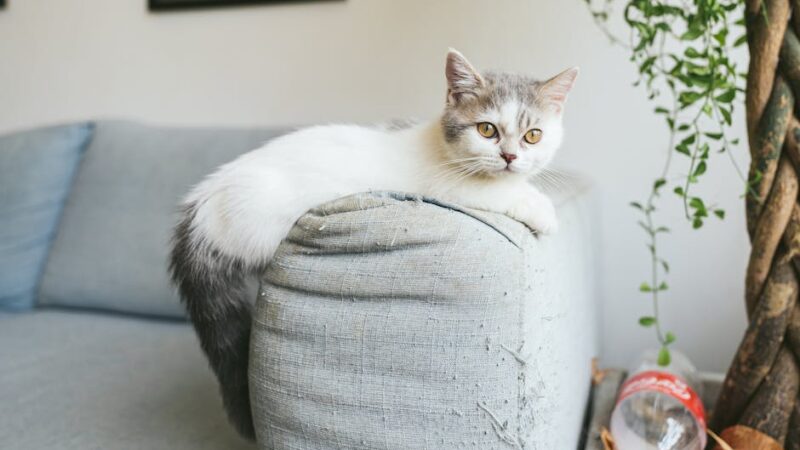
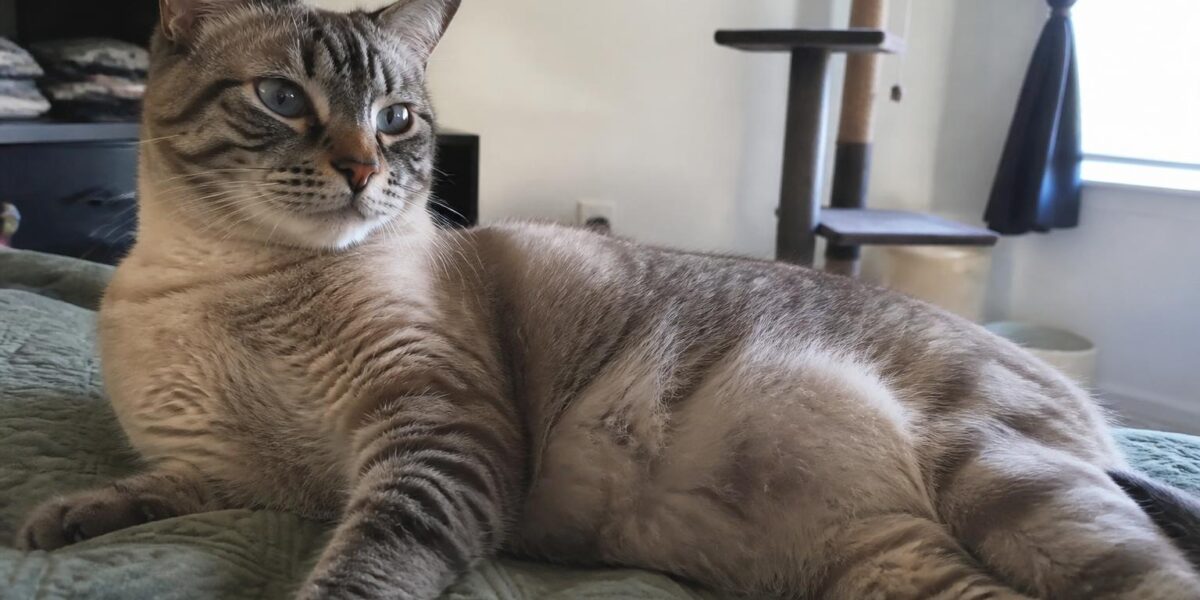
Coat colors are wildly varied. Classic tabby (mackerel or spotted) is the most common, followed by black, tuxedo, calico, and tortoiseshell. Pure white or pointed cats do appear but are less frequent. Eye colors range from green and yellow to the occasional blue. Their short single coats are a natural fit for Singapore’s humidity — easy to groom, quick to dry, and unlikely to mat.
Climate Suitability and HDB Living
Few cats are better matched to Singapore’s tropical climate than the local community cat. Generations of evolution in heat and humidity mean they generally handle 28–32 degrees Celsius better than imported breeds with dense double coats. They are light eaters, rarely overheat indoors, and are naturally cautious around open windows and high-rise ledges when properly acclimated.
That said, indoor-only living is strongly recommended for any cat in Singapore, including former community cats. Traffic, other territorial cats, and disease risks make outdoor access unsafe. Mesh your windows, install window grilles with small gaps, and create vertical space with cat trees or shelving to give them enrichment.
Regarding HDB rules, it’s worth noting that pet cats are technically not allowed in HDB flats under current housing regulations, although enforcement has historically been light and a revised framework for responsible cat ownership is under review. Always keep up with the latest announcements from HDB and AVS, and be a considerate neighbor — no roaming in corridors, no noise, and no odor.
Grooming and Everyday Care
Care for a Singapore community cat is refreshingly simple. A weekly brushing session with a rubber grooming mitt removes loose fur and doubles as bonding time. Baths are rarely needed — cats groom themselves effectively, and most dislike water. Trim claws every two to three weeks and check ears monthly for dirt or mites.
Feed a quality balanced diet — wet food is excellent for hydration in the tropics, where urinary issues are common in cats. Provide multiple clean water sources and consider a cat fountain if your cat is picky about drinking. A scratching post, litter box in a private corner, and plenty of window perches round out the essentials.
Schedule an annual vet checkup and keep core vaccinations up to date. Sterilization is usually done before adoption, but if not, plan for it early to prevent heat cycles, spraying, and future health issues.
Health and Lifespan
Community cats tend to enjoy robust health thanks to their diverse genetics — a welcome contrast to some pedigree breeds burdened with inherited conditions. With indoor living, proper nutrition, and regular veterinary care, many reach 15 years or more. Some live well into their late teens.
Common health concerns to watch for include dental disease, obesity (indoor cats with rich diets can pile on weight quickly), urinary tract problems, and — in cats with any outdoor history — feline immunodeficiency virus (FIV) or feline leukemia (FeLV). Reputable rescues typically test for both before adoption. A FIV-positive cat can still live a long happy indoor life; your vet can advise on management.
Budget for annual checkups, dental cleaning as needed, and an emergency fund or pet insurance. Tropical climates also mean year-round parasite prevention for fleas, ticks, and heartworm-adjacent risks, so follow your vet’s recommended preventive schedule.
How to Adopt a Singapore Community Cat
Adoption is the most meaningful way to welcome one of these cats into your home. Several local rescues and volunteer groups work tirelessly to rehome community cats, including Cat Welfare Society (CWS), SPCA Singapore, Causes for Animals, Purely Adoptions, and Mercylight, alongside independent fosters. Each group has its own process but you can expect a general flow of application, home visit or virtual check, meet-and-greet, adoption fee, and sterilization confirmation.
Before applying, prepare your home: mesh every window and balcony opening, set up a quiet room for decompression, and stock litter, food, and basic supplies. If you rent, confirm your landlord’s position, and if you live in HDB, be mindful of evolving regulations. To explore available cats and learn more about the process, visit our adopt a cat hub and browse all pets for adoption.
Many adopters start with a foster-to-adopt arrangement, which lets both human and cat try the match without pressure. It’s a wonderful low-stakes way to discover whether a particular cat suits your lifestyle.
Is a Singapore Community Cat Right for You?
If you want a hardy, climate-adapted, low-maintenance companion with a life-saving backstory, the answer is almost certainly yes. Community cats suit first-time cat owners, families with older children, and busy professionals who can provide a stable indoor home. They are far less demanding than longhaired pedigrees and far better suited to HDB flat living than breeds bred for cold weather.
If you are set on a specific look or temperament profile, pedigrees may tempt you — but spend a day at a local foster’s home first. You may find your heart stolen by a tabby with a crooked tail and a habit of sitting on your laptop. For more comparisons, see our guide to moggy versus pedigree cats in Singapore and our roundup of HDB-friendly cat breeds.
Frequently Asked Questions
Are Singapore community cats the same as Singapura cats?
No. The Singapura is an internationally recognized pedigree breed that traces some ancestry to Singapore street cats but was developed abroad. A Singapore community cat is a mixed-ancestry local moggy, not a pedigree.
Can I keep a community cat in my HDB flat?
Pet cats are technically not permitted in HDB flats under current rules, though enforcement has been light and a new framework for responsible cat ownership has been under review. Check the latest HDB and AVS guidance, and always be a considerate neighbor.
Do community cats carry diseases?
Reputable rescues sterilize, vaccinate, deworm, and test for FIV/FeLV before rehoming. Once the cat is cleared and settled indoors, health risks are comparable to any well-cared-for pet cat.
Are they good with children and other pets?
Many are excellent with gentle children and can live harmoniously with other cats or calm dogs if introductions are slow. Individual temperament matters more than background, so ask the fosterer about the specific cat.
How much does adoption cost?
Fees vary by rescue and usually cover sterilization, vaccinations, microchipping, and basic medical checks. Ask the rescue directly for their current fee structure.
Looking to adopt a Singapore Community Cat?
Browse Singapore Community Cat cats and mixes available for adoption from shelters and rescues near you.
Find Singapore Community Cat Cats for Adoption