Last updated: May 4, 2026
In this article
Tosa Inu Overview
This tosa inu breed profile covers one of the rarer working mastiffs in Western kennel circles, a Japanese breed developed in the Tosa region of Shikoku in the late nineteenth century. The Tosa was created by crossing the indigenous Shikoku Inu with imported European breeds including Bulldog, Mastiff, German Pointer, and Great Dane, with the goal of producing a powerful but stoic dog for traditional Japanese dog wrestling, a centuries-old cultural practice with strict rules requiring silent, controlled bouts rather than fighting in the more brutal Western sense.
That history shapes how the breed is regulated and perceived today. The Tosa Inu is banned in the United Kingdom, Australia, Norway, Israel, Singapore, and several other countries. It is restricted in some U.S. jurisdictions. Owners must check local law, homeowner insurance, and HOA rules carefully before considering one. In its homeland, the breed remains a respected working dog with a calm, almost ceremonial dignity in the home.
Quick facts: large to giant size, working group, short coat, lifespan generally in the ten-to-twelve-year range, moderate exercise needs, low grooming, capable-experienced-owner-only breed. Banned in many jurisdictions. Calm in home but reserved with strangers and reactive with unfamiliar dogs.
Temperament and Personality
With family, the Tosa is famously calm, dignified, and quiet. The breed standard explicitly values the Japanese cultural ideals of stoicism and patience, and well-bred Tosas embody that in the home. They are not noisy, demonstrative, or attention-seeking. They settle near their people, watch carefully, and respond to subtle cues.
With strangers they are reserved and watchful, often appearing aloof rather than overtly suspicious. A well-socialized Tosa accepts visitors the family welcomes without fanfare and remains attentive. Without socialization the reserve can tip into wariness or reactivity, which becomes a serious management problem given the size and power of the breed.
Dog-on-dog interaction is the breed’s most challenging area. The fighting-dog heritage means high reactivity to unfamiliar dogs, and same-sex aggression in adults is common. Most Tosas do best as the only dog. Multi-dog Tosa households exist but require highly experienced handling and careful pairing.
Size and Appearance
Adult males stand twenty-four to thirty-two inches at the shoulder and commonly weigh one hundred to two hundred pounds, depending on line. Japanese-bred Tosas tend to be smaller (one hundred to one hundred forty pounds) while Western lines have grown larger. Females are smaller but still firmly in giant territory.
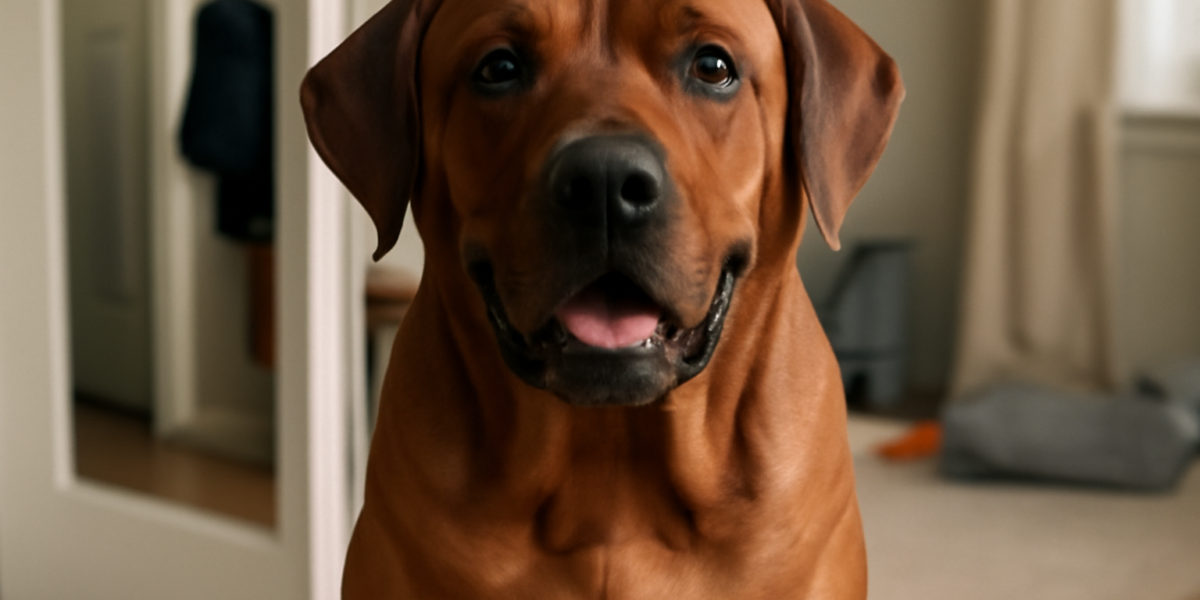
The coat is short, dense, and smooth, typically in red, fawn, apricot, black, or brindle, sometimes with white markings. The build is heavily muscled with a broad head, strong muzzle, and notable dewlap. The expression is calm and steady, often described as dignified.
The breed has the body proportions of a working mastiff, with substantial chest depth and a deep, broad rib cage. This anatomy contributes to elevated risk for gastric dilatation-volvulus, which we’ll cover in the health section.
Exercise and Activity Needs
Tosas need moderate exercise: two walks per day plus access to a securely fenced yard. Total daily activity in the forty-five to seventy-five minute range works for most healthy adults. They are not high-drive sport dogs, but they need enough activity to stay mentally and physically healthy.
The calm in-home temperament can mask exercise needs. Owners sometimes assume a Tosa lying quietly indoors does not need much activity, then encounter behavior issues from chronic under-exercise. Daily structured activity is non-negotiable.
A securely fenced yard with tall, solid fencing matters because the breed’s reactivity to unfamiliar dogs means casual escapes can become serious incidents. Recall training is important but should not substitute for physical containment in environments with other dogs.
Grooming and Care
The short coat is among the easiest grooming jobs in the working-mastiff world. Weekly brushing handles loose hair. Bathing is occasional, every six to eight weeks.
The face wrinkles and dewlap are moderate, requiring weekly wiping rather than daily attention. Drool is present but less extreme than in Neapolitan or Fila lines; expect drips after drinking and during food anticipation.
Nail trims every two to three weeks, ear checks weekly, and dental care from puppyhood are baseline maintenance. The dropped ears can trap moisture in humid climates, so ear hygiene matters. Talk to a veterinarian about appropriate dental and ear-care routines for the individual dog.
Health and Lifespan
Tosa Inu health is typical of large to giant working mastiffs. Lifespan is generally ten to twelve years, with healthy individuals occasionally reaching the mid-teens. Major concerns include hip and elbow dysplasia, gastric dilatation-volvulus, and several cardiac conditions including dilated cardiomyopathy.
Bloat is the most acute emergency for deep-chested working dogs of this size class. Owners should learn the warning signs, identify the closest emergency veterinary clinic in advance, and discuss prophylactic gastropexy with their veterinarian during the dog’s spay or neuter surgery.
Other concerns include eye conditions, hypothyroidism, allergies, and several cancers in older dogs. Reputable breeders screen with OFA or CHIC and disclose results. Rescue Tosas benefit from a baseline orthopedic and cardiac exam early in their new home.
Tosa Heritage and Modern Status
The Tosa Inu’s history is rooted in the Tosa region of Shikoku, the southwestern Japanese island where the breed was developed in the late nineteenth century during the Meiji period. Japan was opening to international trade after centuries of isolation, and Japanese breeders crossed the indigenous Shikoku Inu with imported European breeds to create a larger, more powerful dog suited to traditional Tosa-region dog wrestling. That practice predates the breed and operated under strict ceremonial rules emphasizing silent, controlled bouts: handlers and judges in formal attire, dogs ranked by sumo-style hierarchies, and behavior expectations that valued stoicism over aggression.
Tosa-token dog wrestling continues legally in some parts of Japan today as a regulated cultural practice, though it has declined significantly. Outside Japan, the breed’s fighting-history association has driven legal restrictions in many countries. The Tosa is not aggressive toward humans by breed standard, but the legal framework treats the breed as a category one regulated dog in much of Europe and Australia, often requiring specific licensing, muzzle laws, or outright bans. Population numbers in North America are modest, and most Tosas trace back to imports from Japanese or European breeders.
Daily Life with a Tosa Inu
An adult Tosa in a settled home is unusually quiet for a working mastiff. The Japanese cultural value of stoicism shapes how the breed expresses itself: minimal barking, calm watchfulness, deliberate movement, and emotional connection shown through proximity rather than physical demonstration. Many owners describe a Tosa as the calmest giant breed they have lived with, almost contemplative in its steady presence.
The size and the dog-reactivity issue affect daily logistics. Walks need to be planned around minimal stranger-dog encounters, particularly off-leash dogs in unfenced areas. Many Tosa owners walk early morning or late evening, choose quiet routes, and avoid dog parks entirely. A frustrated leash walk that ends without an off-leash dog encounter is the goal of every outing.
Visitor management follows the same calm-protocol pattern as other guardian breeds. A Tosa should meet visitors on the dog’s terms in a controlled setting, not at the front door during arrival commotion. Households with frequent contractors, party traffic, or unpredictable visitors should plan management strategies in advance. Reading our dog body language guide helps owners read the very subtle stress cues this breed shows; Tosas often signal discomfort with stillness rather than visible body language, and missing those signals can lead to escalation.
Adopting a Tosa from Rescue
Tosas are uncommon in general-population rescue, but they appear occasionally in working-mastiff breed-specific rescues, sometimes from owners relocating to jurisdictions where the breed is banned, sometimes from breeder retirements, and occasionally from households that underestimated the dog-reactivity issue. The rescue population is small enough that adopting a Tosa often requires patience and willingness to travel.
Mastiff and breed-specific rescues screen carefully for handler experience, fencing quality, household composition, and dog-tolerance compatibility. Ask whether the dog has been observed in a foster home rather than only a shelter run, evaluated with other dogs (carefully and at distance), and assessed for handler trust and visitor reactivity. Veterinary records, including any orthopedic, cardiac, or eye findings, are essential before committing to a giant-breed adoption.
Behavioral rehabilitation focuses on building handler trust, teaching the dog the new household’s rhythm, and slowly introducing safe socialization opportunities. Force-free training methods are essential because corrections from a strong handler escalate quickly with this powerful breed and damage the bond that holds drives in check. Reading our 3-3-3 rule, decompression period guide, and first week with a rescue dog overview sets useful baseline expectations, but Tosa adopters should plan for an extended bonding period of three to six months before the dog feels fully settled.
Is the Tosa Inu Right for You?
Tosas suit highly experienced large-breed owners with secure fencing, financial resources for inevitable veterinary needs, and the experience to manage a powerful guardian-type breed. They thrive in calm households with steady routines and one or two primary humans. They are wrong for first-time owners, multi-dog homes with same-sex dogs, urban settings with frequent stranger contact, and any jurisdiction where the breed is banned or insurance unavailable.
Check local law before considering a Tosa. The breed is banned in the United Kingdom, Australia, Norway, Israel, Singapore, and several other countries, and may be restricted in some U.S. jurisdictions or excluded from homeowner insurance. Read our guide to adopting a rescue mastiff for rescue-track considerations.
Compare with related working breeds: Cane Corso, Presa Canario, and Argentine Dogo show different temperaments within the working-mastiff family. The why rescues require fenced yards guide covers a non-negotiable for this breed. Browse current listings at our adopt-a-dog hub.
Frequently Asked Questions
Is the Tosa Inu banned?
In several countries, yes, including the United Kingdom, Australia, Norway, Israel, Singapore, Cyprus, Malta, and others. Some U.S. jurisdictions restrict the breed. Check local law and homeowner insurance carefully before adopting.
Are Tosa Inus aggressive?
Toward humans, well-bred and well-managed Tosas are calm and dignified, not indiscriminately aggressive. Toward unfamiliar dogs, the breed has high reactivity due to its fighting-dog heritage. This is the management area that requires experienced handling.
How much do Tosas weigh?
Japanese lines typically weigh one hundred to one hundred forty pounds; Western lines have grown larger, sometimes reaching two hundred pounds. Both ranges are firmly giant-breed territory.
Are Tosas good with kids?
With family children they grow up around, yes, they are typically calm and tolerant. The size means supervision matters with toddlers. Visiting kids should be introduced carefully because the breed’s reserve with strangers extends to unfamiliar children.
What is the Tosa Inu lifespan?
Typically ten to twelve years. Some live longer with excellent care; some are lost earlier to cardiac issues, bloat, or cancer. The giant-breed shorter lifespan is part of the commitment.
Looking to adopt a Tosa Inu Breed Profile?
Browse Tosa Inu Breed Profile dogs and mixes available for adoption from shelters and rescues near you.
Find Tosa Inu Breed Profile Dogs for Adoption