
Last updated: May 6, 2026
In this article
- The Short Answer on Champaca and Pets
- What Champaca Actually Is
- What the Toxicity Data Actually Says
- Cultural Context: Why Pets Encounter Champaca
- Fresh Flowers, Garlands, and Fallen Petals
- Champaca Essential Oil and Cats
- Incense Smoke Considerations
- Distinguishing Champaca From Other Magnolias
- Realistic Pet Exposures and What to Do
- Champaca in Pet-Safe Tropical Gardens
- When to Call the Vet
- For Households Adding a New Pet
- Frequently Asked Questions
The Short Answer on Champaca and Pets
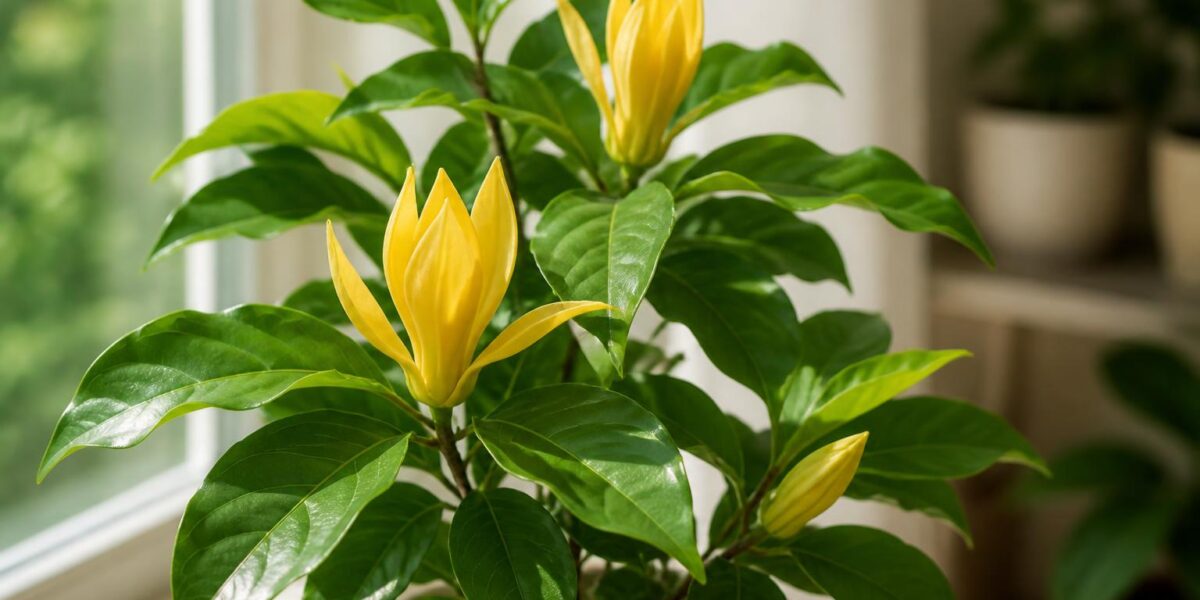
Champaca (Magnolia champaca, formerly Michelia champaca), the tropical tree whose intensely fragrant cream-yellow or orange flowers are used in South Asian incense, garlands, perfume, and temple offerings, is not listed as toxic by the ASPCA, and there are no widespread reports of serious systemic poisoning in cats or dogs from champaca exposure. The champaca flowers safe for pets question lands on the reassuring side. This is a low-toxicity plant in the broader magnolia family, and pet households in South Asia, Southeast Asia, and tropical regions generally do not need to fear champaca trees in the garden or fresh champaca flowers in the home.
That said, “low-toxicity” still leaves room for the standard caveats. Any plant matter eaten in large quantity can cause GI upset. Concentrated essential oils from champaca (used in expensive natural perfumery) follow the general rule that concentrated essential oils carry more risk than fresh plant material — particularly for cats. Cut flowers in religious or decorative arrangements may be treated with preservatives or held alongside other plants that are toxic. Identification matters: the champaca being asked about should be clearly distinguished from other “magnolia” species and from unrelated flowers used in similar cultural contexts.
What Champaca Actually Is
Champaca (Magnolia champaca) is a medium to large evergreen tree in the Magnoliaceae family, native to the tropical and subtropical regions of South Asia, particularly the Indian subcontinent, southern China, Indochina, and the Malay archipelago. It can reach 30 metres in good conditions but is more often seen as a 10- to 15-metre garden or temple tree in cultivation. Common names include champak, champa, sampangi, joy perfume tree, and yellow champaka.
The flowers are the famous part — small (4 to 7 cm), with narrow waxy petals in cream-yellow or deep orange, producing one of the most distinctive and powerful floral fragrances in tropical horticulture. The scent is the basis for traditional Indian perfume oils and high-end commercial perfumery. The flowers are picked fresh and used in temple offerings, hair adornment, garlands, sachets, and flavouring. White champaca (Magnolia champaca alba or the closely related Magnolia x alba) is the white-flowered variant and shares the same fragrance significance.
Recent botanical revisions moved the species from Michelia to Magnolia, so older horticultural references may use either name. Practically the same plant, same uses, same pet-safety profile.
What the Toxicity Data Actually Says
The ASPCA does not list Magnolia champaca on its consumer-facing toxic plant database. Veterinary toxicology references do not flag champaca as a serious pet poisoning concern. The broader Magnoliaceae family is generally considered low-toxicity. Magnolia grandiflora (the southern magnolia) and most other ornamental magnolias share this profile.
The plant contains aromatic compounds — phenethyl alcohol, methyl benzoate, indole, methyl anthranilate, and various sesquiterpenes — that contribute to the fragrance. These are present at low levels in plant tissue but can be highly concentrated in essential oils distilled from the flowers. As with most aromatic-essential-oil plants, the concentrated oil form is a different conversation than fresh flower exposure.
Honest framing: champaca is best classified as a low-toxicity tropical ornamental. We are not aware of significant clinical poisoning literature describing pet champaca cases. The sensible caveats are the universal ones: any plant matter eaten in large quantity causes GI upset, concentrated essential oils warrant caution especially in cat households, and cut-flower arrangements may carry secondary risks from preservatives or co-arranged toxic flowers.
Cultural Context: Why Pets Encounter Champaca
Champaca is more than a landscape tree in the regions where it is native. The flowers are used:
- In Hindu temple offerings — fresh flowers placed at altars or scattered as devotional offerings
- In hair adornment — strung on threads and worn in braided hair, particularly in southern India and Sri Lanka
- In jasmine-style garlands (often combined with actual jasmine and other fragrant flowers)
- As flavouring for traditional sweets, drinks, and tea infusions
- In perfume blending — the essential oil is one of the most expensive natural perfume ingredients
- In incense manufacture — dried flowers and oil go into incense cones and sticks
Pet households in regions with these traditions encounter champaca in many forms: as a garden tree producing fallen flowers, as fresh-picked flowers brought home for use, as garlands hung from doorways, as oil added to skincare or perfume, and as incense smoke filling living spaces. Each form has slightly different pet-safety considerations.
Fresh Flowers, Garlands, and Fallen Petals
Fresh champaca flowers are low-toxicity. A pet that nibbles a fallen petal or sniffs a flower in a garland is not facing poisoning. Realistic concerns:
- Mild GI upset from larger ingestions (particularly puppies that eat multiple whole flowers)
- The thread used in garlands can be a foreign-body concern if a pet swallows part of a garland
- Pesticide residues on commercially picked flowers — flowers from market vendors may have been treated to extend cut-flower life
- Mixed garlands often include other flowers (marigold, jasmine, rose, tuberose) of varying toxicity profiles
If a cat tugs a champaca garland off a hook and chews on it, the realistic outcome is a chewed garland and possibly mild stomach upset. The thread is the bigger concern than the flowers themselves. For dogs that try to eat large fragments of garland, watch for vomiting and any sign of obstruction.
Champaca Essential Oil and Cats
Concentrated champaca essential oil is used in natural perfumery and aromatherapy. Like most concentrated plant essential oils, it warrants caution in cat households. Cats have limited hepatic glucuronyl transferase activity, which means they metabolise certain plant compounds (including many essential-oil constituents) much less efficiently than dogs and humans. This is why concentrated tea tree oil, eucalyptus oil, citrus oils, peppermint oil, and similar products carry specific feline warnings.
Champaca oil has not been studied in cat toxicology in the same depth as the more common essential oils, but the precautionary approach makes sense: avoid dripping concentrated oil on a cat’s fur, do not diffuse aggressive amounts of any essential oil in poorly ventilated rooms, and keep oil bottles out of pet reach. Our broader piece on essential oils and cat safety covers the family-wide caution that applies here.
Dogs are generally more tolerant of essential oils than cats, but concentrated oil exposure (drinking a bottle, prolonged skin contact) warrants vet contact regardless. The fresh flower itself is not the same exposure as the oil.
Incense Smoke Considerations
Champaca incense is widely burned in homes for fragrance, prayer, and cultural ritual. Incense smoke as a general category is not great for pets — fine particulate matter, volatile compounds, and combustion byproducts irritate sensitive airways. Cats with asthma, dogs with chronic respiratory disease, brachycephalic (flat-faced) breeds, and birds (which are extremely sensitive to airborne particulates) are most vulnerable.
This is not specific to champaca. The same caveats apply to all incense, scented candles, and aerosolized fragrance products. Practical guidance:
- Burn incense in well-ventilated rooms
- Limit pet access to the room during and shortly after burning
- Keep ash and unburnt fragments out of pet reach (some incense contains chemical accelerants and binders that pets should not ingest)
- Stop using incense near a pet that develops coughing, sneezing, or eye irritation
Distinguishing Champaca From Other Magnolias
The Magnoliaceae family is large. Common magnolias in cultivation include:
- Magnolia champaca (champaca, this article)
- Magnolia grandiflora (southern magnolia, large white flowers, common in southern US gardens)
- Magnolia x soulangeana (saucer magnolia, common spring-blooming ornamental)
- Magnolia stellata (star magnolia)
- Magnolia x alba (white champaca, closely related to M. champaca)
All are generally considered low-toxicity for pets. None carry the dramatic warnings of true emergencies like sago palm or oleander. Magnolia leaves and pet safety covers the broader family.
Champaca should also be distinguished from unrelated tropical flowers used in similar cultural contexts. Frangipani (Plumeria) and champaca are sometimes confused because both produce fragrant white-yellow flowers used in tropical Asian rituals. They are different plants. Frangipani sap is significantly more irritating than champaca, and the milky sap of frangipani is the diagnostic feature absent in champaca.
Realistic Pet Exposures and What to Do
For typical small-volume exposures (a fallen flower nibbled, a garland chewed, oil residue on skin):
- Stop further access. Move the pet inside, take the garland down, or wash off any oil contact.
- For oral ingestion, offer fresh water and observe.
- For skin oil exposure, bathe the affected area with mild pet-safe shampoo and rinse thoroughly.
- Watch for vomiting, loose stools, drooling, or unusual behaviour over the following 12 to 24 hours.
- Most pets are fine without further intervention.
For larger or more concerning exposures (large quantity of flowers eaten, a garland with thread swallowed, concentrated oil licked from a bottle):
- Stop further access.
- Note what was ingested, how much, and when.
- Call your veterinarian, the ASPCA APCC at 888-426-4435 (consultation fee), or the Pet Poison Helpline at 855-764-7661 (consultation fee).
- Do not induce vomiting at home.
If a thread or garland fragment was swallowed, the obstruction or linear-foreign-body concern is more important than the flower toxicity. A vet visit is appropriate for any confirmed thread ingestion.
Champaca in Pet-Safe Tropical Gardens
If you are designing a pet-friendly tropical garden, champaca is a reasonable choice. The tree provides shade, fragrance, and cultural value with minimal pet risk. Position it so fallen flowers do not accumulate in main pet activity zones, sweep up petals weekly during peak flowering, and avoid placing it directly above dog rest areas if your dog is a habitual chewer of fallen plant material.
Pair champaca with confidently pet-safe choices and avoid high-risk neighbours like oleander, sago palm, angel’s trumpet, and frangipani planted right where pets play. Our roundup of pet-safe garden plants covers low-risk options for outdoor spaces. Pet-safe tropical houseplants for Singapore covers indoor plants that align with similar low-risk profile.
For tropical Asian households where champaca, jasmine, pandan, curry leaf, and similar plants share garden and home, see our companion articles on curry leaf plant safety and pandan plant safety. All sit in similar low-risk territory and can coexist comfortably with pets.
When to Call the Vet
Call the clinic if you see any of the following after champaca exposure:
- Repeated vomiting beyond one or two episodes
- Diarrhea lasting more than 24 hours
- Refusal to eat for more than a meal or two
- Persistent skin irritation from oil exposure
- Coughing, sneezing, or laboured breathing after incense exposure
- Suspected swallowing of garland thread or wire
- Concentrated essential oil ingestion or large skin contact
- Lethargy, weakness, tremors, or collapse (these are not classic champaca signs and warrant urgent evaluation regardless)
For after-hours questions, the ASPCA APCC at 888-426-4435 and the Pet Poison Helpline at 855-764-7661 are 24-hour services. Both charge consultation fees but can help you decide whether home monitoring is appropriate or whether you should drive in.
For Households Adding a New Pet
If you are bringing home a new dog or cat into a household that uses champaca regularly — fresh flowers, garlands, oil, or incense — the plant itself does not need to be removed. Walk through your routines and identify points where the new pet might be at unusual exposure: low-hanging garlands that a cat could pull down, oil bottles within counter-surfing dog reach, incense burned in poorly ventilated rooms with the pet present.
Our cat adoption guide includes an indoor pet-proofing checklist that covers fragrant products alongside cords, foods, and household chemicals. Dog adoption resources cover similar ground for dog households. Most champaca-related concerns are about practical positioning rather than plant toxicity.
Frequently Asked Questions
Are champaca flowers toxic to cats?
No. Champaca (Magnolia champaca) is not on the ASPCA toxic plant list and is considered low-toxicity for cats. A cat that nibbles a fallen flower or sniffs a garland is not facing poisoning. Concentrated champaca essential oil deserves more caution because cats are sensitive to many concentrated plant oils.
Can my dog eat fallen champaca flowers from the yard?
Single fallen flowers are unlikely to cause harm. Larger ingestions can cause mild GI upset (vomiting, loose stools). Watch for symptoms over the following day and call your vet if anything is concerning. Pick up fallen flowers regularly to limit ingestion volume.
Is champaca incense safe to burn around pets?
The fragrance plant material is not specifically toxic, but incense smoke as a category is not great for pet airways. Burn in well-ventilated rooms, limit pet access during and shortly after burning, and watch for coughing or sneezing. Pets with asthma or respiratory disease should not be in smoky rooms.
Are champaca and frangipani the same?
No. Both are fragrant tropical flowers used in similar cultural contexts but they are different plants. Frangipani (Plumeria) has a milky irritating sap and is more concerning for skin and oral irritation than champaca. The milky sap on cut surfaces is the diagnostic feature distinguishing frangipani.
What about champaca essential oil on my cat’s fur for fragrance?
Do not apply concentrated champaca oil (or any concentrated essential oil) directly to a cat. Cats metabolise many plant essential oil compounds inefficiently and concentrated oil exposure can cause serious problems. Aromatherapy products designed for human use are generally not safe to apply to cats without veterinary guidance.


