
Last updated: April 10, 2026
In this article
Coleus Plants Are Mildly Toxic to Dogs
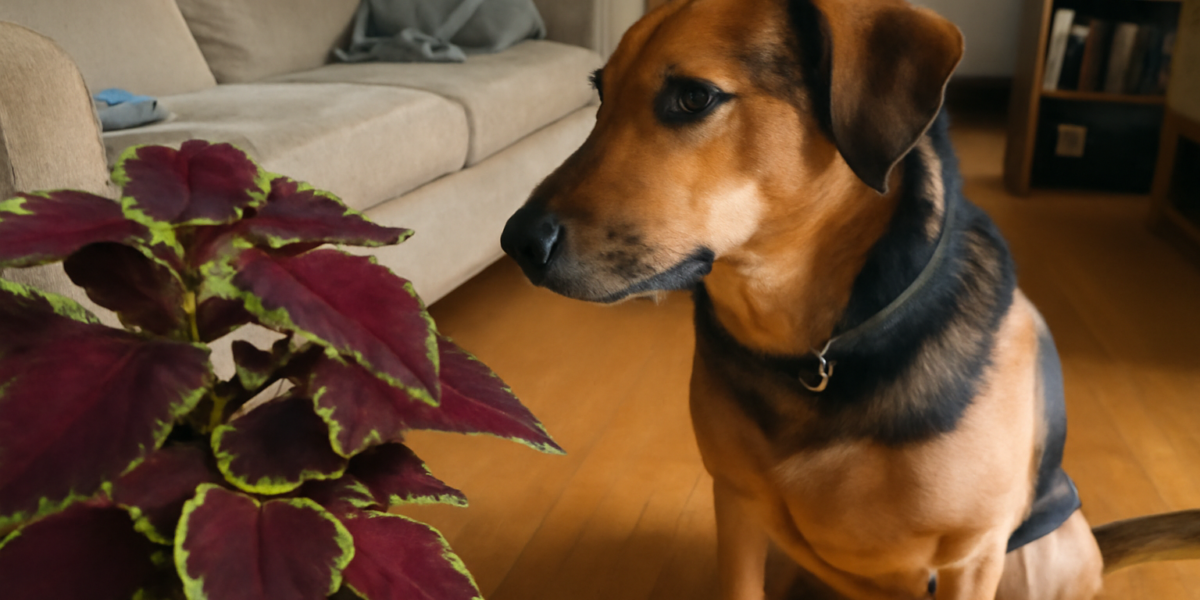
Coleus plants (Coleus scutellarioides, formerly Solenostemon scutellarioides) are mildly toxic to dogs. These vibrant, multicolored foliage plants contain essential oils — primarily diterpene coleonol and related compounds — that can cause gastrointestinal irritation and skin reactions if your dog chews on or ingests the leaves, stems, or other plant parts. The toxicity is rated as mild.
While coleus poisoning is rarely serious or life-threatening, it can cause uncomfortable symptoms including vomiting, diarrhea, and in some cases, depression or lethargy. The essential oils that give coleus its distinctive aroma are the primary irritants, and they affect both the digestive system and the skin on contact.
Coleus is enormously popular as a garden annual and container plant, prized for its stunning foliage in shades of red, purple, pink, green, and yellow. It is also increasingly kept as a houseplant. With hundreds of cultivars widely available at garden centers, many dog owners have coleus in their yards or homes without realizing it poses even a mild risk to their pets.
Essential Oils and Toxic Compounds in Coleus
The toxic compounds in coleus are essential oils, with diterpene coleonol being the primary identified irritant. Coleus belongs to the mint family (Lamiaceae), and like many plants in this family, it produces aromatic essential oils as a natural defense mechanism against insects and herbivores.
These essential oils are distributed throughout the plant’s tissues, with particular concentration in the leaves and stems. When a dog chews on coleus, the oils are released and come into contact with the mucous membranes of the mouth, esophagus, and stomach. The oils act as direct irritants, causing inflammation and triggering the gastrointestinal symptoms commonly seen with coleus ingestion.
The oils can also cause contact dermatitis. Dogs who brush against coleus foliage, especially if leaves are crushed or bruised, may develop mild skin irritation. This is particularly relevant for dogs with thin fur or sensitive skin who spend time near garden beds where coleus is planted.
Forskolin, another compound found in some coleus species (particularly Coleus forskohlii, now reclassified as Plectranthus barbatus), has been the subject of human health supplement research. While the ornamental coleus varieties most commonly found in gardens and homes contain lower levels of forskolin than the medicinal species, the presence of this bioactive compound adds another layer of concern. Forskolin can affect heart rate and blood pressure, though the levels in ornamental coleus are typically too low to cause cardiovascular effects in dogs.
The good news about coleus toxicity is that the unpleasant taste and smell of the essential oils often deter dogs from consuming large amounts. Most dogs take a bite or two, find it distasteful, and stop — limiting their exposure naturally.
Symptoms of Coleus Poisoning in Dogs
Symptoms of coleus poisoning in dogs are typically mild and self-limiting. They usually appear within a few hours of ingestion and resolve within 12 to 24 hours.
Gastrointestinal symptoms:
- Vomiting (usually mild — one to a few episodes)
- Diarrhea
- Drooling
- Loss of appetite
- Nausea — indicated by lip-licking, swallowing, and restlessness
Behavioral symptoms:
- Mild depression or lethargy
- Reduced activity level
- Withdrawal from normal interactions
Skin symptoms (from direct contact):
- Redness or irritation on the muzzle, paws, or belly
- Mild itching
- Occasional rubbing of the face or pawing at the mouth
Serious symptoms from coleus ingestion are rare. Most dogs experience nothing more than brief stomach upset and perhaps a loss of appetite for a meal or two. However, very small dogs, puppies, or dogs who consume an unusually large quantity of coleus leaves may develop more noticeable symptoms that benefit from veterinary attention.
If your dog shows persistent vomiting (more than 3 to 4 episodes), signs of dehydration (dry gums, lethargy, sunken eyes), or any unusual neurological symptoms, contact your veterinarian promptly. These signs suggest either a larger-than-typical ingestion or an individual sensitivity that warrants professional evaluation.
What to Do If Your Dog Eats Coleus
For most mild cases, monitoring at home is sufficient — but calling your veterinarian for guidance is always a smart first step. Your vet can advise whether your dog needs to come in based on their size, the estimated amount eaten, and the symptoms present.
Immediate steps:
- Move your dog away from the plant and prevent further access.
- Check your dog’s mouth for leaf fragments and gently remove any visible pieces.
- Rinse the mouth gently with water if your dog tolerates it. This helps remove residual essential oils from the mucous membranes.
- If skin contact occurred, wipe the affected area with a damp cloth to remove plant oils.
- Offer fresh water and encourage drinking to help flush the system.
- Monitor for symptoms over the next 12 to 24 hours.
For mild cases — a bite or two of coleus with minor or no symptoms — home care is usually adequate. Withhold food for a few hours if your dog has vomited, then offer a small, bland meal (plain boiled chicken and rice). Ensure fresh water is always available.
If symptoms are more pronounced or your vet recommends a visit, treatment is straightforward: anti-nausea medication, fluid therapy for hydration, and gastroprotectants. Dogs almost always recover completely and quickly from coleus ingestion.
Preventing Coleus Exposure for Your Dog
With a plant as widely grown as coleus, prevention requires a bit of planning — but it is very manageable.
In your garden:
- Plant coleus in raised beds, hanging baskets, or areas where your dog does not have access.
- If coleus is in ground-level beds, use decorative fencing or edging to create a barrier between your dog and the plants.
- Clean up fallen leaves and clippings promptly, especially after pruning or at the end of the growing season.
- Consider whether the aesthetic benefit of coleus is worth the mild risk, and swap for dog-safe alternatives if it is not.
Indoors:
- Place potted coleus on high shelves, in hanging planters, or in rooms your dog does not access.
- Be aware that coleus leaves drop readily, and fallen leaves on the floor are easy for a dog to find and mouth.
- If your dog shows persistent interest in houseplants, replace coleus with a non-toxic option.
Behavioral strategies:
- Train and practice a solid “leave it” command.
- Ensure your dog has plenty of chew toys and mental stimulation to reduce plant-chewing behavior.
- Supervise outdoor time in areas where coleus is growing.
For more on plants that can affect your dog’s health, read our articles on dracaena plant toxicity in dogs and buttercup dangers for dogs. Our dog care blog offers a wealth of information on keeping your four-legged friend safe.
Dog-Safe Alternatives to Coleus for Colorful Foliage
If you love the colorful foliage look that coleus provides but want to eliminate even the mild toxicity risk, several dog-safe plants deliver vibrant leaves and visual impact.
Polka Dot Plant (Hypoestes phyllostachya): This compact plant offers splashes of pink, red, or white on green leaves, creating a colorful display similar to coleus. It is non-toxic to dogs and works well as both a garden annual and a houseplant.
Prayer Plant (Maranta leuconeura): Known for its beautifully patterned leaves with herringbone-style markings, the prayer plant is dog-safe and adds striking visual interest indoors.
Rex Begonia (Begonia rex-cultorum): With their dramatic, multicolored leaves in silvers, purples, reds, and greens, rex begonias rival coleus for foliage impact. They are non-toxic to dogs and thrive in the same partially shaded conditions as coleus.
Caladium note: While caladiums offer stunning foliage, they are toxic to dogs (containing calcium oxalate crystals). Do not use them as a coleus substitute in a dog household.
Choosing non-toxic plants lets you enjoy a colorful garden and home without any concern about your dog’s safety. If you are preparing to welcome a new dog, visit our dog adoption hub for comprehensive guidance on creating a pet-safe environment.
Frequently Asked Questions
Are all coleus varieties equally toxic to dogs?
All ornamental coleus varieties contain essential oils that are mildly toxic to dogs. Whether you have a vibrant ‘Wizard’ series, a trailing ‘Kingswood Torch,’ or any other cultivar, the same mild toxicity applies. No coleus cultivar has been identified as completely safe for dogs.
Can coleus essential oils in the air (from the plant’s scent) harm my dog?
The ambient scent from a coleus plant is not concentrated enough to harm your dog. Toxicity from coleus requires actual ingestion of plant material or significant skin contact with crushed leaves. Simply having a coleus plant in the room is not an inhalation hazard for your dog.
My dog rubbed against a coleus plant. Will they get a rash?
Brief contact with intact coleus foliage is unlikely to cause a skin reaction. Skin irritation is more likely when leaves are crushed or broken, releasing the essential oils directly onto the skin. If you notice redness or itching on your dog’s skin after contact with coleus, rinse the area with water and monitor. The irritation typically resolves quickly on its own.
Is coleus safe for cats as well as being mildly toxic to dogs?
No — coleus is also toxic to cats, with similar symptoms (vomiting, diarrhea, depression). In fact, the ASPCA lists coleus as toxic to both dogs and cats. If you have a multi-pet household, the same precautions apply for all your furry companions.
Can I use coleus as a natural dog deterrent in my garden since dogs dislike the taste?
While many dogs do find coleus unpalatable, relying on a toxic plant as a deterrent is not recommended. Some dogs may still chew on coleus despite the taste, and puppies in particular tend to sample anything within reach. Use training, physical barriers, and safe deterrent products instead.


