
Last updated: April 10, 2026
In this article
Hellebore Plants Are Toxic to Cats
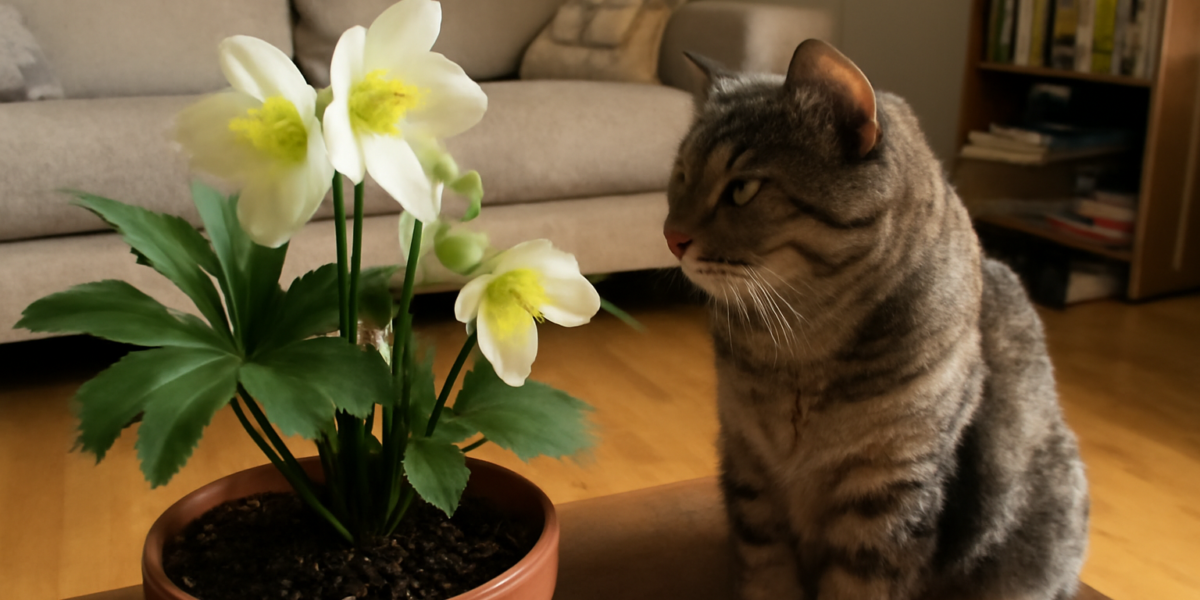
Hellebore, commonly known as the Christmas rose or Lenten rose, is toxic to cats. All species within the Helleborus genus contain dangerous compounds called bufadienolides and protoanemonin that can cause severe gastrointestinal distress, cardiac abnormalities, and neurological symptoms in cats. If your cat has eaten any part of a hellebore plant, contact your veterinarian immediately.
Hellebore plants are popular in winter and early spring gardens because they bloom when little else does. Their low-growing habit puts the flowers and leaves right at a curious cat’s eye level, making accidental ingestion a real concern for cat owners who garden. Every part of the plant is toxic, from the roots to the petals, and the sap can cause skin irritation on contact.
The toxicity level for hellebore toxic to cats exposure ranges from moderate to severe depending on the amount consumed. Even chewing on a single leaf can trigger drooling and vomiting, while ingestion of larger amounts may affect the heart and nervous system. Understanding the signs and knowing how to respond quickly can make all the difference.
Toxic Compounds in Hellebore
Hellebore plants contain two primary classes of toxic substances that threaten your cat’s health. The first group, bufadienolides, are cardiac glycosides similar in structure to those found in foxglove and lily of the valley. These compounds interfere with the sodium-potassium pump in heart muscle cells, disrupting normal cardiac rhythm and potentially causing dangerous arrhythmias.
The second major toxin is protoanemonin, a vesicant (blister-causing agent) found in the sap. This compound causes intense irritation to mucous membranes, which is why cats that chew on hellebore often begin drooling heavily almost immediately. Protoanemonin breaks down into the less toxic anemonin over time, but fresh plant material delivers a concentrated dose that can cause significant tissue damage in the mouth, throat, and digestive tract.
Additional compounds including saponins and ranunculin add to the overall toxic profile of hellebore. The root system tends to contain the highest concentration of these toxins, but the leaves and flowers carry enough to cause poisoning in a small animal like a cat. Even the water collected in a saucer beneath a potted hellebore can contain enough dissolved compounds to make a cat sick if they drink from it.
Because cats are generally smaller than dogs and have different metabolic pathways for processing toxins, they can be more susceptible to the effects of hellebore poisoning. Their livers are less efficient at detoxifying certain plant compounds, which means even a relatively small exposure can produce significant symptoms.
Symptoms of Hellebore Poisoning in Cats
Symptoms of hellebore poisoning in cats typically appear within one to four hours of ingestion. The onset and severity depend on how much your cat consumed, which part of the plant was eaten, and your cat’s overall health and body weight.
Gastrointestinal Symptoms
- Excessive drooling and pawing at the mouth
- Vomiting, sometimes with blood
- Diarrhea, potentially bloody
- Abdominal pain and visible discomfort
- Loss of appetite
Cardiac Symptoms
- Irregular heartbeat (arrhythmia)
- Slow heart rate (bradycardia)
- Weakness and lethargy
- Collapse
Neurological Symptoms
- Depression and withdrawal
- Dilated pupils
- Tremors
- Seizures in severe cases
The gastrointestinal symptoms usually appear first because the irritant compounds in the sap cause immediate damage to the lining of the mouth and stomach. The cardiac effects may take longer to develop as the bufadienolides are absorbed into the bloodstream. This delayed onset is particularly dangerous because an owner may assume the cat is recovering after the initial vomiting subsides, only to see more serious symptoms emerge hours later.
Cats are notoriously good at hiding illness, so watch closely for subtle changes in behavior after any suspected plant exposure. A cat that suddenly becomes quiet, hides in unusual places, or refuses to eat may be experiencing the early stages of poisoning even before more obvious symptoms appear.
Severity Rating and When to Worry
Toxicity severity: Moderate to Severe. Hellebore poisoning in cats is considered a serious veterinary concern. While most cats that receive prompt treatment recover fully, untreated cases involving significant ingestion can lead to dangerous cardiac complications and, in rare instances, death.
The factors that determine severity include:
- Amount consumed: A brief nibble typically causes mouth irritation and mild GI upset. Consuming several leaves or any root material raises the risk of cardiac involvement.
- Body weight: Kittens and small-breed cats are at the highest risk because even a small amount represents a proportionally large dose.
- Plant part: Roots contain the most concentrated toxins. Leaves and flowers are less concentrated but still dangerous.
- Time to treatment: Cats treated within the first two hours have the best outcomes. Delayed treatment allows more toxin absorption into the bloodstream.
- Pre-existing conditions: Cats with existing heart disease or kidney problems may be more vulnerable to the toxic effects.
Any cat suspected of eating hellebore should be examined by a veterinarian, even if symptoms seem mild. The cardiac glycoside effects can be unpredictable, and monitoring by a professional is the safest course of action.
What to Do If Your Cat Eats Hellebore
Step 1: Separate your cat from the plant. Move your cat away from the hellebore immediately. If there is plant material in their mouth, gently remove what you can see. Do not reach deep into the throat, as this can cause gagging or push material further down.
Step 2: Call your veterinarian or an emergency poison helpline. Contact your vet clinic or the ASPCA Animal Poison Control Center at (888) 426-4435 without delay. Describe your cat’s weight, the approximate amount of plant eaten, and any symptoms you have already observed. Follow their instructions closely.
Step 3: Do not induce vomiting without professional guidance. Unlike dogs, cats are more difficult and riskier to induce vomiting in at home. Hydrogen peroxide, which is sometimes used in dogs, is toxic to cats and should never be given. Only a veterinarian should make the decision to induce vomiting in a cat.
Step 4: Bring a plant sample to the clinic. Take a cutting of the hellebore or a clear photo. This helps the veterinary team confirm the plant and plan treatment. Different toxic plants require different supportive care, and quick identification speeds up the process.
Step 5: Follow veterinary treatment protocols. At the clinic, treatment may include activated charcoal to prevent further toxin absorption, intravenous fluids to support hydration and kidney function, anti-nausea medications, and cardiac monitoring. If the cardiac glycosides have caused arrhythmias, specific medications may be administered to stabilize heart rhythm.
Most cats that receive timely treatment recover within 24 to 72 hours, though your vet may want follow-up appointments to check heart function if cardiac symptoms were present. Keep your cat in a quiet, comfortable space during recovery and ensure fresh water is always available.
Preventing Hellebore Exposure for Indoor and Outdoor Cats
Prevention is the most reliable way to keep your cat safe from hellebore poisoning. For outdoor cats, this means carefully managing your garden plantings. For indoor cats, it means being vigilant about cut flower arrangements and potted plants brought into the home.
If you have hellebore growing in your garden and your cat goes outdoors, consider these strategies:
- Remove the plants entirely. This is the safest option if your cat roams freely in the garden.
- Create physical barriers. Surround garden beds with wire cloches or low fencing that prevents your cat from accessing the plants.
- Build a catio. An enclosed outdoor space gives your cat fresh air and stimulation without access to toxic plants.
- Supervise outdoor time. If your cat only goes outside with you, you can redirect them away from dangerous plants.
For indoor cats, never bring hellebore stems into your home as part of floral arrangements. Even a few dropped petals or leaves on the floor can attract a curious cat. If you receive a bouquet that contains hellebore, either remove those stems or place the arrangement in a room your cat cannot access.
Cat-safe alternatives that bloom in similar conditions to hellebore include snapdragons, African violets, and Boston ferns. These plants provide color and interest without posing a poisoning risk. For more ideas on creating a cat-safe environment, browse our cat care resources.
Other Garden Plants That Are Toxic to Cats
Hellebore is far from the only common garden plant that threatens your cat’s health. If you are auditing your garden or home for toxic species, be aware of these other frequent offenders:
- Lilies (Lilium and Hemerocallis): Extremely toxic to cats. Even small ingestions can cause fatal kidney failure.
- Poppies: Contain alkaloids that affect the central nervous system. Read our guide to poppy toxicity in cats for details.
- Milkweed: Contains cardiac glycosides similar to those in hellebore. Our milkweed toxicity article explains the risks.
- Autumn crocus: Contains colchicine, which can cause multi-organ failure.
- Sago palm: Every part is toxic, with the seeds being the most dangerous.
When planning a pet-friendly garden, the ASPCA maintains a comprehensive list of plants that are toxic and non-toxic to cats. Cross-referencing your plant selections against this database is a simple step that could prevent a poisoning emergency. If you share your home with both cats and dogs, remember that adopting a cat comes with the responsibility of pet-proofing your environment for their unique sensitivities.
Frequently Asked Questions
Can just touching hellebore make my cat sick?
Touching the intact plant usually does not cause poisoning, but the sap released from broken stems or crushed leaves can irritate your cat’s skin and paw pads. If your cat walks through freshly cut hellebore and then grooms their paws, they could ingest enough sap to cause drooling and mild GI upset. Wash your cat’s paws with warm water if you suspect sap contact.
Are all hellebore species equally toxic to cats?
All species in the Helleborus genus are considered toxic to cats. This includes Helleborus niger (Christmas rose), Helleborus orientalis (Lenten rose), Helleborus foetidus (stinking hellebore), and the many hybrid varieties sold in garden centers. Treat every hellebore species as a potential hazard for your cat.
How long does hellebore poisoning last in cats?
With prompt veterinary treatment, most cats begin recovering within 24 hours, with full recovery typically occurring within two to three days. Cats that experienced cardiac symptoms may take longer to fully recover and should have follow-up veterinary monitoring. Without treatment, the duration and severity of symptoms can increase significantly.
Is dried hellebore still toxic to cats?
Dried hellebore plant material retains most of its toxicity. The bufadienolides (cardiac glycosides) remain active even after the plant has dried, so fallen leaves, dried flower arrangements, or compost containing hellebore material all pose a risk. Dispose of plant waste securely where your cat cannot access it.
My cat chewed a hellebore leaf but seems fine. Should I still see a vet?
Yes. Symptoms of hellebore poisoning can be delayed by several hours, and the cardiac effects in particular may not become apparent immediately. A veterinary evaluation provides peace of mind and allows the vet to begin monitoring or treatment before serious symptoms develop. It is always better to have an unnecessary vet visit than to miss a developing poisoning case.


