
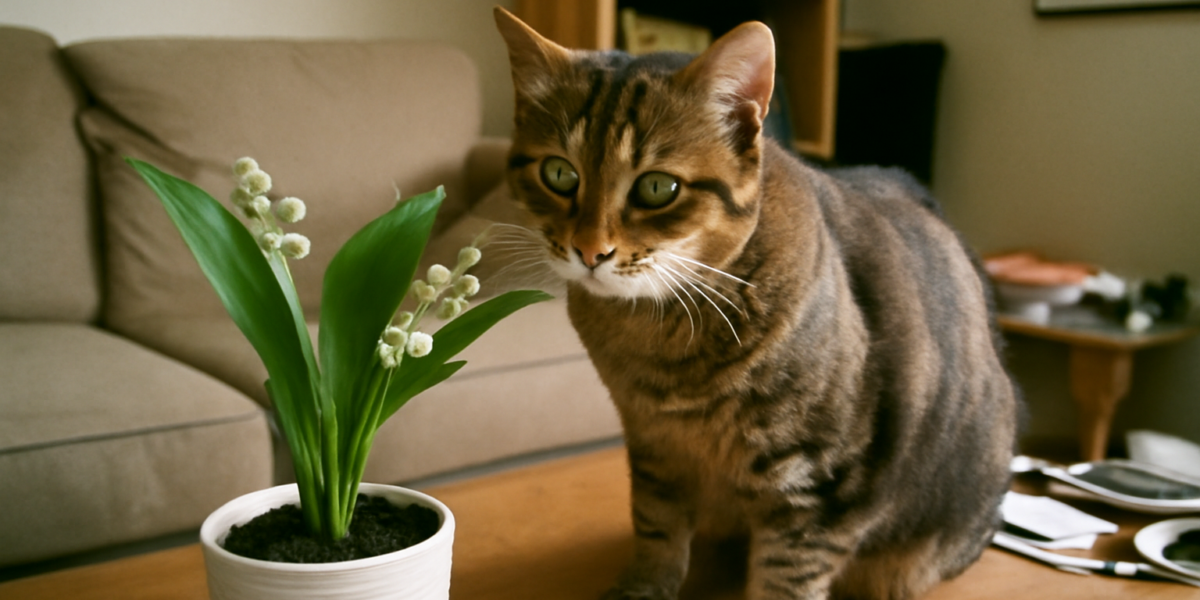
Lily of the Valley Is Highly Toxic to Cats
Lily of the valley (Convallaria majalis) is extremely dangerous for cats. Every part of this fragrant woodland plant, including the bell-shaped flowers, leaves, stems, roots, and even the red berries produced in autumn, contains potent cardiac glycosides that can cause fatal heart failure in cats. The toxicity level is severe, and even small ingestions require immediate veterinary intervention.
In this article
Despite the name, lily of the valley is not a true lily. It belongs to the Asparagaceae family rather than the Liliaceae family. However, this distinction does not make it any safer. While true lilies (Lilium and Hemerocallis species) cause kidney failure in cats, lily of the valley attacks the heart. Both types of poisoning can be deadly without prompt treatment.
The primary toxic compounds in lily of the valley are convallatoxin, convallarin, and convallamarin. These cardiac glycosides disrupt normal heart function by interfering with the electrical conduction system, potentially causing fatal arrhythmias. If your cat has any contact with this plant, contact your veterinarian immediately.
Understanding the Toxic Compounds
Lily of the valley contains approximately 38 different cardiac glycosides, with convallatoxin being the most potent. These compounds are chemically similar to digitalis found in foxglove and work through the same mechanism: inhibiting the sodium-potassium ATPase pump in cardiac muscle cells.
When this pump is disrupted, calcium accumulates inside heart cells, initially increasing the force of contractions but quickly progressing to dangerous rhythm disturbances. The heart may beat too slowly, too fast, or in a completely irregular pattern, all of which can reduce blood flow to vital organs.
One particularly concerning aspect of lily of the valley toxicity is that the compounds are water-soluble. The water in a vase holding cut lily of the valley stems contains enough dissolved toxins to poison a cat. Cats that drink from flower vases are at significant risk, even if they never touch the plant itself.
The berries that develop in late summer and autumn are also highly toxic. Their bright red color can attract curious cats, and ingesting even a few berries can cause serious cardiac effects.
Symptoms of Lily of the Valley Poisoning
Symptoms typically develop within one to four hours after ingestion, depending on the amount consumed and the part of the plant eaten. The clinical signs of lily of the valley toxicity in cats progress through distinct stages.
Initial gastrointestinal symptoms include:
- Excessive drooling and lip smacking
- Nausea and vomiting
- Diarrhea, sometimes with blood
- Abdominal pain and decreased appetite
Cardiovascular symptoms follow as the cardiac glycosides are absorbed:
- Slow heart rate (bradycardia) dropping below normal feline rates
- Irregular heart rhythm detectable even without a stethoscope in severe cases
- Low blood pressure causing weakness and unsteadiness
- Pale or bluish gums indicating poor circulation
Neurological symptoms may also appear:
- Disorientation and confusion
- Dilated pupils
- Tremors
- Seizures in severe poisoning
- Collapse and loss of consciousness
Without treatment, severe lily of the valley poisoning can progress to complete heart block, ventricular fibrillation, and cardiac arrest. The timeline from ingestion to fatal outcome can be as short as several hours.
First Aid and Emergency Response
Speed is essential when dealing with suspected lily of the valley poisoning. Take these steps immediately if you believe your cat has ingested any part of the plant.
Remove your cat from the area and prevent further access to the plant. Check your cat’s mouth and gently remove any visible plant material. Do not attempt to induce vomiting at home. Hydrogen peroxide, which is sometimes used in dogs, is not safe for cats and can cause severe gastric irritation.
Call the ASPCA Animal Poison Control Center at 888-426-4435 or your emergency veterinarian immediately. Have the following information ready: your cat’s approximate weight, the estimated time of ingestion, and which part of the plant was consumed. If possible, take a photo of the plant or bring a sample with you.
Transport your cat to the veterinary hospital without delay. Keep your cat in a secure carrier, calm, and at a comfortable temperature. Avoid any unnecessary stress during transport, as the heart is already under strain from the toxins.
If your cat is showing cardiac symptoms such as weakness, collapse, or labored breathing, tell the emergency clinic you are on your way so they can prepare for your arrival. Every minute matters with cardiac glycoside poisoning. The urgency is comparable to other serious plant poisonings like foxglove ingestion.
Veterinary Diagnosis and Treatment
At the veterinary hospital, your cat will receive a rapid assessment focusing on heart rate, rhythm, and blood pressure. An electrocardiogram (ECG) will be performed to evaluate cardiac conduction and identify specific arrhythmias.
If ingestion occurred recently, decontamination measures may include induced vomiting under veterinary supervision and administration of activated charcoal to bind toxins still in the gastrointestinal tract. Gastric lavage (stomach pumping) may be considered in severe cases with recent large ingestions.
Treatment is primarily supportive and symptom-based:
- Intravenous fluids to maintain blood pressure and support organ perfusion
- Atropine for severe bradycardia (dangerously slow heart rate)
- Antiarrhythmic medications tailored to the specific rhythm disturbance
- Electrolyte monitoring and correction, especially potassium levels
- Anti-nausea medications to control vomiting
In life-threatening cases, digoxin-specific antibody fragments (Digibind) may be administered. This antidote binds to cardiac glycosides and neutralizes their effect. While expensive, it can be life-saving when available. Not all veterinary hospitals stock this product, so critical cases may need referral to a specialty emergency center.
Hospitalization typically lasts 24 to 72 hours, with continuous cardiac monitoring throughout. Cardiac glycosides have a prolonged duration of action, meaning arrhythmias can persist or recur for one to three days after ingestion.
Prevention and Safe Alternatives
The only reliable way to protect your cat from lily of the valley poisoning is to eliminate the plant from your home and garden entirely. This includes removing established garden plantings, refusing cut flower arrangements containing lily of the valley, and checking any new plants before introducing them to your property.
Lily of the valley spreads aggressively through underground rhizomes, meaning a small patch can quickly colonize a large area. If you are removing it from your garden, you may need to dig deeply and remove all root material to prevent regrowth. Wear gloves during removal, as the plant sap can cause skin irritation.
For fragrant garden alternatives that are safe for cats, consider:
- Roses, which are non-toxic though thorns can cause minor injury
- Snapdragons, which are safe and come in many colors
- Sunflowers, which are non-toxic and attract pollinators
- Catnip or cat grass, which cats can safely enjoy
If you rent or share garden space and cannot control what is planted, ensure your cat does not have unsupervised access to areas where lily of the valley may grow. Consider creating an enclosed outdoor space (catio) that allows your cat to enjoy fresh air without exposure to toxic plants. For more plant safety information, see our guides on tulip toxicity in cats and daffodil dangers for cats.
Frequently Asked Questions
Can my cat get poisoned just by smelling lily of the valley?
Simply smelling the plant from a normal distance is unlikely to cause poisoning. The toxic cardiac glycosides need to be ingested to cause significant harm. However, if your cat sniffs the flowers closely and then licks pollen or plant residue from their nose, a small amount of toxin could be absorbed. The greater danger is that sniffing leads to chewing, so keep the plant completely out of reach.
Is lily of the valley also toxic to dogs?
Yes, lily of the valley is toxic to dogs, cats, horses, and humans. All species are susceptible to the cardiac glycoside effects. Dogs tend to ingest larger amounts due to their less selective eating habits, which can lead to more severe poisoning. The same emergency response applies regardless of species.
How is lily of the valley poisoning different from true lily poisoning in cats?
True lilies (Easter lily, tiger lily, daylily) cause acute kidney failure in cats, while lily of the valley causes cardiac toxicity. Both are potentially fatal, but they attack different organ systems and require different treatment approaches. True lily poisoning requires aggressive IV fluid therapy to protect the kidneys, while lily of the valley poisoning requires cardiac monitoring and antiarrhythmic drugs.
Can dried lily of the valley still harm my cat?
Yes. The cardiac glycosides in lily of the valley remain active even after the plant has dried. Dried arrangements, potpourri, or dead plant material in the garden all pose a risk. Dispose of dried lily of the valley material safely where your cat cannot access it.
What is the prognosis for a cat with lily of the valley poisoning?
Prognosis depends heavily on the amount ingested and how quickly treatment begins. Cats that receive veterinary care within one to two hours of ingestion and before significant cardiac symptoms develop have the best outcomes. Cats with severe arrhythmias or cardiac arrest carry a guarded to poor prognosis. Prompt action and awareness of this plant’s dangers are your cat’s best protection. Visit our cat care hub for more safety resources.


