
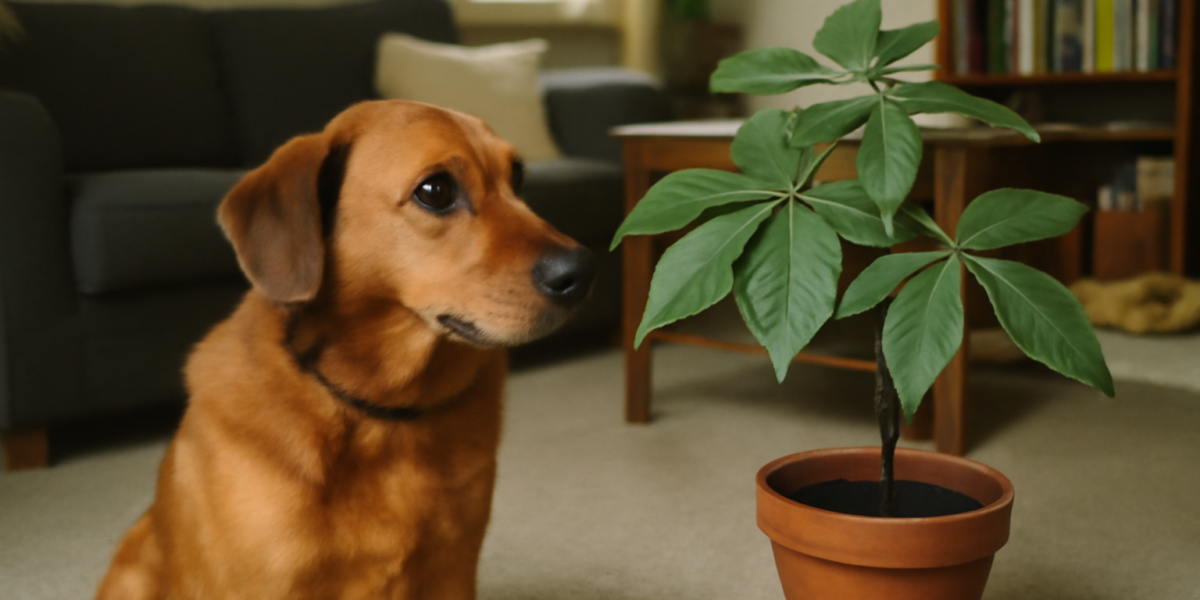
Are Horse Chestnuts Toxic to Pets? The Quick Answer
Yes, horse chestnuts are toxic to both dogs and cats. The ASPCA lists Aesculus species — including the European horse chestnut (Aesculus hippocastanum) and the related buckeyes — as toxic to dogs and cats because they contain aescin, a saponin glycoside, along with other compounds. The severity sits in the moderate tier: most ingestions cause significant gastrointestinal upset, and larger ingestions can produce cardiovascular and central nervous system signs. They are not as immediately devastating as oleander or mountain laurel, but they are not “wait and see” either.
In this article
- Are Horse Chestnuts Toxic to Pets? The Quick Answer
- What Horse Chestnuts Look Like and Where Pets Encounter Them
- The Toxic Compounds: Aescin and Friends
- Symptoms of Horse Chestnut Poisoning
- How Many Nuts Is Too Many?
- What to Do If Your Pet Eats Horse Chestnut
- Veterinary Treatment
- Horse Chestnut vs Sweet Chestnut: A Critical Distinction
- Horse Chestnut Trees in Yards and Parks
- Buckeyes: The North American Cousins
- Comparison with Other Fall Yard Hazards
- Pet-Safe Tree Alternatives
- Welcome-Home Yard Audits and Adoption
- Frequently Asked Questions
If your pet has eaten horse chestnuts (the nuts), chewed leaves, or gotten into bark from a horse chestnut tree, treat it as an urgent vet call. The combination of toxic compounds plus a real choking and obstruction risk from the hard nuts themselves makes horse chestnuts a meaningful pet-safety concern. Call your veterinarian, the ASPCA Animal Poison Control Center at 888-426-4435 (fee applies), or the Pet Poison Helpline at 855-764-7661 (fee applies). Important note: horse chestnuts (Aesculus) are NOT the same as the edible sweet chestnuts (Castanea sativa) you might roast for the holidays. The two are completely different species with very different safety profiles.
What Horse Chestnuts Look Like and Where Pets Encounter Them
Horse chestnut trees are large deciduous trees, often growing 50 to 80 feet tall, with palmate compound leaves (each leaf made up of five to seven leaflets arranged like fingers from a central point). They produce showy upright clusters of white or pink flowers in late spring, called “candles” because of their vertical bottle-brush shape. The fruit is a green spiky husk roughly two to three inches across, containing one to three glossy brown nuts that look like polished mahogany — the seeds people associate with the word “conker” in British tradition.
Pets encounter horse chestnuts almost exclusively as fallen nuts in autumn. The trees are widely planted in parks, along streets, and in formal landscapes, and the nuts drop in profusion from September through November. Dogs, in particular, will pick up and chew the nuts during walks or yard time. The shape and size of the nuts is appealing to fetch-oriented dogs, and their hardness makes them seem chewable.
Buckeyes (Ohio buckeye, Aesculus glabra; California buckeye, Aesculus californica; yellow buckeye, Aesculus flava) are closely related species native to North America that share the same toxic compounds and the same risk picture. Some regions use “buckeye” and “horse chestnut” interchangeably; from a toxicity standpoint they are equivalent.
The Toxic Compounds: Aescin and Friends
The principal toxic compound in horse chestnuts is aescin (also written as escin), a complex mixture of saponin glycosides. Saponins are soap-like compounds that disrupt cell membranes and irritate the gastrointestinal tract. Aesculin (the namesake of the genus) is another concerning compound, with hemolytic properties at high doses. The plant also contains tannins and other irritants.
The toxic compounds are concentrated in the seeds (nuts), husks, leaves, flowers, and bark. Concentrations vary by part and season. The fresh green nuts before they ripen and drop, along with the leaves and flowers, are notably toxic. Mature dropped nuts retain enough toxin to cause illness when ingested in meaningful amounts.
Aescin is also of medical interest in human medicine — extracts of horse chestnut are sometimes used in topical preparations for venous insufficiency. The therapeutic use does not translate to a safety profile for whole-plant ingestion in pets. Concentrated extracts dosed by humans for medical purposes are far different from a dog crunching whole nuts in the yard.
Symptoms of Horse Chestnut Poisoning
The most common signs after ingestion are gastrointestinal: drooling, repeated vomiting, watery diarrhea, abdominal pain, and refusal to eat. These typically appear within a few hours of ingestion and reflect the saponin-driven gut irritation. Some pets become lethargic and may have a bloated belly from the GI distress.
With larger ingestions or more concentrated plant material, additional signs become possible. Watch for ataxia (wobbly walking), tremors, weakness, dilated pupils, increased heart rate (or rarely slow heart rate), and central nervous system depression including unusual sluggishness or unresponsiveness. Severe ingestions can cause seizures, but this is uncommon. Some cases progress to dehydration severe enough to require IV fluid support.
The mechanical risk of the nut itself adds another layer. Hard horse chestnut seeds are exactly the size to cause choking or intestinal obstruction in many dogs. A dog who gulps a whole nut without chewing may end up with an obstruction that needs imaging to diagnose and possibly surgical or endoscopic removal. Repeated unproductive vomiting, abdominal pain, and reduced or absent stool over a 24-hour period after a known nut ingestion warrant imaging.
How Many Nuts Is Too Many?
There is no clean dose-response number for horse chestnut toxicity in pets. The risk depends on the dog or cat’s body weight, the part of the plant ingested (raw seeds tend to be most concerning), how thoroughly it was chewed, and the individual animal’s sensitivity. A single whole nut swallowed by a large dog is likely a low-grade saponin exposure plus a moderate obstruction risk. Multiple chewed nuts, or a nut ingested by a small dog, is a more concerning situation.
Body size is the biggest variable. A ten-pound dog ingesting two horse chestnuts is at meaningfully higher risk than a sixty-pound dog ingesting the same amount. Cats are smaller still, though they are less likely to actually eat horse chestnuts because the seeds are not particularly attractive to them. Cat exposures, when they occur, often involve foliage or decorative arrangements rather than the nuts themselves.
Puppies, geriatric pets, and pets with pre-existing GI, cardiac, or kidney issues have less margin for any toxicity. Puppies are at especially high risk because they are more likely to swallow whole objects and less likely to discriminate between safe and toxic plant material.
What to Do If Your Pet Eats Horse Chestnut
The first step is to remove your pet from the source. Pick up remaining nuts and husks in the immediate area, take your pet inside, and check their mouth for chewed material or whole nuts that may still be in the cheek pouches. Note approximately how many nuts were ingested, whether they appeared to be chewed or swallowed whole, and the time of ingestion.
Call. Provide your veterinary team or poison control hotline with your pet’s species, breed, weight, age, health background, the part and amount of plant ingested, and the time elapsed. Have a nut, husk, or photograph available so the staff can confirm species — horse chestnut is sometimes confused with edible sweet chestnut, and species ID matters.
Do not induce vomiting at home unless directly instructed by a veterinary professional. With horse chestnut ingestion, the emesis decision depends on timing, the amount ingested, and the airway and obstruction picture. The veterinary team will tell you whether at-home action is appropriate or whether you should bring your pet straight to the clinic.
Veterinary Treatment
For most horse chestnut ingestions, treatment is supportive. Depending on the timing and clinical picture, the team may use induced emesis if recent enough and not contraindicated, activated charcoal to bind unabsorbed toxin, IV fluid therapy for dehydration from vomiting and diarrhea, anti-nausea and anti-vomiting medication, GI protectants to reduce ongoing gut irritation, and observation. Cardiac and neurological monitoring may be added for pets showing systemic signs.
For pets with suspected obstruction from swallowed whole nuts, abdominal imaging (X-rays, sometimes ultrasound or contrast studies) is the next step. Some obstructions resolve with conservative management — fluids, GI protectants, time. Others require endoscopic or surgical removal. Early imaging is dramatically cheaper than waiting until the obstruction has caused intestinal damage that requires more extensive surgery.
Most pets recover fully with appropriate care. Severe cases involving extensive cardiovascular signs or full intestinal obstruction may need several days of hospitalization. The outpatient cases — moderate GI signs that resolve with supportive care — typically clear up within 24 to 48 hours.
Horse Chestnut vs Sweet Chestnut: A Critical Distinction
One of the most important things pet parents can know about horse chestnuts is that they are completely different from edible sweet chestnuts (Castanea sativa) and the related American chestnut. Sweet chestnuts are the ones you roast over an open fire at Christmas; they are a different plant family entirely (Fagaceae, the same family as oaks and beeches) and are not toxic in the same way. Sweet chestnuts have a very spiny husk (much spinier than horse chestnut), pointed nuts with a tassel at the tip, and smaller leaves with toothed edges.
The look-alike confusion is dangerous in both directions. People sometimes see fallen horse chestnuts and think they have an edible chestnut tree in their yard, which can lead to human poisoning if the nuts are eaten. People may also assume that any chestnut is safe for pets because they have eaten roasted chestnuts safely, which is incorrect for horse chestnuts.
For pet safety, the key takeaway is that fallen brown nuts in the size and shape of marbles to small plums, with a smooth glossy shell and a pale spot, are most likely horse chestnuts (or the related buckeyes). All Aesculus species are toxic to pets. If you are unsure, treat any fallen nuts in your yard as potentially toxic until you can identify them with confidence.
Horse Chestnut Trees in Yards and Parks
Horse chestnut trees are widely planted in parks, urban streets, and formal gardens because of their dramatic flowers and shade. If a horse chestnut grows in your yard, fall is the highest-risk season — the nut drop runs from September through November, and a dog with even moderate scavenging instinct can collect handfuls of nuts during outdoor time.
Yard management starts with daily cleanup during the fall drop. Bag the nuts and husks, dispose of them somewhere your dog cannot access, and consider fencing off the drip line if cleanup is impossible to keep up with. The nuts can roll significant distances from the tree, especially on sloped yards, so check the broader area around the tree, not just directly underneath.
For walks in parks and along streets with horse chestnut trees, leash control and active supervision matter. Trained “leave it” cues help, but a strong-willed dog can pick up a nut faster than you notice. During September and October, plan walks that avoid known horse chestnut tree locations or keep your dog on a short leash through those areas.
Buckeyes: The North American Cousins
Buckeyes — Ohio buckeye, California buckeye, yellow buckeye — are Aesculus species native to North America. They share the same aescin and aesculin chemistry as European horse chestnut and pose the same toxic risks to pets. Native American tribes traditionally used buckeye in fishing (the saponins stunned fish in pools), which is a useful reminder of how potent these compounds are.
The Ohio buckeye is the state tree of Ohio and is widespread in the central US. California buckeye is native to coastal California. Yellow buckeye and red buckeye (Aesculus pavia) round out the major North American species. All are toxic to pets, and the management approach is the same as for horse chestnut.
If you live in a region with native buckeyes, your fall yard cleanup should include any buckeye fruit drop. Wild buckeyes growing in nearby woodland may shed nuts that travel into your yard or onto walking trails. Awareness of your local Aesculus species helps you anticipate the seasonal risks.
Comparison with Other Fall Yard Hazards
Horse chestnuts share the autumn yard-cleanup window with several other plant hazards. Acorns drop from oaks during the same season — see our piece on acorns and dogs for the tannin-related risks. Oak leaves accumulate in fall and pose their own GI concerns. Stone fruits — cherry, peach, plum — drop in late summer and early fall; our cherry pits and dogs guide covers the cyanide and obstruction picture for stone fruit pits.
Mountain laurel and rhododendron drop leaves and finished flowers in fall too, although they are evergreen and less dramatically seasonal than the deciduous nuts and fruits. Our pieces on mountain laurel and dogs and mountain laurel and cats cover those severe-tier risks. Red maple leaves are the famous horse-toxicity plant; for dogs and cats the risk is lower but still warrants fall cleanup.
The general fall yard safety routine — weekly cleanup of leaves, nuts, fruit, and other plant debris during October and November — addresses most of these risks at once. Plus a leash-walking strategy during peak drop weeks for the trees you cannot manage.
Pet-Safe Tree Alternatives
If you are designing a new landscape and want shade and seasonal interest without horse chestnut concerns, several alternatives are worth considering. Crabapple trees offer spring flowers and fall fruit (in much smaller, more manageable quantities). Dogwoods provide spring flowers and fall color without significant toxicity. Redbud, magnolia (most species), and serviceberry are popular pet-friendly choices.
For larger shade trees, consider American elm cultivars, hackberry, sycamore, ginkgo (be aware that ginkgo fruit has a strong odor and can cause GI upset, though it is not severely toxic), or non-toxic conifers like pines (rinse seasonally for sap and needles). Always cross-check specific species against the ASPCA toxic-plant database before planting.
Our roundup of pet-safe garden plants includes more options for dog-friendly and cat-friendly landscaping. The goal is a yard that is genuinely beautiful and functional without being a slow-motion toxic-plant trap.
Welcome-Home Yard Audits and Adoption
When a new pet joins your household — through adoption, fostering, or a major move — the first few weeks are when plant exposures are most likely. New pets are exploring everything, the household routine is in flux, and you do not yet know your pet’s individual scavenging style. Some dogs ignore fallen nuts entirely. Others will inhale every horse chestnut they find.
For your yard, identify the trees and plants. Note any horse chestnuts, oaks, stone fruits, or other species with known toxic seasonal drops. Plan your cleanup routine. Walk your typical dog-walking routes and note any horse chestnut trees overhead so you can leash-control during fall.
Our team at Walk Me Home Rescue’s dog adoption page and cat adoption page walks adopters through yard and home audits as part of welcome-home prep. Five minutes of plant identification and risk assessment is much cheaper than an emergency vet visit during the first week. Pets deserve to come home to a space designed for their safety, especially during the high-risk seasonal windows when fallen nuts and fruit are abundant.
Frequently Asked Questions
Are horse chestnuts the same as the chestnuts I roast at Christmas?
No, they are completely different plants. Edible sweet chestnuts (Castanea sativa) are in the beech family and are safe for human consumption when properly cooked. Horse chestnuts (Aesculus hippocastanum) are in a different family and are toxic to people and pets. Do not feed horse chestnuts to anyone — they are not edible.
What if my dog ate one horse chestnut?
One whole horse chestnut in a large dog is likely to cause moderate GI signs (vomiting, diarrhea, lethargy) plus a real obstruction risk. Smaller dogs face higher per-kilogram exposure and higher obstruction risk. Call your veterinarian or poison control to determine whether monitoring at home or a clinic visit is appropriate.
How fast do symptoms appear after horse chestnut ingestion?
GI signs typically appear within a few hours of ingestion. Obstruction signs may develop over 12 to 24 hours. Cardiovascular and neurological signs, when they occur, usually emerge in the first 6 to 12 hours. Watch your pet closely for the first day after a known ingestion.
Are buckeyes the same as horse chestnuts?
From a toxicity standpoint, yes. Buckeyes (Aesculus glabra, Aesculus californica, etc.) are closely related species in the same genus as horse chestnut and contain the same toxic compounds. Treat any Aesculus species exposure with the same caution.
What if my pet swallowed a whole horse chestnut and seems fine?
“Seems fine” can be deceptive. Toxic effects may take hours to develop, and obstruction can develop over a day or more. Call your veterinarian to discuss whether observation, induced emesis, or imaging is appropriate. The absence of immediate symptoms does not mean the pet is out of the woods, especially with the obstruction risk hard nuts pose.


