
Last updated: April 10, 2026
In this article
Are Lavender Plants Toxic to Dogs?
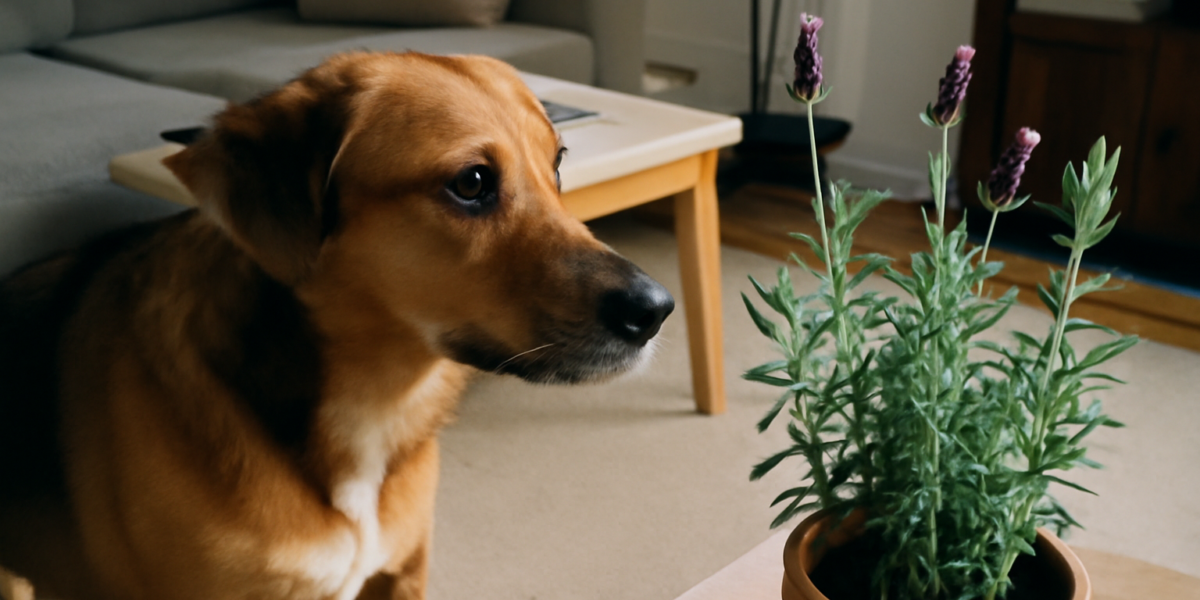
Lavender plants are mildly toxic to dogs. While lavender is beloved for its calming scent and beautiful purple blooms, the plant contains compounds called linalool and linalyl acetate that can cause gastrointestinal upset and other symptoms if your dog ingests it. The good news is that lavender plants toxic to dogs rarely cause life-threatening reactions, but you should still take precautions.
Most cases of lavender poisoning in dogs are mild, especially if only a small amount of the plant is consumed. However, concentrated lavender essential oil poses a much greater risk than the plant itself. Understanding the difference between the plant and the oil is key to keeping your pup safe.
Toxic Compounds in Lavender
Lavender contains two primary compounds that are problematic for dogs: linalool and linalyl acetate. These naturally occurring terpenes give lavender its distinctive fragrance, but they can irritate your dog’s digestive system and, in larger amounts, affect the nervous system.
Linalool is found throughout the lavender plant, including the flowers, stems, and leaves. When your dog chews on or swallows lavender plant material, these compounds are released and absorbed through the gastrointestinal tract. The concentration of these toxins varies depending on the lavender variety, with some cultivars containing higher levels than others.
It is worth noting that lavender essential oil is far more concentrated than the plant itself. Even a small amount of undiluted lavender oil can cause serious symptoms in dogs, including chemical burns to the mouth and esophagus. Never apply lavender essential oil directly to your dog or allow them to ingest it.
Symptoms of Lavender Poisoning in Dogs
If your dog has eaten lavender, watch for these common symptoms that typically appear within a few hours of ingestion:
- Nausea and vomiting
- Loss of appetite
- Diarrhea
- Drooling or excessive salivation
- Lethargy or unusual tiredness
In more severe cases, particularly when a dog has consumed lavender essential oil or a large quantity of plant material, you may notice additional symptoms such as difficulty breathing, wobbling or unsteady gait, and a decrease in heart rate. These more serious symptoms require immediate veterinary attention.
Skin contact with concentrated lavender oil can also cause irritation, redness, and itching. If your dog has rolled in or stepped on crushed lavender, check their skin and paws for signs of a reaction.
What to Do If Your Dog Eats Lavender
Stay calm if you catch your dog munching on your lavender bush. In most cases, eating a small amount of the plant will only cause mild stomach upset. Remove any remaining plant material from your dog’s mouth and offer fresh water to help dilute the compounds.
Monitor your dog closely for the next 12 to 24 hours. If symptoms are mild, such as a single episode of vomiting or soft stool, your dog will likely recover on their own. Keep them comfortable and ensure they stay hydrated.
Contact your veterinarian or the ASPCA Animal Poison Control Center immediately if your dog has ingested lavender essential oil, consumed a large quantity of plant material, or is showing severe symptoms like difficulty breathing or loss of coordination. Your vet may recommend inducing vomiting or administering activated charcoal depending on the timing and amount ingested.
Always bring a sample of what your dog ate to the vet visit. This helps your veterinarian identify the exact substance and determine the best course of treatment.
Lavender Essential Oil vs. the Plant
There is a critical distinction between the lavender plant growing in your garden and concentrated essential oils that pose serious risks to dogs. The plant itself contains relatively low concentrations of toxic compounds, making it a mild irritant at worst for most dogs.
Lavender essential oil, on the other hand, is highly concentrated. It takes pounds of lavender flowers to produce just a small bottle of essential oil, meaning the toxin levels are dramatically higher. Dogs who lick or ingest essential oil can experience chemical burns to their mouth, throat, and stomach lining.
Diffusing lavender oil in your home can also affect your dog. While the concentration in the air is typically low, dogs with respiratory sensitivities may experience coughing, sneezing, or nasal irritation. If you use a diffuser, make sure your dog can leave the room freely and never diffuse in a small, enclosed space.
Keeping Your Dog Safe Around Lavender
You do not have to banish lavender from your life entirely. With a few smart precautions, you can enjoy this fragrant herb while keeping your dog safe.
In your garden, consider planting lavender in raised beds or fenced areas where your dog cannot easily access it. Many dogs are naturally deterred by the strong scent of lavender and will avoid it on their own, but puppies and curious chewers may not share that instinct.
Inside your home, store all lavender essential oils and lavender-scented products securely out of your dog’s reach. This includes candles, room sprays, bath products, and dried lavender sachets. Be especially cautious with potpourri, which dogs may mistake for a treat.
If you enjoy growing herbs, there are many pet-safe plants that make wonderful alternatives to lavender. Rosemary, basil, and thyme are all non-toxic to dogs and can provide a similar garden aesthetic.
Pet-Safe Alternatives to Lavender
If you are looking for calming scents or beautiful purple blooms without the risk, several dog-friendly options exist. African violets offer gorgeous purple flowers and are completely non-toxic to dogs. Spider plants are another safe choice that adds greenery to your home.
For your outdoor garden, consider planting sunflowers, which are safe for dogs, or snapdragons, which are non-toxic and come in a variety of colors. These alternatives let you enjoy a beautiful garden without worrying about your four-legged friend.
If you are using lavender specifically for its calming properties, talk to your veterinarian about dog-safe calming supplements or pheromone diffusers designed specifically for canine use. These products are formulated to be safe and effective for dogs.
Frequently Asked Questions
Can the smell of lavender hurt my dog?
The scent of a lavender plant in your garden is unlikely to harm your dog. However, concentrated lavender essential oil in a diffuser can irritate your dog’s respiratory system, especially in poorly ventilated rooms. Always give your dog the option to leave the area if you are diffusing any essential oil.
How much lavender is dangerous for dogs?
There is no established toxic dose for lavender plants in dogs, as toxicity depends on the dog’s size, the lavender variety, and the amount consumed. A few nibbled leaves are unlikely to cause more than mild stomach upset, while ingesting essential oil or large quantities of plant material warrants a call to your vet.
Is dried lavender safe to have around dogs?
Dried lavender carries the same mild toxicity risk as the fresh plant. Small amounts are unlikely to cause serious harm, but keep dried lavender sachets and potpourri out of your dog’s reach. Dogs may be attracted to the texture and try to eat it, which can cause gastrointestinal upset similar to other mildly toxic plants.
Should I remove lavender from my yard if I have a dog?
You do not necessarily need to remove lavender from your yard. Most dogs avoid lavender due to its strong scent. However, if your dog is a known plant chewer, consider fencing off your lavender or replacing it with pet-safe alternatives. Monitor your dog’s behavior around the plant and consult your veterinarian if you have concerns.


