
Last updated: April 10, 2026
In this article
Are Morning Glories Toxic to Dogs? What Every Pet Owner Must Know
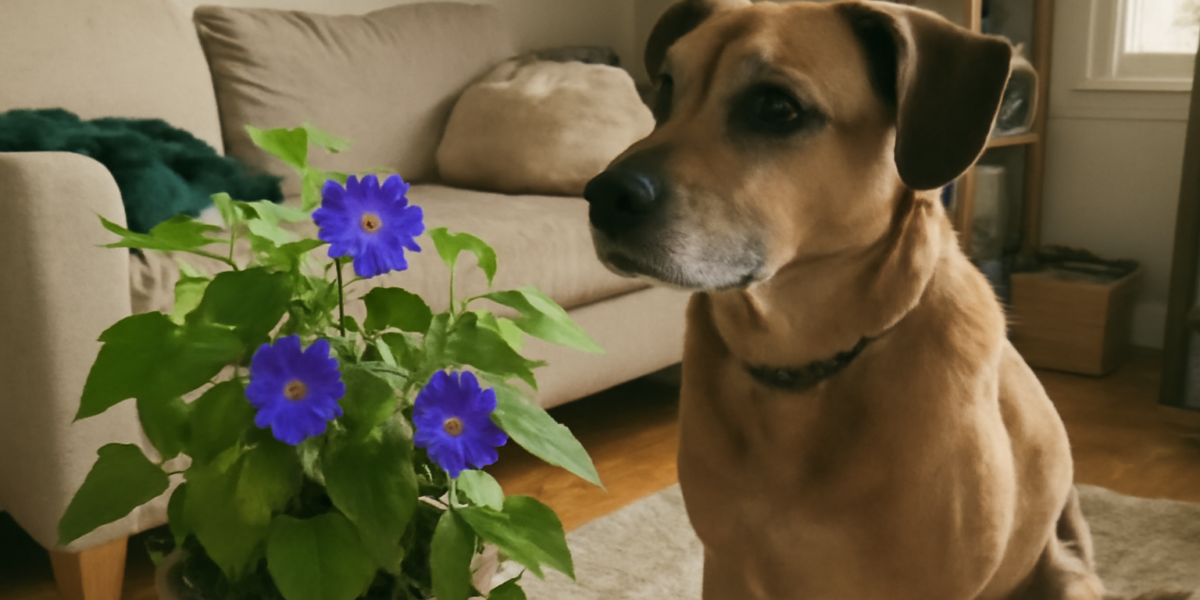
Morning glories are among the most beloved flowering vines in home gardens. With their vibrant trumpet-shaped blooms in shades of blue, purple, pink, and white, they add a stunning visual display to fences, trellises, and arbors. However, beneath their beauty lies a genuine danger for dog owners. Morning glories contain toxic compounds that can pose a serious risk to dogs, and understanding this threat is essential for anyone who shares their outdoor spaces with a canine companion.
If you grow morning glories in your yard, or if your dog has access to areas where these plants grow wild, this guide will help you understand the specific risks, recognize the signs of poisoning, know what to do in an emergency, and identify safer alternatives for a dog-friendly garden.
Understanding Morning Glory Toxicity
Morning glories, which belong to the Convolvulaceae family and are most commonly represented by the genus Ipomoea, contain several toxic compounds that can affect dogs. The primary toxins of concern are lysergic acid amide (LSA) and related ergot alkaloids, which are concentrated in the seeds of the plant. These compounds are chemically related to lysergic acid diethylamide (LSD) and can produce hallucinogenic and neurological effects when ingested in sufficient quantities.
The seeds are the most dangerous part of the morning glory plant. A single seed pod can contain multiple seeds, and each seed holds a meaningful concentration of LSA and other alkaloids. However, it is important to note that other parts of the plant, including the leaves, stems, and flowers, also contain toxic compounds, though generally at lower concentrations than the seeds.
The sap of morning glory vines contains additional irritating substances that can cause mild gastrointestinal upset and skin irritation. Some species also produce indole alkaloids that affect the central nervous system and smooth muscle tissue. The overall toxicity profile means that no part of the morning glory plant should be considered safe for canine consumption.
The ASPCA officially lists morning glories as toxic to dogs, cats, and horses. The Pet Poison Helpline also categorizes them as a moderate to potentially severe toxin depending on the amount ingested, with seed ingestion being the most concerning scenario. Even gardeners who handle morning glory seeds should wash their hands before interacting with their pets to avoid accidental transfer of the toxic compounds.
Symptoms of Morning Glory Poisoning in Dogs
The symptoms your dog may exhibit after ingesting morning glories depend on which part of the plant was consumed and how much was eaten. Seed ingestion tends to produce the most severe symptoms, while eating leaves or flowers may result in milder effects.
Gastrointestinal symptoms: These are often the first to appear, typically within two to four hours of ingestion. They include nausea, vomiting, diarrhea, drooling, abdominal pain, and loss of appetite. These symptoms result from the direct irritating effect of the plant compounds on the digestive tract lining.
Neurological symptoms: When seeds are ingested in significant quantities, neurological effects can manifest. These may include disorientation, confusion, agitation, restlessness, dilated pupils, impaired coordination (ataxia), tremors, and in severe cases, hallucinations. Dogs experiencing neurological effects may appear to be reacting to stimuli that are not present, such as snapping at the air or staring fixedly at nothing.
Cardiovascular symptoms: The ergot alkaloids in morning glories can affect the cardiovascular system. Symptoms may include elevated or decreased heart rate, changes in blood pressure, and in severe cases, cardiovascular collapse. These effects are more likely with large ingestions or in dogs with pre-existing heart conditions.
Lethargy and weakness: Many dogs will exhibit generalized lethargy and muscle weakness following morning glory ingestion. They may be reluctant to move, stand, or engage in normal activities. This can persist for several hours to a day depending on the severity of the exposure.
Liver effects: In cases of significant or repeated exposure, some compounds in morning glories can stress the liver. Signs of liver involvement may include jaundice (yellowing of the gums, skin, or whites of the eyes), dark urine, and prolonged recovery times.
Symptoms can range from mild and self-limiting to severe enough to require emergency veterinary care. The size of your dog, the amount consumed, and the specific part of the plant all influence the severity. Small dogs are at greater risk because it takes less plant material to reach a toxic dose relative to their body weight.
What to Do If Your Dog Eats Morning Glories
Prompt action can make a significant difference in the outcome if your dog ingests any part of a morning glory plant. Here is a step-by-step guide for handling a potential poisoning.
Stay calm and assess the situation: Determine which part of the plant your dog ate and estimate how much was consumed. If possible, take a sample or photo of the plant for identification purposes. Note the approximate time of ingestion, as this information will be valuable for veterinary professionals.
Remove access to the plant: Immediately move your dog away from the morning glory plant to prevent further ingestion. If there are plant pieces in your dog’s mouth, gently remove them if you can do so safely without being bitten.
Contact your veterinarian or a poison hotline: Call your veterinarian, an emergency veterinary clinic, or the ASPCA Animal Poison Control Center at 888-426-4435 (a consultation fee may apply). Describe the situation, including the plant consumed, the estimated amount, your dog’s weight, and any symptoms you are observing. Follow their specific instructions. For more guidance on poisoning emergencies, visit our pet poisoning emergency resource.
Do not induce vomiting unless specifically directed to do so: While vomiting can sometimes help remove toxins from the stomach, it is not always the safest approach and can cause additional problems in certain situations. Only induce vomiting if a veterinary professional explicitly instructs you to do so, and follow their guidance on the method.
Monitor your dog closely: While waiting for veterinary guidance or during transport to a clinic, keep your dog calm and quiet. Monitor their breathing, heart rate, behavior, and consciousness. If your dog is vomiting, try to position them so they do not aspirate vomit into their lungs.
Seek veterinary care: Even if symptoms seem mild, it is wise to have your dog examined by a veterinarian after ingesting morning glories, particularly if seeds were consumed. Some effects may not become apparent for several hours, and early intervention can prevent complications.
Veterinary treatment for morning glory poisoning may include induced vomiting (if performed within the appropriate time window), activated charcoal to reduce toxin absorption, intravenous fluids to support hydration and kidney function, anti-nausea medications, and supportive care to manage neurological symptoms. In most cases, dogs recover fully with appropriate treatment, though the recovery period can vary from a few hours to several days.
Severity and Risk Factors
The severity of morning glory poisoning in dogs is influenced by several factors, and understanding these can help you assess the urgency of any situation.
Part of plant consumed: Seeds are by far the most dangerous part. A dog that eats a few leaves may experience only mild stomach upset, while a dog that eats a handful of seeds could develop serious neurological symptoms. Flowers fall somewhere in between, containing moderate levels of toxic compounds.
Amount consumed: As with most toxins, dose matters significantly. A large dog that nibbles on a single leaf is in a very different situation than a small dog that eats multiple seed pods. The toxic dose of LSA varies, but even a small number of seeds can be problematic for small breed dogs.
Dog’s size and health: Smaller dogs reach toxic thresholds more quickly due to their lower body weight. Puppies, senior dogs, and dogs with pre-existing liver or heart conditions are also at heightened risk for more severe reactions. Dogs on certain medications may experience interactions that compound the effects of the alkaloids.
Species variation: While all species within the Ipomoea genus are considered toxic, some contain higher concentrations of alkaloids than others. Ipomoea tricolor, also known as heavenly blue morning glory, and Ipomoea violacea are among the more potent species in terms of seed alkaloid content.
Time to treatment: Early intervention significantly improves outcomes. Dogs that receive veterinary care within the first few hours of ingestion generally have better prognoses than those where treatment is delayed. If you suspect your dog has eaten morning glories, do not take a wait-and-see approach.
If you are curious about other garden plants that may pose risks to your pets, our article on are hydrangeas toxic to dogs covers another common landscaping plant that dog owners should know about.
Preventing Morning Glory Exposure
Prevention is always better than treatment, and there are practical steps you can take to minimize the risk of morning glory poisoning.
Remove morning glories from your property: If you have dogs, the most straightforward solution is to remove morning glory plants from areas where your dogs have access. Morning glories are vigorous self-seeders, so you may need to be persistent in removing new growth and fallen seeds.
Create barriers: If you want to keep morning glories in parts of your garden that your dog does not access, use fencing or physical barriers to prevent your dog from reaching them. Keep in mind that morning glories are climbing vines that can spread and drop seeds beyond their original planting area.
Supervise outdoor time: When your dog is outdoors, particularly in unfamiliar environments, supervise them to prevent them from eating unknown plants. Dogs that are prone to eating plants or are naturally curious are at higher risk and require closer monitoring.
Train the leave it command: Teaching your dog a reliable “leave it” command can be invaluable for preventing ingestion of toxic plants and other dangerous substances. This command, when properly trained and reinforced, gives you a tool to intervene before your dog consumes something harmful.
Clean up seed pods: Morning glories produce abundant seed pods in the fall. If you have these plants in your neighborhood or if they grow wild nearby, be diligent about checking for and removing seed pods from areas where your dog walks or plays. Seeds can remain viable and toxic on the ground for extended periods.
Safe Flowering Vine Alternatives
If you love the look of morning glories but want to keep your garden safe for your dog, there are several beautiful flowering vine alternatives that are non-toxic to dogs.
Jasmine (Jasminum species): True jasmine produces fragrant white or yellow flowers and is considered non-toxic to dogs. Note that star jasmine (Trachelospermum jasminoides) and Carolina jasmine (Gelsemium sempervirens) are different plants, and Carolina jasmine is toxic, so be sure to choose true jasmine.
Climbing roses: While they have thorns that require careful placement, climbing roses are non-toxic to dogs and offer stunning blooms in a wide range of colors.
Passion flower (Passiflora species): Many passion flower species produce exotic, eye-catching blooms and are considered non-toxic to dogs. They are vigorous climbers that can fill the same niche in your garden as morning glories.
Sunflowers: While not a vine, climbing or tall sunflower varieties can be trained along fences and trellises, creating a similar visual effect to morning glories. Sunflowers are non-toxic to dogs.
For a more comprehensive list of plants that are safe to grow around dogs, visit our guide on pet-safe garden plants, which covers a wide range of options for creating a beautiful, dog-friendly outdoor space.
Frequently Asked Questions
How many morning glory seeds are toxic to dogs?
There is no universally established toxic dose because it varies by the species of morning glory, the individual dog’s size and sensitivity, and other factors. However, even a small number of seeds can cause symptoms in small dogs. As few as ten to twenty seeds may produce noticeable effects in a small breed dog, while larger dogs may require more. Because the exact toxic threshold is uncertain, any seed ingestion should be treated as a potential emergency and reported to a veterinarian immediately.
Can dogs die from eating morning glories?
While fatal outcomes are rare, they are possible, particularly with large ingestions of seeds by small dogs or dogs with pre-existing health conditions. Most cases of morning glory poisoning are self-limiting or respond well to veterinary treatment, but severe cases involving significant seed consumption can lead to dangerous cardiovascular and neurological complications. Prompt veterinary intervention is crucial to prevent serious outcomes, and any suspected poisoning should be treated as an urgent matter.
Are all parts of the morning glory plant toxic to dogs?
Yes, all parts of the morning glory plant contain toxic compounds to some degree. The seeds are the most dangerous, containing the highest concentration of lysergic acid amide and related alkaloids. The leaves, stems, flowers, and sap also contain toxic substances, though generally at lower levels. Even handling the plant and then touching your dog’s food or mouth could theoretically transfer trace amounts of irritating compounds. It is safest to keep dogs away from all parts of the morning glory plant entirely.
What is the treatment for morning glory poisoning in dogs?
Treatment depends on the severity of the poisoning and how quickly the dog is brought in for care. For recent ingestion, a veterinarian may induce vomiting and administer activated charcoal to limit toxin absorption. Intravenous fluids are commonly given to support hydration and help the body flush the toxins. Anti-nausea medications, sedatives for agitation, and cardiac monitoring may be used for more severe cases. Most dogs recover fully with appropriate supportive care, though some may need to be monitored for 24 to 48 hours depending on the amount ingested.


