
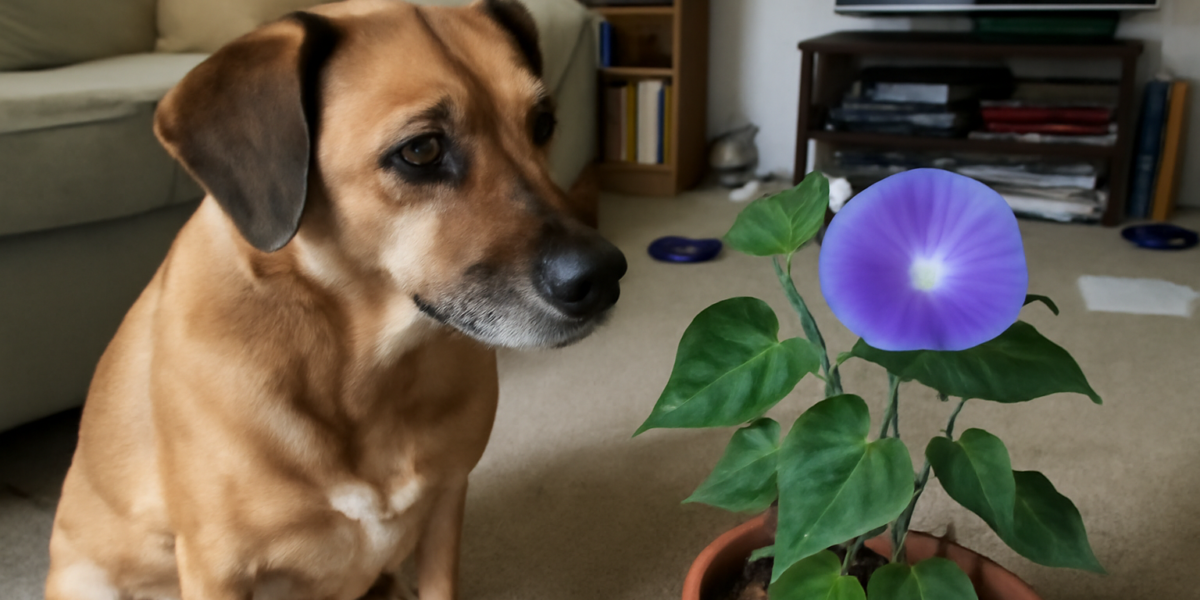
Morning Glory Plants Are Toxic to Dogs, Especially the Seeds
Morning glory (Ipomoea species) is toxic to dogs, with the seeds posing the greatest risk. The seeds contain lysergic acid amide (LSA), a naturally occurring compound related to LSD that can cause hallucination-like neurological symptoms, gastrointestinal distress, and agitation in dogs who ingest them. The leaves and stems carry lower toxicity but can still cause stomach upset.
In this article
- Morning Glory Plants Are Toxic to Dogs, Especially the Seeds
- Understanding the Toxic Compounds in Morning Glory
- Symptoms of Morning Glory Poisoning in Dogs
- First Aid Steps for Morning Glory Ingestion
- Veterinary Treatment and Expected Outcomes
- Preventing Morning Glory Poisoning in Dogs
- Frequently Asked Questions
The severity of morning glory poisoning in dogs ranges from mild to moderate depending on the amount consumed. Seed ingestion is the primary concern because LSA is concentrated in the seeds — a dog who eats a handful of seeds faces significantly greater risk than one who chews on a leaf or two. If your dog has eaten morning glory seeds, contact your veterinarian or the ASPCA Animal Poison Control Center (888-426-4435) right away.
Morning glory vines are popular garden plants throughout North America, prized for their trumpet-shaped flowers in shades of blue, purple, pink, and white. They grow vigorously along fences, trellises, and ground cover, making them easily accessible to dogs who spend time in the yard.
Understanding the Toxic Compounds in Morning Glory
The primary toxic substances in morning glory are ergot alkaloids, with lysergic acid amide (LSA, also called ergine) being the most significant. These compounds belong to the same chemical family as the pharmaceutical LSD, though LSA is considerably less potent.
LSA acts on serotonin receptors in the brain, producing neurological effects that can include disorientation, altered perception, and behavioral changes in dogs. In addition to LSA, morning glory seeds contain several related alkaloids including lysergol, elymoclavine, and chanoclavine, all of which contribute to the overall toxic effect.
The concentration of these alkaloids varies between morning glory species and even between individual plants depending on growing conditions. Heavenly Blue (Ipomoea tricolor) varieties are among the most potent, while some ornamental cultivars have been bred to contain lower alkaloid levels — though no variety should be considered safe for dogs.
Beyond the ergot alkaloids, all parts of the morning glory plant contain compounds that irritate the gastrointestinal tract. The leaves and stems are less toxic than the seeds but can still cause vomiting, diarrhea, and abdominal discomfort if ingested in quantity.
Symptoms of Morning Glory Poisoning in Dogs
Symptoms depend heavily on which part of the plant was eaten and how much. Seed ingestion produces the most pronounced effects due to the concentrated LSA content.
Gastrointestinal Symptoms (Most Common)
- Nausea and lip licking
- Vomiting, sometimes within 30 minutes to two hours of ingestion
- Diarrhea, which may be watery
- Loss of appetite
- Abdominal pain and bloating
Neurological Symptoms (Primarily from Seed Ingestion)
- Disorientation and confusion
- Agitation, restlessness, or uncharacteristic anxiety
- Dilated pupils
- Abnormal gait or wobbliness (ataxia)
- Tremors in moderate to severe cases
- Staring at nothing or reacting to stimuli that are not there
Other Possible Symptoms
- Elevated heart rate
- Lethargy following the initial period of agitation
- Excessive drooling
Symptoms typically begin within one to four hours of ingestion and may last 6 to 24 hours depending on the quantity consumed. Dogs who ate only leaves or flowers usually experience only gastrointestinal symptoms that resolve within 12 hours. Seed ingestion can produce neurological symptoms that persist longer and require closer monitoring.
First Aid Steps for Morning Glory Ingestion
If you suspect or witness your dog eating morning glory, particularly the seeds, follow these steps promptly.
- Remove your dog from the area. Prevent further access to the plant and any fallen seeds.
- Collect a sample. If possible, save a piece of the plant or seeds your dog ate. This helps your veterinarian identify the exact species and estimate the toxicity risk.
- Note the time and estimated amount. Try to estimate how much your dog consumed and when. This information guides treatment decisions.
- Call your veterinarian or poison control. Do not wait for symptoms to appear. Your vet may recommend inducing vomiting if the ingestion occurred within the last one to two hours and your dog is not yet showing neurological symptoms. Never induce vomiting at home without veterinary guidance, as there are situations where it can cause more harm.
- Keep your dog calm. If neurological symptoms develop, place your dog in a quiet, dimly lit room. Reduce sensory stimulation, which can worsen agitation and disorientation. Remove objects they could bump into or knock over.
- Do not give home remedies. Avoid giving milk, oil, or over-the-counter medications unless specifically instructed by your vet. Some human medications are toxic to dogs and can complicate the picture.
For dogs showing mild gastrointestinal symptoms after chewing on leaves or stems, your vet may recommend monitoring at home with instructions to return if symptoms worsen. For seed ingestion or any neurological symptoms, an in-clinic evaluation is strongly recommended. Our guide on croton plant toxicity in dogs covers another common garden plant risk worth knowing about.
Veterinary Treatment and Expected Outcomes
Treatment for morning glory poisoning is primarily supportive, as there is no specific antidote for LSA toxicity. The veterinary approach depends on the severity of symptoms and the time since ingestion.
Decontamination: If the dog is seen within one to two hours of ingestion and is not showing neurological signs, the vet may induce vomiting with apomorphine to remove remaining plant material from the stomach. Activated charcoal may be administered afterward to bind any remaining toxins in the GI tract.
Anti-nausea medication: Drugs like maropitant (Cerenia) help control vomiting and nausea. This is particularly important if the dog is losing fluids rapidly.
Intravenous fluids: IV fluid therapy supports hydration, helps flush toxins from the system, and maintains blood pressure if the dog is vomiting or has diarrhea.
Sedation for neurological symptoms: Dogs experiencing significant agitation, tremors, or hallucinatory behavior may need mild sedation to prevent self-injury. Benzodiazepines like diazepam are commonly used because they address both the anxiety and the tremor component.
Monitoring: Heart rate, blood pressure, and neurological status are monitored until symptoms resolve. Most dogs recover fully within 24 hours, though some may have reduced appetite for an additional day or two.
The prognosis for morning glory poisoning in dogs is excellent with appropriate care. Fatalities are extremely rare and would likely involve massive seed ingestion combined with delayed treatment. Most dogs make a complete recovery without lasting effects.
Preventing Morning Glory Poisoning in Dogs
If morning glory grows in or near areas where your dog spends time, these precautions reduce the risk of poisoning.
- Fence off garden beds. Physical barriers between your dog and morning glory plantings are the most reliable prevention. Decorative garden fencing can be both functional and attractive.
- Remove seed pods promptly. Morning glory produces abundant seed pods that dry and drop to the ground in late summer and fall. Regularly collecting and disposing of seed heads significantly reduces the risk, since seeds are the most toxic part.
- Supervise yard time. If morning glory grows on neighboring fences or as a weed in your area, keep an eye on your dog during outdoor time, especially during the seeding season from late summer through fall.
- Choose non-toxic climbing plants. If you want flowering vines, consider dog-safe alternatives like jasmine (Jasminum species, not Carolina jasmine), climbing roses, or passionflower.
- Teach “leave it.” A reliable “leave it” command can interrupt your dog before they chew on unfamiliar plants. While not foolproof, it adds a layer of protection during walks and garden time.
For more information on plants that pose risks to your dog, browse our toxic plant guides and check out the dog adoption hub for resources on keeping your dog safe and healthy.
Frequently Asked Questions
How many morning glory seeds are toxic to dogs?
There is no established minimum toxic dose in veterinary literature because toxicity varies by species, seed potency, and dog size. Even a small number of seeds can cause gastrointestinal symptoms, while larger amounts increase the risk of neurological effects. As a general rule, any confirmed seed ingestion warrants a call to your veterinarian, especially for small dogs.
Are morning glory flowers toxic to dogs or just the seeds?
The flowers contain lower levels of toxic compounds than the seeds and are considered mildly toxic. A dog who eats a flower or two may experience mild stomach upset but is unlikely to develop neurological symptoms. The seeds carry the highest concentration of LSA and pose the greatest risk.
Can morning glory toxicity cause permanent damage in dogs?
Permanent damage from morning glory poisoning is extremely unlikely with appropriate veterinary care. The neurological effects of LSA are temporary, and gastrointestinal symptoms typically resolve completely within 24 to 48 hours. No long-term organ damage has been reported in dogs from morning glory ingestion at typical exposure levels.
Is morning glory toxic to cats as well?
Yes, morning glory is also toxic to cats through the same mechanism. Cats who ingest morning glory seeds may experience similar gastrointestinal and neurological symptoms. However, cats are less likely than dogs to eat large quantities of seeds due to their more selective eating habits.
My dog ate a morning glory leaf but seems fine. Should I still call the vet?
A single leaf ingestion is low-risk, but a brief call to your vet is still advisable. They may recommend monitoring at home for 12 hours for any signs of stomach upset. If your dog develops vomiting, diarrhea, or any behavioral changes, follow up with an in-person visit.


