
Last updated: April 10, 2026
In this article
- Periwinkle Is Toxic to Dogs: What Every Owner Should Know
- Toxic Compounds in Periwinkle Plants
- Symptoms of Periwinkle Poisoning in Dogs
- Severity Rating and Risk Factors
- What to Do If Your Dog Eats Periwinkle
- Preventing Periwinkle Exposure in Your Yard and Garden
- Dog-Safe Alternatives to Periwinkle
- Frequently Asked Questions
Periwinkle Is Toxic to Dogs: What Every Owner Should Know
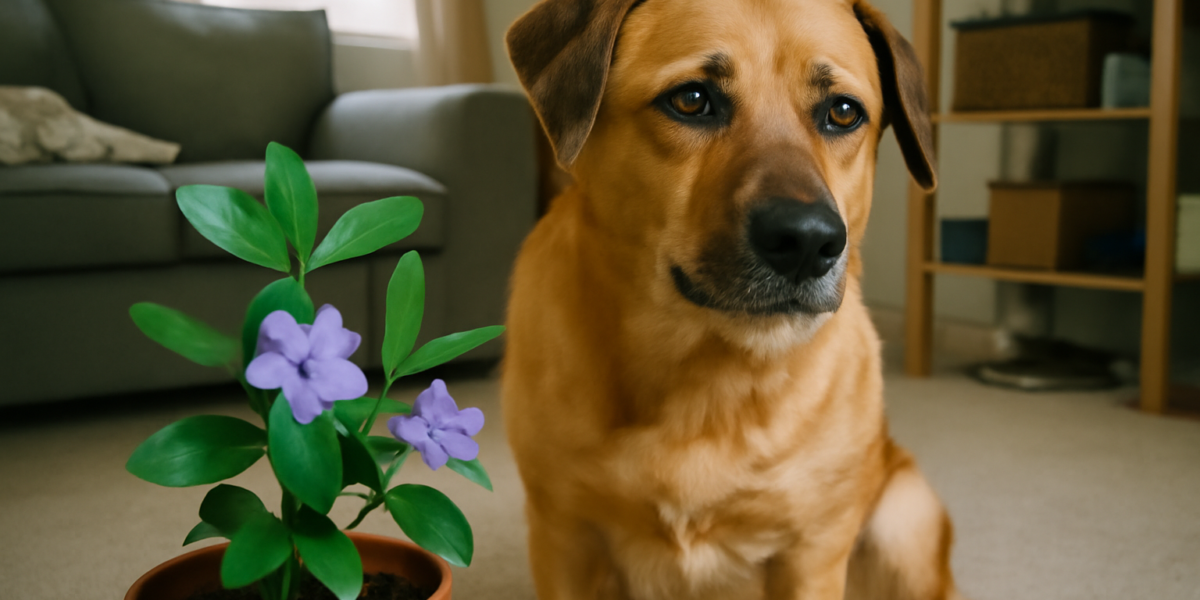
Periwinkle (Vinca minor and Vinca major) is toxic to dogs. Both the common periwinkle and greater periwinkle contain dangerous vinca alkaloids, including vincristine and vinblastine, that can cause serious gastrointestinal, neurological, and cardiovascular symptoms in dogs. If your dog has chewed or eaten any part of a periwinkle plant, contact your veterinarian or the ASPCA Animal Poison Control Center immediately.
These trailing, ground-cover plants are popular in gardens across the United States thanks to their hardy nature and pretty purple-blue flowers. Unfortunately, their widespread use in landscaping means dogs frequently encounter them during walks, in yards, and around parks. Understanding the risks of periwinkle toxic to dogs exposure can help you act fast and potentially save your pet’s life.
The severity of periwinkle poisoning depends on the amount ingested and your dog’s size. Even small amounts can cause vomiting and diarrhea, while larger quantities may lead to dangerous drops in blood pressure, tremors, and seizures. All parts of the plant are toxic, including leaves, stems, flowers, and roots.
Toxic Compounds in Periwinkle Plants
Periwinkle contains over 80 different alkaloids, but the primary toxic compounds of concern for dogs are the vinca alkaloids vincristine and vinblastine. These are the same compounds used in human chemotherapy drugs, which gives you a sense of how potent they are even in small doses.
Vincristine works by disrupting cell division. In a clinical setting, this property is harnessed to fight cancer. In an accidental poisoning scenario, these alkaloids wreak havoc on rapidly dividing cells in the gastrointestinal tract, bone marrow, and nervous system. The result is widespread tissue damage that can escalate quickly.
Additional alkaloids found in periwinkle include catharanthine and leurosine, which contribute to the plant’s overall toxicity. The concentration of these compounds varies between species, with Vinca major generally containing higher levels than Vinca minor. However, both species should be treated as equally dangerous to your dog.
The alkaloids are present in every part of the plant throughout the growing season. Even dried or wilted periwinkle retains its toxicity, so fallen leaves and dead plant material in your yard still pose a risk to curious dogs.
Symptoms of Periwinkle Poisoning in Dogs
Symptoms of periwinkle poisoning can appear within two to eight hours of ingestion, depending on the amount your dog consumed and their body weight. Smaller dogs are at greater risk of severe poisoning because a smaller quantity represents a larger dose relative to their size.
Early Symptoms (Mild to Moderate Exposure)
- Vomiting, often repeated
- Diarrhea, which may be watery or contain mucus
- Drooling and excessive salivation
- Loss of appetite and refusal to eat
- Abdominal pain and bloating
- Lethargy and general weakness
Advanced Symptoms (Moderate to Severe Exposure)
- Drop in blood pressure (hypotension)
- Rapid or irregular heartbeat
- Tremors and muscle twitching
- Seizures
- Difficulty breathing
- Depression and disorientation
- Collapse or inability to stand
In rare cases involving large ingestions, periwinkle poisoning can be fatal if left untreated. The cardiovascular effects are particularly dangerous because they can develop rapidly and lead to shock. Any dog showing neurological symptoms like tremors or seizures after plant exposure needs emergency veterinary care without delay.
It is worth noting that some dogs may only chew on the plant without swallowing significant material. Even in these cases, the alkaloids can be absorbed through the mucous membranes in the mouth, so any contact warrants monitoring and a call to your vet.
Severity Rating and Risk Factors
Toxicity severity: Moderate to High. Periwinkle is considered moderately to highly toxic to dogs. While a single leaf nibble may only cause mild gastrointestinal upset, ingestion of multiple leaves, stems, or flowers can lead to serious systemic poisoning requiring emergency treatment.
Several factors influence how severely your dog may be affected:
- Body weight: A ten-pound Chihuahua eating the same amount as an eighty-pound Labrador will experience far more severe effects. Toy breeds and puppies are at the highest risk.
- Amount ingested: A single nibble is less dangerous than a dog that has been grazing on the plant for several minutes.
- Plant species: Vinca major tends to have higher alkaloid concentrations than Vinca minor, though both are toxic.
- Part of plant eaten: The roots and seeds tend to have the highest concentration of alkaloids, followed by leaves and stems.
- Time since ingestion: The faster you seek treatment, the better the prognosis. Dogs treated within the first two hours generally have much better outcomes.
Dogs with pre-existing liver or kidney conditions may have a harder time metabolizing and clearing the toxins, which can worsen the poisoning. Elderly dogs and puppies with immature organ systems are also more vulnerable to the effects of vinca alkaloids.
If you are unsure whether your dog ate periwinkle or another plant, err on the side of caution. Bring a sample of the plant with you to the veterinary clinic so the team can confirm the species and tailor the treatment accordingly.
What to Do If Your Dog Eats Periwinkle
Step 1: Remove your dog from the area. Get your dog away from the plant immediately to prevent further ingestion. Check their mouth for any remaining plant material and gently remove what you can without pushing pieces further down the throat.
Step 2: Call your veterinarian or an emergency animal poison hotline. Contact your vet or the ASPCA Animal Poison Control Center at (888) 426-4435 right away. Be prepared to share your dog’s breed, weight, the approximate amount of plant eaten, and when the ingestion occurred. Do not wait for symptoms to appear before calling.
Step 3: Do not induce vomiting unless directed by a professional. While your instinct might be to make your dog throw up, inducing vomiting at home can sometimes cause more harm than good, especially if your dog is already showing neurological symptoms. Let the veterinary team guide you on whether vomiting should be induced.
Step 4: Collect a sample of the plant. If possible, take a piece of the plant (a few leaves and a stem with flowers) to the vet. A photograph on your phone also helps with identification. Quick confirmation of the plant species allows for faster, more targeted treatment.
Step 5: Transport your dog to the vet. Even if your dog seems fine initially, periwinkle poisoning symptoms can be delayed. A veterinary examination is essential. Your vet may administer activated charcoal to limit further absorption of the toxins, provide IV fluids to support kidney and cardiovascular function, and monitor heart rhythm for irregularities.
Treatment for periwinkle poisoning is primarily supportive, meaning there is no specific antidote. Your veterinarian will focus on managing symptoms, preventing further toxin absorption, and supporting organ function until the alkaloids are cleared from your dog’s system. With prompt treatment, most dogs recover well within 24 to 48 hours.
Preventing Periwinkle Exposure in Your Yard and Garden
The best approach to protecting your dog is preventing access to periwinkle plants entirely. If you have periwinkle growing in your yard, consider removing it and replacing it with dog-safe ground cover alternatives such as creeping thyme, Irish moss, or miniature stonecrop.
When removing periwinkle from your garden, wear gloves and dispose of all plant material, including roots and fallen leaves, in sealed bags. Periwinkle is notoriously difficult to eradicate because it spreads through runners, so you may need multiple removal sessions to clear it completely.
If removing the plant is not practical, create physical barriers to keep your dog away from garden beds where periwinkle grows. Low garden fencing, raised borders, or designated dog-free zones can reduce the risk of accidental ingestion. Supervise your dog during outdoor time, especially if they have a habit of chewing on plants.
During walks, keep an eye out for periwinkle growing along sidewalks, in neighbors’ gardens, and in public parks. The plant is identifiable by its glossy, dark green oval leaves and distinctive five-petaled flowers in shades of purple, blue, or white. Training your dog on a reliable “leave it” command is one of the most effective tools for preventing plant ingestion on walks. If you are interested in general dog care tips, our resource hub has more training and safety advice.
Dog-Safe Alternatives to Periwinkle
If you love the look of periwinkle but want a safer yard for your dog, several non-toxic ground cover plants offer a similar appearance and growth habit. Consider these dog-friendly alternatives:
- Creeping thyme (Thymus serpyllum): Low-growing, fragrant, and produces small purple flowers. Drought-tolerant and safe for dogs.
- Blue star creeper (Isotoma fluviatilis): Tiny blue flowers on a dense green mat. Tolerates foot traffic and is non-toxic to pets.
- Elfin thyme: Even more compact than creeping thyme, making it ideal for spaces between stepping stones.
- Dwarf mondo grass (Ophiopogon japonicus): Not a true grass, this evergreen ground cover is safe for dogs and provides year-round greenery.
When redesigning your garden with pet safety in mind, it helps to check the ASPCA’s toxic plant database before adding any new species. Many common ornamental plants are surprisingly dangerous to dogs. You can learn more about other monkshood toxicity risks and delphinium dangers for dogs in our other plant safety guides.
Creating a designated digging and play area for your dog can also redirect their attention away from garden beds. Fill a sandbox-style area with clean soil or sand where your dog is encouraged to dig, and plant only pet-safe species in the areas your dog can access freely.
Frequently Asked Questions
How much periwinkle does a dog need to eat to get sick?
There is no established safe threshold for periwinkle ingestion in dogs. Even a few chewed leaves can cause mild gastrointestinal upset in smaller dogs. Larger quantities, particularly of roots or seeds, increase the risk of serious systemic symptoms. Always treat any ingestion as potentially dangerous and contact your veterinarian.
Is periwinkle toxic to cats as well as dogs?
Yes, periwinkle is toxic to both dogs and cats. The same vinca alkaloids that affect dogs will also cause vomiting, diarrhea, and potentially more severe symptoms in cats. If you have a multi-pet household, remove periwinkle from any area your animals can access. Check out our hellebore toxicity guide for cats for another common garden threat.
Can dogs die from eating periwinkle?
Fatal periwinkle poisoning is rare but possible, particularly in small dogs that ingest large quantities. The cardiovascular effects, including dangerous drops in blood pressure and heart rhythm abnormalities, pose the greatest life-threatening risk. Prompt veterinary treatment significantly improves survival rates.
How long does it take for periwinkle poisoning symptoms to appear?
Symptoms typically develop within two to eight hours of ingestion. Gastrointestinal signs like vomiting and diarrhea usually appear first, followed by potential neurological and cardiovascular symptoms in more severe cases. Some dogs may show signs within an hour if they consumed a large amount.
Is Madagascar periwinkle (Catharanthus roseus) also toxic to dogs?
Yes. Madagascar periwinkle, while a different genus than Vinca, also contains vincristine and vinblastine and is toxic to dogs. This tropical plant is commonly sold as an annual bedding plant and should be treated with the same level of caution as Vinca minor and Vinca major. If your dog has eaten any variety of periwinkle, seek veterinary advice immediately.


