
Last updated: May 16, 2026
In this article
- The Short Answer on Pilea and Pets
- What Pilea Actually Is
- The Critical Name-Confusion Problem
- Why Pilea Earns Its Non-Toxic Listing
- What Can Still Go Wrong
- What to Do If Your Pet Ate Pilea
- Pilea Cultivars and What They All Share
- Why Pilea Is a Good Choice for Pet Households
- Other Pet-Safe Houseplant Options
- Buying and Bringing Home a New Pilea
- Day-to-Day With Pilea and Pets
- When a Vet Call Is Still Warranted
- The Bigger Picture for Pet Households
- Frequently Asked Questions
The Short Answer on Pilea and Pets
Pilea is safe for pets. Pilea peperomioides, sold as Chinese money plant, UFO plant, missionary plant, or pancake plant, is listed by the ASPCA as non-toxic to both cats and dogs. The same is true of the related Pilea cadierei (aluminum plant) and most other pilea cultivars on the houseplant market. If your cat or dog grabs a leaf and chews it, the worst you should expect is mild stomach upset from the sheer volume of plant material rather than any specific toxic chemistry.
That said, “non-toxic” is not the same as “harmless.” Any pet who eats a large quantity of any plant matter can develop vomiting or diarrhea, and pesticide residues on shop-bought plants are a separate concern. There is also a serious name-confusion problem: pothos is sometimes mislabeled as money plant, and pothos is genuinely toxic to pets. Read on for how to tell the difference, when a vet visit is still warranted, and how to enjoy your pilea without anxiety.
What Pilea Actually Is
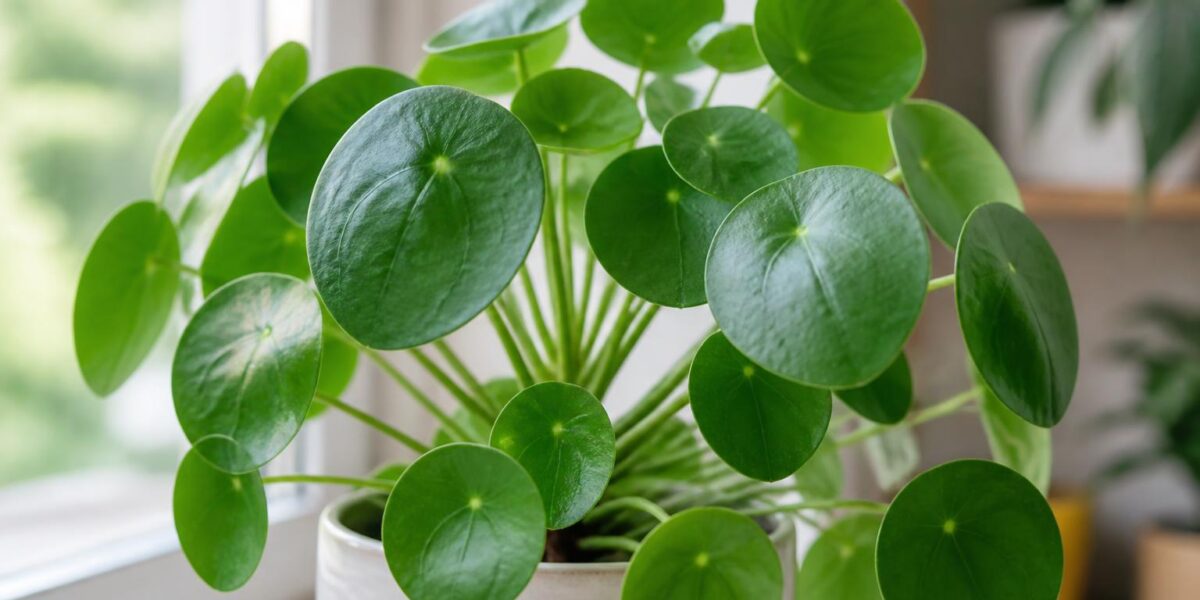
Pilea peperomioides is the species most pet owners mean when they say pilea. The leaves are round, coin-sized, and held on long stalks that emerge directly from the soil, giving the plant the look of a green pancake on a stick. The plant is native to southwest China, hence the name Chinese money plant, and was famously distributed by Norwegian missionaries in the mid-twentieth century, which is where the name missionary plant comes from. The UFO plant nickname comes from the flying-saucer shape of each leaf.
The genus Pilea sits in the nettle family (Urticaceae), but unlike its stinging cousins, the houseplant species do not bear stinging hairs. Pilea cadierei (aluminum plant) is the silver-spotted lower-growing relative; Pilea involucrata (friendship plant) is the textured-leaf one; Pilea microphylla (artillery plant) is the tiny-leafed groundcover often sold as filler. All are listed non-toxic by the ASPCA and behave the same way around cats and dogs.
The Critical Name-Confusion Problem
Pilea is sometimes called money plant, but money plant in many regions means an entirely different species: Epipremnum aureum, the golden pothos. Pothos is genuinely toxic to pets due to insoluble calcium oxalate raphides, the same chemistry found in syngonium, monstera, and dieffenbachia. If a friend gives you what they call a money plant cutting and the leaves are heart-shaped and trailing rather than round and pancake-like, you have pothos, not pilea, and the safety advice flips entirely.
Two visual checks resolve the confusion. First, leaf shape: pilea peperomioides has perfectly round leaves attached to the stem at the back of the leaf rather than at the edge (peltate attachment), while pothos has heart-shaped leaves attached at the edge. Second, growth habit: pilea grows upright in a tight clump from the soil, while pothos trails or climbs and produces aerial roots along the stem. If your money plant is climbing up a stake or trailing down a shelf, it is pothos.
Why Pilea Earns Its Non-Toxic Listing
Pilea peperomioides has been studied extensively because of its popularity, and the ASPCA Animal Poison Control Center has not received clinically significant case reports tying it to systemic toxicity. The leaves contain no documented calcium oxalate raphides, no cyanogenic glycosides, no cardenolides, and no alkaloids of veterinary concern. The sap is mild and not known to cause contact dermatitis at meaningful rates.
That places pilea alongside other cleanly non-toxic houseplants like spider plants, bromeliads, and prayer plants. None of these plants are food, but a cat or dog who tastes one and walks away is in no real danger from the chemistry. The bigger risks become mechanical and behavioral rather than toxicological.
What Can Still Go Wrong
Three categories of problem can arise even with a non-toxic plant. The first is volume. A dog who eats the entire crown of a small pilea plant can vomit and have diarrhea simply from the sheer mass of plant matter. The second is pesticide residue. Houseplants from big-box garden centers are often treated with systemic insecticides like imidacloprid or with topical fungicides at the nursery, and those residues can persist on leaves for weeks. The third is mechanical: a cat who eats a leaf and a plastic plant tag together can swallow the tag.
You can manage these risks easily. Quarantine a new plant for a week before letting your pet near it (residues degrade with time, water, and light). Wipe leaves with a damp cloth before placing the plant. Remove plastic tags and pebble decoration immediately. Keep the soil out of reach if your pet is a digger, because soil amendments can include systemic insecticides too.
What to Do If Your Pet Ate Pilea
If your cat or dog ate a few leaves of pilea and is otherwise acting normally, the right response is observation rather than panic. Watch for vomiting, diarrhea, or unusual lethargy over the next twelve to twenty-four hours. Most pets show no reaction at all. Some show one or two episodes of vomiting and then return to normal.
Call your veterinarian or the ASPCA Animal Poison Control Center at 888-426-4435 (consultation fee applies) if you see persistent vomiting, diarrhea that lasts more than twenty-four hours, weakness, refusal to drink, or any concerning change in behavior. Pet Poison Helpline at 855-764-7661 is the second hotline. Even non-toxic ingestions warrant professional input when symptoms cross from mild to anything more.
Do not induce vomiting at home. Hydrogen peroxide and other home decontamination methods are not appropriate for non-toxic exposures because the risk of the decontamination outweighs the risk of the plant itself.
Pilea Cultivars and What They All Share
Several pilea species share shelf space and bedroom windowsills.
- Pilea peperomioides — Chinese money plant, the round-leaf classic; non-toxic.
- Pilea cadierei — aluminum plant, silver-spotted leaves; non-toxic.
- Pilea involucrata — friendship plant, textured copper-purple leaves; non-toxic.
- Pilea microphylla — artillery plant, tiny mossy fronds; non-toxic.
- Pilea glauca — silver sparkle, trailing tiny leaves; non-toxic.
- Pilea mollis — moon valley, deeply textured chartreuse leaves; non-toxic.
None of these has any documented systemic toxin. The advice in this article applies to all of them. The non-toxic listing also extends to nearly all pilea cultivars sold under brand or proprietary names, which are typically just marketing names for one of the species above.
Why Pilea Is a Good Choice for Pet Households
Pilea has practical advantages beyond its safety record. It tolerates a wide range of light conditions, from a north-facing windowsill to a brightly lit corner several feet from a window. It propagates from offshoots (“pups”) that pop up around the base of the parent plant, which means one plant becomes ten plants in a year of casual care. It does not drop leaves dramatically, which keeps the floor cleaner and reduces the temptation for a curious pet.
The flat, pancake-shaped leaves also do not look particularly food-like to most cats and dogs, which means many pets ignore the plant entirely after one investigative sniff. Compared to grass-like plants such as spider plants (which trigger predatory chasing in many cats) or trailing vines (which dangle invitingly), pilea is one of the more pet-ignoring shapes on the market.
Other Pet-Safe Houseplant Options
If you love the look of pilea and are building a non-toxic plant collection, several other ASPCA-non-toxic species pair well with it. Calatheas bring patterned leaves that move at night, which children find magical. Haworthia succulents add sculptural interest in low-water spots. Areca palms add height and feathery texture. Boston ferns bring lush green volume.
The full cat-safe houseplants guide covers light, watering, and pet-friendliness for each of these. The pet-safe garden plants roundup is the outdoor-counterpart for households that want to extend pet safety to the patio or yard.
Buying and Bringing Home a New Pilea
When you buy a new pilea, do a few small things on day one. Quarantine it on a counter or shelf the pets cannot reach for at least a week, ideally two. Rinse the leaves under cool water in the sink and wipe dry. Repot it into your own potting mix if you can, since nursery soil sometimes contains systemic insecticides. Throw out any plastic tags and remove decorative pebbles or moss that a pet could swallow.
If you are propagating from a friend’s pilea, you skip most of these worries because the cutting comes without industrial chemistry. Start the cutting in plain water and pot it up in fresh soil once roots are an inch long. Home-propagated pilea is usually cleaner than store-bought.
Day-to-Day With Pilea and Pets
Once a pilea is in place and the household has settled into a routine, the plant rarely causes any drama. Place the pot somewhere that does not invite tail-strikes (heavy paws and trailing tails knock pilea pots over surprisingly easily because the small leaf canopy gives a top-heavy profile). Keep the saucer empty or lined with paper so a curious pet does not drink standing water. Watch for fungus gnats, which appear when soil stays soggy and which can prompt a pet to dig at the soil.
If your pet does take an occasional curious bite, that is normal and almost never dangerous. Pilea is one of the easier plants to keep with cats and dogs, and most households end up with several pots tucked around the home over the years.
When a Vet Call Is Still Warranted
Even with a non-toxic plant, certain situations warrant a vet call. Persistent vomiting, diarrhea lasting more than twenty-four hours, lethargy, refusal to drink water, blood in vomit or stool, or any sign that the pet is in pain warrant a phone call. So does any unusual symptom in a pet with a chronic condition, since dehydration from even mild GI upset can stress underlying disease.
If you have a brand-new puppy or kitten and they have eaten any plant material, including pilea, a quick phone call to the vet is a reasonable precaution. Smaller body masses respond more strongly to even minor irritants. Most calls take less than ten minutes and end with reassurance rather than a visit.
The Bigger Picture for Pet Households
Building a houseplant collection that fits a pet household is a process of trade-offs. Non-toxic plants like pilea, calathea, and Boston fern are the foundation. Toxic plants you really want can sometimes be kept in rooms the pets cannot enter, on shelves they cannot reach, or under terrarium glass. The balance you strike is up to you, but starting with the non-toxic core makes the math much easier.
If you are bringing home a new pet soon, our cat adoption hub and dog adoption hub include household-prep guides that walk you through plants, foods, cords, and chemicals to address before the pet arrives. An afternoon of preparation buys years of plant-filled evenings without anxiety.
Frequently Asked Questions
Are all plants called money plant safe for pets?
No, and this is the most important warning in the article. Pilea peperomioides (Chinese money plant) is non-toxic and safe. Epipremnum aureum (golden pothos), also commonly called money plant in South Asia and parts of Europe, is genuinely toxic. Identify the plant by leaf shape and growth habit, not by common name alone.
Is the aluminum plant variety of pilea also safe?
Yes. Pilea cadierei (aluminum plant) is on the ASPCA non-toxic list along with Pilea peperomioides and the other common pilea species. The whole genus is treated as non-toxic in current veterinary references.
My cat ate several pilea leaves and is now vomiting. Should I worry?
One or two episodes of vomiting after eating a volume of plant material is common and usually self-limiting. Offer water and a small bland meal once the vomiting stops. Call your vet if vomiting persists past a few hours, if your cat seems weak, or if she refuses water.
Can my dog drink the water from a pilea’s saucer?
Plain runoff water is not a toxic concern, but it is also not clean drinking water. Empty the saucer regularly and provide fresh water in a proper bowl. The bigger concern is fertilizer or systemic-insecticide-treated water, which should be kept away from pets.
Will my pilea regrow after my pet chews it?
Almost always. Pilea is one of the more resilient houseplants and bounces back from leaf loss in a few weeks. If the central crown is intact and the root system is healthy, the plant will produce new leaves. Pilea also propagates readily from any healthy leaf-stem cutting that a pet leaves behind.


