
Last updated: May 16, 2026
In this article
- Is Sansevieria Hahnii Toxic to Pets?
- Meet the Sansevieria Hahnii Cultivar
- Why Sansevieria Hahnii Is Toxic
- Symptoms After a Sansevieria Hahnii Bite
- What to Do in the First Ten Minutes
- Cats Versus Dogs: Different Risk Patterns
- Hahnii Versus Other Sansevieria Cultivars
- Placing Sansevieria Hahnii in a Pet Home
- Care Tips That Reduce Pet Risk
- Adoption and Pet-Safe Living
- Frequently Asked Questions
Is Sansevieria Hahnii Toxic to Pets?
If your tabletop bird’s nest snake plant is sitting at exactly cat-paw height, the sansevieria hahnii toxic pets question is a fair one to ask before the next nibble happens. The answer is yes. Sansevieria Hahnii (Sansevieria trifasciata ‘Hahnii,’ more recently classified as Dracaena trifasciata ‘Hahnii’ under updated taxonomy) is the dwarf rosette form of the standard snake plant, and like every cultivar in this group it contains saponins in every leaf and rhizome. Toxicity is generally mild to moderate, with symptoms most commonly limited to drooling, vomiting, diarrhea and reduced appetite for a day or so.
The reassuring half of the story is that snake plant poisoning is rarely life-threatening in healthy adult dogs and cats, and most pets recover with simple supportive care at home or with a single vet visit. The less reassuring half is that Hahnii’s compact six-to-eight-inch rosette puts every leaf at exactly nibble height for a curious cat or small dog. Unlike its tall Laurentii cousin, Hahnii cannot be lifted out of reach by simply clipping the lower leaves; the whole plant lives at floor level. This guide walks through the chemistry, the symptom timeline, first ten minutes of triage and how to keep this charming dwarf cultivar in a pet-friendly home.
Meet the Sansevieria Hahnii Cultivar
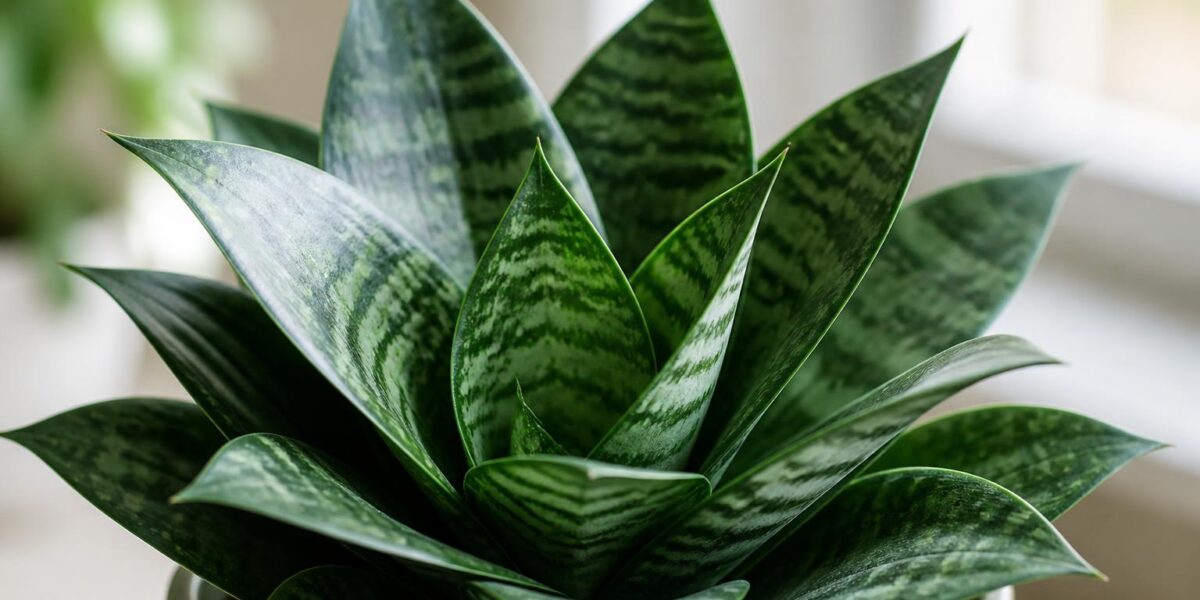
Sansevieria Hahnii is the dwarf bird’s-nest cultivar of the standard snake plant, named after Sylvan Hahn who introduced the form in the 1940s. Instead of the tall sword-shaped leaves of the parent species, Hahnii grows in a compact rosette only six to eight inches tall, with short broad leaves that curve outward like the cupped form of a bird’s nest. The most common variants include ‘Hahnii Green,’ ‘Golden Hahnii’ (yellow-edged), ‘Silver Hahnii’ (frosted silver-white) and ‘Black Star’ (dark green with thin yellow margins).
The species was historically classified as Sansevieria trifasciata, but recent molecular taxonomy has reclassified the entire genus into Dracaena, so you will see the name Dracaena trifasciata ‘Hahnii’ on newer labels. Both names refer to the same plant, and the toxicity profile is identical regardless of which botanical name you encounter. The plant is covered more broadly in our umbrella guides on snake plants and cats, snake plants and dogs and our cultivar overview on sansevieria toxicity.
Why Sansevieria Hahnii Is Toxic
The active toxins in Sansevieria Hahnii are saponins, naturally occurring soap-like compounds that act as detergent-like irritants in the digestive tract. Saponins are not unique to snake plant; they appear in many ornamental and edible plants, but they are concentrated enough in Sansevieria leaves and rhizomes to cause meaningful gastrointestinal upset when chewed and swallowed by cats and dogs. Hahnii’s compact form has the same saponin concentration per leaf as its taller siblings; size has no effect on chemistry.
When a pet bites a Hahnii leaf, saponins are released from the plant tissue and immediately irritate the lining of the mouth and throat. Once swallowed, they continue to irritate the stomach and intestines, triggering the body’s protective response of vomiting and diarrhea. Hahnii’s smaller leaves mean a single bite delivers a smaller dose of saponin than a chewed Laurentii blade, but the dwarf cultivar’s accessible floor placement means pets often take multiple bites in one session, evening out the total exposure.
Unlike the calcium oxalate raphides in pothos, philodendron or dieffenbachia, the saponin reaction in snake plant is a slower-onset chemical irritation rather than an instantaneous mechanical sting. This is why Hahnii chewing tends to produce more vomiting and diarrhea than dramatic mouth-pain behavior. Cats and dogs sometimes swallow several leaves before any symptoms appear.
Symptoms After a Sansevieria Hahnii Bite
Saponin toxicity tends to develop over the course of one to several hours, not seconds. Watch for:
- Drooling, lip-licking or repeated swallowing
- One or more episodes of vomiting, sometimes with shredded fibrous leaf material
- Loose stool or watery diarrhea over the next twelve to twenty-four hours
- Reduced appetite and skipping meals
- Mild lethargy or hiding
- Abdominal discomfort, restlessness or pacing
- Occasional pawing at the mouth if leaf fragments cause local irritation
What you should not see with Hahnii is severe weakness, seizures, collapse, large amounts of blood in the vomit or stool, breathing trouble or pale gums. If any of those appear, the plant is unlikely to be the only thing your pet got into, and you need urgent veterinary care regardless. Most uncomplicated Sansevieria cases resolve within twenty-four to forty-eight hours with calm supportive care.
What to Do in the First Ten Minutes
Move calmly. Take the plant out of reach (since Hahnii lives low to the ground, this often means physically picking up the pot and putting it on a high shelf), wipe your pet’s mouth gently with a soft damp cloth and remove any leaf fragments stuck between teeth or on the tongue. Offer fresh water in small amounts, but skip food for the next two or three hours so the stomach can settle. Do not give milk, do not try to make your pet vomit at home and do not give human pain or anti-nausea medications without veterinary guidance.
Call your own veterinarian if symptoms last more than a few hours, if your pet vomits more than two or three times, if your pet ate a large amount, or if your pet is very young, very old or has an existing health condition. For after-hours guidance, the ASPCA Animal Poison Control Center is reachable at (888) 426-4435, and the Pet Poison Helpline is at (855) 764-7661. Both lines charge a consultation fee but provide species-specific advice and a case number that your regular vet can follow up on.
Bring a leaf or a clear photograph of the plant to any clinic visit. Sansevieria cultivars look very different from one another, and a chewed short cupped fragment from Hahnii looks nothing like a chewed tall blade from Sansevieria Laurentii or a cylindrical leaf from Sansevieria Cylindrica. Confirming the cultivar rules out look-alikes that occasionally turn up in mixed plant arrangements.
Cats Versus Dogs: Different Risk Patterns
Cats and dogs respond to Hahnii differently, and the dwarf cultivar’s accessibility tilts the risk pattern compared to taller Sansevierias. Cats find the cupped leaves at face level on a side table or floor planter especially tempting, and may take repeated nibbles over the course of an evening. The result is usually intermittent vomiting rather than a single large episode. Cats are more prone than dogs to dehydration after persistent vomiting, so a vet call is warranted if symptoms recur over more than four to six hours.
Dogs, especially puppies and adolescents, are more likely to mouth multiple leaves before they notice the bitter taste, and Hahnii’s whole-plant accessibility means a single dog raid can chew through a substantial portion of the rosette. Larger ingestions mean heavier vomiting and diarrhea and a slower recovery. Dogs occasionally swallow soil, perlite or pebbles along with leaf fragments during an enthusiastic raid on a plant pot, which adds a foreign-body risk on top of the saponin chemistry.
Hahnii Versus Other Sansevieria Cultivars
Every Sansevieria cultivar shares the same saponin chemistry, so you cannot pick a “safer” cultivar based on form or color. If you keep a mixed Sansevieria collection, our cultivar guides on Sansevieria Laurentii, Sansevieria Moonshine, Sansevieria Cylindrica, Sansevieria Masoniana (Whale Fin) and Snake Plant Fernwood all describe the same toxin and the same first-aid steps.
Hahnii’s compact form means it is sometimes mistaken for an unrelated dwarf succulent like haworthia or aloe. Visual cues help: Hahnii leaves are leathery and stiff, with characteristic horizontal banding, while haworthia leaves are translucent and softer. Sansevieria is also taxonomically related to ZZ plants within the Asparagaceae family, and ZZ plants share a similar toxicity profile. Lump these together when planning placement in a pet home.
Placing Sansevieria Hahnii in a Pet Home
Hahnii’s biggest pet-safety challenge is its size. The plant tops out at six to eight inches tall, which means even on a side table its leaves sit at face level for most cats and at chew level for any small dog. The simplest fix is height: move Hahnii to a tall plant stand, a wall-mounted shelf or a windowsill above leaping range. A pot that sits flat on the floor or on a low coffee table is asking for trouble.
If your home is full of athletic cats who will leap onto any plant stand, consider trading Hahnii for a confirmed pet-safe dwarf alternative. Our master list of cat-safe houseplants pulls together vetted picks. Good visual swaps for the compact rosette look include certain bromeliads and air plants, all of which give you architectural foliage on a desk or shelf without saponin risk.
For determined chewers, redirect the urge rather than punish it. A pot of cat grass on the floor gives a bored cat something legal to nibble. Puzzle feeders, frozen Kongs and sturdy chew toys keep dogs busy enough to ignore the houseplants. Sweep up any fallen leaf fragments promptly, since a single chewed-off blade left on the floor is an open invitation to a midnight snack.
Care Tips That Reduce Pet Risk
A healthy Hahnii is a compact Hahnii. Provide bright indirect light, water sparingly and only when the soil is fully dry, and use a fast-draining cactus or succulent mix. Overwatered snake plants rot at the base, and rotting leaves drop and split easily, becoming floor-level chew toys for opportunistic pets.
If a leaf gets damaged or splits, prune it cleanly at the base rather than leaving a torn fragment that a cat or dog will treat like a chew toy. Wipe leaves with a soft damp cloth rather than a leaf-shine spray, since aerosolized polishes leave residue on foliage and on any pet that brushes past. If you fertilize, choose a balanced houseplant feed at quarter strength; concentrated fertilizer is more dangerous to a chewing pet than the plant itself.
Adoption and Pet-Safe Living
If you are reading this because you are pet-proofing in advance of welcoming a new companion, that is exactly the level of care a rescue animal deserves. Walk Me Home Rescue connects people with pets through our adopt cats and adopt dogs hubs, and a thoughtfully curated plant collection is one small but meaningful piece of a welcoming home.
Most adopters find that a few simple swaps and shelf relocations make their existing greenery compatible with a new dog or cat. Hahnii can stay in the home if you commit to high placement, prompt cleanup of dropped leaves and a couple of pet-safe alternatives at floor level. Pair the cultivar with a tall plant stand and one or two safe redirection options, and your Sansevieria Hahnii can keep doing what it does best: forming a tidy bird’s nest rosette in a bright corner without giving you a single midnight worry.
Frequently Asked Questions
Is Sansevieria Hahnii more toxic than the tall snake plant?
No. Hahnii is a dwarf cultivar of the same species, Sansevieria trifasciata (or Dracaena trifasciata under the new taxonomy), so the saponin chemistry is identical. The compact rosette form is purely structural and does not change the toxicity. The same symptoms, the same first aid and the same vet routing apply across every Sansevieria cultivar.
Why is Sansevieria sometimes called Dracaena now?
Recent molecular taxonomy has reclassified the entire Sansevieria genus into Dracaena, so botanically the snake plant is now Dracaena trifasciata. Older labels and most plant-shop tags still use Sansevieria. Both names refer to the same plant, and the toxicity profile, symptoms and first-aid approach are identical regardless of the name on the label.
My cat chewed one Hahnii leaf. Should I rush to the emergency vet?
For a single chewed leaf with mild drooling and one episode of vomiting, calm home monitoring is usually appropriate. Wipe the mouth, offer water and skip the next meal. Call your vet or the ASPCA Animal Poison Control Center at (888) 426-4435 if vomiting recurs, diarrhea sets in for more than a day, or your cat seems unusually lethargic.
Can a dog die from eating Sansevieria Hahnii?
Fatal outcomes are uncommon. The realistic risk for a dog is a miserable day of vomiting, diarrhea and reduced appetite. Dehydration is the main complication and is more concerning in small dogs, puppies and brachycephalic breeds. Hahnii’s accessible floor-level placement means dogs sometimes eat more of the plant than they would with a taller cultivar, so monitor closely.
Where should I keep Hahnii in a multi-pet home?
Because Hahnii is so short, low pots are not safe placement. Move the plant to a tall plant stand, a wall-mounted shelf or a windowsill above leaping range. Avoid coffee tables, bedside tables and any flat surface where a cat regularly lounges. Sweep up any fallen leaf fragments promptly.


