
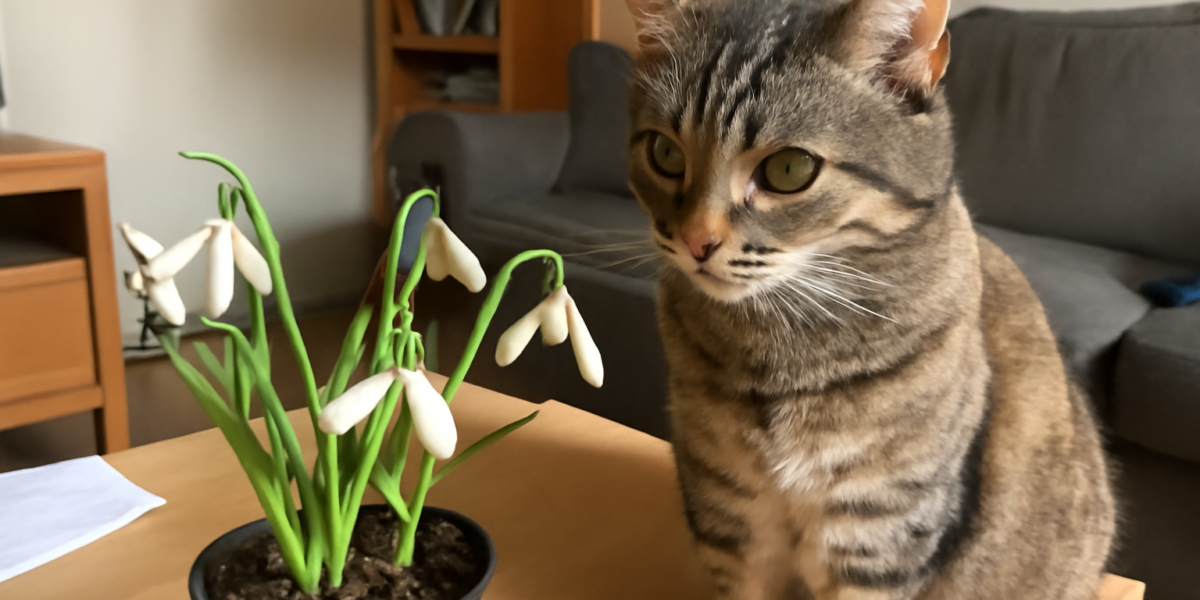
Are Snowdrops Toxic to Cats?
Yes, snowdrops (Galanthus spp.) are toxic to cats. These delicate early-spring flowers contain two significant alkaloids, galanthamine and lycorine, which can cause gastrointestinal distress and, in larger doses, neurological and cardiac effects. The bulb contains the highest concentration of these toxins, but the leaves, stems, and flowers are also harmful. If your cat has nibbled on snowdrops in your garden, understanding the risks and appropriate response will help you protect your pet.
In this article
Snowdrops are among the first flowers to emerge after winter, often pushing through snow to bloom as early as January or February. Their small size and low-growing habit put them right at a curious cat’s nose level. While the bitter taste of snowdrops typically limits how much a cat will eat, the potency of the alkaloids means even a small ingestion can cause noticeable symptoms.
Galanthamine, the same compound found in snowdrops, is used in human medicine as an Alzheimer’s treatment at carefully controlled doses. In an uncontrolled ingestion by a cat, it acts as a cholinesterase inhibitor, amplifying nerve signals throughout the body. This pharmacological potency is what makes snowdrops more than just a simple GI irritant.
Toxic Compounds in Snowdrops
Two primary alkaloids are responsible for snowdrop toxicity, and understanding them helps explain the range of symptoms your cat might experience.
Galanthamine is the more pharmacologically significant compound. It works by inhibiting acetylcholinesterase, the enzyme that breaks down the neurotransmitter acetylcholine. When this enzyme is blocked, acetylcholine accumulates at nerve junctions throughout the body. The result is overstimulation of the parasympathetic nervous system, which controls involuntary functions like salivation, heart rate, gut motility, and pupil size.
In small doses, galanthamine causes increased salivation, nausea, and diarrhea. In larger doses, it can slow the heart rate, cause muscle tremors, and affect coordination. The lethal dose of galanthamine for cats has not been precisely established, but cats are generally more sensitive to alkaloid toxins than dogs due to differences in liver metabolism.
Lycorine is also present in snowdrops and is found in many members of the Amaryllidaceae family (which includes daffodils and amaryllis). Lycorine is a potent emetic, meaning it triggers vomiting by acting on the brain’s chemoreceptor trigger zone. It also irritates the gastrointestinal lining directly. The combination of galanthamine and lycorine makes snowdrop ingestion particularly unpleasant, with GI symptoms appearing quickly and potentially being more severe than either compound alone would cause.
The bulb contains these alkaloids at concentrations roughly three to five times higher than the above-ground plant parts. This means a cat that digs up and chews on a snowdrop bulb faces a significantly greater risk than one that nibbles on a leaf or flower.
Symptoms of Snowdrop Poisoning in Cats
Symptoms typically appear within one to four hours of ingestion, with GI signs developing first.
Gastrointestinal symptoms:
- Nausea and drooling (often the first sign)
- Vomiting, which may be persistent
- Diarrhea
- Abdominal pain and cramping
- Loss of appetite
Cholinergic symptoms (from galanthamine, with larger ingestions):
- Excessive salivation beyond simple nausea-related drooling
- Constricted pupils (miosis)
- Slow heart rate (bradycardia)
- Increased tear production (tearing eyes)
- Muscle tremors or twitching
- Difficulty breathing from increased bronchial secretions
- Incoordination or unsteady gait
Severe symptoms (with significant bulb ingestion):
- Pronounced low heart rate
- Low blood pressure
- Seizures (rare)
- Respiratory depression
- Collapse
Most cats that nibble on a snowdrop flower or leaf will experience only the gastrointestinal symptoms, which are unpleasant but typically self-limiting. The cholinergic symptoms are more likely with bulb ingestion or when a cat has eaten a larger quantity of plant material. Any signs beyond simple vomiting warrant an immediate vet call.
Severity Rating
Snowdrop toxicity in cats is rated mild to moderate. Above-ground plant parts cause primarily GI upset. Bulb ingestion raises the risk to moderate due to higher alkaloid concentrations and the potential for cholinergic effects. Fatal outcomes are rare but theoretically possible with very large bulb ingestions in small cats. Prompt treatment ensures the best outcome.
What to Do If Your Cat Eats Snowdrops
Because snowdrops contain a cholinesterase inhibitor, even mild exposures deserve attention. Here is your action plan.
- Remove your cat from the area. Bring your cat indoors and away from the snowdrop patch. Check the mouth for plant fragments and gently remove any you find.
- Note what was eaten. Was it a flower, leaf, stem, or bulb? How much? Did the cat dig up the bulb or just nibble on above-ground parts? This distinction matters significantly for risk assessment.
- Call your veterinarian. For leaf or flower nibbles with only mild drooling, your vet may advise monitoring at home. For bulb ingestion or any amount that caused vomiting, your vet will likely want to see your cat. Contact the ASPCA Animal Poison Control Center at (888) 426-4435 if your regular vet is unavailable.
- Watch for cholinergic signs. If your cat’s pupils become noticeably constricted (small, pinpoint), if tremors develop, or if breathing seems labored, these indicate significant galanthamine exposure and require emergency veterinary care.
- Do not induce vomiting at home. Let your veterinarian handle decontamination. Inducing vomiting in cats is risky and should only be performed by trained professionals.
Veterinary treatment may include atropine to counteract cholinergic effects (this is the specific antidote for cholinesterase inhibitor poisoning), IV fluids for hydration, anti-nausea medication, GI protectants, and monitoring of heart rate and rhythm. Atropine is highly effective at reversing the bradycardia and excessive secretions caused by galanthamine, making snowdrop poisoning one of the more treatable plant ingestions when the right medication is available.
Preventing Snowdrop Exposure in Cats
Snowdrops bloom early when outdoor cats are eager to explore after winter confinement. A few precautions go a long way.
Plant snowdrops in cat-free zones. If you enjoy snowdrops in your garden, plant them in areas your cat cannot access. Raised beds, fenced borders, or areas behind a barrier work well. Snowdrops naturalize easily, so check that they have not spread into accessible areas over the years.
Keep bulbs secured during planting. Snowdrop bulbs are tiny and easily left out on a table or dropped on the ground during planting. Store them in sealed containers until you are ready to plant, and account for every bulb. A loose bulb on a kitchen counter could attract a curious cat.
Clean up after dividing. Snowdrops are commonly divided and transplanted “in the green” (while still growing, right after flowering). This process involves digging up bulb clumps and separating them. If you do this, keep your cat away from the work area and clean up all bulb fragments, soil, and plant debris when finished.
Monitor cats in early spring. After a long winter, cats that go outdoors may be extra curious about emerging plants. Supervise the first few outdoor sessions of the season and redirect any plant-focused attention.
For a broader view of spring garden hazards, read our guides on hyacinth dangers for cats and crocus toxicity in cats. If you are preparing to adopt a new feline companion, a garden plant audit should be among your first steps.
Snowdrops and Related Amaryllidaceae Plants
Snowdrops belong to the Amaryllidaceae family, which includes several other popular garden plants with similar alkaloid profiles. If snowdrops concern you, these relatives should too.
Daffodils (Narcissus): Contain lycorine at higher concentrations than snowdrops. All parts are toxic, with the bulb being most dangerous. Daffodil ingestion can cause severe vomiting, cardiac arrhythmias, and respiratory depression in cats. Daffodils are more commonly grown and thus a more frequent source of poisoning.
Amaryllis (Hippeastrum): Popular as a winter holiday houseplant. Contains lycorine and related alkaloids. The large, striking bulb is the most toxic part and is often left exposed in decorative pots, making it accessible to indoor cats.
Snowflakes (Leucojum): Often confused with snowdrops, these spring-blooming bulbs also contain galanthamine and lycorine. They are slightly larger than snowdrops with bell-shaped flowers that have green spots on each petal tip. The toxicity profile is similar to snowdrops.
Spider lily (Lycoris): Contains lycorine and galanthamine. The bulbs are particularly toxic. These plants bloom in late summer or early fall and are common in southern gardens.
The Amaryllidaceae family as a whole should be treated with caution in homes and gardens with cats. While the above-ground parts of most species cause only mild GI upset, the bulbs concentrate alkaloids at levels that can cause serious symptoms.
Frequently Asked Questions
My cat sniffed snowdrops but did not eat them. Is that a concern?
Simply sniffing snowdrops without ingesting any plant material poses no toxicity risk. The dangerous alkaloids must be absorbed through the digestive system to cause harm. Your cat may sneeze from pollen but will not experience poisoning from smelling the flowers alone.
Are snowdrop bulbs more dangerous than daffodil bulbs for cats?
Both contain lycorine, but snowdrop bulbs also contain galanthamine, which adds cholinergic toxicity on top of the GI effects. Daffodil bulbs contain lycorine at higher concentrations and also have calcium oxalate crystals. Both are dangerous, but the addition of galanthamine gives snowdrops a unique risk profile. In practice, daffodil bulb ingestion is more common because daffodil bulbs are larger and more frequently handled.
Can I grow snowdrops indoors in pots if I have cats?
This is not recommended unless you can place the pot in a room your cat never enters. Potted snowdrops put the bulb and foliage within easy reach of a curious cat. Indoor cats have fewer distractions than outdoor cats and may be more likely to investigate a potted plant out of boredom. If you want early spring flowers indoors, choose a non-toxic alternative.
How long does it take for snowdrop poisoning symptoms to resolve?
GI symptoms from mild exposure (leaf or flower nibbling) typically resolve within 12 to 24 hours. Cholinergic symptoms from larger exposures may take 24 to 48 hours to fully resolve with treatment, as galanthamine needs to be metabolized and cleared from the body. With atropine treatment, the most concerning cardiac and respiratory effects can be managed quickly even while the galanthamine is still being processed.
Are snowdrops toxic to dogs too?
Yes, snowdrops are toxic to dogs through the same galanthamine and lycorine mechanisms. Dogs are generally less sensitive to galanthamine than cats but can still experience significant symptoms, especially from bulb ingestion. See our article on snowdrop toxicity in dogs for species-specific guidance.


