Last updated: May 6, 2026
In this article
The Burmilla and the Tonkinese are both breeds with Burmese ancestry but each tells a different story. The Burmilla brings the silver-tipped coat of the Chinchilla Persian to the Burmese body type. The Tonkinese splits the difference between Burmese and Siamese, sitting visually and behaviorally between its two parent breeds. Choosing between them is largely a question of coat aesthetic and how vocal a cat you want.
Quick Comparison
The Burmilla originated in the United Kingdom in 1981 as an accidental cross between a Burmese and a Chinchilla Persian. The pairing produced strikingly silver-tipped kittens, and breeders established the resulting line as a distinct breed. The Burmilla is recognized in most major registries and shows in championship classes in many of them, including TICA and GCCF.
The Tonkinese was developed in North America in the 1960s and 1970s as a deliberate cross between the Burmese and the Siamese. The breed combines the rounded body of the Burmese with the pointed coat of the Siamese, producing a “mid-pointed” pattern with characteristic aqua eyes. Both CFA and TICA recognize the breed in championship classes.
Both inherit Burmese affection and engagement. They diverge in coat appearance, vocality, and degree of pointedness — the Tonkinese is somewhat more vocal than the Burmilla because of its Siamese heritage.
Origin and History
The Burmilla story begins in Baroness Miranda von Kirchberg’s UK cattery, where a Lilac Burmese was accidentally bred to a Silver Chinchilla Persian. The resulting kittens carried the Persian’s silver tipping on the Burmese body type, and the visual appeal of the cross prompted breeders to formalize the line. By the late 1980s and 1990s the Burmilla had established breeding standards and registry recognition. The breed has remained relatively uncommon outside the UK, though active breeder communities exist in Europe and the United States.
The Tonkinese has multiple parallel origins because Burmese-Siamese crosses were attempted in different regions independently. Margaret Conroy and Jane Barletta in North America are most often credited with formalizing the breed in the 1960s. The cross combined the rounded body and warm coat of the Burmese with the pointed coat pattern and svelte structure of the Siamese, producing a balanced cat with characteristics of both. CFA accepted the breed for championship in the 1980s.
For Burmese-derived context, see the Burmese profile, the Burmilla profile, the Tonkinese profile, and the related Bombay profile.
Appearance and Build
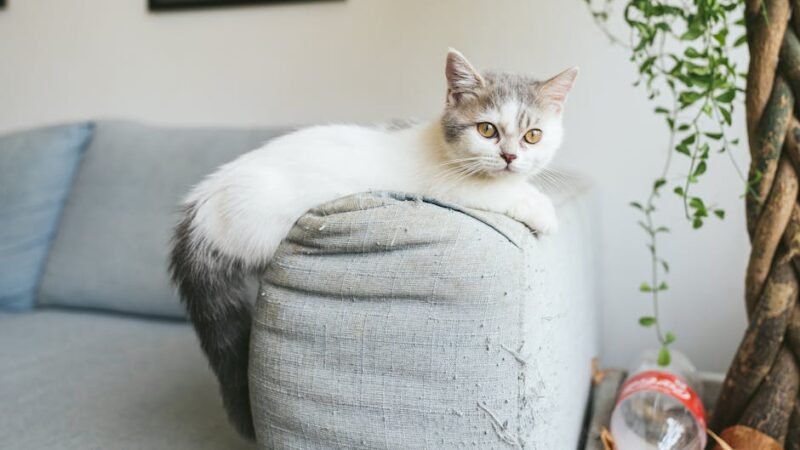
The Burmilla wears the breed’s signature silver-tipped coat. The base color is typically a pale silver white with darker tipping on the ends of each hair, giving the cat a sparkling shimmery appearance. The breed comes in shaded and tipped varieties, with eye color in green or blue-green. The body is medium-sized and muscular, more substantial than the Siamese but not as stocky as the British Shorthair, with a rounded head, medium-sized ears, and large expressive eyes. Adult weight runs eight to twelve pounds.
The Tonkinese wears a “mid-pointed” coat with intermediate contrast between body and points. The pattern is less extreme than the Siamese but more visible than the Burmese. Coat colors include natural mink, champagne, blue, and platinum, each with three pattern variants — pointed (highest contrast, blue eyes), mink (medium contrast, aqua eyes), and solid (lowest contrast, green-yellow eyes). Aqua eyes are the breed’s signature feature in the mid-pointed variety. The body is medium-sized, athletic, and balanced between Burmese roundness and Siamese length. Adult weight runs six to twelve pounds.
Visually, the Burmilla is silver and shimmery; the Tonkinese is pointed-mink with aqua eyes. The body types are similar but the Burmilla tends to be slightly more rounded.
Temperament and Personality
Both breeds inherit the Burmese baseline of strong affection, social engagement, and playful intelligence. Burmese-derived breeds bond intensely with their humans and dislike being left alone for long stretches.
The Burmilla tends to be slightly calmer and more poised than its Siamese-influenced relatives. The Persian heritage adds a touch of dignified composure to the Burmese exuberance. Burmillas are affectionate without being overwhelming, vocal but not loud, playful but not hyperactive. Many breed-club descriptions characterize the Burmilla as a “balanced” cat suitable for households that want Burmese affection in a slightly more measured package.
The Tonkinese is noticeably more vocal than the Burmilla, reflecting the Siamese half of its parentage. The voice is softer and less piercing than a pure Siamese but still distinctly chatty. Tonks demand engagement, follow their humans from room to room, and often greet visitors enthusiastically. The breed appears in lists of most vocal cat breeds alongside its Siamese parent.
Both are highly social. Both should not be left alone for long workdays. Both benefit from a second cat or a reliably present human.
Care, Grooming, and Activity Needs
Coat care is straightforward for both. Both breeds carry medium-short coats that need only weekly brushing to manage shedding. The Burmilla’s silver-tipped coat does not require special grooming beyond standard care. The Tonkinese coat is similarly low-maintenance.
Activity needs are moderate-to-high. Both breeds are intelligent and curious, and both benefit from puzzle feeders, climbing structures, and interactive play. Daily play sessions of fifteen to thirty minutes keep both breeds satisfied. Indoor enrichment matters because both are easily bored.
Both breeds eat well and maintain healthy weight on quality protein-forward food. The Burmilla is sometimes prone to overeating if free-fed; portion-control feeding helps.
Health and Lifespan
Both breeds inherit some Burmese-side health considerations. Hypertrophic cardiomyopathy appears in Burmese lines and can affect Burmilla and Tonkinese cats; responsible breeders screen breeding cats. The Burmese-specific hypokalemia condition is testable through DNA panels.
The Burmilla’s Persian heritage adds awareness around polycystic kidney disease history in some lines, though the Burmilla itself has not been heavily affected because of careful breed management. Burmillas can also inherit some sensitivity to dental disease from the Burmese side. See Burmese health issues for the broader Burmese-side context.
The Tonkinese can inherit Siamese-side considerations including amyloidosis and some respiratory sensitivities. Adopters should ask any breeder for parental health records and screening results.
Both breeds typically live well into their teens with appropriate care. Standard adult wellness care, dental attention, and annual check-ups support healthy aging. Chronic kidney disease remains the most common concern in older cats regardless of breed.
Living Situation Fit
Both breeds suit indoor-only homes with engaged owners. Apartments work well for both because both are medium-sized and not particularly destructive when given enrichment.
The Burmilla is the slightly more flexible choice for households that want quieter, more measured affection. The breed handles visitor traffic well and integrates with other pets readily. Multi-cat households with respectful resident cats are typically successful — see our introduction guide.
The Tonkinese is best for households that genuinely want a vocal cat. The breed’s chattering and demand for engagement is a feature for the right owner and an annoyance for others. Tonks do well in homes with multiple cats or other pets that absorb some of the social energy.
Both tolerate respectful children well. Both bond strongly with primary caregivers but are friendly with extended family and visitors. See the Tonkinese care guide for additional household-fit detail.
Cost and Availability
The Tonkinese has wider breeder availability than the Burmilla in North America because of its longer formal history with CFA and an active breed club. Kitten prices vary by lineage, color, and breeder reputation, with mink-pattern Tonkinese tending to command slightly higher prices than solids. Rescue Tonks appear occasionally through breed-specific networks, and many of the surrendered cats are young adults whose previous households underestimated the breed’s vocality and need for engagement.
The Burmilla is more commonly bred in the UK and Europe than in the US, though American breeders exist. Waitlists are typical for either coast in the US. Color and tipping intensity affect kitten pricing. Adopters open to imported lines may have shorter waiting lists by working with international breeders, though the additional cost and travel arrangements should be factored in.
Lifetime costs are moderate for both — standard pedigreed-cat ranges. Plan for first-year ownership costs and an emergency veterinary fund. Neither breed has unusual ongoing costs beyond standard care. Both benefit from regular dental cleanings as part of preventive care, since Burmese-derived breeds tend toward earlier dental issues than the average cat.
Decision Framework: When to Choose Each
Choose a Burmilla if: you want the silver-tipped coat aesthetic, a measured Burmese-derived temperament balanced by Persian composure, and a moderately quiet cat that bonds intensely with family. The Burmilla is the right pick for adopters drawn to Burmese personality but wanting a slightly calmer, more poised version.
Choose a Tonkinese if: you want a vocal, demanding, engaging Burmese-Siamese hybrid with the saturated mid-pointed coat and signature aqua eyes. The Tonkinese is the right pick for adopters who specifically want Siamese-derived chattering and the Burmese-Siamese balanced body type.
For Burmese-derived context, see Tonkinese vs Burmese (the parent breed comparison), Burmilla vs Bombay, and the Burmese profile. For broader categorical context see Asian cat breeds overview.
Frequently Asked Questions
Are these breeds related to the Bombay or other Burmese-derived cats?
Yes. All trace back to Burmese ancestry but each adds a different second breed. Bombay = Burmese + American Shorthair (solid black); Burmilla = Burmese + Chinchilla Persian (silver tipping); Tonkinese = Burmese + Siamese (mid-pointed); Australian Mist = Burmese + Abyssinian + Domestic Shorthair (spotted/marbled). All share elements of the Burmese affectionate temperament with breed-specific variations.
Will the Tonkinese yowl like a Siamese?
The Tonkinese voice is softer and less piercing than a pure Siamese but still distinctly chatty. Many Tonk owners describe the voice as a series of conversational chirps and trills rather than the demanding yowl of a Siamese. The breed is vocal enough to be obvious to visitors but not as intense as a full Siamese.
What does “silver tipped” mean for the Burmilla coat?
Each individual hair is white at the base and pigmented at the tip. When the cat moves, the lighter base shows through and creates a shimmering, sparkling effect. The Persian Chinchilla parent contributed this trait, and the Burmilla is the only Burmese-derived breed where it appears reliably.
Are these breeds good for first-time cat owners?
Both are reasonable first-time choices for owners committed to engaging with their cat daily. The Burmilla is slightly easier because of its calmer temperament; the Tonkinese is rewarding but more demanding. Neither is a low-engagement breed.
Where can I find a Burmilla or Tonkinese to adopt?
Both occasionally appear in breed-specific rescue. Start at our adopt-a-cat hub and contact regional Burmese, Burmilla, and Tonkinese rescue networks. Use the red flags guide when evaluating any breeder.
Looking to adopt a Burmilla vs Tonkinese?
Browse Burmilla vs Tonkinese cats and mixes available for adoption from shelters and rescues near you.
Find Burmilla vs Tonkinese Cats for Adoption