
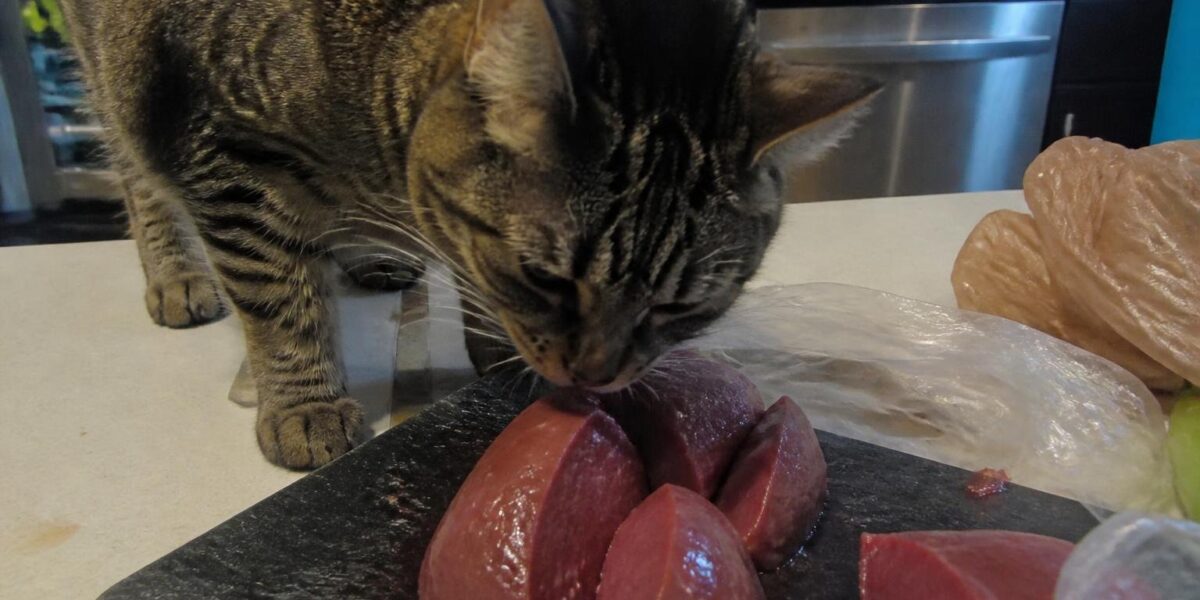
Can Cats Eat Beef Heart? The Short Answer
Yes, cats can eat beef heart, and it’s one of the best meaty treats you can offer. Beef heart is technically a muscle, not an organ in the way liver or kidney are, and it’s exceptionally rich in taurine — an essential amino acid that cats must get from their diet. For obligate carnivores like cats, lean, taurine-packed beef heart is a genuinely excellent food, not just a “safe in moderation” afterthought.
In this article
That said, beef heart should complement a complete, balanced diet rather than replace it. Fed as a treat or a topper, plain cooked or raw-diet-prepared beef heart gives your cat high-quality protein and nutrients their body is built to use. Below we explain why it’s so good, how much to serve, and how to prepare it safely.
Why Beef Heart Is So Good for Cats
Cats are obligate carnivores, meaning they’re designed to thrive on animal tissue, and beef heart hits almost every nutritional note they need. Its standout feature is taurine.
Taurine is an essential amino acid for cats — they can’t make enough on their own, and a deficiency leads to serious problems including a heart condition called dilated cardiomyopathy and vision loss. Beef heart is one of the richest natural sources of taurine available, which makes it especially valuable. On top of that, it provides:
- High-quality, lean protein for muscle and overall health.
- B vitamins, especially B12, for energy and nerve function.
- Iron and zinc for healthy blood and immune support.
- Coenzyme Q10, which supports heart and cellular energy.
Because it’s a muscle meat rather than a rich organ like liver, beef heart doesn’t carry the vitamin-A overload risk that organ meats do, so you can feed a bit more of it. It’s lean, satisfying, and exactly the kind of food a cat’s body evolved to eat.
There’s an enrichment benefit too. A firm piece of beef heart gives your cat something substantial to grip and chew, which taps into their natural hunting and gnawing instincts in a way soft commercial treats rarely do. That chewing action keeps mealtime engaging and can offer a little dental benefit as well. Between the standout taurine content and the satisfying texture, beef heart manages to be both genuinely nutritious and genuinely fun for a cat — a rare combination among the foods we share from our own kitchens.
How Much Beef Heart Can a Cat Have?
Even great foods need portion control to keep the overall diet balanced. As a treat or topper, beef heart should make up only part of your cat’s intake, not the whole meal, unless you’re following a complete recipe designed by a veterinary nutritionist.
General guidance:
- Offer a small amount — roughly a tablespoon or two of chopped cooked heart — as an occasional treat.
- If using beef heart as a regular topper, keep treats and extras to about ten percent of daily calories.
- Introduce it gradually the first few times to make sure your cat’s stomach handles it well.
If you’d like beef heart to be a larger part of a home-prepared diet, that’s worth doing — but only with a balanced recipe from your veterinarian or a veterinary nutritionist, so taurine, calcium, and other nutrients stay in proper proportion.
How to Prepare and Serve Beef Heart
Beef heart is easy to prepare. Trim away any large pieces of fat and tough connective tissue, then cut it into small, bite-sized pieces appropriate for your cat. You can serve it:
- Cooked — lightly boiled, baked, or pan-cooked with no oil, salt, or seasoning. This is the safest option for most households.
- Raw, as part of a properly designed raw diet, with attention to sourcing and food safety.
Never add salt, butter, onion, garlic, or any seasoning — onion and garlic are toxic to cats. If you cook it, let it cool before serving. Whatever method you choose, fresh, plain, and small-portioned is the rule.
Beef Heart in a Carnivore’s Diet
Beef heart pairs naturally with other lean, taurine-rich meats that suit a cat’s carnivore physiology. Rotating proteins keeps mealtimes interesting and helps cover a range of nutrients. If your cat enjoys beef heart, they’ll likely appreciate other muscle meats too.
Take a look at our guides on whether cats can eat chicken hearts — another taurine-rich standout — and whether cats can eat steak for lean beef cuts. For organ meat done right, our notes on whether cats can eat liver explain the important vitamin-A limits that make liver a smaller, occasional treat compared to muscle meats like heart.
The Taurine Connection Explained
Taurine deserves a closer look, because it’s the single biggest reason beef heart is so valuable for cats. Unlike dogs and humans, cats can’t manufacture enough taurine on their own, so every bit they need must come from food — specifically animal tissue, since plants contain virtually none.
When a cat doesn’t get enough taurine, the consequences are serious and can be irreversible. The two best-known problems are:
- Dilated cardiomyopathy (DCM), a weakening of the heart muscle that can lead to heart failure.
- Central retinal degeneration, a gradual loss of vision that can progress to blindness.
Beef heart is one of nature’s richest taurine sources, which is part of why it’s prized by raw and home-feeders. That said, a complete commercial cat food is already fortified with enough taurine to keep your cat healthy, so beef heart is a wonderful complement rather than a required supplement. If you ever plan to feed a home-prepared diet where beef heart plays a major role, work with your veterinarian to confirm the taurine and overall nutrient balance is right — too little is dangerous, and the proportions of a full diet matter.
Storing and Handling Beef Heart Safely
Because beef heart is a fresh meat, good handling keeps it safe for both your cat and your household. Treat it the way you’d treat any raw meat in your kitchen.
A few practical tips:
- Buy fresh from a reputable source and use or freeze it promptly.
- Portion and freeze what you won’t use within a couple of days, thawing single servings in the fridge as needed.
- Wash your hands, utensils, and surfaces thoroughly after handling raw heart.
- Refrigerate cooked portions and discard leftovers your cat doesn’t finish within a day.
- Never leave raw meat sitting out at room temperature for long.
If anyone in your home is very young, elderly, pregnant, or immunocompromised, take extra care with raw handling or favor cooked beef heart to minimize any bacterial risk. Good hygiene means your cat can enjoy this excellent food without bringing any worries into the kitchen.
When to Be Cautious
Beef heart is well tolerated by most cats, but a few sensible cautions apply. Introduce it slowly to avoid digestive upset, and watch for loose stools or vomiting when trying any new food. Cats with specific health conditions — kidney disease, for instance — may need protein and mineral levels managed, so check with your vet first.
If you’re feeding raw, take extra care with sourcing and hygiene to reduce bacterial risk, and discuss raw feeding with your veterinarian, especially in homes with young children, elderly people, or anyone immunocompromised. With those basics covered, beef heart is one of the most worthwhile treats you can share with a cat.
Frequently Asked Questions
Is beef heart good for cats?
Yes, it’s excellent. Beef heart is a lean muscle meat exceptionally rich in taurine, an essential amino acid cats need for heart and eye health. It’s one of the best meaty treats you can offer in appropriate amounts.
Can cats eat raw beef heart?
They can, as part of a properly designed raw diet with careful sourcing and hygiene. If you prefer to avoid bacterial risk, plain cooked beef heart delivers the same nutrients. Discuss raw feeding with your veterinarian first.
How often can cats eat beef heart?
As a treat or topper, a small amount a few times a week is fine for most cats. As a larger dietary component, only use a balanced recipe designed by a veterinary professional.
Does beef heart replace taurine supplements?
Beef heart is naturally rich in taurine and a great source, but a complete commercial diet already supplies enough. Don’t change supplements or diet structure without your veterinarian’s guidance.
Can kittens eat beef heart?
In small, finely chopped, well-cooked pieces, beef heart can be an occasional treat for kittens, but their main diet should be a complete kitten formula for proper growth. Keep pieces small to prevent choking and check with your vet first.
Is beef heart considered organ meat?
Heart is technically a muscle, so it behaves more like lean muscle meat than a rich organ such as liver. That’s why it doesn’t carry liver’s vitamin-A overload risk and can be fed more generously, though still as part of a balanced diet.


