
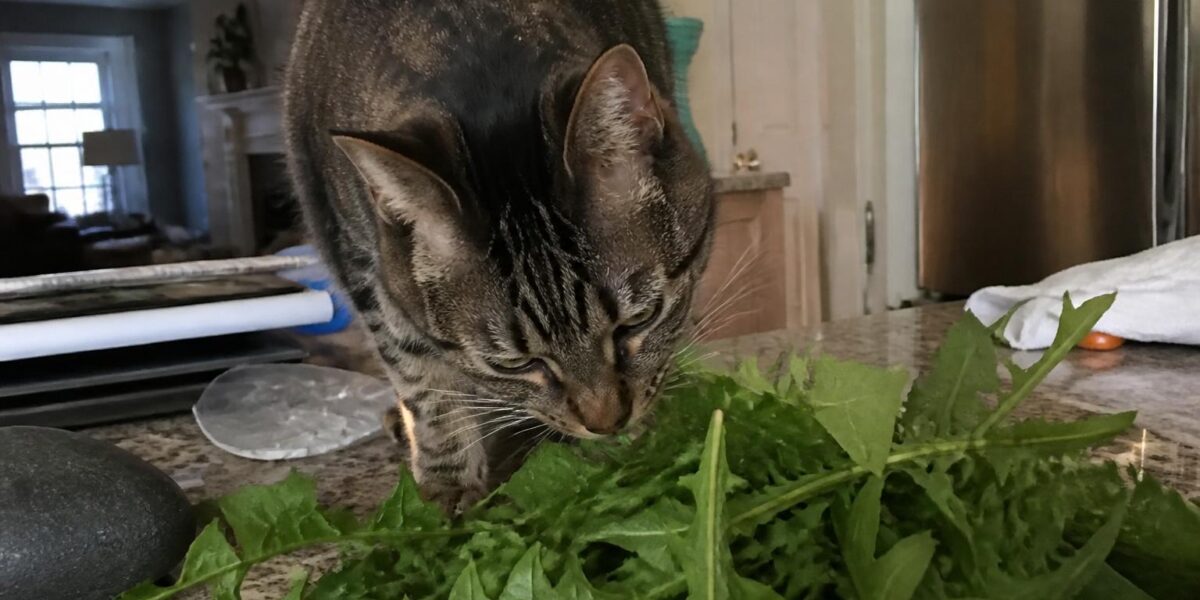
Can Cats Eat Dandelion Greens? The Short Answer
Yes, cats can eat dandelion greens in tiny, plain amounts, and they are generally considered non-toxic to felines. That said, the honest answer to “can cats eat dandelion greens” is that they are safe but largely unnecessary. Your cat is an obligate carnivore, which means the bulk of their nutrition has to come from animal protein, not leafy plants.
In this article
Dandelion greens fall into the “occasional nibble at most” category. A small bite of well-washed, untreated dandelion leaf is unlikely to harm a healthy cat, but it offers very little that a complete, meat-based diet does not already provide. There is no reason to make dandelion greens a regular part of your cat’s bowl, and there is certainly no need to go out of your way to add them.
It helps to keep expectations realistic. Cats evolved hunting small prey, and their entire digestive system reflects that. They have short intestines built to process meat quickly, limited ability to break down plant fiber, and no biological need for leafy greens. So while dandelion greens are not dangerous, they are not the “healthy salad” for cats that they might be for you.
As with any new food, it is smart to check with your veterinarian first, especially if your cat has kidney issues, a sensitive stomach, or a chronic health condition. Your vet knows your cat’s full history and can tell you whether even a tiny new addition is worthwhile.
Are Dandelion Greens Safe or Toxic for Cats?
Dandelion greens are not on the list of plants considered toxic to cats. The whole dandelion plant, including leaves, flowers, and roots, is widely regarded as non-poisonous to felines. This is reassuring, because it stands in contrast to many common garden and houseplants — like lilies, tulips, and sago palm — that can cause serious or even fatal harm to cats.
The real risks are not toxicity but rather where the greens come from and how much your cat eats. Dandelions growing in yards, parks, or along sidewalks are frequently sprayed with herbicides, pesticides, or lawn chemicals, and these treatments are genuinely dangerous. Even fertilizers and weed-and-feed products leave residues that can make a cat sick. Never let your cat graze on dandelions from an unknown outdoor source, no matter how tempting the fresh greens look.
Roadside dandelions carry additional hazards from car exhaust, road salt, and other pollutants that settle on the leaves. The plant itself may be safe, but its surroundings often are not. This is why the only dandelion greens worth considering for a cat are organic or home-grown leaves you know have never been treated with any chemical.
Even clean, organic dandelion greens can cause mild digestive upset if a cat eats more than a small bite, simply because the feline gut is not built to process large amounts of fibrous plant material. Moderation is the rule even with a perfectly clean source.
Do Dandelion Greens Offer Cats Any Nutritional Benefit?
Dandelion greens are nutritious for humans, packed with vitamins A, C, and K, plus calcium, iron, and antioxidants. For cats, though, these benefits are mostly theoretical. Cats produce their own vitamin C and meet their nutritional needs through animal-based ingredients, so a leaf of dandelion does not meaningfully add to their diet.
A complete, balanced commercial cat food is already formulated to provide everything your cat requires, including taurine, an essential amino acid found only in animal tissue. No leafy green can supply taurine, and a cat eating an otherwise good diet gains nothing nutritionally important from dandelion greens. At best, the greens are a flavor and texture novelty.
Some cat owners notice their pet nibbling on grass or greens and wonder if it signals a craving or a deficiency. In most cases, cats chew on plants out of curiosity, boredom, or to help move hairballs along, not because they need the nutrients. Eating greenery can sometimes make a cat vomit, which may be exactly what they were after if a hairball was bothering them.
If your cat enjoys grazing, a pot of cat-safe greens like wheatgrass or a sprinkle of catnip is a safer, more purpose-built option than foraged dandelion. Other leafy greens cats sometimes sample include spinach and kale, all of which should stay occasional treats rather than staples and follow the same tiny-amounts-only rule.
Safe Serving Size and Preparation
If you want to offer dandelion greens, keep the portion truly tiny. A single small leaf, finely chopped, is plenty for a cat. Treats and extras of any kind should make up no more than about 10 percent of your cat’s daily calories, and within that allowance, greens should be a rare item rather than a daily habit.
Follow these simple preparation steps:
- Use only dandelion greens you know are free of pesticides, herbicides, and fertilizer — ideally organic or home-grown without chemicals.
- Wash the leaves thoroughly under running water to remove dirt, grit, and residue.
- Chop a small leaf into fine pieces so it is easy to chew and digest, which also lowers the choking risk for small cats and kittens.
- Serve plain — no oil, butter, salt, garlic, or onion, all of which range from unhelpful to genuinely dangerous for cats.
- Offer it on its own or mixed lightly into their regular food, and watch how they respond before offering it again.
Cooking is optional. Lightly steamed dandelion greens are softer and may be a little gentler on the stomach, but raw and clean is fine in tiny amounts too. Introduce it slowly, the way you would any new food, so that if your cat’s stomach disagrees you will know exactly what caused it. Never replace a meal with greens, and never use them to fill up a hungry cat.
Symptoms of Digestive Upset to Watch For
Because cats are not designed to eat much plant matter, even a non-toxic green can trigger mild stomach trouble if they overdo it. After offering dandelion greens, keep an eye out for:
- Vomiting or repeated gagging
- Diarrhea or loose stools
- Loss of appetite
- Lethargy or unusual hiding
- Excessive drooling
- Gas or visible discomfort in the belly
Mild upset from a small amount usually passes on its own within a day as the plant material works through your cat’s system. During that time, make sure fresh water is always available and let your cat rest. If symptoms persist beyond 24 hours, worsen, or your cat seems genuinely unwell, contact your veterinarian.
The more urgent scenario is chemical exposure. If you suspect your cat ate dandelions treated with lawn chemicals, herbicides, or fertilizer, call your vet or an animal poison helpline right away — the chemicals, not the plant, are the emergency. Bring along the product name or label if you can, since it helps the vet identify the right treatment quickly.
Better Treat Alternatives for Cats
Since dandelion greens add little, consider treats that actually suit a carnivore. Small bites of cooked, unseasoned meat or fish are far more appealing and appropriate. Many cats love a little plain chicken or a flake of salmon as an occasional reward, and these provide protein your cat can genuinely use.
Commercial treats formulated for cats are another safe choice in moderation, since they are designed with feline digestion in mind. Whatever you choose, keep treats to no more than 10 percent of daily calories so they do not unbalance your cat’s diet or contribute to weight gain.
If you are caring for a rescue or newly adopted cat, sticking to a consistent, vet-approved diet helps their digestion settle and makes it easier to spot any sensitivities. Curious about giving a cat a fresh start? You can learn more about welcoming one home through our adopt a cat resources, which cover everything from the first day home to building healthy routines.
Frequently Asked Questions
Can cats eat dandelion greens every day?
No. Even though dandelion greens are non-toxic, they should only be an occasional tiny nibble, not a daily food. Cats get their nutrition from meat, and too much plant fiber can upset their stomach and crowd out the balanced diet they actually need.
Are dandelion flowers and roots safe for cats too?
The whole dandelion plant is generally considered non-toxic to cats, but the same rules apply: keep amounts tiny, make sure they are chemical-free, and treat them as a rare curiosity rather than food. There is no nutritional reason to offer any part of the plant.
My cat ate dandelions from the yard — should I worry?
The plant itself is unlikely to harm them, but lawn chemicals are the real concern. If your yard is treated with herbicides or fertilizer, watch for vomiting, drooling, or lethargy and call your veterinarian if anything seems off. When in doubt, a quick call to your vet is always worth it.
Why does my cat want to eat greens?
Cats often nibble plants out of curiosity, boredom, or to help bring up hairballs. It rarely means a nutritional deficiency. A pot of safe cat grass is a better outlet than foraged dandelions, and it gives your cat something to chew that you know is clean.
Can kittens eat dandelion greens?
Kittens have especially delicate digestive systems and need a nutrient-dense diet built for growth, so it is best to skip dandelion greens entirely while they are young. If you ever want to offer greens to an older cat, ask your veterinarian first.


