
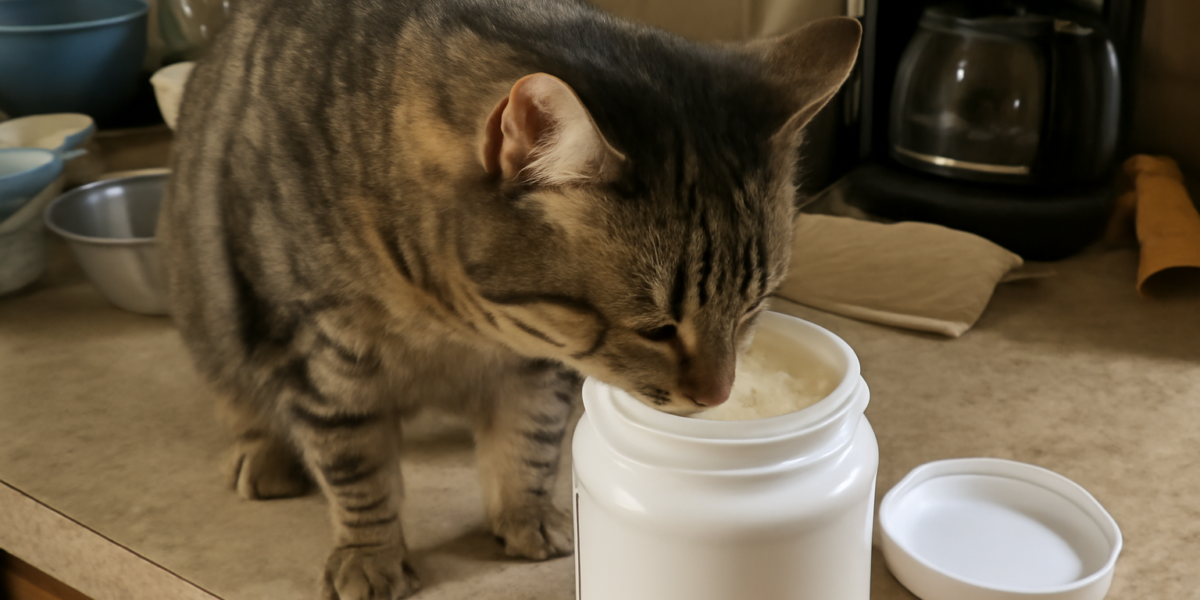
Can Cats Drink Rehydrated Goat Milk Powder?
Yes, most cats can eat goat milk powder that has been properly rehydrated, and many tolerate it better than cow’s milk. Goat milk contains lower levels of lactose and smaller fat globules, making it gentler on a cat’s digestive system. If you have been curious about whether can cats eat goat milk powder, the good news is that it can serve as an occasional hydration boost, appetite stimulant, or supplemental food — especially for kittens and underweight cats.
In this article
That said, goat milk powder is not a complete food for cats. It lacks the balanced amino acid profile, taurine levels, and overall nutrient ratios that cats need to thrive long-term. Think of it as a beneficial supplement rather than a meal replacement. Always use plain, unsweetened goat milk powder with no added preservatives or flavorings.
Before introducing goat milk powder into your cat’s routine, a conversation with your veterinarian is a smart first step — particularly if your cat has a history of digestive sensitivity or is currently on a prescription diet.
Why Goat Milk Is Easier on Cats Than Cow Milk
Most adult cats are lactose intolerant to some degree. They produce less lactase — the enzyme that breaks down lactose — after weaning, which is why a saucer of cow’s milk often leads to diarrhea and stomach cramps. Goat milk offers a few structural advantages that make it more cat-friendly.
Lower lactose content. Goat milk contains roughly 4.1 percent lactose compared to cow milk’s 4.7 percent. While the difference sounds small, it can be enough to tip the balance for mildly intolerant cats.
Smaller fat globules. The fat particles in goat milk are naturally smaller and more uniform, which allows for easier digestion and faster nutrient absorption without the heavy feeling that cow’s milk can cause.
Different casein proteins. Goat milk contains predominantly A2 casein rather than A1 casein. Some research suggests A2 casein is less likely to trigger digestive inflammation, though studies specific to cats are still limited.
Despite these advantages, goat milk is not lactose-free. Cats with severe lactose intolerance may still experience digestive upset. Start with a very small amount and monitor your cat’s stool for 24 hours before offering more.
Rehydrating Goat Milk Powder for Cats
Getting the ratio right matters. Too concentrated and you increase the lactose load and caloric density; too dilute and your cat may lose interest in the flavor.
Standard Rehydration Ratio
Most goat milk powder brands recommend mixing one tablespoon of powder with four ounces of warm water for general use. For cats, you can dilute it slightly more — try one tablespoon to five or six ounces of water — to reduce the lactose concentration while still preserving flavor.
Serving Tips
- Use lukewarm water, not hot. Hot water can destroy some beneficial enzymes and probiotics present in raw goat milk powder.
- Stir or shake thoroughly to dissolve all clumps. Cats may reject the texture of undissolved powder.
- Serve immediately or refrigerate. Rehydrated goat milk should be used within 24 hours and stored in a sealed container in the fridge.
- Discard any leftover milk left in the bowl after 30 minutes at room temperature to prevent bacterial growth.
Some pet-specific goat milk powder products come pre-formulated with added taurine, probiotics, and digestive enzymes. These are a convenient choice because they are designed with feline nutritional needs in mind.
Goat Milk Powder for Kittens
Goat milk powder is perhaps most valued in the rescue and fostering community as a supplemental food for orphaned or underweight kittens. While it should never replace a proper kitten milk replacer formula like KMR, it can be used in certain situations.
Emergency supplement. If you find an orphaned kitten and cannot immediately get a commercial kitten milk replacer, diluted goat milk powder is a safer temporary option than cow’s milk. It provides calories and hydration while you source proper formula.
Weaning transition. During the weaning phase (around four to six weeks), mixing a small amount of rehydrated goat milk into wet kitten food can make the transition from nursing to solid food smoother and more appealing.
Weight gain support. Underweight kittens or those recovering from illness sometimes benefit from the extra calories and easily digestible fats in goat milk. Your veterinarian may recommend it as a short-term caloric boost alongside a balanced kitten diet.
Always warm goat milk to body temperature (about 100°F) before offering it to young kittens. Cold milk can chill their small bodies and may cause them to refuse the feeding.
Portion Guidelines for Adult Cats
For healthy adult cats, goat milk powder should be treated as an occasional treat rather than a daily staple. Here is a practical framework for portioning:
- Small cats (under 8 lbs): One to two tablespoons of rehydrated goat milk, two to three times per week.
- Average cats (8–12 lbs): Two to three tablespoons of rehydrated goat milk, two to three times per week.
- Large cats (over 12 lbs): Up to a quarter cup of rehydrated goat milk, two to three times per week.
Keep in mind that goat milk adds calories to your cat’s diet. One cup of rehydrated goat milk contains roughly 170 calories, so even a few tablespoons can add up. Adjust meal portions accordingly to prevent gradual weight gain.
Cats with diabetes, pancreatitis, or obesity should avoid goat milk or use it only under veterinary supervision due to its fat and sugar content.
Signs of Intolerance and When to Stop
Even though goat milk is gentler than cow’s milk, not every cat will tolerate it. Watch for the following symptoms after the first few servings:
- Loose stool or diarrhea within 12 to 24 hours
- Excessive gas or bloating
- Vomiting
- Decreased appetite for regular food
If you notice any of these signs, discontinue the goat milk and return to your cat’s normal diet. Symptoms should resolve within a day or two. If diarrhea persists beyond 48 hours, contact your veterinarian to rule out other causes.
Cats that tolerate goat milk well often show enthusiasm at feeding time — licking the bowl clean and looking for more. That eagerness is a good sign, but resist the temptation to increase portions beyond the recommended amount just because your cat enjoys it.
Choosing the Right Goat Milk Powder
Not all goat milk powders are equal. When shopping for a product to share with your cat, keep these criteria in mind:
Plain and unsweetened. Avoid any product with added sugar, honey, or flavoring. Cats do not need sweeteners, and some can cause digestive issues.
Whole fat preferred. Full-fat goat milk is more palatable to cats and provides energy-dense nutrition. Skim or reduced-fat versions are less appealing and strip away some of the beneficial fatty acids.
Raw vs. pasteurized. Raw goat milk powder retains more natural enzymes and probiotics but carries a higher risk of bacterial contamination. Pasteurized products are safer, especially for kittens, senior cats, or immunocompromised animals.
Pet-specific formulas. Several brands sell goat milk powder specifically for pets, often fortified with taurine and probiotics. These products take the guesswork out of supplementation and are generally the safest bet.
For more cat-friendly foods to explore, check out our guide on bone broth jelly for cats or learn about duck hearts as a taurine-rich snack. If you are curious about raw feeding options, our article on raw liver for cats covers safe portions and vitamin A considerations.
Frequently Asked Questions
Can I use goat milk powder as a meal replacement for my cat?
No. Goat milk powder does not provide the complete and balanced nutrition that cats require. It lacks adequate taurine, specific amino acids, and the correct mineral ratios for feline health. Always use it as a supplement alongside a nutritionally complete cat food.
Is goat milk powder safe for cats with kidney disease?
Cats with chronic kidney disease often need restricted phosphorus and protein intake. Goat milk contains both, so it may not be appropriate without veterinary approval. Ask your vet whether small amounts fit within your cat’s dietary restrictions.
How does fermented goat milk differ from goat milk powder?
Fermented goat milk (kefir) has undergone a culturing process that breaks down much of the lactose and introduces beneficial probiotics. It is often even better tolerated than standard goat milk and can support gut health. However, choose plain, unsweetened kefir without added fruits or sweeteners.
Can I mix goat milk powder into my cat’s wet food?
Yes, sprinkling a small amount of dry goat milk powder over wet food or mixing in a tablespoon of rehydrated goat milk can boost flavor and moisture. This is a popular trick for encouraging picky eaters to finish their meals.
Is goat milk powder safe for pregnant or nursing cats?
In small amounts, goat milk powder can provide extra calories and hydration for pregnant or lactating queens. However, their primary diet should be a high-quality kitten food that meets the increased nutritional demands of pregnancy and nursing. Consult your vet for personalized guidance.
Looking to welcome a new feline family member? Visit our cat adoption hub to browse available cats, or explore the cat care blog for more nutrition and wellness tips.


