
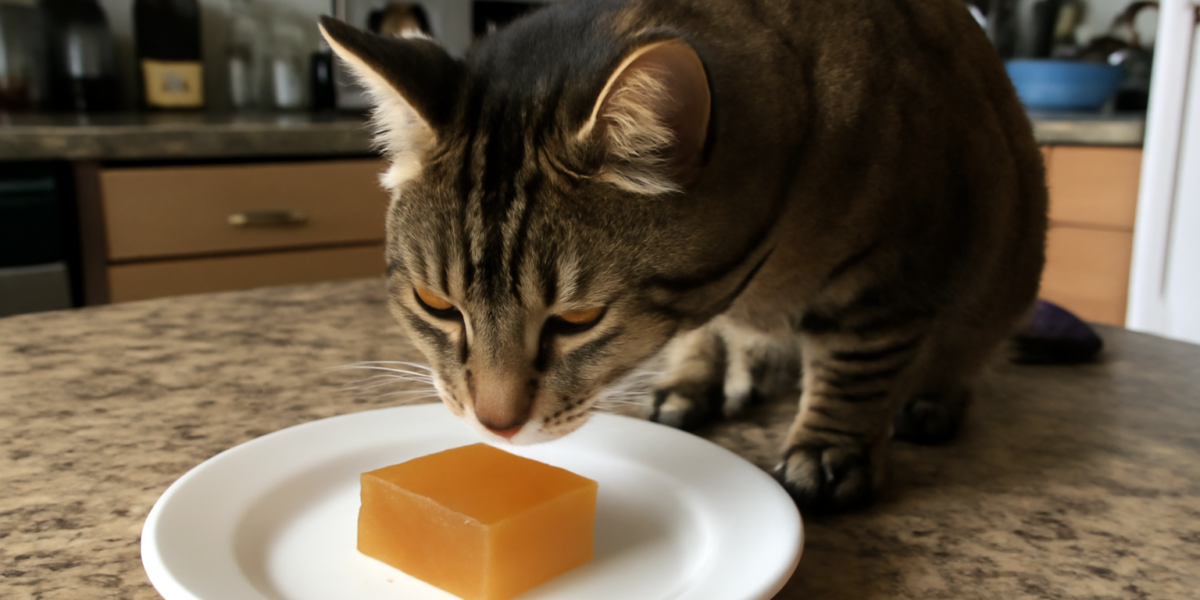
Can Cats Eat Bone Broth Jelly Safely?
Yes, cats can eat bone broth jelly in moderation, as long as it is made from plain, unseasoned bone broth without onions, garlic, or excessive sodium. Bone broth jelly — the naturally gelatinous form that broth takes when refrigerated — offers hydration benefits and a flavor most cats find irresistible. If you have been wondering whether can cats eat bone broth jelly, the short answer is that a plain, cat-safe version makes a wonderful occasional treat.
In this article
- Can Cats Eat Bone Broth Jelly Safely?
- Nutritional Benefits of Bone Broth Jelly for Cats
- Ingredients to Avoid in Bone Broth Jelly
- How to Make Cat-Safe Bone Broth Jelly at Home
- Serving Size and Frequency
- When Bone Broth Jelly May Not Be Appropriate
- Other Gelatin and Collagen Treats for Cats
- Frequently Asked Questions
Gelatin is simply cooked collagen, and collagen is a protein cats encounter naturally when they consume whole prey. The jiggly texture can even encourage picky eaters to take in more moisture, which is a significant benefit for cats who rely heavily on dry kibble.
That said, not all bone broth products on store shelves are safe for felines. Many contain ingredients that are outright toxic to cats. Before you scoop a spoonful into your cat’s bowl, read on to learn which varieties are safe, how much to offer, and how to whip up a batch at home.
Nutritional Benefits of Bone Broth Jelly for Cats
Bone broth jelly is more than just a tasty snack — it provides several nutrients that support feline health. Understanding these benefits can help you decide whether this treat deserves a spot in your cat’s rotation.
Collagen and joint support. The gelatin in bone broth is derived from collagen, which plays a role in maintaining healthy joints, skin, and connective tissue. Senior cats or those with early signs of arthritis may benefit from the amino acids glycine and proline found in collagen-rich broth.
Hydration boost. Cats evolved as desert animals and often have a low thirst drive. Adding a gelatin treat that is roughly 90 percent water can help increase their daily fluid intake, supporting kidney and urinary tract health.
Gut-friendly amino acids. Glycine and glutamine, both present in bone broth, support the intestinal lining. Veterinary nutritionists sometimes recommend plain broth for cats recovering from gastrointestinal upset because it is gentle on the stomach while still providing some nourishment.
Appetite stimulation. The rich, meaty aroma of bone broth jelly can coax reluctant eaters — including cats on medication or recovering from illness — into eating. You can warm it slightly to release more scent before serving.
Ingredients to Avoid in Bone Broth Jelly
The biggest risk with bone broth jelly is not the gelatin itself but the other ingredients that may be lurking in the recipe. Commercial bone broths designed for humans almost always contain seasonings that are harmful to cats.
- Onions and garlic. Both belong to the allium family and are toxic to cats even in small quantities. They can damage red blood cells and lead to hemolytic anemia. Always check ingredient labels carefully.
- High sodium levels. Human-grade broths frequently contain 400 mg or more of sodium per cup. Excess salt can strain your cat’s kidneys and heart. Look for low-sodium or no-salt-added versions, or better yet, make your own.
- Artificial sweeteners. While uncommon in savory broth, some specialty products include xylitol or other sweeteners. Xylitol is extremely dangerous for pets.
- Spices and herbs. Bay leaves, black pepper, and certain herbs may irritate a cat’s digestive system. Stick to plain, single-ingredient broth whenever possible.
If you are shopping for a store-bought option, look for bone broth products specifically formulated for pets. Several brands now sell cat-safe bone broth in pouches or tetra packs with nothing but bones, water, and a small amount of apple cider vinegar to aid extraction.
How to Make Cat-Safe Bone Broth Jelly at Home
Making bone broth jelly at home is straightforward and gives you complete control over the ingredients. You only need a few items and a slow cooker or instant pot.
Simple Recipe
- Place two to three pounds of raw chicken frames, necks, or feet into a slow cooker. You can also use turkey or beef bones.
- Cover the bones with filtered water, leaving about an inch of space at the top.
- Add one tablespoon of apple cider vinegar. This helps draw minerals from the bones. Do not add any salt, onion, garlic, or seasoning.
- Cook on low for 12 to 24 hours. Chicken bones need the shorter end; beef bones benefit from the full 24 hours.
- Strain the broth through a fine-mesh sieve, discarding all bones and solids. Never feed cooked bones to your cat — they can splinter.
- Pour the strained liquid into silicone molds or an ice cube tray and refrigerate. Within a few hours, it should set into a wobbly jelly.
Homemade bone broth jelly can be stored in the refrigerator for up to five days or frozen for up to three months. Pop out a cube whenever you want to offer your cat a treat or top their meal.
Flavor Variations
You can add a few cat-safe extras during cooking to vary the flavor. A small handful of carrots or a sprig of parsley is fine, but remember to strain everything out before serving. Avoid celery in large amounts and skip any allium vegetables entirely.
Serving Size and Frequency
Bone broth jelly should complement your cat’s regular diet, not replace it. Think of it as a treat that falls within the 10 percent rule — treats should make up no more than 10 percent of your cat’s daily caloric intake.
For an average adult cat weighing around 10 pounds, one to two tablespoons of bone broth jelly per day is a reasonable amount. You can serve it as a standalone snack, mix it into wet food to add moisture, or use it as a topper on dry kibble to encourage hydration.
Kittens can have small tastes of plain bone broth jelly starting around eight weeks of age, but their primary nutrition should come from a complete kitten formula. Senior cats or those with kidney concerns should have their sodium intake monitored; consult your veterinarian before making bone broth jelly a regular part of their diet.
If your cat has never tried gelatin before, start with a teaspoon and observe for any digestive changes over 24 hours. Most cats tolerate it well, but every feline is an individual.
When Bone Broth Jelly May Not Be Appropriate
While bone broth jelly is generally safe, there are situations where you should proceed with caution or skip it altogether.
Cats with kidney disease. Even low-sodium homemade broth contains some minerals, including phosphorus, which needs to be restricted in cats with chronic kidney disease. Your vet may still approve small amounts, but it is important to ask first.
Cats with food allergies. If your cat has a diagnosed protein allergy — for example, to chicken — make sure the broth uses a novel protein source like duck or rabbit instead.
Post-surgical cats. While bone broth is often recommended for recovery, check with your veterinarian about the timing and quantity, especially if your cat is on a prescription diet following surgery.
When in doubt, a quick call to your vet can clarify whether bone broth jelly is a good fit for your cat’s specific health profile. Veterinary guidance is always the gold standard when introducing new foods.
Other Gelatin and Collagen Treats for Cats
If your cat loves the jiggly texture of bone broth jelly, you might want to explore other collagen-rich treats. Some pet companies sell freeze-dried bone broth toppers that you rehydrate at home. Others offer collagen powder supplements designed to be mixed into wet food.
You can also make simple gelatin bites by dissolving unflavored gelatin powder in warm, cat-safe broth and letting it set in fun-shaped molds. Avoid flavored gelatin products like Jell-O, which contain sugar, artificial colors, and other additives that are not appropriate for cats.
For more ideas on feline-friendly protein treats, check out our guide on whether cats can eat chicken feet, which covers another collagen-packed option. You might also enjoy reading about duck hearts as a taurine-rich treat for cats or explore raw liver feeding guidelines for more organ-meat insights.
Frequently Asked Questions
Can I give my cat store-bought bone broth meant for humans?
Only if it contains no onion, garlic, excessive salt, or other harmful seasonings. Most human-grade broths do contain these ingredients, so read the label carefully. Pet-specific bone broth or homemade broth is a safer choice.
How long does homemade bone broth jelly last in the fridge?
Properly stored in a sealed container, homemade bone broth jelly stays fresh for about five days in the refrigerator. For longer storage, freeze it in ice cube trays and thaw individual portions as needed — frozen broth keeps for up to three months.
Will bone broth jelly help my cat drink more water?
Yes, bone broth jelly is an excellent way to increase your cat’s fluid intake since it is mostly water. This is especially helpful for cats who eat primarily dry food and may be chronically under-hydrated.
Can kittens eat bone broth jelly?
Kittens over eight weeks old can have small amounts of plain, unseasoned bone broth jelly as an occasional treat. However, their main nutrition should come from a complete and balanced kitten food. If you are considering bone broth for a very young kitten, discuss it with your veterinarian first.
Is powdered gelatin safe for cats?
Plain, unflavored gelatin powder is safe for cats in small amounts. You can dissolve it in warm cat-safe broth to create homemade gelatin treats. Avoid flavored gelatin products, which contain sugar and artificial additives that are not suitable for felines.
Looking for more ways to nourish your feline friend? Visit our cat adoption hub for resources on welcoming a new cat into your home, or browse the cat care blog for tips on nutrition, grooming, and health.


