
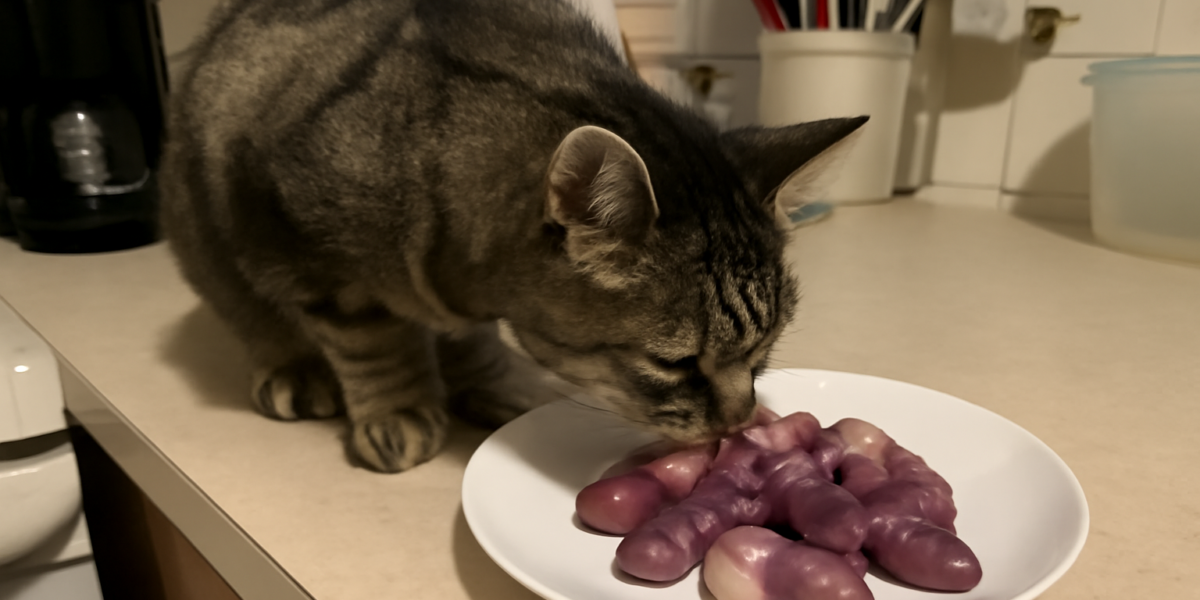
Cats Can Eat Duck Hearts: An Excellent Source of Taurine
Yes, cats can eat duck hearts, and they are one of the most nutritionally valuable organ meats you can offer your feline companion. Duck hearts are exceptionally rich in taurine — an essential amino acid that cats cannot produce in sufficient quantities on their own and must obtain from their diet. They also provide high-quality protein, B vitamins, iron, and CoQ10.
In this article
- Cats Can Eat Duck Hearts: An Excellent Source of Taurine
- Why Taurine Matters So Much for Cats
- Full Nutritional Profile of Duck Hearts
- Safe Portions and Feeding Frequency
- Preparation Methods: Raw, Cooked, and Freeze-Dried
- Trouble Signs: When Duck Hearts Disagree with Your Cat
- Duck Hearts Compared to Other Organ Meats
- Frequently Asked Questions
Duck hearts are safe to feed raw, lightly cooked, or freeze-dried. Most raw-feeding advocates prefer serving them raw to preserve the full taurine content, as heat can reduce taurine levels by 50 to 75 percent depending on cooking method and duration. Whether you feed raw or cooked, duck hearts make a nutrient-dense treat or meal topper that most cats find irresistible.
As with all organ meats, duck hearts should be fed in moderation as part of a balanced diet. Consult your veterinarian about incorporating organ meats if your cat has specific health conditions or dietary restrictions.
Why Taurine Matters So Much for Cats
Taurine is arguably the most critical dietary nutrient for cats. Unlike dogs and humans, cats have a very limited ability to synthesize taurine from other amino acids (methionine and cysteine). This makes cats obligate taurine consumers — they must eat it directly in their food.
Taurine deficiency in cats leads to serious, potentially fatal health problems:
- Dilated cardiomyopathy (DCM): The heart muscle weakens and enlarges, eventually leading to heart failure. This was a widespread problem in the 1980s before commercial cat food manufacturers began supplementing with taurine.
- Central retinal degeneration: Taurine deficiency causes progressive, irreversible blindness as the photoreceptor cells in the retina deteriorate.
- Reproductive failure: Queens with inadequate taurine experience higher rates of stillbirth, low birth weight kittens, and developmental abnormalities.
- Immune dysfunction: Taurine plays a role in white blood cell function, and deficiency impairs the immune response.
Heart muscles of all species are naturally concentrated sources of taurine because the heart itself requires large amounts to function properly. Duck hearts contain approximately 6,000 to 7,000 mg of taurine per kilogram of raw tissue — one of the highest concentrations among commonly available meats. For comparison, chicken breast contains roughly 300 mg per kilogram.
Full Nutritional Profile of Duck Hearts
Beyond taurine, duck hearts offer an impressive array of nutrients that support feline health.
High-Quality Animal Protein
Duck hearts are approximately 70 percent water and 17 to 19 percent protein by weight, with the protein being highly bioavailable to cats. The amino acid profile closely matches what obligate carnivores like cats need for muscle maintenance, organ function, and enzyme production.
Iron and B Vitamins
Organ meats are naturally rich in heme iron — the form of iron most easily absorbed by the body. Duck hearts provide significant amounts of iron, which is essential for oxygen transport in the blood. They are also excellent sources of vitamin B12, riboflavin (B2), niacin (B3), and pantothenic acid (B5), all of which support energy metabolism and nervous system function.
Coenzyme Q10 (CoQ10)
Heart tissue is one of the richest natural sources of CoQ10, an antioxidant that supports cellular energy production and cardiovascular health. While research on CoQ10 supplementation in cats is limited, the compound is recognized for its role in mitochondrial function and may benefit senior cats or those with heart conditions.
Moderate Fat Content
Duck hearts contain moderate fat levels — approximately 5 to 7 percent by weight — which is appropriate for cats as part of a varied diet. The fat provides essential fatty acids and enhances the flavor, which is why most cats find duck hearts highly palatable.
Safe Portions and Feeding Frequency
The right amount of duck hearts depends on whether you are using them as a treat, a meal topper, or an integral part of a raw diet.
As a treat or meal topper: Offer one to two duck hearts (approximately 15 to 30 grams total) three to four times per week. This provides a regular taurine boost without overloading on organ meat, which can cause loose stools if overfed.
As part of a complete raw diet: Raw feeding guidelines typically recommend that organ meats comprise about 10 percent of the total diet, with heart meat sometimes categorized separately as “muscle meat” due to its composition. If you are feeding a formulated raw diet, duck hearts can make up a portion of the meat component. Work with a veterinary nutritionist to ensure the overall diet is balanced.
For kittens over 8 weeks: Start with half a duck heart, finely minced or chopped, mixed into their regular food. Monitor for digestive tolerance for 24 hours before offering more. Kittens benefit greatly from the taurine and iron in organ meats during their rapid growth phase.
Watch for signs that you may be offering too much:
- Loose stools or diarrhea — the most common sign of organ meat overfeeding
- Decreased interest in regular balanced food
- Weight gain from excess calories
If your cat develops soft stools after eating duck hearts, reduce the portion size or frequency. Some cats have more sensitive digestive systems and do better with smaller, less frequent servings. For other organ meat options, see our guide on freeze-dried chicken for cats.
Preparation Methods: Raw, Cooked, and Freeze-Dried
Each preparation method has trade-offs between nutritional preservation, convenience, and safety.
Raw Duck Hearts
Feeding raw preserves the maximum taurine content, enzyme activity, and nutrient bioavailability. Purchase from reputable sources that sell human-grade or pet-grade products. Freeze raw duck hearts for at least 72 hours before feeding to reduce (though not eliminate) parasitic risk. Thaw in the refrigerator, not at room temperature.
Serve raw duck hearts whole for cats who enjoy chewing, or chop them for cats who prefer smaller pieces or who tend to gulp food. Practice standard raw meat food safety — wash hands, sanitize surfaces, and clean food bowls after each raw meal.
Lightly Cooked
A brief sear or light simmer (two to three minutes) reduces bacterial load while preserving more taurine than thorough cooking. Do not add oil, butter, salt, garlic, onion, or any seasonings — plain cooking only. Lightly cooked duck hearts are a good middle ground for owners who are not comfortable feeding completely raw.
Freeze-Dried
Freeze-drying preserves most nutrients, including a significant portion of taurine, while creating a shelf-stable product that requires no refrigeration. Commercial freeze-dried duck hearts for pets are available from several brands. They can be served as crunchy treats or rehydrated with warm water before feeding. Check the ingredient list to confirm the product contains only duck hearts with no additives.
What to Avoid
- Heavily cooked or boiled duck hearts: Prolonged cooking at high temperatures destroys a large percentage of the taurine content, which defeats a primary nutritional purpose.
- Seasoned or marinated duck hearts: Any added salt, garlic, onion, soy sauce, or spices can be harmful or toxic to cats.
- Duck hearts from unknown sources: Avoid purchasing from suppliers with unclear sourcing or handling practices.
Trouble Signs: When Duck Hearts Disagree with Your Cat
While most cats tolerate duck hearts well, watch for these indicators that your cat may need a different approach.
Digestive upset: Vomiting or diarrhea within 12 to 24 hours of eating duck hearts may indicate the portion was too large, the introduction was too sudden, or your cat has a sensitivity to duck protein. Scale back to a very small amount and reintroduce slowly over several days.
Allergic reaction: Although duck allergies in cats are uncommon, they do occur. Symptoms include itching (especially around the face and ears), skin redness, vomiting, diarrhea, and facial swelling. If you suspect an allergic reaction, discontinue duck hearts and consult your veterinarian.
Refusal to eat regular food: Some cats become so enthusiastic about duck hearts that they hold out for the treat instead of eating their balanced meals. If this happens, reduce the frequency and only offer duck hearts mixed into or after the regular meal rather than separately.
Hypervitaminosis A concern: This is more relevant to liver than heart, but if you are feeding multiple organ meats, be aware that excessive vitamin A from liver can cause toxicity over time. Duck hearts themselves are not high in vitamin A, but if your cat’s diet includes liver alongside hearts, work with your vet to ensure appropriate balance. Our cat care resources cover nutrition planning in more depth.
Duck Hearts Compared to Other Organ Meats
Understanding how duck hearts compare to other organ options helps you build variety into your cat’s diet.
- Chicken hearts: Very similar nutritional profile to duck hearts with comparable taurine levels. Slightly smaller, making them easier to portion for small cats. The two can be used interchangeably.
- Beef heart: Also high in taurine and CoQ10 but much larger. You will need to cut beef heart into cat-appropriate portions. The taste is stronger, which some cats prefer and others refuse.
- Liver (any species): Extremely nutrient-dense with very high vitamin A and copper content. Liver should be fed in smaller amounts than heart — no more than 5 percent of the total diet — to avoid vitamin A toxicity.
- Kidney: Good source of B vitamins and selenium but lower in taurine than heart. Has a strong flavor that some cats enjoy.
Rotating between different organ meats provides a broader nutrient spectrum. If your cat enjoys duck hearts, you might also explore whether chicken feet suit them as a complementary collagen-rich treat. For cats who are new to your home, our cat adoption hub includes nutrition guidance to help you get started.
Frequently Asked Questions
Can I feed my cat duck hearts every day?
While duck hearts are safe and nutritious, feeding them daily in large amounts can unbalance the diet. One to two duck hearts three to four times per week is a good frequency for most cats when used as a treat or topper. If duck hearts are part of a formulated raw diet plan designed by a veterinary nutritionist, daily inclusion at the appropriate proportion is fine.
Are raw duck hearts safe for cats with compromised immune systems?
Cats with FIV, FeLV, or those on immunosuppressive medications have a higher risk of bacterial infection from raw foods. For these cats, lightly cooking duck hearts or choosing freeze-dried options is a safer approach. Discuss raw feeding with your veterinarian if your cat has any immune-related condition.
My cat has heart disease. Should I still feed duck hearts?
Interestingly, duck hearts may be particularly beneficial for cats with early heart disease because of their high taurine and CoQ10 content. Taurine supplementation is part of the standard treatment for taurine-deficiency cardiomyopathy. However, always consult your veterinarian before making dietary changes for a cat with a diagnosed heart condition, as the overall diet needs to be managed holistically.
Do duck hearts have bones that could be dangerous?
No, duck hearts are boneless organs made entirely of muscle tissue. There is no choking risk from bones. The only choking consideration would be a cat attempting to swallow a whole heart without chewing, which is uncommon but possible in enthusiastic eaters. Cutting hearts in half for gulpers eliminates this minor risk.
Where can I buy duck hearts for my cat?
Duck hearts are available at Asian grocery stores, butcher shops, specialty pet food suppliers, and online raw pet food retailers. Frozen duck hearts from grocery stores are perfectly suitable for pet feeding as long as they are unseasoned. Many raw pet food companies also sell duck hearts individually or as part of organ meat mixes specifically packaged for pets.


