
Last updated: April 27, 2026
In this article
Cats Can Eat Chicken Feet as a Nutrient-Dense Treat
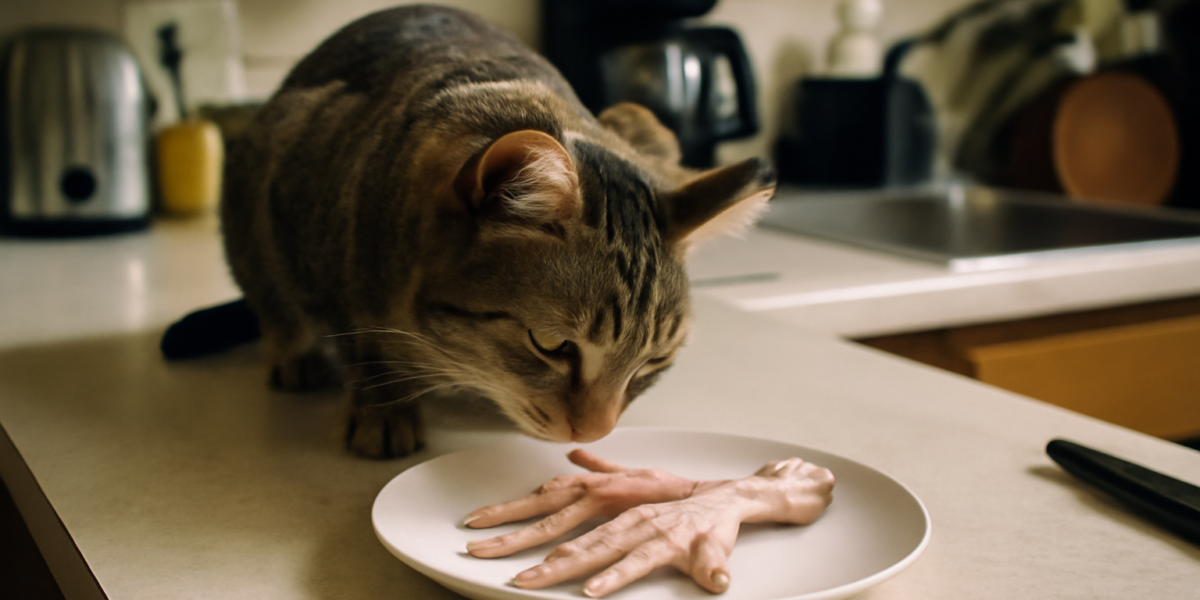
Yes, cats can eat chicken feet safely, and many raw-feeding enthusiasts consider them one of the best natural treats for feline joint health and dental hygiene. Chicken feet are rich in collagen, glucosamine, chondroitin, and calcium — nutrients that support connective tissue, joint mobility, and bone strength in cats of all ages.
Chicken feet can be offered raw or dehydrated. Raw chicken feet are the preferred option among raw feeders because they retain their full nutritional profile and provide a satisfying crunch that helps clean teeth. Dehydrated chicken feet are a shelf-stable alternative that many cats enjoy as a crunchy, high-protein snack. Cooked chicken feet, however, should be avoided because cooking makes the small bones brittle and prone to splintering.
As with any supplemental treat, chicken feet should be offered in moderation and should not replace a complete, balanced diet. Consult your veterinarian before introducing chicken feet, particularly if your cat has food sensitivities, a compromised immune system, or specific dietary restrictions.
Nutritional Benefits of Chicken Feet for Cats
Chicken feet pack a surprising amount of nutrition into a small, inexpensive package. Understanding what they offer helps you decide whether they are a good fit for your cat’s diet.
Collagen and Connective Tissue Support
Chicken feet are approximately 70 percent collagen by dry weight, making them one of the richest natural sources of this structural protein. Collagen is the primary protein in cartilage, tendons, ligaments, and skin. Regular collagen intake supports joint health, skin elasticity, and coat quality in cats.
During digestion, collagen breaks down into amino acids like glycine, proline, and hydroxyproline. Glycine plays important roles in liver detoxification, digestive health, and calming neurotransmitter function. For senior cats or those with early joint stiffness, the collagen in chicken feet provides building blocks for cartilage maintenance.
Natural Glucosamine and Chondroitin
The cartilage in chicken feet contains naturally occurring glucosamine and chondroitin sulfate — the same compounds found in joint supplements. While the concentrations are lower than in a pharmaceutical supplement, regular consumption of chicken feet provides a steady, food-based source of these joint-supporting compounds.
Calcium and Phosphorus
The small bones in chicken feet provide bioavailable calcium and phosphorus in a natural ratio that supports bone health. For cats on raw diets, chicken feet can contribute to the calcium content of the overall diet, though they should not be relied upon as the sole calcium source.
Dental Health Benefits
Chewing on the bones, cartilage, and tendons in raw chicken feet provides a natural tooth-cleaning action. The mechanical scraping helps remove plaque and tartar buildup, particularly along the gum line. While not a replacement for veterinary dental care, raw meaty bones like chicken feet can support dental hygiene between professional cleanings.
Raw vs Dehydrated vs Cooked: Choosing the Right Form
How you prepare chicken feet matters significantly for both safety and nutritional value.
Raw chicken feet are the gold standard for raw-fed cats. The bones remain pliable and crunchy — they bend and break cleanly rather than splintering into sharp fragments. Raw chicken feet retain their full collagen, glucosamine, and enzyme content. Source them from reputable suppliers that sell human-grade or pet-grade raw products, and handle them with the same food safety precautions you would use for raw meat intended for human consumption.
Dehydrated chicken feet are a convenient, shelf-stable option. The dehydration process removes moisture while preserving most of the collagen and mineral content. Quality dehydrated chicken feet should contain only one ingredient — chicken feet — with no added preservatives, salt, or flavorings. They are hard and crunchy, providing excellent chewing exercise. Some cats prefer them slightly rehydrated with warm water.
Cooked chicken feet should be avoided. Cooking changes the bone structure, making the small bones hard and brittle. Cooked bones can splinter into sharp fragments that risk puncturing the esophagus, stomach, or intestines. Boiling chicken feet for broth and then discarding the solids is fine — the collagen transfers into the liquid — but do not feed the cooked bones to your cat.
Safe Serving Sizes and Frequency
Portion control ensures chicken feet remain a healthy addition to your cat’s diet without unbalancing their nutritional intake.
- Average adult cat (8 to 12 pounds): One chicken foot two to three times per week is a reasonable frequency. Each chicken foot weighs approximately 30 to 50 grams.
- Small cats or kittens over 12 weeks: Start with half a chicken foot and observe how they handle the chewing and digestion. Kittens under 12 weeks should not be given chicken feet due to their small jaw size.
- Large cats (over 12 pounds): One to two chicken feet two to three times per week. Adjust based on the cat’s overall diet and caloric needs.
Treats and supplemental foods, including chicken feet, should make up no more than 10 percent of your cat’s total daily caloric intake. If your cat is on a complete raw diet, chicken feet can be factored into the bone content of their overall meal plan.
When introducing chicken feet for the first time, start with one foot and monitor your cat for 24 to 48 hours. Watch for any digestive changes including vomiting, diarrhea, or constipation. Most cats tolerate chicken feet well, but individual sensitivities can occur. For more raw feeding ideas, check out our article on duck hearts for cats.
Preparation and Safety Tips
Proper handling and preparation minimize food safety risks while maximizing the benefits of chicken feet for your cat.
- Source quality products. Purchase chicken feet from trusted butchers, raw pet food suppliers, or grocery stores that carry them. Organic and free-range options reduce antibiotic and pesticide residues.
- Trim the nails. Chicken feet come with toenails attached. While cats can eat around them, trimming the nails before serving makes the treat easier to handle and reduces the small risk of the sharp nail tip scratching the mouth or throat.
- Serve at appropriate temperature. If you store raw chicken feet frozen (recommended for bulk purchases), thaw them in the refrigerator rather than at room temperature. Serve them cold or at room temperature — do not microwave or cook them.
- Supervise the first few sessions. Watch your cat eat chicken feet the first several times to ensure they chew properly rather than attempting to swallow large pieces. Most cats instinctively crunch and chew thoroughly, but supervision confirms safe eating habits.
- Practice food safety. Handle raw chicken feet with clean hands or gloves. Wash all surfaces and bowls that contact raw poultry. Feed your cat in a designated area that is easy to clean and disinfect.
- Store properly. Keep raw chicken feet refrigerated and use within two to three days, or freeze for up to six months. Dehydrated chicken feet can be stored in an airtight container at room temperature for several weeks.
When to Avoid Chicken Feet for Cats
While chicken feet are safe for most cats, certain situations call for caution or avoidance.
Immunocompromised cats: Cats with FIV, FeLV, or those on immunosuppressive medications face higher risk from bacteria in raw foods. Discuss raw feeding with your veterinarian before offering raw chicken feet to these cats. Dehydrated options may be a safer choice.
Cats with poultry allergies: If your cat has a diagnosed allergy or sensitivity to chicken, chicken feet will trigger the same reaction. Signs of food allergy in cats include itching, facial swelling, vomiting, and diarrhea after eating the allergen.
Cats with gastrointestinal disease: Cats with inflammatory bowel disease, pancreatitis, or other digestive conditions may not tolerate the high collagen and bone content. Consult your veterinarian first.
Toothless or dental-compromised cats: Cats with significant tooth loss, oral tumors, or severe dental disease may not be able to chew chicken feet safely. These cats can still benefit from collagen by consuming bone broth made from chicken feet instead.
Your veterinarian can help you determine whether chicken feet are appropriate for your specific cat’s health situation. Browse our cat care resources for more feeding and nutrition guidance, or visit the cat adoption hub if you are preparing to welcome a new feline family member.
Frequently Asked Questions
Can kittens eat chicken feet?
Kittens over 12 weeks old can try chicken feet, starting with a half foot to ensure they can manage the size and chewing. Younger kittens have jaws that are too small and underdeveloped to safely handle chicken foot bones. Always supervise kittens during any raw bone feeding.
Will chicken feet make my cat’s stool different?
Yes, the bone content in chicken feet can cause stools to become firmer, drier, and lighter in color. This is normal and not a cause for concern unless stools become very hard, crumbly, or your cat shows signs of straining. If constipation occurs, reduce the frequency of chicken feet and increase moisture in the diet.
Can I make bone broth from chicken feet for my cat?
Absolutely. Simmering chicken feet in water for 12 to 24 hours produces a collagen-rich bone broth that many cats love. Do not add onion, garlic, salt, or other seasonings — plain water only. Strain the broth, discard the cooked bones, and serve the broth warm or add it to your cat’s regular food. Our article on bone broth for cats covers this topic in more detail.
Are chicken feet a choking hazard for cats?
The risk is low when chicken feet are served raw, as the bones are pliable and crunch into small, digestible pieces. Cats are natural carnivores whose digestive systems are designed to handle raw bone. Supervise the first few feedings to confirm your cat chews thoroughly. Cooked chicken feet are a greater choking risk because the brittle bones can break into sharp fragments.
How many calories are in a chicken foot?
A single raw chicken foot contains approximately 30 to 40 calories, depending on size. This is a modest caloric addition for most cats, but it should still be factored into the overall daily intake, especially for overweight cats or those on calorie-restricted diets.


