
Last updated: April 8, 2026
In this article
Can Cats Eat Molasses? Safety Guide and Tips
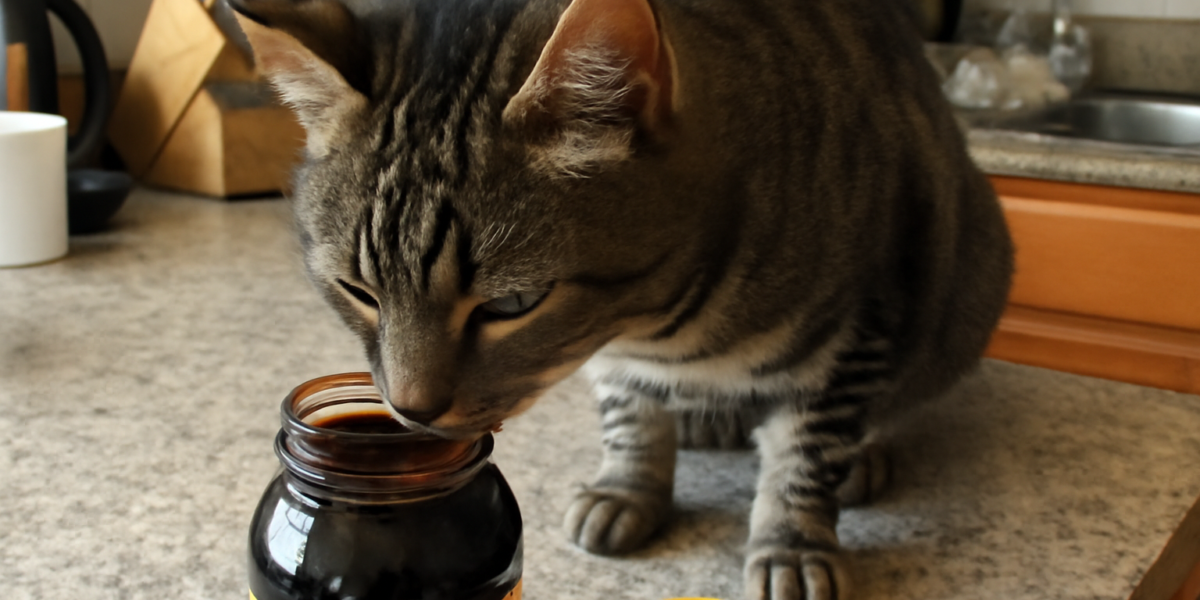
Molasses is a thick, dark syrup with a rich, bittersweet flavor that shows up in everything from gingerbread cookies to barbecue sauce. If you have been baking and your cat has discovered a stray drip of molasses on the counter, you might wonder whether this natural sweetener is any safer for cats than refined sugar. After all, molasses is often touted for its mineral content, and it comes from a natural source.
While molasses does contain more nutrients than white sugar, that does not automatically make it appropriate for cats. As obligate carnivores, cats have a fundamentally different relationship with sugars and carbohydrates than humans do. Their bodies are designed to run on protein and animal fat, and their limited ability to metabolize sugars means that concentrated sweeteners like molasses can cause real problems.
Quick Answer: Can Cats Eat Molasses?
No, molasses is not recommended for cats. While it is not acutely toxic like chocolate or onions, molasses is an extremely concentrated sugar source that can cause digestive upset, contribute to weight gain, and increase the risk of feline diabetes over time. A single accidental lick is unlikely to cause harm, but molasses should not be offered intentionally.
Molasses is approximately 55 to 75 percent sugar by weight, depending on the variety. This concentration of sugar is far beyond what a cat’s metabolic system is equipped to handle. Cats have reduced activity of hepatic glucokinase, an enzyme involved in sugar metabolism, which means they process sugars much more slowly and inefficiently than humans or even dogs.
Some pet owners have encountered recommendations to use molasses as a home remedy for various feline ailments, particularly constipation or low blood sugar. While there may be anecdotal reports of this working, veterinary professionals strongly advise against using molasses as a home treatment. If your cat is experiencing constipation, hypoglycemia, or any other health concern, consult your veterinarian for appropriate, safe treatment options.
Nutritional Profile of Molasses
Molasses comes in several varieties — light, dark, and blackstrap — with blackstrap being the most nutrient-dense. A one-tablespoon serving (approximately 20 grams) of blackstrap molasses contains:
- Calories: 58 kcal — significant for a cat’s daily budget of 200 to 300 calories
- Sugar: 12 grams — nearly pure carbohydrate energy that cats cannot efficiently process
- Iron: 3.6 milligrams — approximately 20 percent of the human daily value
- Calcium: 176 milligrams
- Magnesium: 48 milligrams
- Potassium: 498 milligrams
- Vitamin B6: 0.14 milligrams
- Manganese: 0.5 milligrams
The mineral content of molasses is genuinely impressive compared to other sweeteners, which is why some people consider it a “healthier” sugar. However, for cats, these minerals are already provided in appropriate amounts by balanced commercial cat food. The sugar cost of obtaining minerals through molasses is far too high to justify, and many of these minerals (particularly potassium) could actually be harmful in excess for cats with kidney disease.
It is also worth noting that the iron in molasses is non-heme iron, which cats absorb far less efficiently than the heme iron found in animal tissues. A small piece of cooked liver would provide more bioavailable iron than a tablespoon of molasses, without any of the sugar concerns.
Benefits and Risks of Molasses for Cats
Benefits
- Mineral content: Blackstrap molasses contains iron, calcium, magnesium, and potassium, though these are not in forms optimal for feline absorption
- Natural product: Molasses is less processed than refined sugar and contains no artificial additives or preservatives
- Palatability: The strong, sweet flavor may help disguise medication in emergency situations, though better options exist
- Quick energy: The simple sugars provide rapid energy, which could theoretically help a hypoglycemic cat in an emergency — but veterinary intervention is always preferred
Risks
- Extreme sugar content: At 55 to 75 percent sugar, molasses delivers a concentrated carbohydrate load that cats are poorly equipped to metabolize
- Digestive upset: The high sugar concentration can cause osmotic diarrhea as sugar draws water into the intestines, along with gas, cramping, and nausea
- Obesity contribution: Regular exposure to concentrated sugar leads to weight gain, which increases the risk of joint problems, heart disease, and hepatic lipidosis in cats
- Diabetes risk: Chronic sugar consumption can contribute to insulin resistance and feline diabetes mellitus
- Dental problems: Sticky sugars like molasses adhere to teeth and promote bacterial growth, leading to plaque buildup and dental disease
- Potassium concerns: The high potassium content could be dangerous for cats with kidney disease, who often struggle to regulate potassium levels
How to Serve Molasses Safely to Your Cat
The recommendation is straightforward — do not serve molasses to your cat. There is no health scenario where molasses is the best option for a cat, and plenty of scenarios where it could cause harm.
If your cat has licked a small amount of molasses (a few drops or less), there is no cause for alarm. Provide fresh water and monitor for any digestive upset over the next 12 hours. The sticky texture of molasses means it may adhere to your cat’s mouth and teeth, so check to make sure they are not uncomfortable and can swallow normally.
For bakers who use molasses regularly, be mindful of spills and open containers. Molasses is extremely sticky, and a cat that steps in it may then groom the substance off their paws, inadvertently consuming more than they would have otherwise. Clean up any spills promptly and store molasses in tightly sealed containers.
If you have read about using molasses as a home remedy for feline constipation or other ailments, please consult your veterinarian instead. Safe, effective treatments exist for these conditions, and using concentrated sugar as a remedy can create new health problems while potentially failing to address the original one.
Signs of Problems After Eating Molasses
Most cats that consume a small amount of molasses will experience only mild symptoms, if any. However, larger amounts or repeated exposure can cause more significant issues.
Immediate symptoms (within hours): Diarrhea is the most common reaction, caused by the osmotic effect of concentrated sugar in the intestines. You may also notice increased thirst, gas, abdominal gurgling, and reduced appetite. These symptoms typically resolve within 12 to 24 hours.
Moderate symptoms: Vomiting, more persistent diarrhea, lethargy, and dehydration from fluid loss. If your cat experiences multiple episodes of vomiting or diarrhea, ensure they have access to fresh water and contact your veterinarian for guidance on whether they need fluids or anti-nausea medication.
Long-term concerns (from repeated exposure): Weight gain, dental disease, and potential development of insulin resistance. These effects would not be apparent from a single exposure but could develop if molasses or other sugary foods became a regular part of your cat’s intake. If your cat has been consuming sugary foods regularly, discuss a dietary assessment with your veterinarian.
Special concern for diabetic cats: If your cat has diabetes, even a small amount of molasses can cause a dangerous blood sugar spike. Contact your veterinarian immediately if a diabetic cat consumes molasses, as their insulin regimen may need temporary adjustment.
Healthy Alternatives to Molasses
If you are looking for ways to enrich your cat’s diet or entice a reluctant eater, these options are far superior to molasses:
- Cooked chicken liver: Rich in bioavailable iron, vitamin A, and protein — if iron supplementation is a concern, liver is the feline-appropriate answer
- Warm chicken broth: A splash of unseasoned, onion-free chicken broth over food can encourage eating and boost hydration
- Commercial cat food toppers: Many brands offer savory meal enhancers that are nutritionally appropriate for cats
- Cooked fish: Small portions of salmon or sardines provide protein, omega-3 fatty acids, and a flavor most cats love
- Plain cooked egg: A small amount of scrambled egg provides easily digestible protein
- Freeze-dried meat treats: Single-ingredient treats provide pure animal nutrition without any sweeteners or additives
Searching for a feline companion to brighten your kitchen? Visit our adoption page to find a cat who would love to keep you company while you bake.
Frequently Asked Questions
Is blackstrap molasses healthier for cats than regular molasses?
Blackstrap molasses does contain more minerals than light or dark molasses because it is the most concentrated byproduct of the sugar refining process. However, this does not make it “healthy” for cats. The mineral content does not offset the extreme sugar load, and cats can obtain all necessary minerals from properly balanced cat food. The distinction between molasses types is irrelevant from a feline safety perspective — none should be given to cats.
Can molasses help a constipated cat?
While some home remedy sources suggest molasses for feline constipation, veterinarians do not recommend this approach. The osmotic effect of sugar can draw water into the intestines, potentially loosening stools, but it also causes cramping, gas, and potential dehydration. Safe, veterinary-approved remedies for cat constipation include increased water intake, canned pumpkin (plain, not pie filling), prescription laxatives, and dietary fiber supplements formulated for cats.
My cat keeps trying to lick molasses — why?
While cats cannot taste sweetness, they may be attracted to molasses for other reasons. The rich, complex flavor of molasses includes bitter and umami notes that some cats find appealing. The strong aroma and thick, unusual texture may also pique their curiosity. If your cat persistently seeks out molasses, it is important to secure the container and redirect their interest to appropriate treats.
Is molasses in commercial cat treats safe?
Some commercial cat treats and pet foods contain very small amounts of molasses as a flavoring or binding agent. In these products, the quantity is typically negligible and has been deemed safe by the manufacturer’s formulation team. This is very different from offering pure molasses to your cat. If you have concerns about specific ingredients in your cat’s treats, discuss them with your veterinarian.
Can kittens have molasses?
No, kittens should not have molasses. Kittens have even more sensitive digestive systems than adult cats and are more vulnerable to blood sugar fluctuations. They require a carefully balanced diet of kitten-appropriate food to support their rapid growth and development. Any sugar-laden food, including molasses, is inappropriate for kittens.
How does molasses compare to honey for cats?
Both molasses and honey are concentrated sugar products that are not recommended for cats. Honey is approximately 80 percent sugar compared to molasses at 55 to 75 percent, but honey also carries a risk of containing botulism spores, which can be dangerous for cats with compromised immune systems. Neither product offers meaningful benefits for cats, and both should be avoided. If you must choose between the two in an emergency, the answer is still to choose neither and consult your vet instead.
Every cat deserves nutritious, appropriate food and a loving home. If you are looking to adopt a feline friend, please visit our adoption page to meet the wonderful rescue cats waiting for families like yours.


