
Last updated: March 31, 2026
In this article
- Can Cats Eat Passion Fruit? Safety Guide for Cat Owners
- Quick Answer
- Nutritional Considerations for Cats
- Benefits and Risks of Passion Fruit for Cats
- How to Keep Your Cat Safe Around Passion Fruit
- Signs of Problems After Exposure to Passion Fruit
- Healthy Alternatives to Passion Fruit for Cats
- Frequently Asked Questions
Can Cats Eat Passion Fruit? Safety Guide for Cat Owners
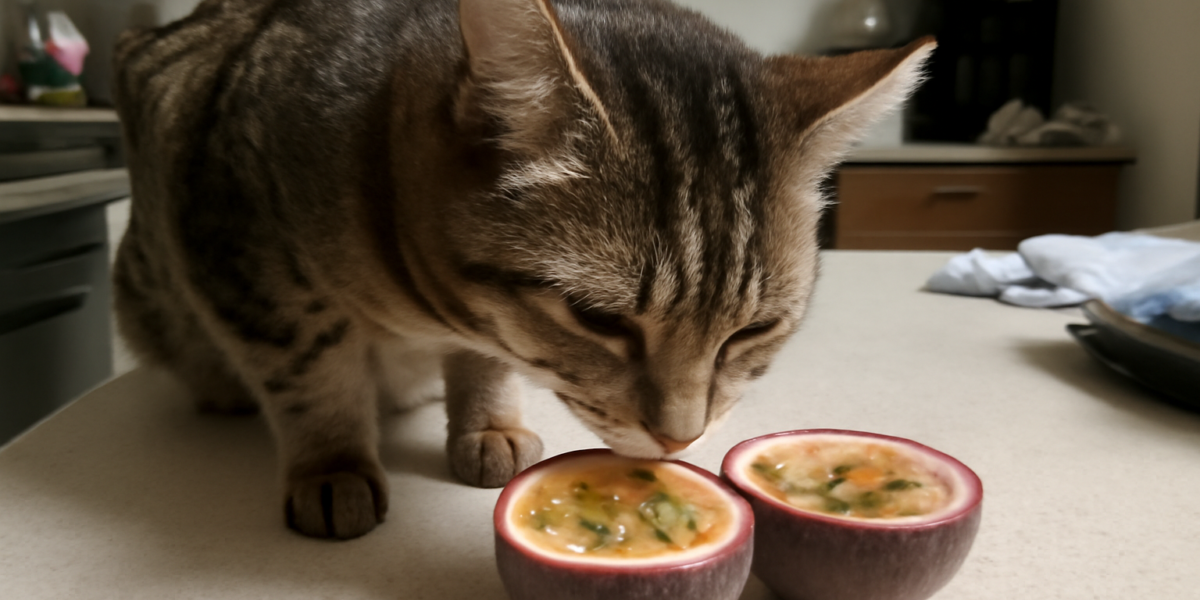
Passion fruit is a vibrant tropical fruit known for its aromatic, tangy flavor and its distinctive appearance, with a wrinkled purple or yellow exterior and a pulpy, seed-filled interior. While humans enjoy passion fruit in smoothies, desserts, and cocktails around the world, cat owners should think twice before sharing this exotic fruit with their feline companions. The safety of passion fruit for cats is a topic that requires careful consideration, as several components of the plant and fruit pose potential risks.
Cats are obligate carnivores, meaning their bodies are designed to process animal proteins and fats as their primary nutrition source. Fruits are not a natural or necessary part of a cat’s diet. While some fruits are safe in small quantities as occasional treats, passion fruit falls into a more cautionary category due to certain compounds found in the seeds and plant material. Understanding these risks will help you make informed decisions about your cat’s diet and safety.
Quick Answer
No, passion fruit is not recommended for cats. The passion fruit plant, including its leaves, stems, and vines, belongs to the Passiflora family and contains cyanogenic glycosides, compounds that can release small amounts of cyanide when metabolized. While the ripe flesh of the fruit contains lower concentrations of these compounds than the plant material, the seeds are consumed along with the pulp and carry their own risks. The high acidity of passion fruit can also cause gastrointestinal irritation in cats. Given that passion fruit provides no essential nutritional benefit to cats and carries several potential hazards, it is best to keep this fruit away from your feline companion entirely.
Nutritional Considerations for Cats
Passion fruit is nutritionally impressive for humans. A 100-gram serving provides significant amounts of vitamin C, vitamin A, dietary fiber, iron, and potassium. It is also rich in antioxidants, including beta-carotene, polyphenols, and flavonoids. For a human diet, these nutrients contribute to immune support, cardiovascular health, and digestive regularity.
However, cats process nutrients very differently from humans. Cats synthesize their own vitamin C internally and do not require dietary sources. Their vitamin A needs must be met through preformed vitamin A found in animal tissues, as they cannot efficiently convert the beta-carotene in fruits and vegetables into usable vitamin A. The dietary fiber in passion fruit, while beneficial for human digestion, can cause gastrointestinal distress in cats when consumed in more than trace amounts, as their short digestive tracts are not optimized for processing plant fiber.
The sugar content of passion fruit is another concern. Each fruit contains approximately 11 grams of sugar per 100 grams of pulp. Cats lack taste receptors for sweetness, so they derive no pleasure from sugary foods, and their metabolism is not equipped to handle significant sugar intake. Excessive sugar consumption in cats can contribute to weight gain and may increase the risk of diabetes, particularly in cats that are already overweight or predisposed to metabolic conditions.
Perhaps most importantly from a nutritional standpoint, passion fruit provides nothing that a properly balanced cat food does not already supply in a more bioavailable form. The amino acids, fatty acids, vitamins, and minerals that cats require are all present in quality commercial cat foods or properly formulated raw diets, drawn from animal-based sources that align with feline digestive physiology.
Benefits and Risks of Passion Fruit for Cats
When weighing the benefits against the risks, the scale tips decidedly toward caution with passion fruit. There are essentially no meaningful benefits to feeding passion fruit to a cat. While some antioxidant properties exist in the fruit, cats obtain adequate antioxidant support from their regular diet, and the amounts present in a safe-to-consume portion of passion fruit would be nutritionally insignificant.
The risks, on the other hand, are concrete and concerning. The most significant risk involves cyanogenic glycosides, which are present throughout the Passiflora plant. These compounds, when broken down during digestion, can release hydrogen cyanide. While the concentrations in ripe fruit pulp are lower than in the plant’s leaves and stems, the seeds that are naturally embedded in the pulp contain higher levels. Because it is nearly impossible to completely separate the pulp from the seeds when eating passion fruit, offering it to a cat means exposing them to these compounds.
Cyanide poisoning, even at low levels, can cause a range of symptoms in cats including difficulty breathing, bright red mucous membranes, dilated pupils, panting, and in severe cases, convulsions or death. While a cat would likely need to consume a significant quantity of passion fruit seeds to experience acute cyanide toxicity, the exact threshold for cats is not well established, making any exposure an unnecessary gamble.
The high acidity of passion fruit, with a pH typically between 2.6 and 3.0, presents another risk. This level of acidity can irritate a cat’s mouth, esophagus, and stomach, potentially causing drooling, mouth pawing, vomiting, or refusal to eat. Cats with pre-existing digestive sensitivities are particularly vulnerable to acid-related irritation.
The rind of the passion fruit is inedible and poses a choking hazard as well as a potential intestinal obstruction risk if a cat were to chew and swallow pieces of it. The tough, leathery texture of the rind does not break down easily in the digestive tract.
How to Keep Your Cat Safe Around Passion Fruit
Since passion fruit is not recommended for cats, the focus should be on prevention rather than preparation. If you enjoy passion fruit in your home, take steps to keep it out of your cat’s reach. Store whole passion fruits in a location your cat cannot access, such as a closed cabinet or high shelf that is genuinely inaccessible, keeping in mind that cats are exceptional climbers.
When preparing or eating passion fruit, be mindful of where seeds and rinds end up. Dispose of passion fruit waste promptly in a sealed trash container. Even discarded rinds can attract a curious cat, and the seeds scattered on a cutting board or plate present a risk if a cat investigates your food preparation area after you have left.
If you grow passion fruit vines or have Passiflora plants in your garden or home, be aware that the leaves and vines are more concentrated in cyanogenic glycosides than the fruit itself. Cats that have outdoor access in areas where passion fruit grows should be monitored to ensure they are not chewing on the plant material. Indoor Passiflora plants should be placed entirely out of your cat’s reach or removed from the home if your cat shows any interest in chewing on them.
If your cat does manage to consume passion fruit, including the seeds, do not panic but do monitor them closely. A small taste of the pulp alone is unlikely to cause serious toxicity, but contact your veterinarian for guidance, especially if your cat shows any unusual symptoms within the following hours. If you are looking for a new feline companion to care for, consider visiting Walk Me Home Rescue to find adoptable cats.
Signs of Problems After Exposure to Passion Fruit
If your cat has eaten passion fruit, monitoring for adverse reactions is essential. The timeline and severity of symptoms will depend on how much fruit was consumed and whether seeds were ingested along with the pulp.
Mild gastrointestinal symptoms are the most likely reactions and may appear within a few hours of consumption. These include vomiting, diarrhea, drooling, decreased appetite, and abdominal discomfort. If these symptoms are mild and resolve within 12 to 24 hours, they likely represent simple digestive irritation from the fruit’s acidity and unfamiliar composition.
More concerning symptoms that warrant immediate veterinary attention include difficulty breathing or rapid, shallow breathing, which could indicate cyanide exposure. Bright cherry-red coloration of the gums and mucous membranes is a classic sign of cyanide exposure, as it prevents cells from properly utilizing oxygen. Other serious symptoms include dilated pupils, excessive salivation, weakness or collapse, tremors or seizures, and rapid heart rate.
If your cat consumed parts of the passion fruit plant itself, such as leaves or stems, the risk of cyanide exposure is higher than from the fruit alone. In this case, contact your veterinarian or an animal poison control center immediately, even if your cat is not yet showing symptoms. Early intervention is always preferable to waiting for signs of toxicity to develop.
Allergic reactions, while uncommon, could manifest as facial swelling, hives, itching, or respiratory distress. These require prompt veterinary care regardless of their cause.
Healthy Alternatives to Passion Fruit for Cats
If you want to offer your cat an occasional treat beyond their regular food, there are much safer options available. For cat owners interested in offering fruit, small amounts of plain blueberries, watermelon without seeds, or cantaloupe are generally considered safe. However, remember that no fruit is necessary in a cat’s diet, and many cats show no interest in fruit whatsoever due to their inability to taste sweetness.
Animal-based treats are always the most appropriate choice for cats. Small pieces of cooked, unseasoned chicken, turkey, or fish align with your cat’s carnivorous nature and provide the amino acids and nutrients they actually need. Commercially available cat treats that are formulated with real meat can be a convenient option that is also nutritionally appropriate.
For cats that enjoy varied textures and flavors, freeze-dried meat treats in options like chicken, salmon, shrimp, or rabbit provide satisfying crunch and concentrated flavor without any unnecessary plant-based ingredients. You might also want to explore other entries in our food safety series, such as whether cats can eat nori, to learn about other foods that may be safer options for your feline friend.
Frequently Asked Questions
What should I do if my cat ate passion fruit seeds?
If your cat consumed a small number of passion fruit seeds along with a bit of pulp, monitor them closely for symptoms including vomiting, diarrhea, difficulty breathing, or lethargy. A few seeds are unlikely to cause acute cyanide toxicity, but the risk is not zero. Contact your veterinarian or an animal poison control hotline to report the ingestion and receive specific guidance based on your cat’s size and the estimated amount consumed. If your cat shows any signs of respiratory distress, seek emergency veterinary care immediately.
Is passion fruit juice safe for cats?
Passion fruit juice is not recommended for cats. While commercially produced juice may have had the seeds strained out, it retains the high acidity that can irritate a cat’s digestive tract. Most passion fruit juices also contain added sugars, which are inappropriate for cats. Even fresh, unsweetened passion fruit juice provides no nutritional benefit to cats and poses risks from its acidic nature. Cats should drink water as their primary and ideally only beverage.
Are all parts of the passion fruit plant dangerous to cats?
The leaves, stems, and vines of the Passiflora plant contain higher concentrations of cyanogenic glycosides than the fruit itself. The rind of the fruit is inedible and poses choking and obstruction risks. The seeds contain notable levels of cyanogenic compounds. The ripe pulp has the lowest concentration of these compounds but is still acidic and not recommended. In summary, no part of the passion fruit or its plant is appropriate for cat consumption, though some parts pose greater risks than others.
Can passion fruit cause long-term health problems in cats?
A single small exposure to passion fruit pulp is unlikely to cause lasting health issues in most cats. However, repeated exposure to cyanogenic glycosides, even at sub-toxic doses, is not well studied in cats and could theoretically cause cumulative effects. The high acidity could contribute to chronic digestive inflammation if consumed regularly. Given the absence of any nutritional benefit and the presence of known risk factors, there is no justification for regular inclusion of passion fruit in a cat’s diet.
My cat licked passion fruit juice off my plate. Should I be worried?
A small lick of passion fruit juice is very unlikely to cause any serious harm. The amount consumed from a brief lick is minimal, and the concentration of potentially harmful compounds in strained juice is lower than in whole fruit with seeds. You may notice mild digestive upset such as a brief episode of drooling or a soft stool, but significant health effects from such a small exposure are improbable. If you want to be cautious, offer your cat fresh water and monitor them for a few hours. Contact your veterinarian if any unusual symptoms develop. To learn more about safe foods for cats, consider exploring other articles in our Walk Me Home Rescue food safety series.


